
For the better part of a century, the global reputation of Brazilian coffee was built on a foundation of volume and consistency. As the world’s largest producer, Brazil was the “engine room” of the industry, providing the chocolatey, nutty, and low-acid base for almost every commercial espresso blend and supermarket tin. While these profiles are comforting and reliable, they often overshadowed the incredible botanical potential of the country’s diverse landscapes. However, in the last decade, a revolution has taken place. Brazil is no longer just the world’s coffee warehouse; it is becoming a powerhouse of experimental processing and high-altitude excellence.
This shift is a result of a new generation of farmers who are Understanding How Rare Altitudes and Volcanic Terroirs Impact the Final Sensory Quality of the Bean . By moving away from mechanical harvesting in the lowlands and into the steep, hand-picked microclimates of regions like Mantiqueira de Minas and Caparaó, Brazil is producing coffees that challenge the supremacy of East African heirlooms.
Breaking the Stereotype: The “Fruit Bomb” Movement
The classic Brazilian profile—low acidity, heavy body, and notes of caramel—is a product of the “Natural” processing method, where the cherry is dried in the sun with the fruit intact. While this creates a sweet, stable cup, it often masks the more delicate floral notes.
The “Renaissance” began when farmers started experimenting with Anaerobic Fermentation. By placing the coffee cherries in sealed, oxygen-free tanks before drying, they can control the metabolic activity of yeasts and bacteria. This process can transform a standard Brazilian bean into something unrecognizable, bursting with notes of passion fruit, cinnamon, and even sparkling wine. When you Learn to Host a Professional Coffee Cupping and Compare These Experimental Lots , you realize that the Brazilian terroir is far more elastic than we once believed.
The Influence of the Mantiqueira Mountains
One of the most critical regions in this new era is the Mantiqueira de Minas. With altitudes reaching over 1,400 meters, this region provides the thermal amplitude—warm days and cold nights—necessary for the “slow-growth” cycle that produces dense, high-quality seeds.
Unlike the flat Cerrado Mineiro, the Mantiqueira requires manual labor and a deep respect for the land. This terroir produces coffees with a surprisingly bright acidity and a “silky” mouthfeel that rivals The Vibrant Floral Notes Found in High-Altitude Kenyan or Ethiopian Lots . These beans are dense and demand that you Calibrate Your Extraction With Precision to Unlock Their Complex Sugar Structures .
Sustainability and the “Green” Revolution
Another pillar of the Brazilian renaissance is a massive shift toward environmental stewardship. Brazil has some of the strictest labor and environmental laws for coffee production in the world. Modern Brazilian specialty estates are often “Carbon Neutral” or use regenerative agriculture to restore the soil.
This focus on health and sustainability directly translates to the cup. A healthy plant in a biodiverse environment produces a cleaner cherry. If you are Applying Technical Rigor to Your Water Quality to Ensure a Clean Extractions , you will find that these modern Brazilian coffees offer a “clarity” that was missing in the past. You can taste the purity of the terroir without the “earthy” defects that used to plague lower-grade lots.
Brewing the New Brazil: Technique Matters
Because these new-era Brazilian coffees are often more complex and acidic than traditional roasts, your brewing technique must adapt.
-
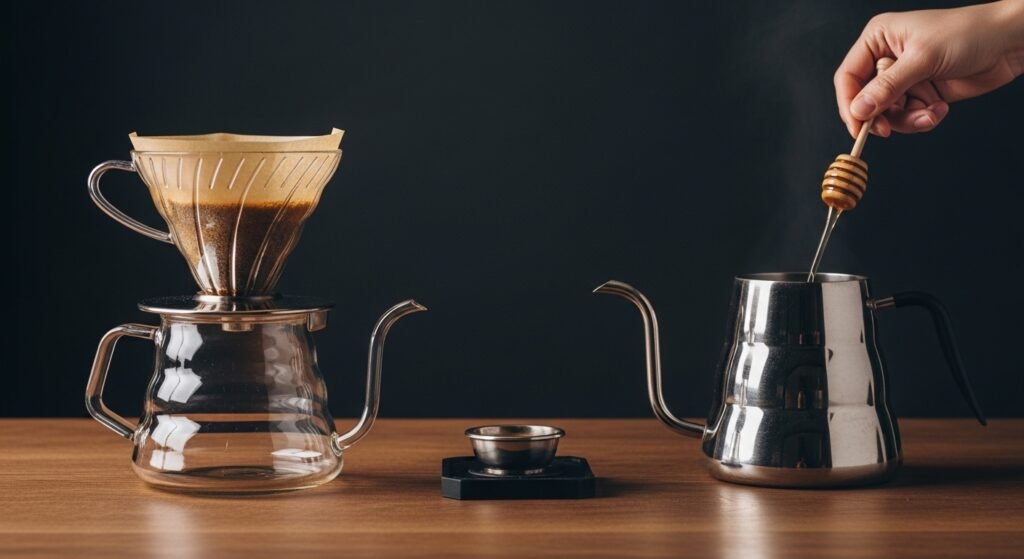
The Pour-Over: For anaerobic or “Honey Process” Brazilian beans, use a conical filter to highlight the fruit-forward acidity.
-
The Espresso: Because these beans still retain a significant amount of natural sweetness, they make for incredible “Single Origin” espressos. However, you must Maintain Your Grinder and Ensure Your Burrs Are Perfectly Clean to avoid overheating these delicate, sugar-rich beans during the grinding process.
-
The Aftertaste: The hallmark of a top-tier modern Brazilian coffee is a finish that tastes like honey or roasted almonds. By Evaluating the Science of Aftertaste and Its Lingering Sweetness , you can distinguish between a standard commercial roast and a specialty lot that has been handled with care.
The Economic Impact: Direct Trade and Microlots
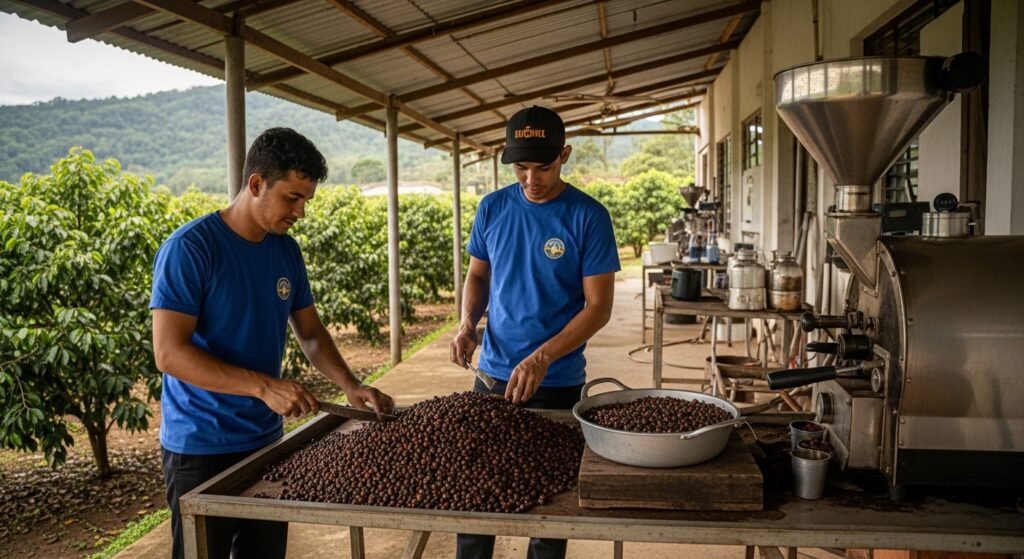
The Brazilian renaissance is also an economic story. Instead of selling their coffee to massive cooperatives for a flat price, farmers are now producing “Microlots”—tiny, high-quality harvests from a specific part of the farm.
These microlots are sold through “Direct Trade,” where the roaster works directly with the farmer. This transparency ensures that the farmer is paid a premium for their excellence, which they then reinvest into The Latest Maintenance and Cleaning Technologies for Their Processing Equipment . This creates a “cycle of quality” that is pushing the entire country toward a more sustainable and delicious future.
Conclusion: A New Chapter for the Largest Producer
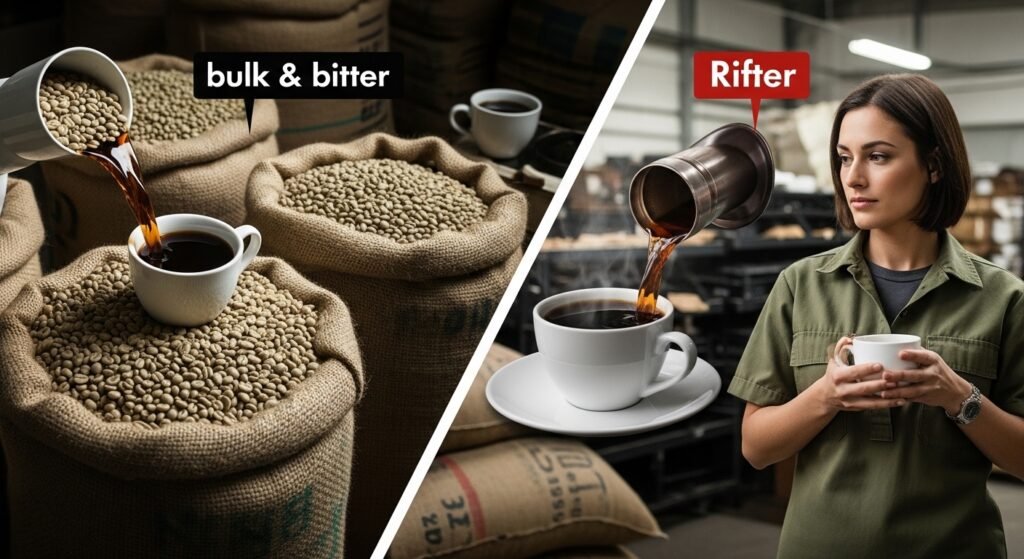
The story of Brazilian coffee is being rewritten. We are moving away from the era of “bulk and bitter” and into an era of “nuance and nature.” Brazil is proving that it can produce the volume needed for the world’s mornings while simultaneously producing the complexity needed for the world’s most demanding palates.
Whether you are enjoying a Modern Coffee Cocktail Like a Carajillo Made with a Rich Brazilian Base or a delicate filter coffee from the mountains of Caparaó, the message is clear: do not underestimate the Brazilian bean. It is a terroir of endless surprises, built on a foundation of tradition but fueled by the spirit of innovation.
The next time you see “Brazil” on a bag of specialty coffee, look closer at the processing and the altitude. You might just find your new favorite “fruit bomb” in the most unexpected of places.

Brown Christopher is 47 years old and has been passionate about coffee since he was 15. For more than three decades, he has explored coffee culture, brewing methods, and the flavors behind every cup. Through this blog, he shares simple tips and knowledge to help beginners better understand and enjoy coffee in their daily lives. ☕