
In the specialty coffee world, “High Altitude” is more than just a marketing phrase—it is a biological requirement for excellence. When you walk through a supermarket and see bags labeled “Altuna,” “Strictly High Grown (SHG),” or “Hard Bean (HB),” you are looking at a classification system based on elevation. But why does a difference of 500 meters change the flavor profile of a bean so drastically? The answer lies in the intersection of plant stress, atmospheric pressure, and the slowed rhythm of nature.
Understanding altitude is essential for Evaluating the Science of Aftertaste and the Dense Cellular Structure of Premium Beans . As we climb the mountains of Colombia, Ethiopia, or Brazil, the air grows thinner and the nights grow colder. These harsh conditions force the Coffea Arabica plant into a survival mode that inadvertently creates the most complex flavors known to the human palate.
The Biological Clock: Why Slower is Better
The primary reason high-altitude coffee tastes better is slow maturation. At lower elevations (below 800 meters), the weather is consistently warm and the air is thick with oxygen. Coffee cherries grow quickly in these conditions, but they are often “hollow” in flavor. Because they ripen fast, the sugars within the fruit do not have enough time to migrate deeply into the seed.
At high altitudes (above 1,200 meters), the drop in temperature—especially at night—slows the metabolism of the coffee plant. The ripening process, which might take six months at sea level, can take up to ten or eleven months in the mountains. This extended timeline allows the plant to focus its energy on developing complex organic acids and dense sugars. When you Analyze the Vibrancy of a High-Altitude Ethiopian Heirloom , you are tasting a “slow-cooked” biological masterpiece.
Density: The Barista’s Greatest Challenge
High-altitude beans are physically different from their low-altitude counterparts. They are categorized as “Strictly Hard Beans” because their cellular structure is incredibly tight. This density is a direct result of the plant struggling to grow in a low-oxygen, high-stress environment.
For a barista, density changes everything. A dense, high-altitude bean is more difficult for water to penetrate. This is why you must Calibrate Your Espresso Machine and Grinder to Handle Harder Beans . If you use a grind setting intended for a soft, low-altitude bean on a dense mountain coffee, the water will rush through too quickly, resulting in an under-extracted, sour cup. Furthermore, these dense beans require more thermal energy to extract, meaning the Mineral Balance and Temperature of Your Brewing Water become critical factors in unlocking the hidden sweetness.
The Chemistry of Acidity: Phosphoric and Malic Secrets
Altitude is the father of acidity. In specialty coffee, “acidity” is not a negative term; it refers to the bright, sparkling qualities that make a coffee taste like green apple, lemon zest, or stone fruit.
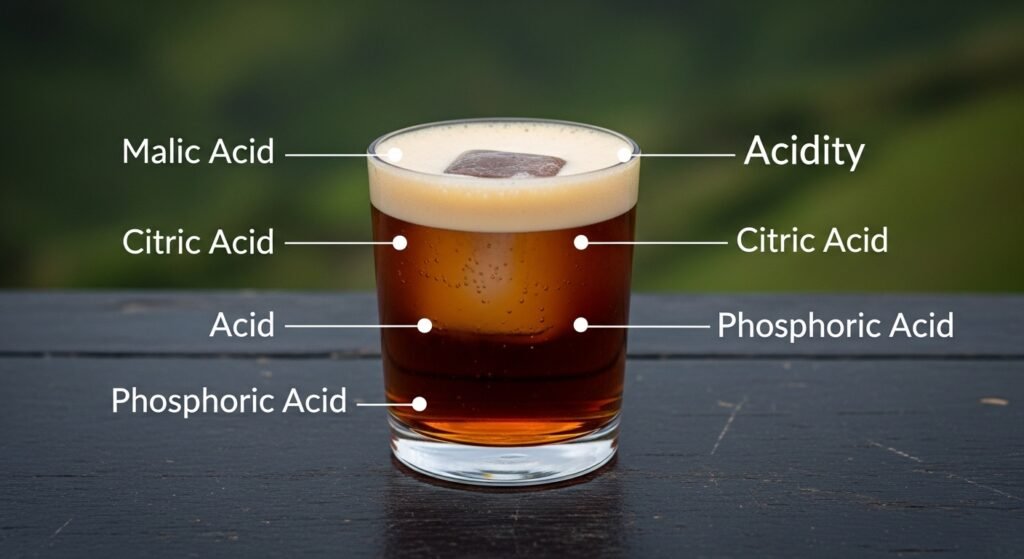
The cold nights of the mountains preserve the organic acids that would otherwise be metabolized by the plant in warmer climates. Specifically, high altitudes promote the development of:
-
Malic Acid: The crisp acidity found in apples.
-
Citric Acid: The refreshing zing of citrus fruits.
-
Phosphoric Acid: A unique, effervescent quality common in Kenyan coffees that makes the flavor “pop.”
Without these acids, coffee tastes flat and “generic.” When you use a high-altitude bean in a Modern Coffee Cocktail Like a Carajillo , these acids provide the structural backbone that prevents the drink from becoming cloyingly sweet from the liqueur.
Drainage and Soil: The Volcanic Factor
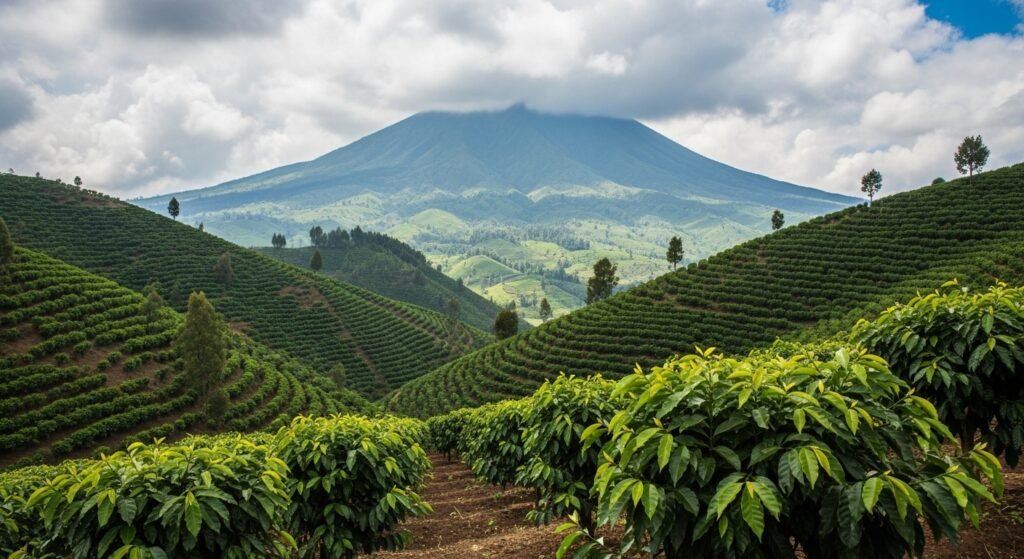
Mountains aren’t just high; they are steep. This slope provides natural drainage, ensuring that the coffee roots never sit in stagnant water, which can lead to rot and fermented “off-flavors.” Many of the world’s most famous coffee mountains are also volcanic.
Volcanic soil is rich in minerals like potassium and nitrogen, but it is the physical structure of the soil that matters most. It is porous and nutrient-dense, allowing the roots to reach deep into the earth. By Hosting a Comparative Cupping at Home , you can often taste the “minerality” of these soils, a distinct earthy or flinty note that adds a third dimension to the fruit and floral profiles.
Maintenance of Freshness in Hard Beans
Because high-altitude beans are so dense, they tend to stay fresh longer than soft beans. Their tight cellular structure acts as a natural shield against oxidation. However, once you grind them, that surface area increases exponentially.
To preserve the complex aromatics of a 2,000-meter-grown coffee, you must Maintain Your Grinder and Ensure it is Free of Old, Rancid Oils . If your burrs are dirty, the delicate “peak-altitude” aromas of jasmine or peach will be immediately tainted by the stale residue of previous roasts. The harder the bean, the more it “shatters” during grinding, creating microscopic dust that is highly sensitive to the environment.
The Shade Factor: Protecting the High Ground
Most high-altitude estates use “Shade-Grown” techniques. At high elevations, the sun’s UV rays are much stronger. If left in direct sunlight, the coffee plants would be scorched. Shade trees (often banana or citrus trees) protect the coffee, while also providing a habitat for birds and insects that act as natural pest control.
This biodiversity further slows the maturation of the cherry, enhancing the sugar concentration. When you Study the Science of Aftertaste in These Shade-Grown Lots , you notice a “cleanliness” in the cup that is absent in mass-produced, sun-grown monocultures.
Conclusion: The Reward of the Climb
The journey of a coffee bean from a high-altitude mountain peak to your cup is a triumph over adversity. Every bright note of acidity and every syrupy layer of sweetness is a result of the plant fighting to survive the cold, the thin air, and the steep slopes.
By Respecting the Technical Requirements of High-Altitude Beans , you are honoring the labor of the farmers who work in these difficult conditions. You are choosing a product that is not just better for your palate, but often better for the environment, as mountain coffee requires less chemical intervention and supports more biodiversity.
The next time you brew, check the elevation. If it says 1,500m or higher, take a moment to appreciate the slow, steady rhythm of the mountains that produced those flavors. Your patience in brewing will be rewarded by the patience of the plant that grew the bean.

Brown Christopher is 47 years old and has been passionate about coffee since he was 15. For more than three decades, he has explored coffee culture, brewing methods, and the flavors behind every cup. Through this blog, he shares simple tips and knowledge to help beginners better understand and enjoy coffee in their daily lives. ☕