
In the lexicon of specialty coffee, “acidity” is a term of praise, while “bitterness” is often a warning sign. Yet, for the uninitiated, these two sensations are frequently confused. A sharp, bright High-Altitude Kenyan Coffee can be perceived as “bitter” by someone used to commodity coffee, simply because the intensity is unfamiliar. Conversely, a Poorly Calibrated Espresso might be so bitter that it masks a beautiful, hidden acidity.
Understanding the biological and chemical difference between these two is the foundation of Professional Coffee Cupping. It is a biological tug-of-war that happens on your tongue every time you take a sip. To master the Science of Aftertaste, you must learn to isolate these sensations and understand what they are telling you about the bean, the roast, and your Water Quality.
1. The Chemistry of Acidity: The Spark of Life
Acidity in coffee is not about pH alone; it is about the presence of organic acids that provide flavor, structure, and “sparkle.” When we talk about acidity, we are discussing a sensation that is typically felt on the sides of the tongue and triggers salivation.
-
Citric Acid: Reminiscent of lemon or orange. Common in washed coffees from Central America.
-
Malic Acid: Reminiscent of green apples or stone fruits. Often found in Dense, High-Altitude Beans.
-
Tartaric Acid: The acid of grapes, providing a wine-like quality.
-
Phosphoric Acid: A unique, sparkling acidity found in volcanic soils, particularly in Kenya.
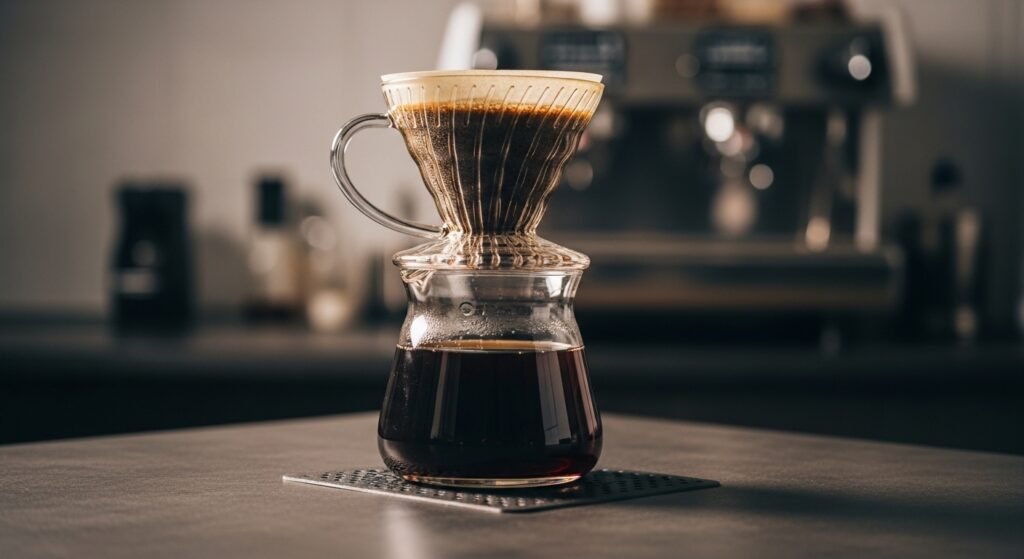
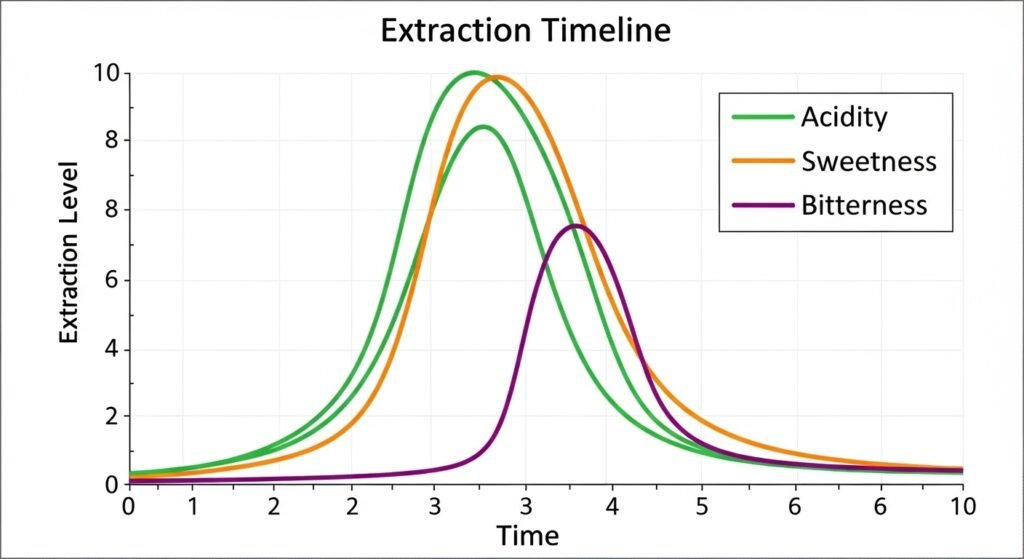
Acidity is the first thing to be extracted during the brewing process. If your brew time is too short, you will experience “Under-extraction,” where the acidity is unbalanced, tasting sour, salty, and sharp—like a lemon without the sugar.
2. The Chemistry of Bitterness: The Final Stage
Bitterness is often a defensive mechanism in plants, and in coffee, it serves as a structural counterpoint to sweetness and acidity. However, in excess, it becomes unpleasant. Bitterness is primarily felt at the back of the tongue and often lingers long after the coffee is swallowed, deeply impacting the Science of Aftertaste.
The primary sources of bitterness in coffee are:
-
Caffeine: A naturally bitter alkaloid.
-
Chlorogenic Acid Lactones: These are formed during light to medium roasting and provide a “pleasant” bitterness.
-
Phenylindanes: These are formed during dark roasting. They provide the harsh, acrid, and smoky bitterness found in commodity-grade French roasts.
Bitterness is the last thing to be extracted. If you brew for too long or use Water that is Too Hot, you will pull out these heavy, bitter compounds, drowning out the delicate acids.
3. Acidity vs. Sourness: The Crucial Distinction
This is where most beginners struggle.
-
Acidity (Positive): Vibrant, mouth-watering, clean, and associated with ripe fruit. It is a sign of Quality Terroir.
-
Sourness (Negative): Sharp, biting, puckering, and associated with under-ripe fruit or under-extracted coffee.
If your coffee tastes like a “battery” or is uncomfortably sharp, you haven’t extracted enough sweetness to balance the acids. You likely need to Finer Your Grind or Increase Your Water Temperature.
4. The Role of Sweetness as the Mediator
In the “tug-of-war” between acidity and bitterness, sweetness is the mediator. Sweetness (the result of caramelized carbohydrates) softens the edges of acidity and rounds out the harshness of bitterness.
A perfectly balanced cup feels “harmonious.” You can taste the bright citric notes, but they are wrapped in a caramel-like sweetness, with just enough bitterness at the finish to provide a clean Aftertaste. If your Equipment is Dirty, the rancid oils will add a “fake” bitterness that no amount of sweetness can fix.
5. Roasting: The Destroyer of Acidity
Roasting is a journey from acidity to bitterness.
-
Light Roasts: Preserved acidity. They highlight the Secrets of High Altitude but can be difficult to extract properly.
-
Medium Roasts: The “Sweet Spot.” Acidity begins to decline as sugars caramelize, creating a balance.
-
Dark Roasts: Acidity is almost entirely destroyed, replaced by carbonization and bitterness.
When buying beans, checking the roast date and level is the first step in Dialing-In Your Sensory Expectations.
6. Technical Brewing to Control the Tug-of-War
As a brewer, you are a chemist controlling this tug-of-war in real-time.
-
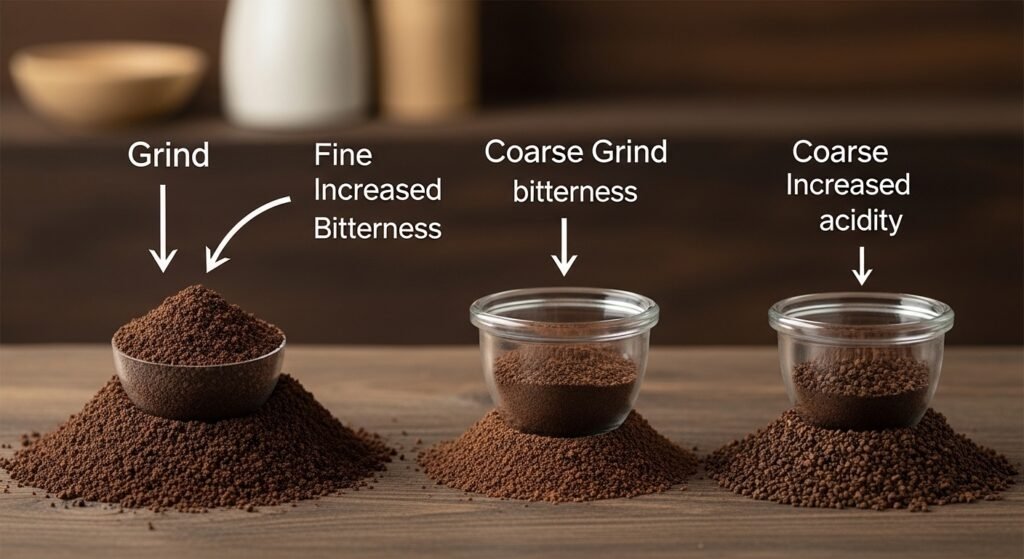
To Increase Acidity: If the coffee tastes boring or “flat,” use a coarser grind, a shorter brew time, or slightly cooler Water.
-
To Decrease Bitterness: If the coffee is harsh and ashy, use a coarser grind, a shorter brew time, or check if your Grinder Burrs are Clean.
7. Terroir and Biological Precursors
The tug-of-war is also decided before the beans even leave the farm.
-
The Ethiopian Profile: Known for extremely high acidity due to High Altitude and Heirloom Genetics.
-
The Brazilian Profile: Naturally lower in acidity, leaning more towards sweetness and a gentle, nutty bitterness. This is why Brazil is the king of Balanced Espresso Blends.
Understanding these Regional Terroirs helps you choose beans that align with your personal preference for the acidity-bitterness ratio.
8. Mouthfeel: The Tactile Companion
Acidity often feels “thin” or “light” (like juice), while bitterness is often associated with “heavy” or “viscous” textures (like dark chocolate). When you perform a Cupping at Home, pay attention to how the acidity “cuts” through the body of the coffee. A heavy body with no acidity tastes “muddy,” while high acidity with no body tastes “watery.”
[Image illustrating the concept of ‘Body’ in coffee, showing the difference between watery and syrupy textures]
9. Water: The Invisible Hand
Never forget that Water Quality can fake an extraction error. High-alkalinity water will neutralize acidity, making your coffee taste bitter and flat even if you do everything else right. If your Aftertaste is consistently “chalky,” stop changing your grind and start checking your water.
10. Conclusion: The Balanced Cup
The goal of specialty coffee is not the absence of bitterness, nor is it the pursuit of extreme acidity. It is the harmony between them. Bitterness provides the “bass notes” and the “finish,” while acidity provides the “melody” and the “brightness.”
By learning to distinguish these sensations, you become a better brewer. You stop guessing and start Calibrating Based on Technical Feedback. Respect the acids, control the bitterness, and always keep your Equipment Clean. When the tug-of-war ends in a tie, you have found the perfect cup.

Brown Christopher is 47 years old and has been passionate about coffee since he was 15. For more than three decades, he has explored coffee culture, brewing methods, and the flavors behind every cup. Through this blog, he shares simple tips and knowledge to help beginners better understand and enjoy coffee in their daily lives. ☕