
The Humbling Truth About My Early Bonsai Blunders
For years, I thought I knew what I was doing when it came to watering my bonsai. I’d casually drench the soil, assuming that more water was always better. After all, plants need water, right? It seemed logical enough. Looking back, I cringe at the memory of my early attempts, which were more akin to drowning my poor trees rather than nurturing them. The reality is that watering bonsai is an art, a delicate dance between providing enough moisture and avoiding the dreaded root rot. It’s a lesson I learned the hard way, through wilted leaves, yellowing foliage, and the eventual demise of several promising specimens.
My first bonsai was a Juniper procumbens ‘Nana’. I was so proud of it. I envisioned it becoming a miniature masterpiece, a testament to my green thumb. I placed it on my sunny patio and proceeded to water it every single day, sometimes twice a day during the hotter months. The soil was constantly soggy. I even added a layer of pebbles to the top, thinking it would help retain moisture. The opposite happened; it suffocated the topsoil and invited mold. Within a few weeks, the needles started turning brown and brittle. I panicked, thinking it was drying out, and watered it even more! Of course, it was too late. The roots were already rotting, and the tree was beyond saving. The smell was… unforgettable, in the worst way.
That first failure was a harsh wake-up call. I realized that bonsai care was far more nuanced than I had initially believed. It wasn’t just about providing water; it was about understanding the specific needs of each tree, the type of soil it was planted in, and the environmental conditions it was exposed to. It was about observing, adapting, and learning from my mistakes.
Understanding the Unique Needs of Bonsai Soil
The Importance of Drainage
One of the biggest lessons I learned was the crucial role of well-draining soil. Bonsai are typically planted in shallow pots with limited space for root growth. This means that the soil needs to be specifically formulated to allow for excellent drainage, preventing water fromlogging around the roots and causing them to rot. Think of a swamp – that’s exactly what you *don’t* want for your bonsai. Standard potting soil is far too dense and retains too much moisture. It’s a recipe for disaster.
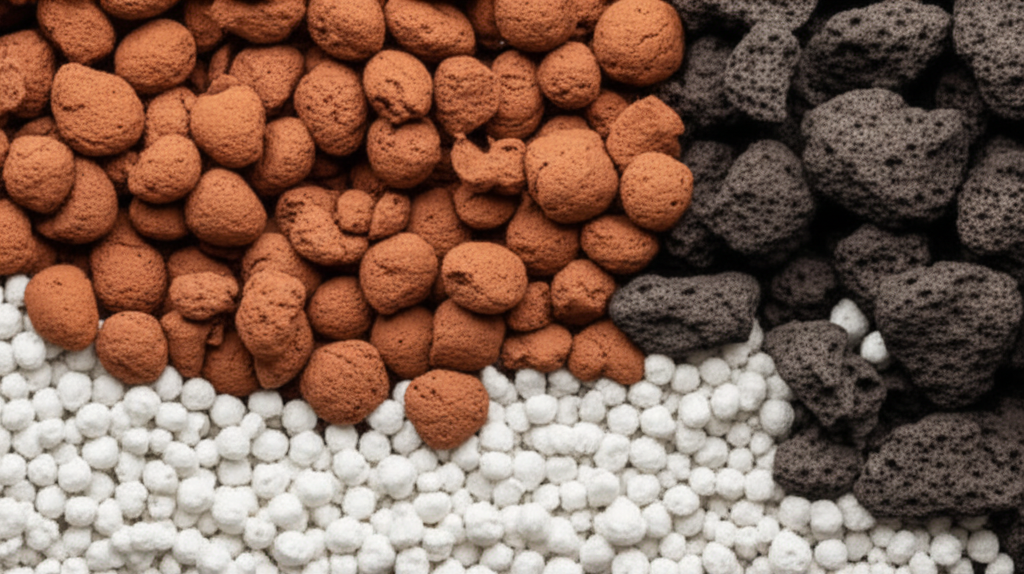
Over time, I experimented with different soil mixes, eventually settling on a blend of akadama, pumice, and lava rock. Akadama is a baked clay pellet that retains some moisture while still providing excellent drainage. Pumice is a volcanic rock that helps to aerate the soil and prevent compaction. Lava rock further enhances drainage and adds valuable minerals. The ratio of these components can be adjusted depending on the specific needs of the tree, but the key is to create a mix that drains quickly and freely.
A good test is to water your bonsai and observe how quickly the water drains out of the bottom of the pot. It should start draining almost immediately and continue to drain freely for several minutes. If the water pools on the surface or takes a long time to drain, it indicates that the soil is too dense and needs to be amended. I remember one time I used a soil mix that had too much peat moss in it. The water just sat on top, forming a muddy layer. My poor Japanese Maple nearly drowned before I realized my mistake and repotted it in a better-draining mix. It was a close call!
Adapting to Different Tree Species
Another critical aspect of bonsai watering is understanding the specific needs of different tree species. What works for a juniper might not work for a maple, and what works for a pine might not work for a ficus. Each species has its own unique requirements for water, light, and humidity.
For example, junipers are relatively drought-tolerant and prefer to dry out slightly between waterings. Overwatering can lead to root rot, as I painfully discovered with my first bonsai. Maples, on the other hand, prefer to be kept consistently moist, especially during the growing season. They are more susceptible to drying out, which can cause the leaves to scorch and drop. Pines are somewhere in between, preferring well-draining soil but also needing adequate moisture to thrive.
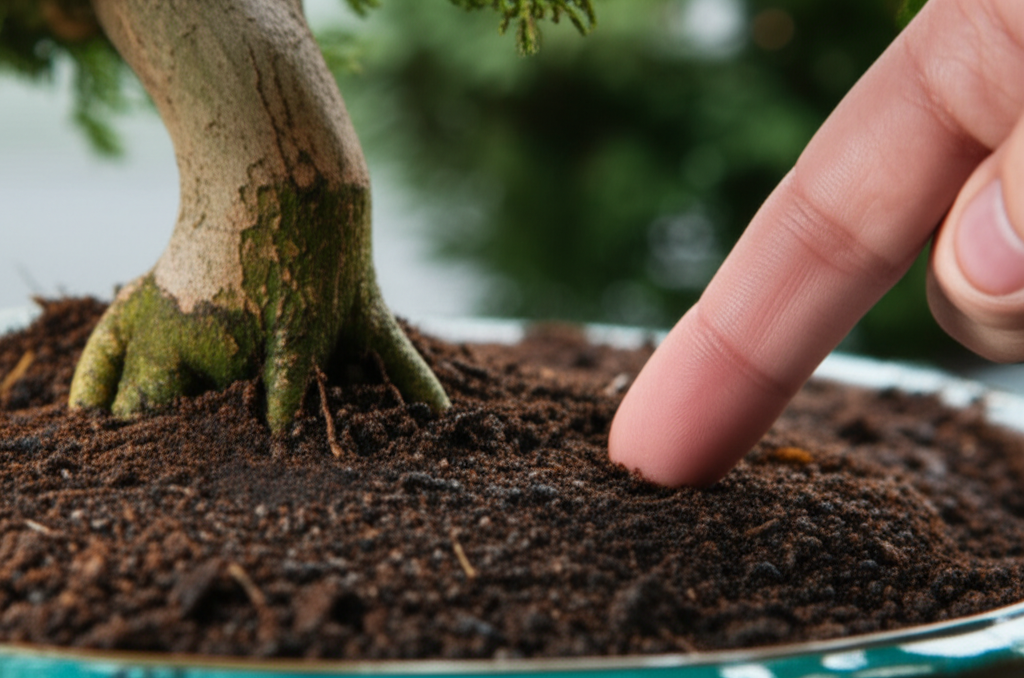
The key is to research the specific needs of your tree and adjust your watering accordingly. Pay attention to the appearance of the leaves, the moisture level of the soil, and the overall health of the tree. If the leaves are wilting or yellowing, it could be a sign of either overwatering or underwatering. The only way to know for sure is to check the soil. Stick your finger into the soil about an inch deep. If it feels dry, it’s time to water. If it feels wet or soggy, hold off on watering until it dries out a bit.
The Art of Observation: Reading the Signs
Over the years, I’ve learned to rely on my senses to determine when and how much to water my bonsai. I’ve become a bonsai whisperer, able to discern the subtle cues that indicate a tree’s thirst or contentment. It’s not an exact science, but it’s a skill that can be developed with practice and observation.
Leaf Appearance: A Tell-Tale Sign
The appearance of the leaves is often the first indicator of a watering problem. Wilting leaves are a classic sign of dehydration, but they can also be a sign of root rot. The key is to look at the overall color and texture of the leaves. If the leaves are wilting and also turning yellow or brown, it’s more likely to be a sign of overwatering. If the leaves are wilting and dry, it’s more likely to be a sign of underwatering.
Another tell-tale sign is leaf scorch, which is characterized by brown, crispy edges on the leaves. This is often caused by dry air or insufficient watering. Maples are particularly susceptible to leaf scorch, especially during hot, dry weather. To prevent leaf scorch, it’s important to keep the soil consistently moist and to provide adequate humidity. I often mist my maples with water in the morning and evening, especially during the summer months.
Soil Moisture: The Finger Test
The finger test is a simple but effective way to determine the moisture level of the soil. Simply stick your finger into the soil about an inch deep and feel for moisture. If the soil feels dry, it’s time to water. If it feels wet or soggy, hold off on watering until it dries out a bit.
This test is particularly useful for determining when to water trees that are planted in different types of soil. For example, trees planted in a well-draining soil mix will dry out more quickly than trees planted in a denser soil mix. The finger test allows you to tailor your watering schedule to the specific needs of each tree.
Weight of the Pot: A Surprisingly Accurate Indicator
After watering your bonsai for a while, you’ll develop a sense of how heavy the pot feels when it’s fully saturated. As the soil dries out, the pot will become noticeably lighter. This can be a surprisingly accurate way to determine when to water, especially for larger trees.
I often pick up my bonsai pots to gauge their weight. It’s a quick and easy way to assess the moisture level of the soil without having to stick my finger in it. Of course, this method takes some practice to master, but it’s a valuable tool to have in your bonsai arsenal.
The Right Way to Water: Technique Matters
Watering From Above: The Gentle Shower
When watering your bonsai, it’s important to use a gentle shower rather than a strong stream of water. A strong stream of water can compact the soil and damage the delicate roots. A gentle shower, on the other hand, will evenly distribute the water throughout the soil without disturbing the roots.
I use a watering can with a fine rose nozzle to water my bonsai. The rose nozzle creates a gentle shower that mimics rainfall. I water slowly and deliberately, making sure to saturate the entire surface of the soil. I continue watering until water drains freely out of the bottom of the pot.
Submersion Watering: For Deep Hydration
In some cases, it may be necessary to submerge the entire pot in water to ensure deep hydration. This is particularly useful for trees that have become severely dehydrated or for trees that are planted in a very well-draining soil mix. This is my go-to method when I’ve been away on vacation and the tree has dried out more than usual.
To submerge the pot, simply place it in a basin of water and allow it to soak for several minutes. The water will be drawn up into the soil through capillary action, thoroughly hydrating the roots. Remove the pot from the water and allow it to drain completely before returning it to its display location.
Water Quality: The Importance of Purity
The quality of the water you use to water your bonsai is also important. Tap water can contain chlorine, fluoride, and other chemicals that can be harmful to bonsai trees. It’s best to use rainwater, distilled water, or filtered water to water your bonsai.
I collect rainwater in barrels and use it to water my bonsai whenever possible. Rainwater is naturally soft and free of harmful chemicals. If rainwater is not available, I use distilled water. I avoid using tap water unless it’s been left to sit out for several days to allow the chlorine to evaporate. I’ve also heard that reverse osmosis systems work well, but I haven’t personally tried them yet.
Seasonal Adjustments: Watering Through the Year
Spring: The Awakening
As the weather warms up in the spring, bonsai trees begin to emerge from their winter dormancy. New growth starts to appear, and the trees require more water to support this growth. Increase your watering frequency and monitor the soil moisture closely.
This is also a good time to fertilize your bonsai trees. Use a balanced fertilizer that is specifically formulated for bonsai. Fertilize regularly throughout the growing season, following the instructions on the fertilizer label. I use a liquid fertilizer that I dilute with water and apply with my watering can. It’s easier to control the dosage this way.
Summer: The Heat of the Day
Summer is the most challenging time of year for bonsai watering. The hot weather and dry air can quickly dehydrate the trees. Water your bonsai more frequently, sometimes even twice a day during the hottest periods. Provide shade during the hottest part of the day to prevent leaf scorch.
I often move my bonsai trees to a shadier location during the summer months. I also mist them with water in the morning and evening to increase humidity. A humidity tray can also help to keep the air around the trees moist. Just make sure the pot isn’t sitting *in* the water, only above it.
Autumn: Preparing for Winter
As the weather cools down in the autumn, bonsai trees begin to slow down their growth and prepare for winter dormancy. Reduce your watering frequency and allow the soil to dry out slightly between waterings.
This is also a good time to prune your bonsai trees. Remove any dead or diseased branches and shape the trees for the coming year. Stop fertilizing your bonsai trees in the late autumn to allow them to enter dormancy properly. Some people bring their trees indoors, but I prefer to keep mine in a sheltered location outdoors, protected from the harshest elements.
Winter: Dormancy and Rest
During the winter months, bonsai trees are dormant and require very little water. Water only when the soil is dry to the touch. Avoid overwatering, as this can lead to root rot.
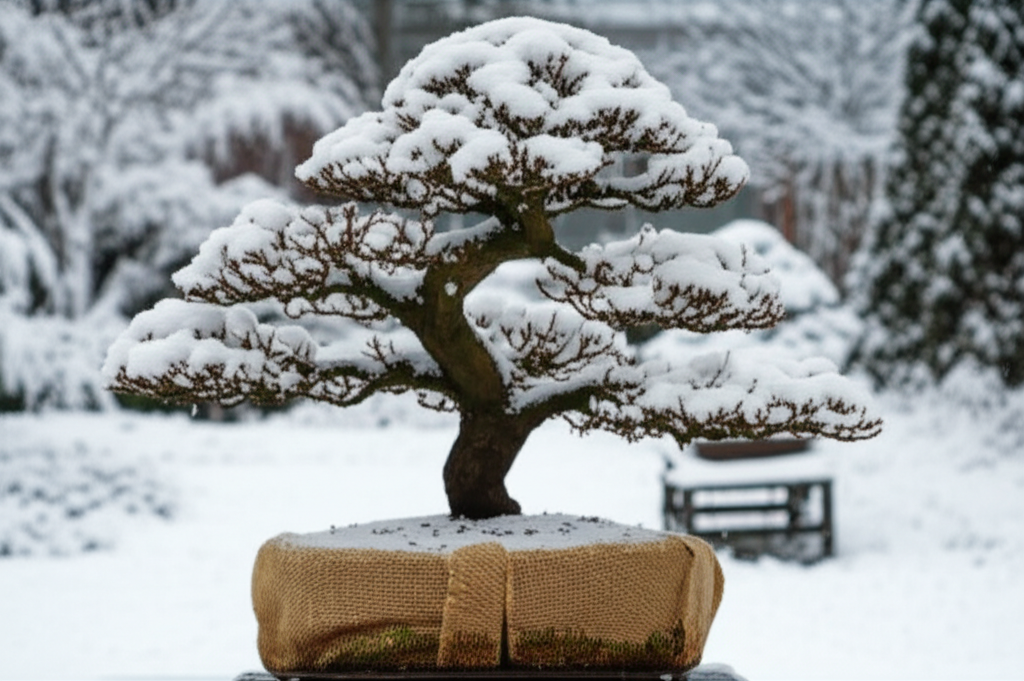
Protect your bonsai trees from freezing temperatures. If you live in an area with harsh winters, you may need to bring your bonsai trees indoors or provide them with additional protection. I wrap the pots in burlap to insulate them from the cold. I also place them in a sheltered location, such as a garage or shed, to protect them from wind and snow. I check them periodically to make sure the soil hasn’t completely dried out.
Advanced Techniques: Beyond the Basics
Using a Moisture Meter: Precision Watering
For those who want to take their bonsai watering to the next level, a moisture meter can be a valuable tool. A moisture meter measures the moisture level of the soil and provides a precise reading. This can help you to avoid both overwatering and underwatering.
Simply insert the probe of the moisture meter into the soil and read the gauge. The gauge will indicate the moisture level of the soil, ranging from dry to wet. Use this information to adjust your watering schedule accordingly. I find it particularly useful for my more sensitive trees, like my azaleas, which are prone to root rot if overwatered.
Automatic Watering Systems: Convenience and Consistency
If you have a large collection of bonsai trees or if you travel frequently, an automatic watering system can be a lifesaver. Automatic watering systems can be programmed to water your bonsai trees on a regular schedule, ensuring that they receive the right amount of water even when you’re not around.
There are many different types of automatic watering systems available, ranging from simple drip irrigation systems to more sophisticated systems with timers and sensors. Choose a system that is appropriate for your needs and budget. I’ve experimented with a few different systems, and I’ve found that the key is to find one that is reliable and easy to use. It’s also important to monitor the system regularly to make sure it’s working properly.
Watering from the Bottom: Encouraging Deep Root Growth
While I mentioned submersion watering earlier, there’s a more nuanced technique that focuses on bottom watering. This involves placing the bonsai pot in a shallow tray of water and allowing the water to be drawn up through the drainage holes. The idea is that this encourages the roots to grow downwards in search of moisture, creating a stronger and more resilient root system.
I typically use this method for young bonsai that are still developing their root systems. I place the pot in a tray of water for about 15-20 minutes, or until the surface of the soil feels slightly moist. Then, I remove the pot and allow it to drain completely. It’s important to monitor the water level in the tray and refill it as needed. The goal is to keep the soil consistently moist, but not waterlogged.
My Biggest Watering Mistake (and What I Learned)
I’ve made countless mistakes over the years, but one stands out in my memory as particularly devastating. I had a beautiful Trident Maple that I had been training for over a decade. It was the pride of my collection. One summer, I went on a two-week vacation and asked a neighbor to water my bonsai. I gave him detailed instructions, but apparently, he didn’t quite grasp the nuances of bonsai watering. When I returned, I found the Trident Maple completely waterlogged. The leaves were yellowing and dropping, and the soil was a swamp. It was clear that my neighbor had been overwatering it, likely out of a well-intentioned but misguided desire to “take good care” of it.
I tried everything I could to save the tree. I repotted it in fresh soil, trimmed the rotted roots, and provided extra ventilation. But it was too late. The damage was done. The Trident Maple never recovered, and eventually, it died. It was a heartbreaking loss, and it taught me a valuable lesson: it’s always better to underwater than to overwater. And, perhaps more importantly, trust is earned, especially when it comes to the delicate art of bonsai care. Now, I either take my bonsai with me (when feasible) or rely on an automatic watering system when I’m away for extended periods. The memory of that Trident Maple still haunts me, but it serves as a constant reminder of the importance of careful and attentive watering.
In conclusion, mastering the art of watering bonsai is a journey, not a destination. It requires patience, observation, and a willingness to learn from your mistakes. Don’t be afraid to experiment and find what works best for you and your trees. And remember, every wilted leaf and every soggy pot is a learning opportunity. With time and practice, you’ll develop a sixth sense for your bonsai trees’ needs, and you’ll be rewarded with healthy, thriving miniature masterpieces. And who knows, maybe one day you’ll become a bonsai whisperer, too.
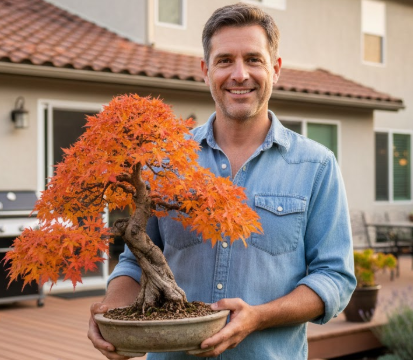
My name is Christopher Brown, I am 38 years old and I live in the United States. I am deeply passionate about the art of bonsai and have been cultivating trees for several years. What started as a simple curiosity turned into a daily practice and an important part of my life.
On this blog, I share my real experiences with bonsai — including what works, what doesn’t, and the lessons I learn along the way. I enjoy experimenting with techniques, observing the growth of each tree, and documenting the process with honesty and patience.
My goal with InfoWeHub is to help beginners feel more confident, avoid common mistakes, and discover the beauty of bonsai cultivation. If you are starting your journey or already love this art, you are welcome here.