
The Day I Almost Lost My Little Friend
I’ve been tending to bonsai trees for over thirty years now. You’d think after all that time, I’d have seen it all, made every possible mistake, and learned all the crucial lessons. And while I’ve certainly made my fair share of errors – like the time I accidentally pruned my prized Japanese maple down to a nub (it did recover, thankfully) – I’m continually reminded that nature always has a new curveball to throw. This particular story revolves around a ficus bonsai I’d had for about five years. A beautiful, resilient little thing, or so I thought. It all started with a renovation…
We decided to remodel our living room. New floors, fresh paint, the whole nine yards. As you can imagine, the house became a bit of a construction zone for a few weeks. Dust was everywhere, and things were constantly being moved around. My ficus, naturally, got caught up in the shuffle. To keep it out of harm’s way, I temporarily relocated it to a spare room. A room that, unfortunately, doesn’t get nearly as much sunlight as the living room.
I figured it would only be for a few days, maybe a week at most. I watered it as usual, gave it a little pep talk (yes, I talk to my bonsai), and thought nothing of it. The renovation, however, dragged on longer than expected. Days turned into weeks, and before I knew it, my ficus had been languishing in that dimly lit room for almost a month.
It wasn’t until I finally brought it back to its usual spot by the living room window that I realized the extent of the damage. The leaves were pale, almost yellow. Some were drooping, and others had already fallen off. My heart sank. I had neglected one of my most prized possessions.
Recognizing the Signs: A Wake-Up Call
Looking back, I should have recognized the signs sooner. Bonsai, like any plant, communicate their needs in subtle ways. The yellowing leaves were a clear indication of chlorosis, a condition often caused by insufficient light. The drooping was a sign of stress, likely due to the lack of energy the tree was able to produce through photosynthesis. I was so caught up in the chaos of the renovation that I simply didn’t pay close enough attention.
This experience served as a harsh reminder that even the most resilient bonsai require consistent care and attention. They’re not just decorative objects; they’re living, breathing organisms with specific needs. Neglecting those needs, even for a relatively short period, can have serious consequences. It made me think about how often we take things for granted in life, assuming that they’ll always be there, always be healthy, without us putting in the effort to maintain them.

The Rescue Mission: How I Revived My Ficus
Once I realized the severity of the situation, I knew I had to act fast. I couldn’t just sit back and watch my ficus wither away. I immediately started researching the best course of action for a light-deprived bonsai. I consulted my books, scoured online forums, and even called a few fellow bonsai enthusiasts for advice. What I learned was that recovery would be a slow and delicate process.
The first thing I did was move the ficus back to its original spot by the living room window. I wanted to ensure it was getting as much natural light as possible. However, I knew that abruptly exposing it to direct sunlight after a month of darkness could be harmful. The leaves were already weakened and susceptible to sunburn. So, I started by placing it in a spot where it would receive indirect light for a few hours each day, gradually increasing the exposure over the course of a week.
Next, I adjusted my watering schedule. Overwatering can be just as detrimental as underwatering, especially for a stressed plant. I made sure the soil was dry to the touch before watering again, and I used a well-draining bonsai soil mix to prevent root rot. I also added a diluted liquid fertilizer specifically formulated for bonsai trees to provide the ficus with the nutrients it desperately needed.
The Importance of Patience: A Lesson in Bonsai and Life
Perhaps the most important thing I learned during this experience was the importance of patience. Bonsai cultivation is not a sprint; it’s a marathon. It requires a long-term commitment, a willingness to learn, and the ability to adapt to changing circumstances. My ficus wasn’t going to recover overnight. It would take weeks, maybe even months, to fully regain its health and vitality. And there were times when I felt discouraged, when I wondered if I had done irreparable damage. But I persevered, because I knew that giving up wasn’t an option.
I kept a close eye on the ficus, monitoring its progress on a daily basis. I pruned away any dead or dying leaves, carefully shaping the tree as it began to recover. I talked to it, encouraged it, and even played classical music for it (I’m not sure if it helped, but it certainly didn’t hurt). Slowly but surely, the ficus began to respond. New leaves started to emerge, vibrant and green. The drooping subsided, and the tree began to regain its characteristic vigor.
This experience taught me a valuable lesson about resilience, both in bonsai and in life. Just like my ficus, we all face challenges and setbacks. We all experience periods of darkness and hardship. But with patience, perseverance, and a little bit of care, we can overcome these obstacles and emerge stronger than before. It’s a reminder that even when things seem bleak, there’s always hope for renewal and growth. Isn’t that something we all need to remember from time to time?
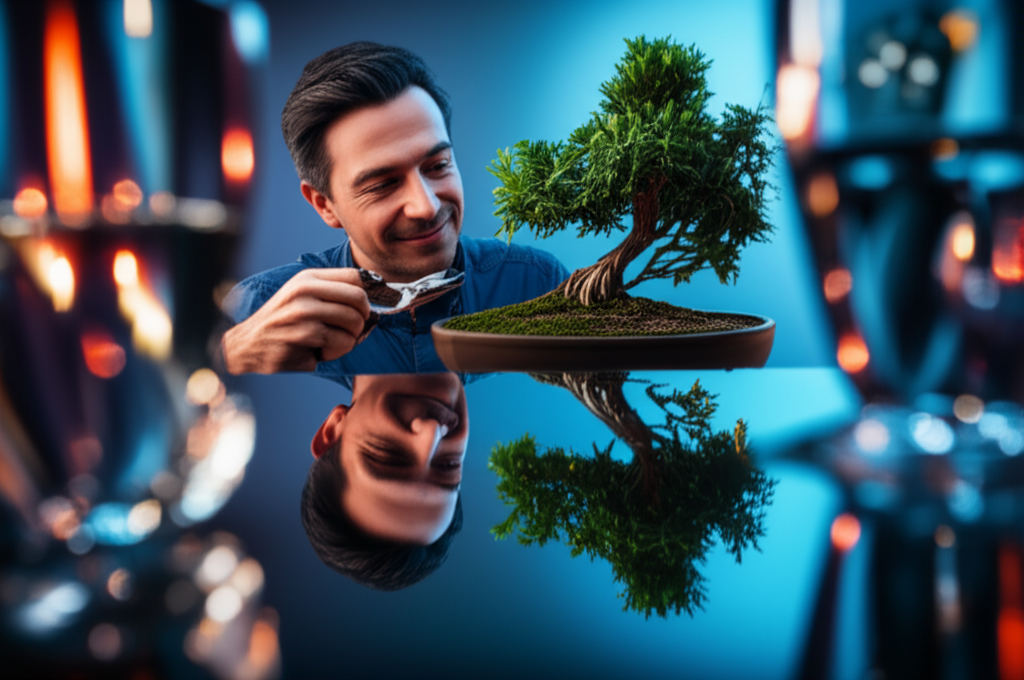
Beyond Sunlight: Other Factors to Consider
While the lack of sunlight was the primary cause of my ficus’s decline, it’s important to remember that other factors can also affect a bonsai’s health. Proper watering, fertilization, and pruning are all essential for maintaining a healthy and thriving bonsai. Let’s delve into these a bit more.
Watering Wisely: Finding the Right Balance
Watering is perhaps the most critical aspect of bonsai care. Overwatering can lead to root rot, while underwatering can cause dehydration and stress. The key is to find the right balance. I generally water my bonsai when the top inch of soil feels dry to the touch. I then water thoroughly, until water drains out of the bottom of the pot. This ensures that the entire root ball is adequately moistened. The frequency of watering will vary depending on the type of bonsai, the climate, and the time of year. During the hot summer months, I may need to water my bonsai every day, while in the cooler winter months, I may only need to water it once a week.
Fertilizing Faithfully: Nourishing Your Bonsai
Fertilizing is another important aspect of bonsai care. Bonsai, being confined to small pots, have limited access to nutrients. Regular fertilization helps to replenish these nutrients and promotes healthy growth. I use a balanced liquid fertilizer specifically formulated for bonsai trees. I typically fertilize my bonsai every two weeks during the growing season (spring and summer) and reduce the frequency during the dormant season (fall and winter).
Pruning Precisely: Shaping Your Bonsai
Pruning is essential for maintaining the shape and size of your bonsai. It also helps to promote new growth and improve air circulation. There are two main types of pruning: structural pruning and maintenance pruning. Structural pruning involves removing large branches to create the desired shape of the bonsai. This is typically done in the late winter or early spring. Maintenance pruning involves trimming new growth to maintain the shape of the bonsai and encourage ramification (the development of fine branching). This is typically done throughout the growing season.
Beyond these, pest control is another factor. Keep an eye out for pests. Early detection is key to preventing infestations from damaging your bonsai. Regularly inspect your bonsai for signs of pests such as aphids, spider mites, or scale. If you detect any pests, treat them promptly with an appropriate insecticide or miticide.

The Long-Term Impact: Lessons Learned and Practices Adopted
The experience with my light-deprived ficus had a profound impact on my approach to bonsai cultivation. It reinforced the importance of paying close attention to the needs of my trees and being proactive in addressing any potential problems. It also taught me the value of patience and perseverance, qualities that are essential for success in bonsai and in life.
Since then, I’ve made a few changes to my bonsai care routine. First, I’ve become more diligent about monitoring the amount of sunlight my bonsai receive. I regularly rotate them to ensure that all sides are exposed to equal amounts of light. I also use a light meter to measure the light intensity in different areas of my home, allowing me to optimize the placement of my bonsai.
Second, I’ve become more meticulous about watering and fertilizing. I keep a detailed log of when I water and fertilize each of my bonsai, which helps me to maintain a consistent schedule. I also use a moisture meter to check the moisture level of the soil before watering, preventing both overwatering and underwatering.
Sharing the Knowledge: Helping Others Avoid My Mistakes
Perhaps the most rewarding aspect of this experience has been the opportunity to share my knowledge with other bonsai enthusiasts. I’ve written articles, given presentations, and even hosted workshops on the importance of proper lighting for bonsai. I’ve also shared my story about my light-deprived ficus, hoping to help others avoid making the same mistake. The bonsai community is incredibly generous and supportive, and I believe that sharing our experiences and knowledge is essential for the continued growth and development of the art.
I’ve found that many beginners underestimate the importance of sunlight. They often assume that bonsai, being small and compact, can thrive in any location. However, as I learned the hard way, this is simply not the case. Bonsai, like any plant, require adequate sunlight to perform photosynthesis and produce the energy they need to grow and thrive. Without sufficient sunlight, they will inevitably weaken and decline.
So, what advice do I give to aspiring bonsai artists? Start with the basics. Learn about the specific needs of your chosen species. Pay attention to the signs. Be patient. And most importantly, don’t be afraid to make mistakes. Mistakes are inevitable, but they can also be valuable learning opportunities. As long as you’re willing to learn from your mistakes and adapt your approach, you’ll be well on your way to becoming a successful bonsai artist.
And remember, bonsai is not just about cultivating trees; it’s about cultivating patience, perseverance, and a deep appreciation for the beauty and resilience of nature. It’s a journey of self-discovery, a path to inner peace, and a way to connect with the world around us. It’s a hobby that has enriched my life beyond measure, and I hope it will do the same for you.

The Living Legacy: My Ficus Today
Today, my ficus is thriving. It’s a testament to the power of resilience and the importance of attentive care. Its leaves are a vibrant green, its branches are strong and healthy, and it continues to bring me joy every single day. The experience taught me a valuable lesson, not just about bonsai, but about life itself: that even in the face of adversity, there is always hope for renewal and growth. This little tree serves as a constant reminder to pay attention, to be patient, and to never give up, even when things seem bleak.
It stands as a symbol of perseverance. Each carefully shaped branch and meticulously pruned leaf tells a story of recovery, resilience, and the enduring power of nature. It’s more than just a plant; it’s a living legacy, a tangible representation of the lessons I’ve learned and the values I hold dear. And it all started with a simple mistake: leaving it in the dark for too long. But from that mistake came a deeper understanding, a stronger connection, and a renewed appreciation for the art of bonsai. And honestly, isn’t that how life works sometimes? We stumble, we fall, but we learn, we grow, and we emerge stronger than before.
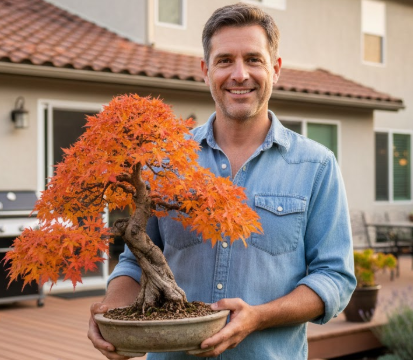
My name is Christopher Brown, I am 38 years old and I live in the United States. I am deeply passionate about the art of bonsai and have been cultivating trees for several years. What started as a simple curiosity turned into a daily practice and an important part of my life.
On this blog, I share my real experiences with bonsai — including what works, what doesn’t, and the lessons I learn along the way. I enjoy experimenting with techniques, observing the growth of each tree, and documenting the process with honesty and patience.
My goal with InfoWeHub is to help beginners feel more confident, avoid common mistakes, and discover the beauty of bonsai cultivation. If you are starting your journey or already love this art, you are welcome here.