
My Daily Bonsai Ritual: A Lifelong Journey
For over three decades, the art of bonsai has been more than just a hobby for me; it’s a daily meditation, a connection to nature, and a constant learning experience. It’s a practice that demands patience, observation, and a willingness to adapt. People often ask me, “Christopher, what do you *actually* do every day to keep your bonsai so healthy and thriving?” The answer, while seemingly simple, is layered with nuance and personal adaptation based on years of trial and error. It’s not a rigid checklist, but rather a fluid routine that evolves with the seasons and the individual needs of each tree.
The Morning Observation: A Quiet Start
My day begins not with a cup of coffee (though that follows soon after!), but with a quiet walk through my bonsai garden. This isn’t a rushed inspection; it’s a mindful observation. I take my time, moving slowly, paying close attention to each tree. I’m looking for subtle changes – a slight droop in the leaves, a new shoot emerging, the color of the soil. These are the silent signals that my bonsai are communicating.
What am I really looking for? Pests, for one. Early detection is key to preventing infestations from spiraling out of control. I carefully examine the undersides of leaves, checking for aphids, spider mites, or scale. I also look for signs of fungal diseases, like powdery mildew or leaf spot.
Beyond pests and diseases, I’m assessing the overall health of each tree. Is the foliage vibrant and healthy? Is the bark showing any signs of damage or disease? Is the soil moist, but not waterlogged? These observations inform my actions for the rest of the day.
I remember one morning, years ago, I almost missed a subtle discoloration on the bark of my prized juniper. Had I not taken the time for my morning observation, I wouldn’t have noticed it until it was too late. It turned out to be a minor fungal infection, but because I caught it early, I was able to treat it quickly and prevent any lasting damage. It was a powerful reminder that even seemingly insignificant details can hold vital clues to a bonsai’s health.
Watering: The Art of Balance
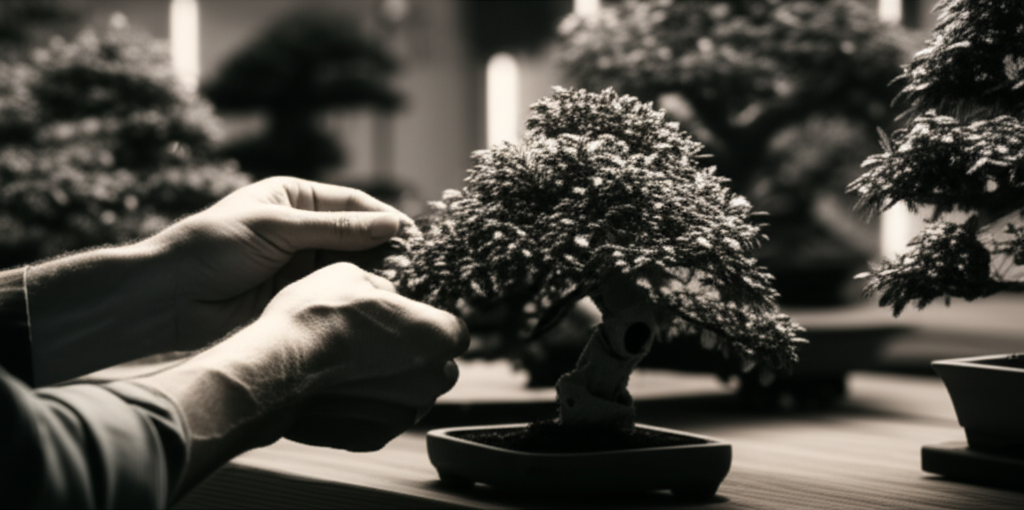
Watering is arguably the most critical aspect of bonsai care, and it’s something I pay close attention to every single day. There’s no one-size-fits-all approach; the frequency and amount of watering depend on several factors, including the species of tree, the size of the pot, the type of soil, the weather conditions, and even the time of year.
I never water on a schedule. Instead, I rely on the “feel” of the soil. I gently insert my finger into the soil to a depth of about an inch. If the soil feels dry to the touch, it’s time to water. If it feels moist, I wait. Overwatering is a far more common problem than underwatering, and it can lead to root rot, which can be fatal to a bonsai.
When I do water, I water thoroughly, until water drains freely from the drainage holes in the bottom of the pot. This ensures that the entire root ball is moistened. I use a watering can with a fine rose (the sprinkler head) to avoid blasting the soil and disturbing the roots.
I’ve learned the hard way about the importance of proper drainage. In my early years, I lost several bonsai to root rot because I was using a soil mix that retained too much water. It was a painful lesson, but it taught me the importance of using a well-draining soil mix that allows excess water to escape.
Fertilizing: Nourishing Growth
Bonsai, grown in small pots with limited soil, rely on regular fertilization to provide the nutrients they need to thrive. However, it’s crucial to fertilize properly, using the right type of fertilizer at the right time of year.
I use a balanced fertilizer specifically formulated for bonsai. I prefer organic fertilizers, as they release nutrients slowly and gently, reducing the risk of burning the roots. I typically fertilize during the growing season, from spring to fall, reducing the frequency and strength of the fertilizer as the weather cools down.
Over-fertilizing can be just as harmful as under-fertilizing. It can lead to excessive growth, which can disrupt the bonsai’s shape and balance. It can also burn the roots and damage the tree. I always err on the side of caution when it comes to fertilizing, and I carefully follow the instructions on the fertilizer label.
One year, I got a little overzealous with the fertilizer on my ficus bonsai. It responded with a burst of growth, but the new foliage was weak and pale. I quickly realized my mistake and flushed the soil with water to remove the excess fertilizer. The tree recovered, but it was a valuable reminder that more isn’t always better when it comes to fertilization.
Pruning and Shaping: The Art of Refinement
Pruning and shaping are essential for maintaining the desired form and size of a bonsai. It’s a continuous process that involves removing unwanted growth, directing energy to specific areas of the tree, and creating a sense of age and maturity.
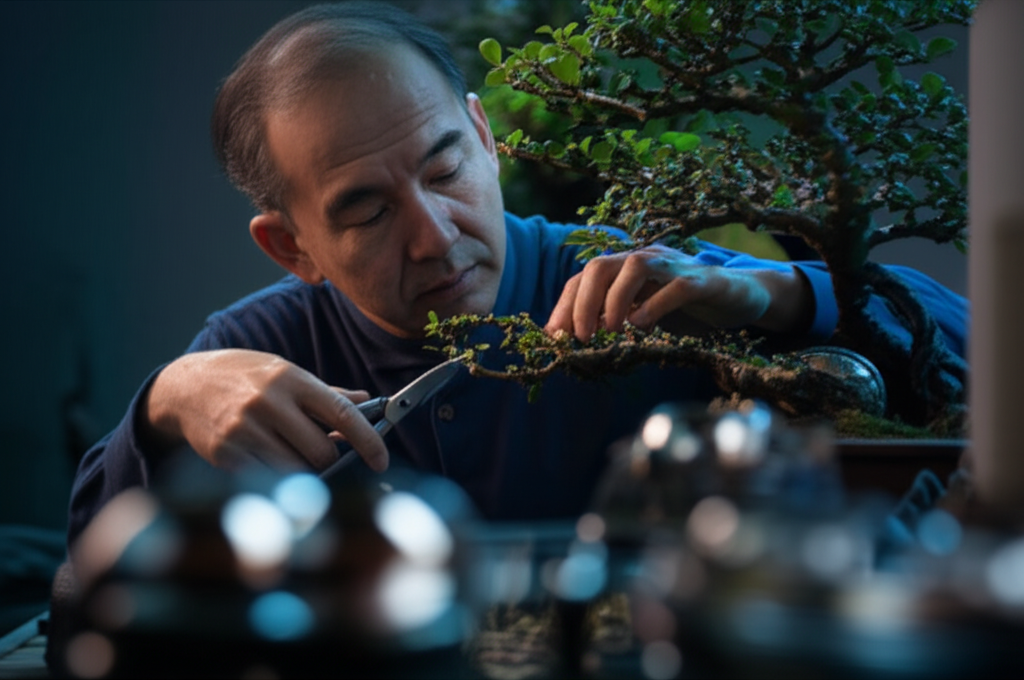
I prune my bonsai regularly throughout the growing season, removing new shoots that are growing in the wrong direction or that are disrupting the overall shape of the tree. I also prune away any dead or diseased branches.
Wiring is another important technique for shaping bonsai. By carefully wrapping branches with wire, I can gently bend them into the desired position. I use aluminum wire, as it’s easy to bend and won’t damage the bark. I regularly check the wires to make sure they’re not cutting into the bark, and I remove them as soon as the branches have set in their new position.
Pruning is not just about aesthetics; it’s also about the health of the tree. By removing unwanted growth, I’m improving air circulation and sunlight penetration, which helps to prevent diseases.
I remember when I first started out, I was afraid to prune too much. I thought I would damage the tree. But I soon learned that pruning is essential for creating a healthy and beautiful bonsai. It’s a skill that takes time and practice to develop, but it’s well worth the effort.
Pest and Disease Control: Prevention is Key
As I mentioned earlier, early detection is crucial when it comes to pests and diseases. I regularly inspect my bonsai for any signs of trouble, and I take action immediately if I find anything.
I prefer to use organic pest control methods whenever possible. Neem oil is a great all-purpose insecticide and fungicide that can be used to control a wide range of pests and diseases. Insecticidal soap is another effective option for controlling aphids, spider mites, and other soft-bodied insects.
For fungal diseases, I use copper-based fungicides. These are effective at controlling a variety of fungal pathogens, but they should be used with caution, as they can be harmful to beneficial insects.
Prevention is always the best approach when it comes to pest and disease control. By keeping my bonsai healthy and vigorous, I’m making them less susceptible to problems. Good air circulation and sunlight penetration are also important for preventing diseases.
One summer, I had a bad infestation of spider mites on my Japanese maple bonsai. I tried everything, but nothing seemed to work. Finally, I resorted to using a systemic insecticide. It was a last resort, but it saved the tree. It was a difficult decision, as I prefer to avoid using harsh chemicals, but in this case, it was necessary.
Soil Management: The Foundation of Health
The soil is the foundation of a healthy bonsai. It provides the roots with the nutrients, water, and air they need to thrive. Using the right soil mix is essential for ensuring the long-term health of a bonsai.
I use a well-draining soil mix that consists of akadama, kanuma, and pumice. Akadama is a type of fired clay that retains moisture and nutrients. Kanuma is a softer type of fired clay that provides good aeration. Pumice is a volcanic rock that provides excellent drainage.
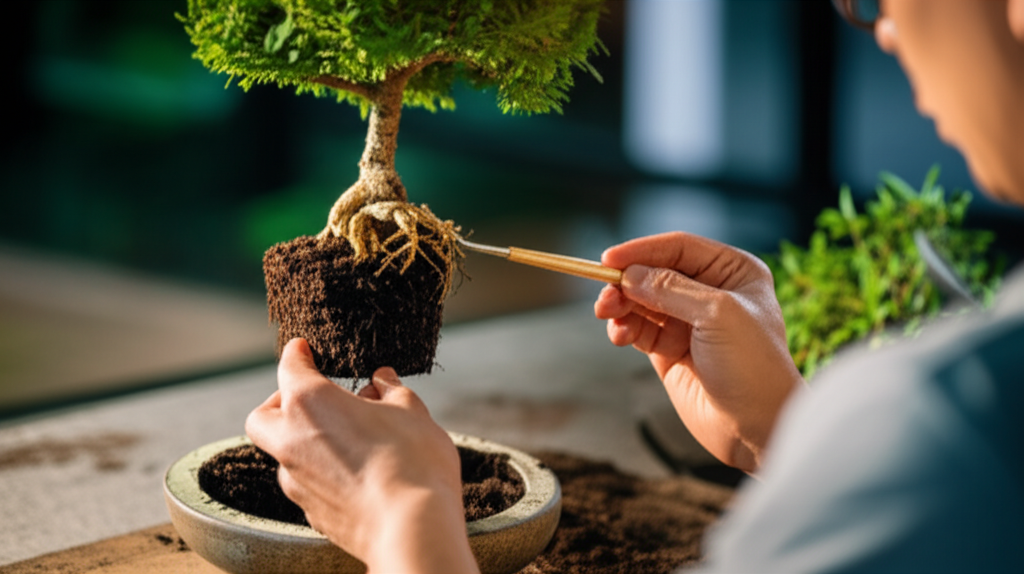
I repot my bonsai every one to three years, depending on the species of tree and the size of the pot. Repotting allows me to refresh the soil, trim the roots, and inspect the root system for any problems. It’s a stressful process for the tree, so I always do it during the dormant season, when the tree is less active.
I’ve experimented with different soil mixes over the years, and I’ve found that the akadama, kanuma, and pumice mix works best for me. It provides the right balance of moisture retention, aeration, and drainage.
Seasonal Adjustments: Adapting to the Rhythm of Nature
Bonsai care is not a static process; it changes with the seasons. As the weather changes, I adjust my watering, fertilizing, and pruning practices accordingly.
In the spring, I increase the frequency and strength of my fertilizing. I also begin pruning new growth to shape the trees. In the summer, I water more frequently, as the trees are actively growing. I also protect my bonsai from the intense heat of the sun.
In the fall, I reduce the frequency and strength of my fertilizing. I also begin preparing my bonsai for winter. In the winter, I protect my bonsai from freezing temperatures. I also water less frequently, as the trees are dormant.
Understanding the seasonal needs of each tree is crucial for ensuring its long-term health and well-being. It’s about working in harmony with nature, rather than trying to force the trees to grow in unnatural ways.
Record Keeping: Learning from the Past
I keep detailed records of my bonsai care practices. I note when I water, fertilize, prune, and repot each tree. I also note any problems that I encounter, such as pests or diseases.
These records are invaluable for tracking the health of my bonsai and for identifying any patterns or trends. They also help me to learn from my mistakes and to improve my bonsai care practices over time.
I use a simple notebook to keep my records. I find that it’s easier to keep track of things when I write them down by hand. I also take photos of my bonsai regularly to document their progress.
Looking back at my records, I can see how much I’ve learned over the years. I can also see how my bonsai have changed and evolved. It’s a rewarding experience to see the results of my hard work and dedication.
The Evening Reflection: A Moment of Gratitude
As the day draws to a close, I take a final walk through my bonsai garden. This is a time for reflection and gratitude. I admire the beauty of my bonsai and I appreciate the connection I have with nature.
I think about what I’ve learned throughout the day and I plan for the next day. I also take a moment to appreciate the peace and tranquility that my bonsai garden provides.
For me, bonsai is more than just a hobby; it’s a way of life. It’s a practice that brings me joy, fulfillment, and a deep sense of connection to the natural world. And it’s a journey that I’m grateful to be on. It teaches me patience, resilience, and the importance of paying attention to the small details.
One evening, as I was reflecting on my day, I realized that the lessons I’ve learned from bonsai have also helped me in other areas of my life. The patience, the attention to detail, and the ability to adapt – these are all skills that are valuable in any endeavor.
Beyond the Routine: The Unpredictable Nature of Life
While I strive to maintain a consistent daily routine, I also understand that life is unpredictable. There will be days when I’m unable to tend to my bonsai as thoroughly as I would like. There will be unexpected challenges and setbacks. The key is to be flexible, adaptable, and to not get discouraged.
Sometimes, despite my best efforts, a bonsai will get sick or even die. It’s a painful experience, but it’s also a reminder of the impermanence of life. I try to learn from these experiences and to use them to improve my bonsai care practices.
The beauty of bonsai lies not just in the final product, but in the journey itself. It’s about the daily connection with nature, the constant learning, and the quiet moments of reflection. It’s a practice that teaches me patience, resilience, and the importance of appreciating the small things in life. And as I continue on this journey, I know that I will continue to learn and grow, both as a bonsai artist and as a person. It’s a lifelong commitment, a daily practice, and a source of endless fascination. The beauty of bonsai is that it’s never truly “finished,” it’s always evolving, always changing, just like life itself.
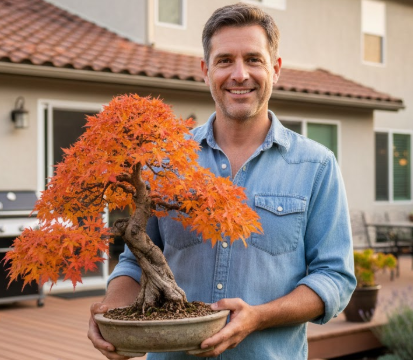
My name is Christopher Brown, I am 38 years old and I live in the United States. I am deeply passionate about the art of bonsai and have been cultivating trees for several years. What started as a simple curiosity turned into a daily practice and an important part of my life.
On this blog, I share my real experiences with bonsai — including what works, what doesn’t, and the lessons I learn along the way. I enjoy experimenting with techniques, observing the growth of each tree, and documenting the process with honesty and patience.
My goal with InfoWeHub is to help beginners feel more confident, avoid common mistakes, and discover the beauty of bonsai cultivation. If you are starting your journey or already love this art, you are welcome here.