
The Unfolding Story of My Bonsai Journey
For over thirty years, the art of bonsai has been more than just a hobby for me; it’s been a meditation, a teacher, and a constant source of wonder. It’s a relationship that has deepened with each passing season, each carefully pruned branch, and each patiently awaited bloom. I’ve witnessed tiny saplings transform into miniature representations of ancient trees, their gnarled trunks and delicate foliage telling silent stories of resilience and grace. My journey hasn’t been without its challenges, of course. There have been moments of frustration, setbacks, and even the occasional heartbreak of losing a tree despite my best efforts. But through it all, I’ve learned invaluable lessons about patience, observation, and the interconnectedness of all living things. And it all started with a rather impulsive purchase at a local garden center.
I remember it vividly: a small, unassuming juniper bonsai, its branches awkwardly wired, its soil dry and neglected. Something about its forlorn state resonated with me, and I felt an immediate urge to rescue it. Little did I know that this seemingly insignificant act would ignite a lifelong passion and shape my understanding of the natural world in profound ways. That initial juniper, affectionately nicknamed “Juniper One,” became my first teacher, guiding me through the basics of watering, pruning, and repotting. It wasn’t always pretty, and there were definitely some early mishaps (I may have been a bit overzealous with the pruning shears at one point), but with each mistake, I learned something new. Juniper One thrived under my care, and its growth mirrored my own, as I delved deeper into the art and science of bonsai.
Finding My Rhythm: The First Few Years
The first few years were a whirlwind of information gathering. I devoured books, attended workshops, and sought advice from experienced bonsai artists. I learned about the different styles of bonsai, the various techniques for shaping and training, and the importance of choosing the right species for my climate. I experimented with different soil mixes, fertilizers, and pest control methods, always striving to find what worked best for my trees. There was a lot of trial and error involved, and I definitely made my share of mistakes. I remember one particularly disastrous attempt at wiring a branch that resulted in it snapping clean off. It was a painful lesson, but it taught me the importance of gentleness and precision when working with bonsai. I also discovered the power of observation. Learning to truly “see” my trees, to understand their individual needs and responses to my care, became crucial to their well-being. It’s about noticing the subtle changes in leaf color, the rate of growth, and the overall health of the tree, and then adjusting my routine accordingly.
I started expanding my collection, adding species like Japanese maples, pines, and azaleas. Each species presented its own unique challenges and rewards, and I found myself constantly learning and adapting. The Japanese maples, with their vibrant fall foliage, required careful attention to watering and fertilization to prevent leaf scorch. The pines, with their strong growth habits, demanded regular pruning and needle plucking to maintain their shape. And the azaleas, with their delicate blooms, needed acidic soil and protection from harsh sunlight. Caring for these diverse trees taught me the importance of understanding the specific needs of each species and tailoring my routine accordingly. It wasn’t just about applying a one-size-fits-all approach; it was about developing a deep understanding of each tree’s individual requirements.

The Core of My Daily Routine
Over time, my bonsai care routine has evolved from a set of tasks to a mindful practice, a daily ritual that grounds me in the present moment. It begins early each morning, with a slow, deliberate walk through my bonsai garden. I take the time to observe each tree, noting any changes in its appearance or condition. Are the leaves vibrant and healthy? Is the soil moist but not waterlogged? Are there any signs of pests or disease? This daily observation is the cornerstone of my routine, allowing me to identify potential problems early and address them before they escalate. It’s like a doctor doing their rounds, but instead of patients, I have these silent, green companions.
Watering is, of course, essential. I don’t follow a rigid schedule but rather water based on the individual needs of each tree. I check the soil moisture by hand, feeling for dryness before applying water. I prefer to use rainwater whenever possible, as it’s free of the chemicals and minerals that can sometimes be found in tap water. When I do use tap water, I let it sit for 24 hours to allow the chlorine to dissipate. The key is to water thoroughly, ensuring that the entire root ball is saturated, but also to avoid overwatering, which can lead to root rot. This balance is critical, and it requires a keen understanding of the tree’s specific needs and the environmental conditions.
Feeding and Soil Management
Fertilizing is another important aspect of my routine. I use a balanced organic fertilizer, applying it regularly during the growing season. I avoid over-fertilizing, as this can lead to excessive growth and leggy branches. I also pay close attention to the soil composition, ensuring that it’s well-draining and provides adequate aeration for the roots. I repot my trees every few years, replacing the old soil with a fresh mix that’s tailored to the specific needs of each species. Repotting is a delicate process, and it’s important to be gentle when handling the roots. I carefully tease apart the root ball, removing any dead or decaying roots before repotting the tree in a slightly larger container. This process revitalizes the tree, providing it with fresh nutrients and space to grow.
Pest control is an ongoing concern, and I take a proactive approach to prevent infestations. I regularly inspect my trees for signs of pests, such as aphids, spider mites, and scale. If I find any pests, I treat them immediately with organic insecticides or horticultural oils. I also practice good sanitation, removing any dead leaves or debris from the soil surface to prevent the spread of disease. Prevention is always better than cure, and a little bit of vigilance can go a long way in keeping my trees healthy and pest-free.
Pruning and Shaping: The Heart of the Art
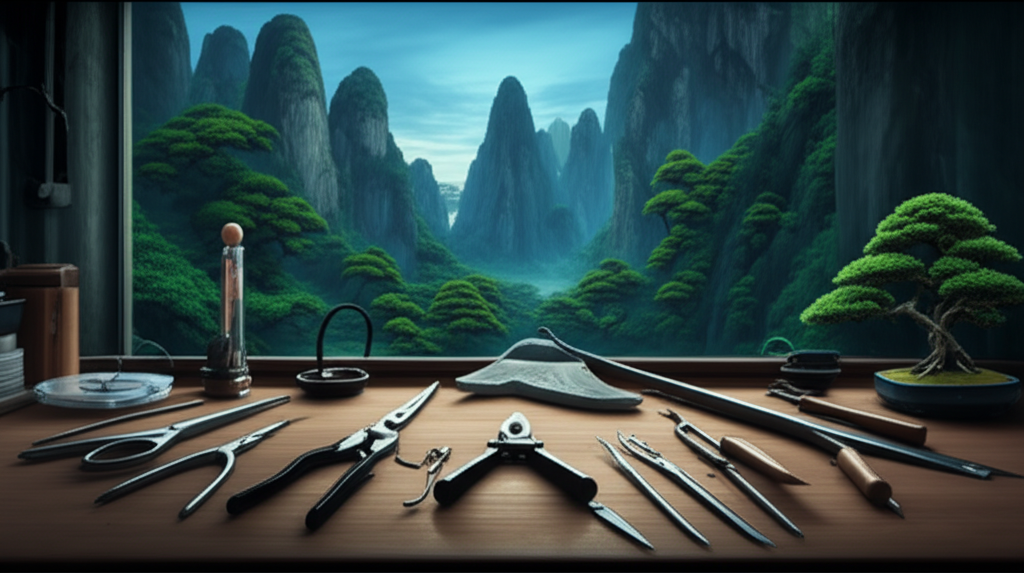
But perhaps the most rewarding aspect of my daily routine is pruning and shaping. This is where the artistry of bonsai truly comes to life. With each snip of the pruning shears, I’m not just removing unwanted growth; I’m shaping the tree’s destiny, guiding it towards its full potential. I carefully consider the overall design of the tree, paying attention to the balance of branches, the flow of lines, and the negative space. I use a variety of techniques, including branch selection, pinching, and wiring, to achieve the desired effect. Pruning is not just about aesthetics; it’s also about promoting the health and vigor of the tree. By removing dead or diseased branches, I’m encouraging new growth and improving air circulation. It’s a dance between control and freedom, a conversation between artist and nature.
Lessons Learned: Mistakes and Breakthroughs
As I mentioned earlier, my bonsai journey has been punctuated by both successes and failures. One of my most memorable mistakes involved a prized Japanese maple that I had been cultivating for over a decade. I had meticulously shaped and trained it, and it had become one of the centerpieces of my collection. One summer, I went on a two-week vacation, entrusting its care to a well-meaning but inexperienced friend. When I returned, I was horrified to find that the maple had been severely overwatered, and its roots were rotting. Despite my best efforts, I couldn’t save it, and it eventually succumbed to the damage. It was a devastating loss, but it taught me a valuable lesson about the importance of clear communication and the need to entrust my trees only to those who truly understood their needs. It also reinforced the importance of proper drainage and the dangers of overwatering, especially during periods of inactivity.
On the other hand, one of my greatest breakthroughs came when I finally mastered the art of grafting. Grafting is a technique that involves joining two different plants together, allowing them to grow as one. I had always been intimidated by the process, but after years of practice and experimentation, I finally achieved consistent success. Grafting allowed me to combine the best qualities of different trees, creating unique and beautiful bonsai that would have been impossible to achieve otherwise. I was able to graft desirable branches onto stronger rootstocks, improving the overall health and vigor of my trees. It opened up a whole new world of possibilities, and I began to experiment with different combinations of species, creating bonsai that were truly one-of-a-kind.
The Importance of Patience
Perhaps the most important lesson I’ve learned throughout my bonsai journey is the importance of patience. Bonsai is not a quick or easy art form. It requires years, even decades, of dedicated care and attention to see a tree reach its full potential. There are no shortcuts, and there is no substitute for time. I’ve learned to embrace the slow, deliberate pace of nature, to appreciate the subtle changes that occur over time, and to find joy in the process itself. It’s a reminder that true beauty takes time to cultivate, and that the most rewarding things in life are often those that require the greatest effort.
It’s easy to get caught up in the desire for instant gratification, especially in today’s fast-paced world. But bonsai teaches you to slow down, to appreciate the present moment, and to find contentment in the simple act of caring for a living thing. It’s a lesson that has extended far beyond my bonsai garden, influencing my approach to all aspects of my life. I’ve learned to be more patient with myself, with others, and with the world around me. I’ve learned to accept that things don’t always happen according to my plans, and that sometimes the greatest rewards come from embracing the unexpected detours along the way.

Beyond the Routine: Connecting with Nature
My bonsai care routine is not just about the trees themselves; it’s also about connecting with nature on a deeper level. When I’m working in my bonsai garden, I’m immersed in the sights, sounds, and smells of the natural world. I feel the sun on my skin, the wind in my hair, and the earth beneath my feet. I listen to the birds singing, the bees buzzing, and the gentle rustling of the leaves. It’s a sensory experience that nourishes my soul and reminds me of my place in the larger web of life. In a world that often feels disconnected and artificial, bonsai provides me with a tangible link to the natural world, a reminder of the beauty and wonder that exists all around us.
It’s also a reminder of the cyclical nature of life, the constant ebb and flow of growth and decay. I witness this cycle every day in my bonsai garden, as leaves emerge in the spring, mature in the summer, and fall in the autumn. I see new shoots emerging from bare branches, old bark peeling away to reveal fresh wood, and seeds sprouting into new life. This constant cycle is a reminder that everything is in a state of flux, that change is inevitable, and that even in death, there is the promise of renewal. It’s a comforting thought, especially during times of uncertainty and challenge.
Sharing the Passion: Inspiring Others
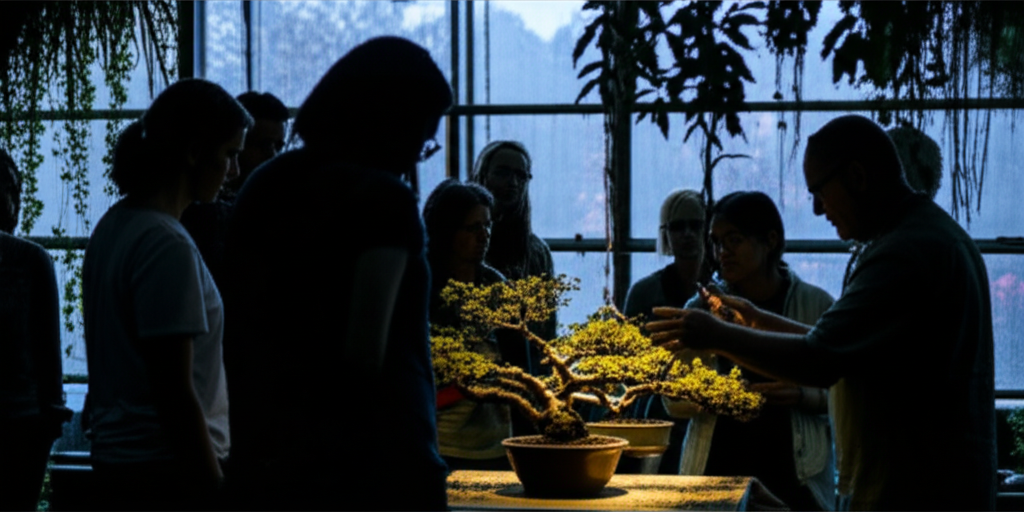
Over the years, I’ve had the opportunity to share my passion for bonsai with others, teaching workshops, giving demonstrations, and mentoring aspiring artists. It’s been incredibly rewarding to see the joy and wonder that bonsai can bring to people’s lives. I’ve witnessed firsthand the transformative power of this art form, as people discover a new sense of creativity, patience, and connection with nature. I believe that bonsai has the potential to enrich lives in countless ways, and I’m committed to sharing its benefits with as many people as possible.
It’s not just about teaching the technical skills of bonsai; it’s also about fostering a deeper appreciation for the natural world and inspiring a sense of stewardship for the environment. I encourage my students to observe nature closely, to learn about the specific needs of different species, and to practice sustainable gardening techniques. I believe that bonsai can be a powerful tool for promoting environmental awareness and encouraging people to live in harmony with nature. It’s a way to connect with the past, appreciate the present, and cultivate a more sustainable future.
The Ongoing Evolution of My Bonsai
Even after three decades, my bonsai journey is far from over. I’m constantly learning, experimenting, and refining my techniques. I’m always seeking new challenges, exploring different styles, and pushing the boundaries of what’s possible. I believe that bonsai is an art form that is constantly evolving, and I’m excited to be a part of that evolution. I see my bonsai not as static objects, but as living, breathing works of art that are constantly changing and growing. Each tree has its own unique personality, and I strive to bring out the best in each one, shaping it into a miniature masterpiece that reflects its individual character.
My bonsai collection has become a living testament to my dedication, patience, and love for the art. Each tree tells a story, a story of growth, resilience, and the enduring power of nature. As I continue on this journey, I’m filled with a sense of gratitude for the lessons I’ve learned, the beauty I’ve witnessed, and the connections I’ve made. Bonsai has enriched my life in countless ways, and I’m excited to see what the future holds. And who knows, maybe one day, one of my trees will even win an award. But even if they don’t, the joy of creating and caring for these miniature masterpieces will be reward enough. The real prize is the journey itself, the constant learning, the quiet contemplation, and the deep connection with the natural world. That’s the essence of bonsai, and that’s what keeps me coming back, day after day, year after year.
The daily care routine has become more than just a set of tasks; it’s a dialogue, a conversation between me and the trees. It’s a way to listen to their needs, to understand their responses, and to guide them towards their full potential. And in that process, I’ve discovered a deeper understanding of myself, a greater appreciation for the beauty of nature, and a profound sense of peace and contentment.
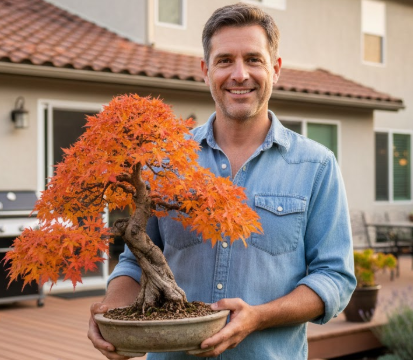
My name is Christopher Brown, I am 38 years old and I live in the United States. I am deeply passionate about the art of bonsai and have been cultivating trees for several years. What started as a simple curiosity turned into a daily practice and an important part of my life.
On this blog, I share my real experiences with bonsai — including what works, what doesn’t, and the lessons I learn along the way. I enjoy experimenting with techniques, observing the growth of each tree, and documenting the process with honesty and patience.
My goal with InfoWeHub is to help beginners feel more confident, avoid common mistakes, and discover the beauty of bonsai cultivation. If you are starting your journey or already love this art, you are welcome here.