
The Bonsai Myth That Almost Made Me Quit
I’ll admit it. There was a time, early in my bonsai journey, when I almost threw in the towel. Years ago, fueled by passion but lacking real knowledge, I stumbled into the most pervasive bonsai myth out there, and it nearly crushed my spirit. It’s a myth so deeply ingrained in popular culture, so seemingly logical, that even experienced gardeners sometimes fall for it. What is it? The idea that bonsai is about stunting a tree’s growth.
For the longest time, I thought that to create a beautiful, miniature tree, I needed to somehow force it to stay small, to deprive it of nutrients, to keep it root-bound in a tiny pot, and to generally make its life miserable. The common logic? Stress a plant enough, and it will never reach its full potential. It’s a twisted way to think about something so beautiful, isn’t it?
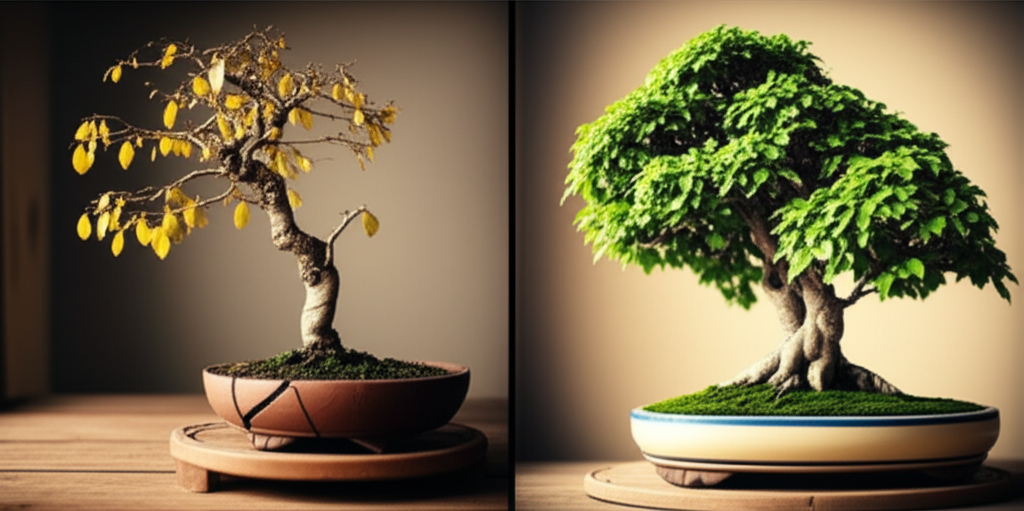
I remember starting with a promising little Japanese maple seedling. I crammed it into a pot that was way too small, barely watered it, and even considered using some kind of growth-inhibiting chemicals I found online (thankfully, I never did). The result? A sickly, unhappy tree that looked nothing like the majestic maples I admired in bonsai books. It limped along for a few months, its leaves yellowing and stunted, before finally giving up the ghost. I was devastated and, frankly, pretty confused. Was I just bad at this? Was bonsai only for those with some kind of magical green thumb?
The Misconception of “Stunting”
The core of this myth lies in the misunderstanding of what bonsai actually is. It’s not about torture; it’s about artistry, patience, and a deep understanding of how trees grow. It’s about creating a miniature representation of nature, a living sculpture that evokes the feeling of a full-sized tree in a vast landscape. Stunting, on the other hand, is about creating a miserable, unhealthy plant that barely clings to life. There’s a world of difference.
The truth is, healthy bonsai trees are not stunted. They are carefully cultivated, meticulously pruned, and provided with everything they need to thrive. The small size is achieved through a combination of techniques, none of which involve deliberately harming the tree. We control the size and shape through selective pruning of branches and roots, careful wiring to guide growth, and the use of appropriately sized containers to manage root development, not to starve it.
Think of it like this: a sculptor doesn’t “stunt” a block of marble to create a statue. They carefully remove material, shape it, and polish it to reveal the form within. Similarly, a bonsai artist doesn’t stunt a tree; they carefully guide its growth, prune it to maintain its shape, and provide the optimal conditions for it to flourish in miniature.
Discovering the Truth: A Turning Point
My turning point came when I stumbled upon a local bonsai club. I was hesitant at first, still feeling defeated by my earlier failure. But I figured I had nothing to lose. What I found was a group of passionate, knowledgeable individuals who were eager to share their expertise. They patiently explained the principles of bonsai, emphasizing the importance of healthy growth, proper pruning, and careful attention to the tree’s needs.
One of the club elders, a man named Mr. Tanaka, took me under his wing. He showed me his own collection of stunning bonsai trees, each one a testament to years of dedication and skill. He explained that the key to successful bonsai is to work with the tree, not against it. To understand its natural growth patterns, its needs for water, light, and nutrients, and to use those insights to guide its development in a miniature form.
He told me stories of trees he had been working on for decades, trees that had survived harsh winters, droughts, and even the occasional clumsy pruning mistake. He emphasized the resilience of trees, their ability to adapt and thrive even in challenging conditions, as long as they are given the proper care. He taught me that bonsai is not just about creating a beautiful object; it’s about fostering a relationship with a living being, a partnership based on respect and understanding.
The Importance of Proper Care
Mr. Tanaka stressed the importance of providing the tree with adequate sunlight, water, and nutrients. He showed me how to choose the right soil mix, how to fertilize properly, and how to protect the tree from pests and diseases. He also emphasized the importance of regular repotting, not to restrict the roots, but to refresh the soil and provide the roots with room to grow. He taught me that a healthy root system is the foundation of a healthy tree, and that restricting root growth too much will eventually lead to the tree’s demise. He even taught me how to read the signs of stress in a tree – the subtle changes in leaf color, the drooping branches, the stunted growth – so I could identify problems early on and take corrective action.
He also debunked my notion that bonsai soil was just regular dirt. He explained the importance of well-draining soil mixes, often consisting of akadama, pumice, and lava rock, to provide aeration and prevent root rot. He emphasized that bonsai trees, despite their small size, need just as much, if not more, care than trees growing in the ground. The restricted root system makes them more vulnerable to environmental stresses, so it’s crucial to pay close attention to their needs.
Putting Knowledge into Practice: My Redemption
Armed with this newfound knowledge, I decided to try again. I started with a new Japanese maple seedling, but this time, I approached it with a completely different mindset. I chose a slightly larger pot, used a well-draining soil mix, and made sure to water it regularly. I also started fertilizing it with a balanced fertilizer, following Mr. Tanaka’s recommendations.
Instead of trying to force the tree to stay small, I focused on encouraging healthy growth. I pruned it regularly, but only to shape it and encourage branching, not to stunt its growth. I wired the branches carefully, guiding them into the desired position, but making sure not to constrict them too tightly. I observed the tree closely, paying attention to its needs, and adjusting my care accordingly.
The difference was remarkable. The new seedling thrived. It grew vigorously, its leaves a vibrant green. It developed a strong, healthy trunk and a well-balanced branching structure. Over time, I was able to shape it into a beautiful bonsai tree, a miniature representation of the majestic maples I admired in nature. It wasn’t easy. There were setbacks, mistakes, and moments of frustration. But I learned from each experience, and I gradually developed the skills and knowledge necessary to create and maintain beautiful bonsai trees.
The Art of Pruning: Shaping, Not Stunting
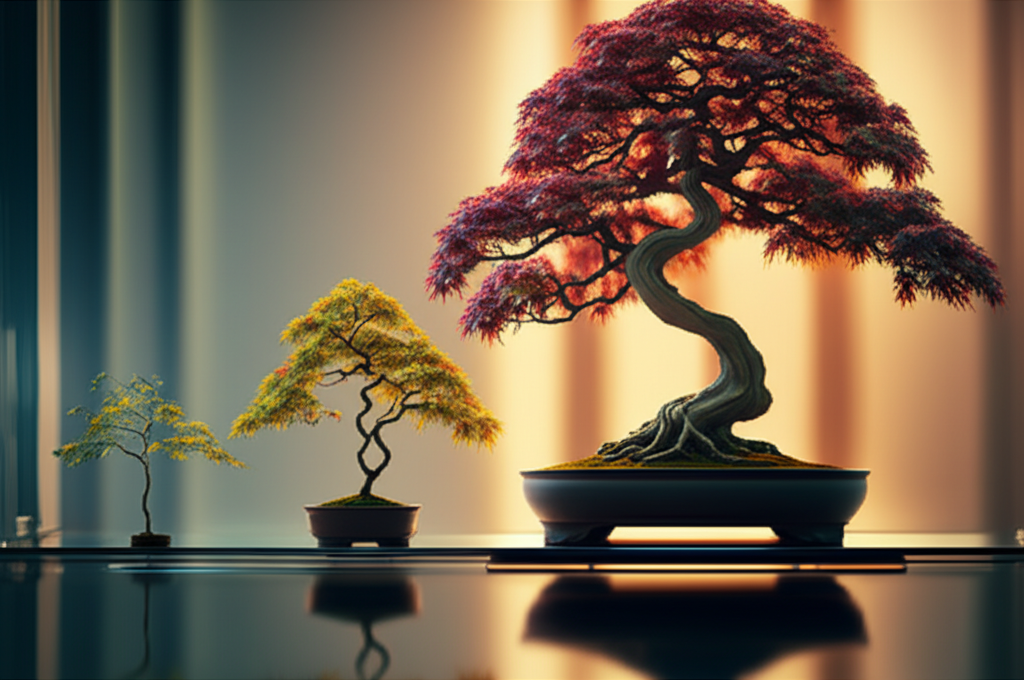
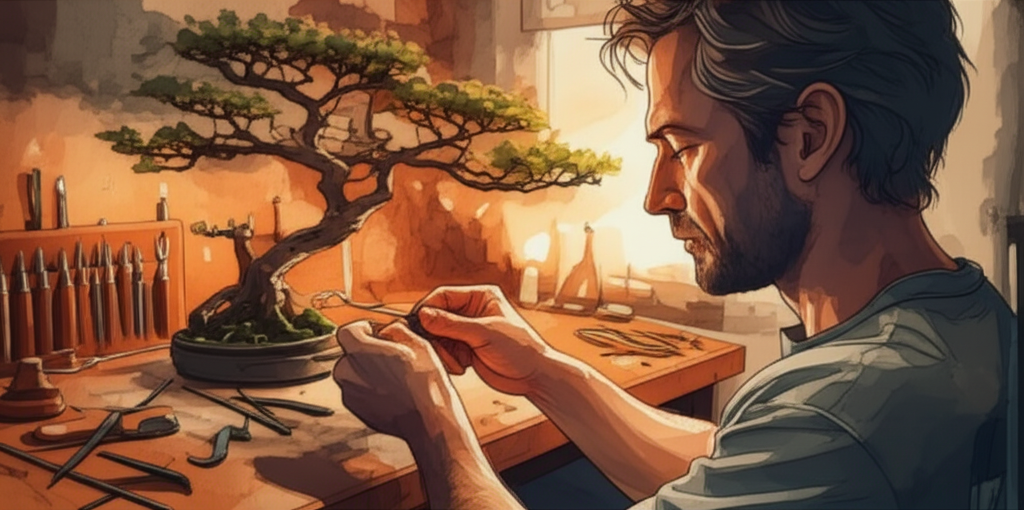
Pruning is perhaps the most crucial technique in bonsai, and it’s often misunderstood. It’s not about hacking away at the tree indiscriminately; it’s about selectively removing branches to shape the tree, encourage branching, and maintain its overall health. Knowing where to prune and when is an art form in itself. Understanding apical dominance, the phenomenon where the terminal bud suppresses the growth of lateral buds, is crucial for encouraging ramification, the development of fine branching that gives bonsai its characteristic appearance.
There are different types of pruning: structural pruning, which involves removing large branches to establish the basic shape of the tree; maintenance pruning, which involves removing unwanted growth to maintain the shape and encourage branching; and root pruning, which is done during repotting to control root growth and maintain the health of the root system. Each type of pruning requires a different approach and a different set of tools.
I remember one instance where I got a little too enthusiastic with my pruning shears and removed a major branch that I later regretted. It took years for the tree to recover from that mistake, and it taught me a valuable lesson about patience and restraint. Now, I always take my time when pruning, carefully considering each cut before I make it. I often step back and observe the tree from different angles, visualizing the final result before I even pick up my shears.
Beyond the Basics: The Philosophy of Bonsai
As I delved deeper into the world of bonsai, I began to appreciate that it’s more than just a horticultural technique; it’s a philosophy, a way of connecting with nature, and a path to self-discovery. The practice of bonsai requires patience, discipline, and a deep respect for the natural world. It teaches us to observe, to adapt, and to appreciate the beauty of imperfection.
Bonsai is often described as a living art form, and I believe that’s an accurate description. Each tree is a unique creation, shaped by the artist’s vision and the tree’s own inherent characteristics. The process of creating a bonsai tree is a collaboration between the artist and nature, a dance between control and surrender. The journey of creating a bonsai can be a metaphor for life itself.
Just as a bonsai tree requires constant care and attention, so too does our own well-being. We need to nurture our minds, bodies, and spirits to thrive. Just as a bonsai tree is shaped by its environment, so too are we shaped by our experiences. The lessons we learn from the practice of bonsai can be applied to all aspects of our lives.
The Importance of Patience
Patience is perhaps the most important virtue for any bonsai enthusiast. It takes years, even decades, to develop a truly stunning bonsai tree. There are no shortcuts, no quick fixes. It requires a long-term commitment, a willingness to invest time and energy into the process. In our fast-paced world, where instant gratification is often the norm, the practice of bonsai can be a valuable reminder of the importance of patience. It teaches us to appreciate the slow, steady growth of nature, and to find satisfaction in the journey, not just the destination.
I’ve had trees that have taken me over 20 years to develop to the point where I felt they were truly finished. And even then, I continued to refine them, to tweak them, to strive for perfection. Bonsai is a never-ending process, a constant learning experience. There’s always something new to discover, a new technique to master, a new perspective to explore. The reward for that commitment, I’ve found, is immeasurable.
Sharing the Passion: Inspiring Others
Now, years later, I find myself in the same role that Mr. Tanaka played for me, mentoring new bonsai enthusiasts and sharing my knowledge and experience. I love seeing the spark of excitement in their eyes when they first discover the art of bonsai. I enjoy helping them overcome their challenges, sharing my successes and failures, and guiding them on their own bonsai journeys.
I often tell them about my early mistakes, about how I fell for the myth of stunting, and how it almost made me quit. I tell them that it’s okay to make mistakes, that mistakes are part of the learning process. The important thing is to learn from those mistakes and to keep moving forward. I encourage them to join a local bonsai club, to connect with other enthusiasts, and to share their passion with the world.
There’s a special satisfaction in seeing a student’s tree flourish, in knowing that you played a part in their success. It’s a reminder that the art of bonsai is not just about creating beautiful trees; it’s about building community, fostering connection, and sharing the beauty of nature with others.
The bonsai community is a unique and supportive group of people. People from all walks of life, from all corners of the globe, united by a shared love for trees and a passion for the art of bonsai. The opportunity to connect with these individuals, to learn from them, and to share my own experiences has enriched my life in countless ways.

The Legacy of a Tree
Ultimately, the legacy of a bonsai tree extends far beyond its physical form. It’s a legacy of patience, dedication, and a deep respect for the natural world. It’s a legacy of connection, community, and the sharing of knowledge and passion. It’s a legacy that can be passed down through generations, inspiring others to discover the beauty of bonsai and to connect with nature in a meaningful way.
So, the next time you see a beautiful bonsai tree, remember that it’s not just a stunted plant. It’s a testament to the artistry and dedication of the person who created it. It’s a symbol of patience, resilience, and the beauty that can be found in the most unexpected places. And perhaps, most importantly, it’s a reminder that we are all connected to nature, and that by nurturing the world around us, we can also nurture ourselves.
And as for that bonsai myth? Let’s bury it once and for all. Bonsai isn’t about stunting; it’s about celebrating the life and beauty of trees, and sharing that joy with the world.
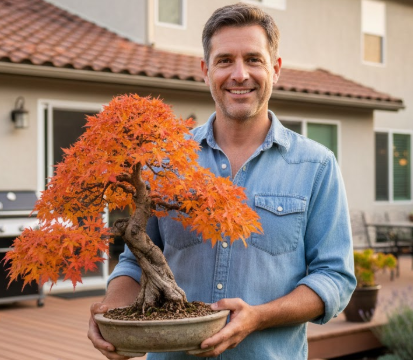
My name is Christopher Brown, I am 38 years old and I live in the United States. I am deeply passionate about the art of bonsai and have been cultivating trees for several years. What started as a simple curiosity turned into a daily practice and an important part of my life.
On this blog, I share my real experiences with bonsai — including what works, what doesn’t, and the lessons I learn along the way. I enjoy experimenting with techniques, observing the growth of each tree, and documenting the process with honesty and patience.
My goal with InfoWeHub is to help beginners feel more confident, avoid common mistakes, and discover the beauty of bonsai cultivation. If you are starting your journey or already love this art, you are welcome here.