
The Silent Killer of Young Bonsai: Over-Fertilizing
After decades of nurturing these miniature trees, I’ve witnessed firsthand the delicate balance required to help them thrive. One of the most common, and often heartbreaking, mistakes I see beginners make—and one I certainly made myself in my early years—is over-fertilizing. It seems counterintuitive, doesn’t it? You want to give your precious bonsai the best possible start, so you load it up with nutrients. But trust me, in the bonsai world, less is almost always more, especially when dealing with young, developing trees.
Think of it like this: a young bonsai is like a baby. You wouldn’t feed a newborn a steak, would you? Their systems are too delicate to handle such a heavy load. The same applies to young bonsai. Their root systems are still developing, and they’re much more susceptible to fertilizer burn and other related problems than established trees.
Why is Over-Fertilizing So Damaging?
The problem lies in the concentration of salts within the fertilizer. When you apply too much fertilizer, you’re essentially creating a highly concentrated saline solution around the roots. This draws water out of the roots through a process called osmosis, effectively dehydrating the tree even if the soil is moist. It’s a bit like being stranded in the ocean; you’re surrounded by water, but you can’t drink it.
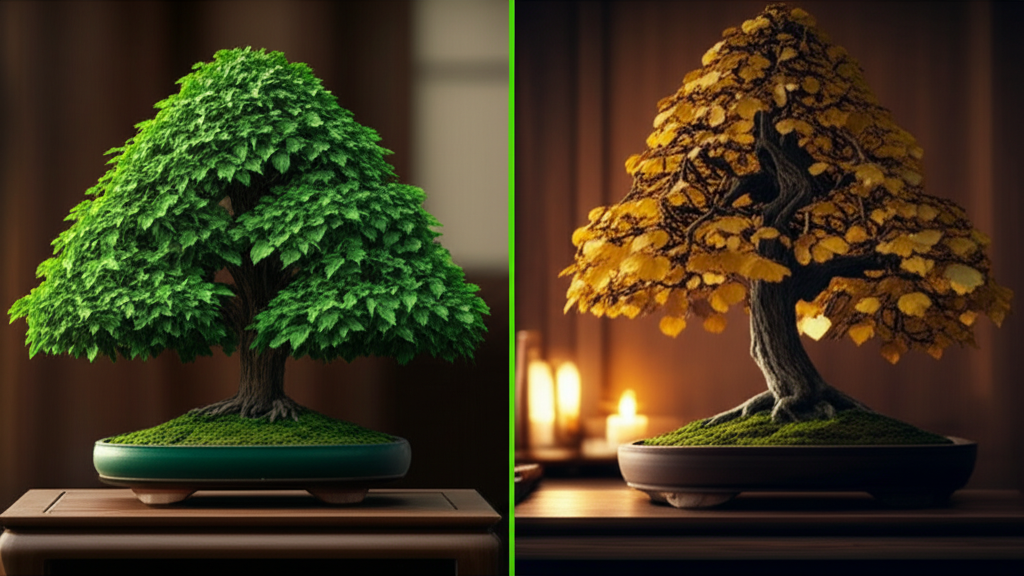
I remember one particularly devastating experience I had with a young Japanese maple. I was so eager to see it grow quickly that I doubled the recommended dose of fertilizer. Within a few weeks, the leaves started to turn brown and crispy around the edges. I initially thought it was a watering issue, so I watered even more! Of course, that only made things worse. By the time I realized what was happening, the damage was irreversible, and I lost the tree. It was a painful lesson, but one I’ve never forgotten.
Recognizing the Signs of Over-Fertilization
Catching over-fertilization early is crucial to saving your bonsai. Here are some telltale signs to watch out for:
* **Leaf Burn:** This is perhaps the most common and obvious symptom. The tips and edges of the leaves will start to turn brown and crispy.
* **Yellowing Leaves (Chlorosis):** While yellowing can indicate other issues, such as nutrient deficiencies, it can also be a sign of over-fertilization, especially when accompanied by leaf burn.
* **White Crust on Soil:** A white, salty crust forming on the surface of the soil is a clear indication that there’s an excess of fertilizer salts present.
* **Stunted Growth:** Instead of promoting growth, over-fertilization can actually inhibit it. You might notice that your bonsai isn’t putting out new growth, or that the new growth is weak and spindly.
* **Root Rot:** In severe cases, over-fertilization can damage the roots, making them susceptible to rot. This is often indicated by a foul smell coming from the soil.
If you notice any of these signs, don’t panic! There are steps you can take to correct the problem. The key is to act quickly.
The Right Way to Fertilize Young Bonsai
So, how do you fertilize young bonsai without risking over-fertilization? Here’s what I’ve learned over the years:
1. Choose the Right Fertilizer
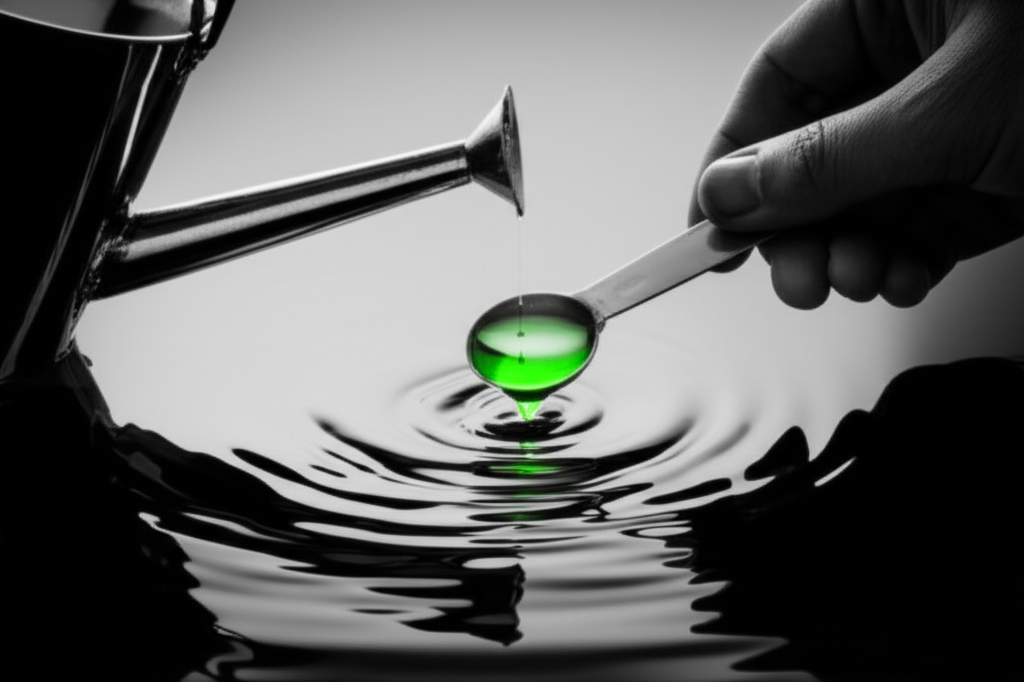
Not all fertilizers are created equal. For young bonsai, you want to use a balanced fertilizer that’s specifically formulated for bonsai or delicate plants. Avoid using general-purpose fertilizers that are high in nitrogen, as these can be too harsh for young trees. I prefer using liquid fertilizers diluted to half or even a quarter of the recommended strength. This gives me more control over the amount of nutrients the tree is receiving.
Another option is to use organic fertilizers, such as fish emulsion or seaweed extract. These are generally gentler than synthetic fertilizers and release nutrients slowly, reducing the risk of over-fertilization. However, it’s still important to use them sparingly.
2. Dilute, Dilute, Dilute!
I can’t stress this enough: always dilute your fertilizer. Even if you’re using a fertilizer specifically designed for bonsai, it’s still a good idea to dilute it to at least half strength. For young bonsai, I often dilute it even further, to a quarter or even an eighth of the recommended strength. It’s better to err on the side of caution than to risk burning your tree.
Think of it like adding salt to a dish. You can always add more, but you can’t take it away. It’s the same with fertilizer. Start with a very weak solution and gradually increase the strength as needed. You can always give your tree another feeding if it needs it, but you can’t undo the damage of over-fertilization.
3. Fertilize Sparingly
Young bonsai don’t need to be fertilized as frequently as established trees. During the growing season (spring and summer), I typically fertilize my young bonsai every two to four weeks. However, I always pay close attention to the tree’s condition and adjust the frequency accordingly. If the tree is showing signs of stress or isn’t actively growing, I’ll hold off on fertilizing until it recovers.
Avoid fertilizing during the dormant season (fall and winter), as the tree isn’t actively growing and won’t be able to use the nutrients. Fertilizing during dormancy can actually be harmful, as it can disrupt the tree’s natural cycle.
4. Water Before Fertilizing
Always water your bonsai thoroughly before fertilizing. This helps to prevent fertilizer burn by diluting the fertilizer and distributing it evenly throughout the soil. It also helps to protect the roots by creating a buffer between them and the concentrated fertilizer solution.
I like to water my bonsai in the morning, so the soil has time to drain before I fertilize in the afternoon. This also gives the tree time to absorb the water and prepare for the influx of nutrients.
5. Observe and Adjust
The most important thing you can do is to observe your bonsai closely and adjust your fertilizing routine accordingly. Every tree is different, and what works for one may not work for another. Pay attention to the tree’s growth rate, leaf color, and overall health. If you notice any signs of stress or nutrient deficiency, adjust your fertilizing routine accordingly.
Don’t be afraid to experiment and try different fertilizers or fertilizing schedules. Just be sure to make small changes and observe the tree’s response before making any drastic adjustments. Remember, patience is key in the bonsai world.
What to Do If You’ve Over-Fertilized
Okay, so you’ve made a mistake and over-fertilized your young bonsai. Don’t beat yourself up about it; we all make mistakes. The important thing is to act quickly to mitigate the damage. Here’s what I recommend:
1. Flush the Soil
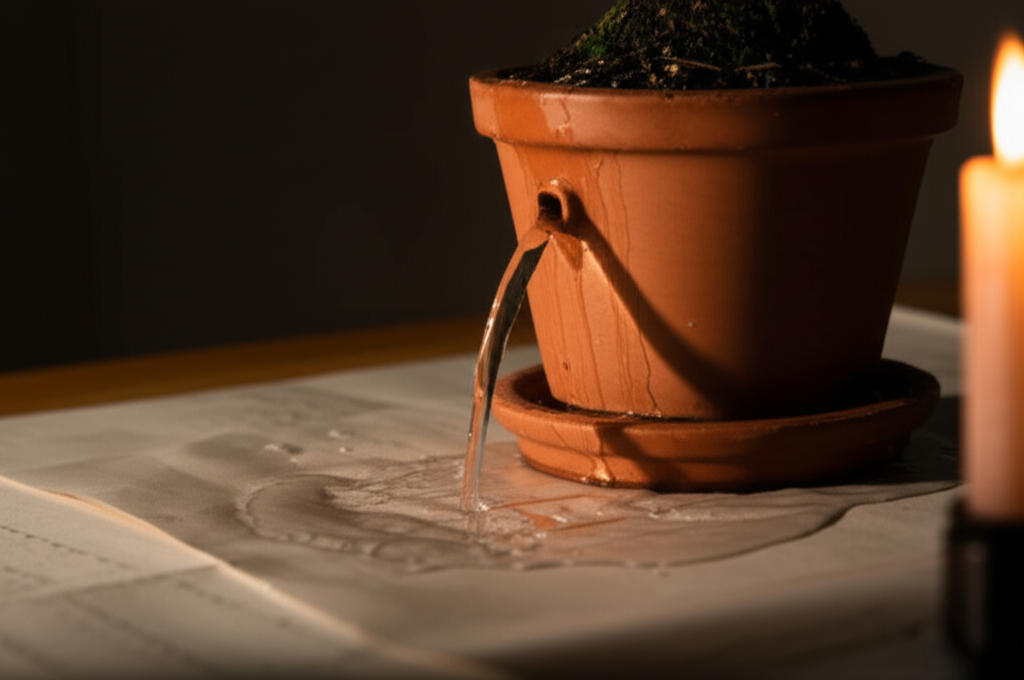
The first thing you need to do is to flush the soil with plenty of water. This will help to remove the excess fertilizer salts from the soil and prevent further damage to the roots. Place the bonsai in a sink or tub and slowly pour water over the soil until it runs clear from the bottom. Repeat this process several times to ensure that all of the excess fertilizer is removed.
I typically use distilled water for flushing, as tap water can contain salts and minerals that can further exacerbate the problem. However, if you don’t have distilled water available, tap water is better than nothing.
2. Repot (If Necessary)
If the over-fertilization is severe, you may need to repot your bonsai. This will allow you to remove all of the contaminated soil and replace it with fresh, clean soil. When repotting, be sure to gently wash the roots to remove any remaining fertilizer salts. Also, inspect the roots for any signs of damage or rot and trim away any affected areas.
Repotting can be stressful for a bonsai, so it’s best to do it only if absolutely necessary. If you’re unsure whether or not to repot, it’s always best to err on the side of caution and wait until the tree has recovered somewhat from the over-fertilization.
3. Provide Extra Care
After flushing or repotting, your bonsai will need extra care to recover. Place the tree in a sheltered location out of direct sunlight and wind. Keep the soil consistently moist, but not waterlogged. Avoid fertilizing for several weeks until the tree has fully recovered.
You can also give your bonsai a boost by applying a root stimulator. This will help to promote new root growth and improve the tree’s overall health. Be sure to follow the instructions on the label carefully and avoid over-applying the root stimulator.
4. Be Patient
Recovering from over-fertilization can take time, so be patient. Don’t expect your bonsai to bounce back overnight. It may take several weeks or even months for the tree to fully recover. Just continue to provide it with the care it needs and monitor its progress closely. With a little patience and attention, your bonsai will eventually recover and thrive.
Long-Term Prevention
The best way to deal with over-fertilization is to prevent it from happening in the first place. By following the guidelines outlined above, you can minimize the risk of over-fertilizing your young bonsai and ensure that they get the nutrients they need to thrive.
Regular Soil Checks
I always recommend regularly checking the soil of your bonsai. This isn’t just about moisture levels, but also about the overall health of the soil. Look for any signs of salt buildup, which appears as a white crust. Also, pay attention to how the soil drains. If it’s compacted or drains poorly, it can lead to an accumulation of fertilizers and other harmful substances.
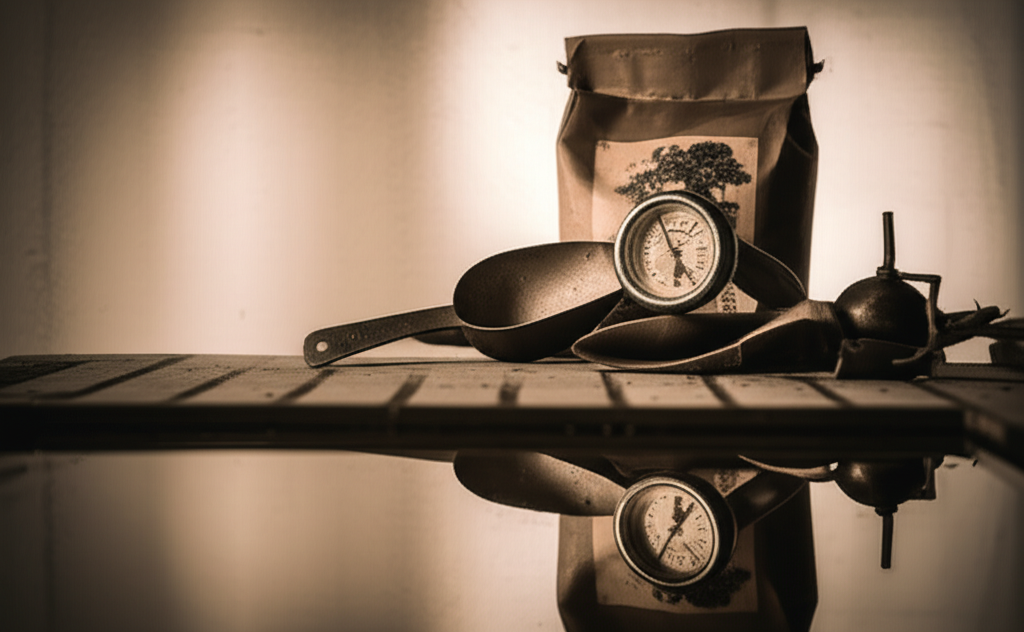
I use a simple moisture meter to check the moisture levels deeper in the pot. It helps me determine if the tree is getting enough water and if the soil is draining properly. This simple tool has saved me from countless potential problems.
Proper Potting Mix
The type of potting mix you use is crucial for the health of your bonsai. A well-draining mix will help to prevent the accumulation of fertilizers and other harmful substances. I recommend using a mix that’s specifically formulated for bonsai, as these mixes are designed to provide the drainage and aeration that bonsai need.
I also add some organic matter to my potting mix, such as compost or peat moss. This helps to improve the soil’s water-holding capacity and provides a slow-release source of nutrients.
Seasonal Adjustments
Remember to adjust your fertilizing routine based on the season. During the growing season (spring and summer), your bonsai will need more fertilizer than during the dormant season (fall and winter). As the weather cools down, gradually reduce the amount of fertilizer you’re giving your tree. And during the dormant season, avoid fertilizing altogether.
I create a fertilizing schedule at the beginning of each season and adjust it as needed based on the weather and the tree’s condition. This helps me to stay organized and ensure that my bonsai are getting the right amount of nutrients at the right time.
In conclusion, fertilizing young bonsai is a delicate balancing act. It requires careful attention to detail, a thorough understanding of the tree’s needs, and a willingness to learn from your mistakes. But with a little patience and practice, you can master the art of fertilizing and help your young bonsai thrive for years to come. Remember my maple tree, and always err on the side of caution. Your bonsai will thank you for it.
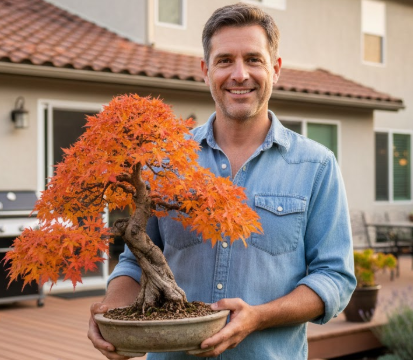
My name is Christopher Brown, I am 38 years old and I live in the United States. I am deeply passionate about the art of bonsai and have been cultivating trees for several years. What started as a simple curiosity turned into a daily practice and an important part of my life.
On this blog, I share my real experiences with bonsai — including what works, what doesn’t, and the lessons I learn along the way. I enjoy experimenting with techniques, observing the growth of each tree, and documenting the process with honesty and patience.
My goal with InfoWeHub is to help beginners feel more confident, avoid common mistakes, and discover the beauty of bonsai cultivation. If you are starting your journey or already love this art, you are welcome here.