
Unlocking the Secrets of Seasonal Bonsai Care
For years, I’ve been captivated by the art of bonsai, the living sculptures that encapsulate the beauty and resilience of nature in miniature. What started as a curiosity quickly blossomed into a lifelong passion, a journey of learning, patience, and constant refinement. One of the most critical aspects of bonsai care, and often a source of confusion for beginners, is understanding the seasonal needs of your miniature trees. Just like their full-sized counterparts, bonsai respond to the changing seasons, and adapting your care routine accordingly is essential for their health and vitality. From the burst of new growth in spring to the dormancy of winter, each season presents unique challenges and opportunities to shape and nurture your bonsai.
Spring Awakening: A Time for Growth and Rejuvenation
As the days lengthen and the temperature begins to rise, your bonsai will emerge from its winter slumber, signaling the start of the growing season. This is a period of vigorous growth and a crucial time to provide your trees with the resources they need to thrive. In my experience, the most important tasks in spring are repotting, fertilizing, and addressing any pest or disease issues that may have emerged during the winter months.
Repotting: Spring is the ideal time to repot most bonsai species. Repotting provides fresh soil, which replenishes nutrients and improves drainage. It also allows you to prune the roots, which helps to control the size and shape of the tree. When repotting, be sure to use a well-draining bonsai soil mix and carefully remove any circling or pot-bound roots. I’ve learned the hard way that being gentle during this process is key to minimizing stress on the tree. I once rushed a repotting and ended up damaging a significant portion of the root system, setting the tree back several months. Now, I take my time, carefully teasing apart the roots and ensuring they are properly positioned in the new pot.
Fertilizing: With the onset of new growth, your bonsai will require a steady supply of nutrients. Begin fertilizing with a balanced fertilizer, gradually increasing the frequency and concentration as the growing season progresses. I prefer using organic fertilizers, as they release nutrients slowly and are less likely to burn the roots. Fish emulsion and seaweed extract are two of my favorite organic options. Remember, over-fertilizing can be just as harmful as under-fertilizing, so always follow the instructions on the fertilizer label. I once thought more fertilizer would equal faster growth, and I ended up with a bonsai that was lush but weak and prone to disease. Lesson learned: moderation is key.
Pest and Disease Control: Keep a close eye out for any signs of pests or diseases. Common spring pests include aphids, spider mites, and scale. Early detection and treatment are crucial to prevent these pests from causing significant damage. Horticultural oil and insecticidal soap are effective treatments for many common pests. For fungal diseases, such as powdery mildew, use a fungicide specifically formulated for bonsai. I had a juniper bonsai that was plagued by spider mites one spring. I tried several different treatments before finally resorting to a systemic insecticide. While it worked, I always prefer to use less harsh methods whenever possible. Now, I regularly inspect my trees for pests and diseases and take preventative measures, such as increasing air circulation and avoiding overwatering.
Summer Strategies: Navigating Heat and Hydration
Summer brings its own set of challenges, primarily related to heat and water management. During the hottest months of the year, your bonsai will require frequent watering and protection from the intense sun. This is also a good time to focus on pruning and shaping, as the tree will be actively growing.
Watering Wisdom: A Deep Dive
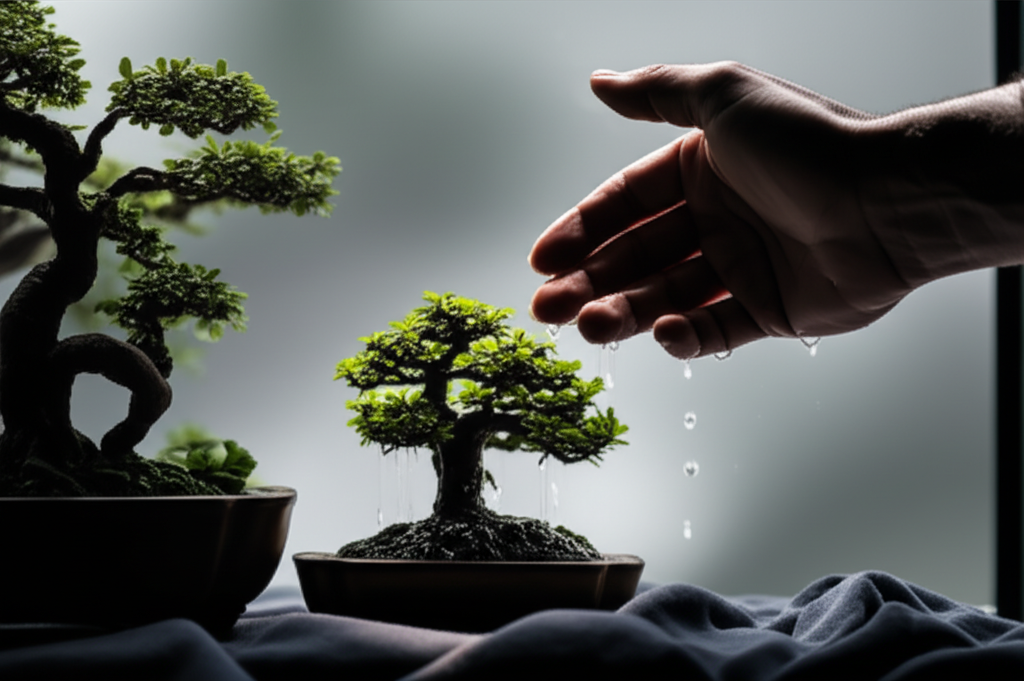
Watering is perhaps the most critical aspect of bonsai care, especially during the summer months. The frequency of watering will depend on several factors, including the species of tree, the size of the pot, the type of soil, and the weather conditions. As a general rule, water your bonsai when the topsoil feels dry to the touch. When you water, water thoroughly, until water drains freely from the bottom of the pot. Avoid overwatering, as this can lead to root rot. I use a watering can with a fine rose to gently saturate the soil without disturbing the roots. I also check the moisture level of the soil regularly with my finger. There have been times when I’ve been tempted to skip watering, thinking the soil still looked moist, only to find that the roots were starting to dry out. Now, I always err on the side of caution and water whenever I’m unsure.
Dealing with Heat Stress: Prolonged exposure to high temperatures can stress your bonsai, making it more susceptible to pests and diseases. Protect your trees from the intense midday sun by providing shade during the hottest part of the day. You can also increase humidity by misting the foliage regularly or placing the bonsai on a tray filled with pebbles and water. I’ve found that grouping my bonsai together creates a microclimate that helps to retain moisture and lower the temperature. I also use shade cloth to protect my more sensitive species from sunburn. One summer, I neglected to provide adequate shade for my Japanese maple bonsai, and it suffered severe leaf scorch. It took several months for the tree to recover fully. This experience taught me the importance of being proactive in protecting my bonsai from the elements.
Pruning and Shaping: The Art of Refinement
Summer is a good time to perform structural pruning and refine the shape of your bonsai. Pinch back new growth to encourage branching and maintain the desired silhouette. You can also use wire to guide branches into the desired position. Be careful not to wire too tightly, as this can damage the bark. I prefer to use aluminum wire, as it is more flexible and less likely to cut into the bark than copper wire. I’ve made the mistake of leaving wire on too long, and it left unsightly scars on the branches. Now, I regularly check the wire and remove it as soon as it starts to bite into the bark. Pruning, for me, is a very mindful activity. It’s a time to connect with the tree, to observe its growth patterns, and to visualize the final form I’m trying to achieve. It’s a process of constant learning and refinement.
Autumn Adjustments: Preparing for Dormancy
As the days shorten and the temperature begins to cool, your bonsai will start to prepare for dormancy. This is a time to reduce fertilizing, adjust watering, and protect your trees from early frosts. The vibrant colors of autumn can be a spectacular sight in a bonsai collection, but it’s also a reminder that winter is just around the corner.
Slowing Down: Nutrient and Hydration Reduction
As growth slows, reduce the frequency and concentration of fertilizing. Switch to a low-nitrogen fertilizer to encourage hardening off of new growth. Gradually reduce watering as the weather cools and the soil dries out more slowly. Be careful not to overwater, as this can lead to root rot during the dormant season. I stop fertilizing altogether by late autumn, allowing the tree to fully enter dormancy. I also pay close attention to the weather forecast and adjust my watering schedule accordingly. I find that it’s better to err on the side of underwatering during the autumn months. A little bit of dryness is less harmful than excessive moisture.
Frost Protection: Safeguarding Against the Cold
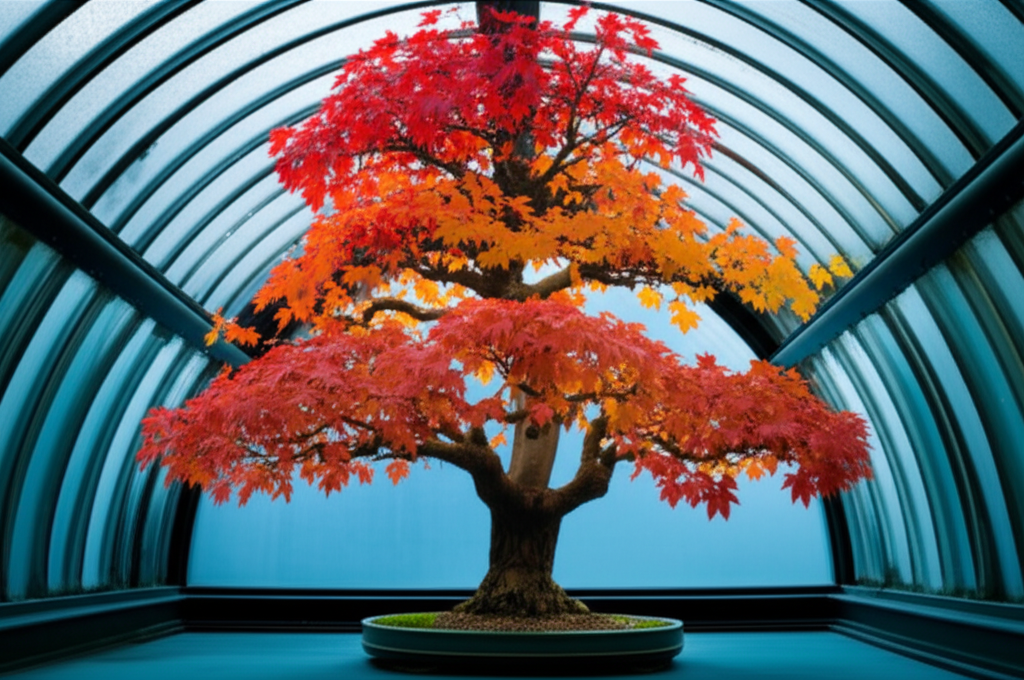
Protect your bonsai from early frosts by moving them to a sheltered location, such as a garage, shed, or greenhouse. If you live in an area with severe winters, you may need to provide additional protection, such as wrapping the pots with burlap or burying them in the ground. The specific winter care requirements will vary depending on the species of tree and your local climate. I have a dedicated cold frame that I use to protect my more sensitive bonsai during the winter months. It’s a simple structure made of wood and plastic, but it provides enough protection to prevent frost damage. I also monitor the temperature inside the cold frame and add supplemental heat when necessary. One year, I underestimated the severity of the winter and lost several bonsai to frost damage. It was a heartbreaking experience, and it taught me the importance of being prepared for the worst.
Leaf Drop: A Natural Process
Deciduous bonsai will naturally drop their leaves in the autumn as they enter dormancy. This is a normal process and should not be a cause for concern. Remove any fallen leaves from the pot to prevent the buildup of moisture and the spread of disease. I actually enjoy the process of watching my deciduous bonsai transform in the autumn. The vibrant colors of the leaves are a beautiful sight, and the bare branches reveal the underlying structure of the tree. It’s a reminder of the cyclical nature of life and the beauty of impermanence.
Winter Wisdom: Embracing Dormancy
Winter is a time of rest for your bonsai. During this period, growth is minimal, and the tree’s energy is focused on survival. The primary goals of winter care are to protect the tree from extreme cold, prevent dehydration, and monitor for pests and diseases. It’s a time of quiet observation, allowing the tree to conserve its energy for the burst of growth that will come in the spring.
Minimal Maintenance: Less is More
During the winter months, maintenance should be kept to a minimum. Water only when the soil is dry to the touch, and avoid fertilizing altogether. Check the trees regularly for pests and diseases, but avoid unnecessary handling. I water my bonsai sparingly during the winter, usually only once every few weeks. I also make sure that the soil is well-draining to prevent root rot. I resist the urge to prune or wire during the winter, as the tree is not actively growing and any pruning cuts will heal slowly. It’s a time to let the tree rest and recover from the growing season.
Temperature Control: Finding the Right Balance
The ideal winter temperature for most bonsai is between 35°F and 45°F. Avoid exposing your trees to temperatures below freezing for extended periods of time, as this can damage the roots. However, it’s also important to avoid keeping your trees too warm, as this can break dormancy prematurely. I try to keep my bonsai in a cool, but not freezing, location during the winter. A garage or shed that is not heated is usually ideal. I also monitor the temperature regularly and adjust the ventilation as needed to prevent overheating. I’ve found that a little bit of fluctuation in temperature is actually beneficial, as it helps to prevent the trees from becoming too acclimated to a constant environment.
Pest and Disease Prevention: Vigilance is Key
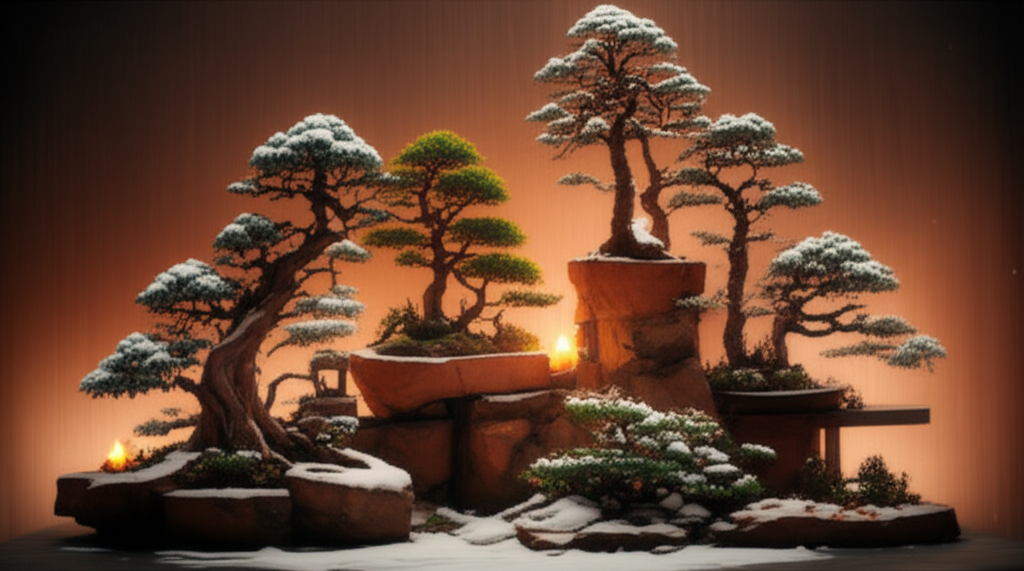
Although pests and diseases are less active during the winter months, it’s still important to monitor your trees regularly. Look for signs of scale, spider mites, or fungal infections. If you detect any problems, treat them promptly with appropriate remedies. I regularly inspect my bonsai for pests and diseases during the winter. I also clean up any dead leaves or debris from the pot to prevent the buildup of moisture and the spread of disease. I avoid using harsh chemicals during the winter, as they can be harmful to the tree. Instead, I prefer to use natural remedies, such as horticultural oil or insecticidal soap.
Species-Specific Considerations: Tailoring Your Approach
While the general principles of seasonal bonsai care apply to most species, it’s important to understand the specific needs of your particular trees. Different species have different tolerances for cold, heat, and drought, and they may also require different pruning and fertilizing schedules. Research the specific needs of your bonsai species and adjust your care routine accordingly.
Deciduous Delights: Maples, Elms, and More
Deciduous bonsai, such as maples and elms, require a period of dormancy during the winter months. Protect them from extreme cold and provide minimal watering. Prune them in late winter or early spring, before new growth begins. These trees are a joy to behold, especially in the autumn when their leaves turn vibrant shades of red, orange, and yellow. However, they also require a bit more care than evergreen species. I’ve learned that it’s crucial to provide them with adequate drainage to prevent root rot, especially during the dormant season.
Evergreen Elegance: Pines, Junipers, and Beyond
Evergreen bonsai, such as pines and junipers, do not require a period of complete dormancy. They can tolerate cooler temperatures, but they still need protection from extreme cold. Water them regularly throughout the winter, but avoid overwatering. Prune them in the spring or summer, after new growth has hardened off. Evergreen bonsai offer year-round beauty and require less maintenance than deciduous species. However, they are also more susceptible to certain pests and diseases, such as spider mites and scale. Regular inspection and preventative treatments are essential to keep them healthy.
Adapting to Your Climate: Your local climate will also play a significant role in determining your bonsai care routine. If you live in an area with mild winters, you may be able to keep your bonsai outdoors year-round with minimal protection. If you live in an area with harsh winters, you will need to provide more substantial protection. I live in a temperate climate, which means that I can keep most of my bonsai outdoors for most of the year. However, I still need to provide some protection during the winter months, especially for my more sensitive species. I’ve learned to be flexible and adapt my care routine to the changing weather conditions.

The Long Game: Patience and Observation
Bonsai is not a sprint; it’s a marathon. It requires patience, dedication, and a willingness to learn from your mistakes. Don’t be discouraged if you encounter setbacks along the way. Every bonsai artist has lost trees, made mistakes, and learned from their experiences. The key is to keep learning, keep observing, and keep refining your techniques. I’ve lost count of the number of bonsai I’ve killed over the years. Each loss has been a learning experience, teaching me valuable lessons about the needs of different species, the importance of proper watering, and the dangers of over-pruning. But through it all, I’ve never lost my passion for the art of bonsai. It’s a journey of constant learning and refinement, and I’m grateful for every opportunity to connect with nature in this unique and meaningful way.
The most important thing is to observe your trees closely and learn to recognize the signs of stress or disease. By paying attention to the details, you can identify problems early and take corrective action before they become serious. And remember, there is no substitute for experience. The more time you spend working with your bonsai, the better you will become at understanding their needs and providing them with the care they require. It’s a journey that demands patience, a keen eye, and a deep respect for the natural world. Embrace the challenge, and you’ll find that the rewards are immeasurable.
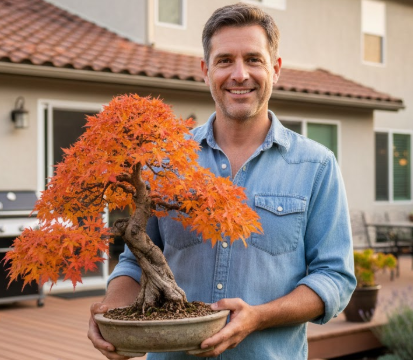
My name is Christopher Brown, I am 38 years old and I live in the United States. I am deeply passionate about the art of bonsai and have been cultivating trees for several years. What started as a simple curiosity turned into a daily practice and an important part of my life.
On this blog, I share my real experiences with bonsai — including what works, what doesn’t, and the lessons I learn along the way. I enjoy experimenting with techniques, observing the growth of each tree, and documenting the process with honesty and patience.
My goal with InfoWeHub is to help beginners feel more confident, avoid common mistakes, and discover the beauty of bonsai cultivation. If you are starting your journey or already love this art, you are welcome here.