
The Slow Unfolding: My Bonsai Journey
It began, as many passions do, almost by accident. I was browsing through a local nursery, more to kill time than anything else, when I saw it: a small, windswept juniper, clinging to a rocky outcrop in a tiny ceramic pot. Something about its miniature grandeur, its defiant resilience, captivated me. I bought it on a whim, not knowing the first thing about bonsai. That was nearly thirty years ago. Now, my backyard resembles a miniature forest, a testament to patience, perseverance, and the subtle magic of growing bonsai.
Over the years, I’ve learned that bonsai is more than just trimming and wiring. It’s a conversation with nature, a dance between control and surrender. It’s about understanding the language of trees, their rhythms, their needs, their silent wisdom. And it’s about understanding myself, my own limitations, my own capacity for patience, my own connection to the natural world.
The First Whispers of Understanding
My initial attempts were, to put it mildly, clumsy. I overwatered, underwatered, pruned with reckless abandon, and generally subjected my poor trees to a series of unintentional tortures. I remember one particularly tragic incident involving a prized azalea and a pair of dull shears. The azalea never recovered. It was a harsh lesson, but a necessary one. I realized that I needed to approach bonsai with humility and respect, not arrogance and impatience.
I started reading everything I could find about bonsai – books, articles, online forums. I joined a local bonsai club and learned from experienced practitioners. I attended workshops and demonstrations, soaking up knowledge like a sponge. Slowly, painstakingly, I began to develop a basic understanding of the principles of bonsai – the importance of proper soil and drainage, the art of pruning and wiring, the need for regular repotting and fertilization.
But knowledge alone wasn’t enough. I needed to develop a feel for the trees, an intuition for their needs. I started spending more time observing my bonsai, watching how they responded to different conditions, noticing the subtle changes in their leaves and branches. I learned to recognize the signs of stress and disease, and to take corrective action before it was too late.
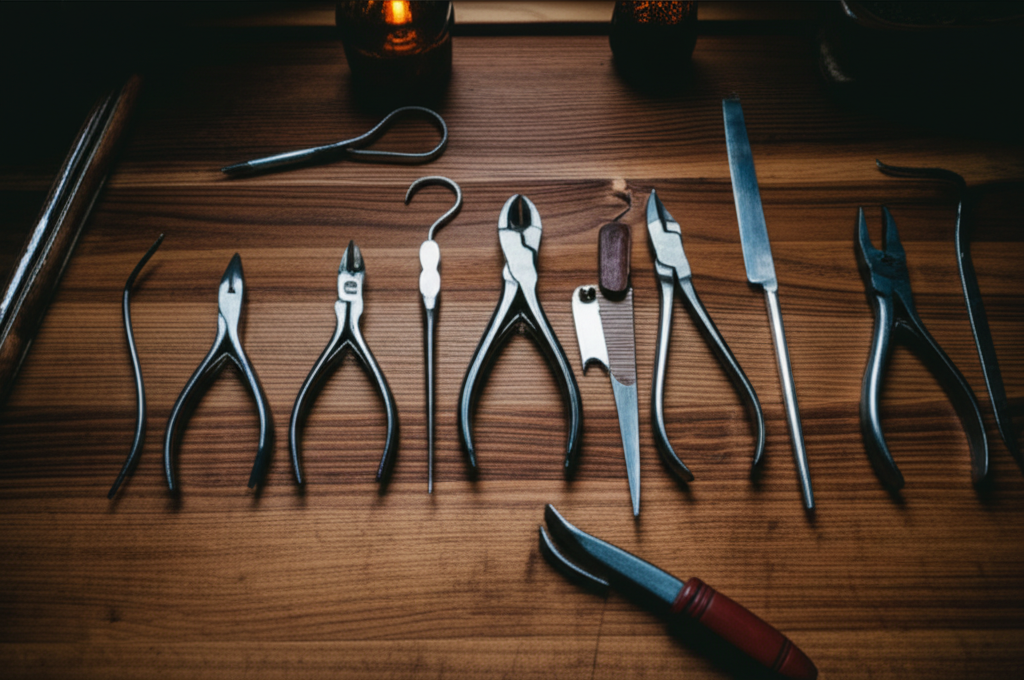
The Dance of Pruning and Wiring
Pruning and wiring are the two fundamental techniques of bonsai, the yin and yang of shaping and controlling growth. Pruning is about removing unwanted growth, creating space for light and air, and encouraging the development of a strong, healthy branch structure. Wiring is about bending and shaping branches, creating movement and character, and guiding the tree towards its desired form.
I remember the first time I tried wiring a branch. It felt awkward and unnatural, like trying to force a tree to conform to my will. I quickly learned that wiring is not about brute force, but about gentle persuasion. It’s about understanding the natural growth patterns of the tree and working with them, not against them. It’s about finding the right balance between control and freedom, between shaping the tree and allowing it to express its own unique character.
Pruning, too, is an art form in itself. It’s about making difficult decisions, about sacrificing some parts of the tree for the benefit of the whole. It’s about developing a keen eye for balance and proportion, and about understanding how each cut will affect the future growth of the tree. I’ve learned that the best pruning is often the pruning that you don’t do, the branches that you leave untouched, allowing the tree to develop its own natural grace and beauty.
The Patience of a Gardener: A Long-Term View
Bonsai is not a sprint; it’s a marathon. It requires patience, perseverance, and a long-term perspective. It takes years, even decades, to develop a mature bonsai, to see a tree reach its full potential. And even then, the journey is never truly over. Bonsai is a continuous process of refinement and improvement, a lifelong dialogue between the grower and the tree.
I’ve learned that the key to success in bonsai is to embrace the slow, deliberate pace of nature. To resist the urge to rush things, to force things, to impose my will on the tree. To instead, listen to the tree, observe its needs, and respond with patience and understanding. To accept that setbacks are inevitable, that mistakes will be made, and that the only way to learn is to keep trying.
There have been times when I’ve felt discouraged, when I’ve wanted to give up. When a tree has died despite my best efforts, or when a carefully wired branch has snapped under the strain. But I’ve always found that the act of tending to my bonsai, of connecting with nature in this intimate way, is deeply rewarding. It’s a way to escape the stresses and anxieties of modern life, to find peace and tranquility in the quiet contemplation of the natural world.
The Unexpected Lessons: More Than Just Trees
What I didn’t anticipate when I started this journey was how much bonsai would teach me about myself. It’s a mirror, reflecting my own strengths and weaknesses, my own patience and impatience, my own capacity for resilience and perseverance. It’s taught me the importance of observation, of attention to detail, of being present in the moment. It’s taught me the value of patience, of accepting that some things simply take time, and that there are no shortcuts to success.
Bonsai has also taught me about the interconnectedness of all things. That everything is connected, that every action has a consequence, and that even the smallest decisions can have a profound impact on the health and well-being of the tree. It’s a reminder that we are all part of a larger ecosystem, and that our actions have consequences that extend far beyond ourselves.
The Art of Letting Go: Accepting Imperfection
One of the most important lessons I’ve learned from bonsai is the art of letting go. Of accepting that perfection is unattainable, and that the beauty of bonsai lies in its imperfections, in its unique character, in its reflection of the natural world. It’s about embracing the flaws, the scars, the asymmetries, and recognizing that they are all part of the story of the tree.
I used to be obsessed with achieving perfect symmetry in my bonsai, with creating trees that were flawless replicas of idealized forms. But I’ve come to realize that true beauty lies in asymmetry, in the unexpected twists and turns of nature. It’s in the crooked branch that reaches for the sun, in the moss-covered rock that anchors the tree to the earth, in the tiny details that reveal the tree’s unique history and character.
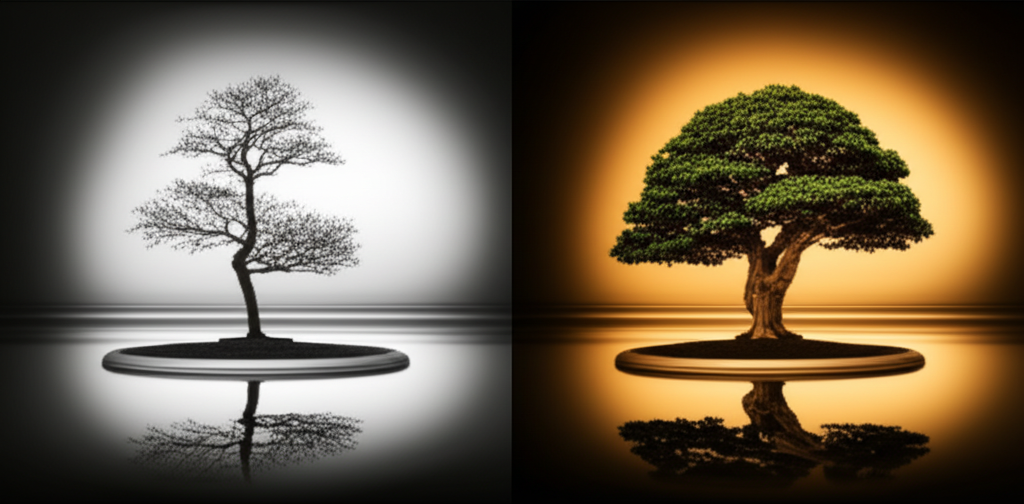
The Community of Growers: Sharing the Passion
One of the most rewarding aspects of my bonsai journey has been the opportunity to connect with other enthusiasts, to share my passion and learn from their experiences. The bonsai community is a diverse and welcoming group of people, united by their love of trees and their dedication to this ancient art form.
I’ve met people from all walks of life through bonsai – artists, engineers, teachers, retirees, and everything in between. We share our knowledge, our experiences, our successes, and our failures. We offer each other support and encouragement, and we celebrate each other’s achievements. It’s a truly inspiring community, and I’m grateful to be a part of it.
Passing on the Knowledge: A Legacy of Green
Now, as I get older, I find myself increasingly drawn to the idea of passing on my knowledge to the next generation of bonsai growers. I’ve started teaching workshops and giving demonstrations, sharing my skills and experience with those who are just starting out. It’s a way to give back to the community that has given me so much, and to ensure that the art of bonsai continues to thrive for years to come.
I believe that bonsai is more than just a hobby; it’s a way of life. It’s a way to connect with nature, to cultivate patience and perseverance, to appreciate the beauty of the natural world, and to find peace and tranquility in the quiet contemplation of trees. It’s a gift that I want to share with others, a legacy that I want to leave behind.
The Future of My Miniature Forest
Looking ahead, I’m excited to continue my bonsai journey, to explore new techniques, to experiment with different species, and to continue to learn from the trees themselves. I’m also looking forward to expanding my collection, to adding new trees to my miniature forest, and to watching them grow and evolve over time.
I have a few projects in mind – a cascading juniper that I want to train over a rocky cliff, a group planting of Japanese maples that I envision as a miniature autumn forest, and a shohin-sized black pine that I hope to enter in a bonsai competition. These are long-term projects, of course, and they will require years of patient work and dedication. But that’s part of the appeal of bonsai – the challenge of pushing myself creatively, of striving for excellence, and of never giving up on my vision.
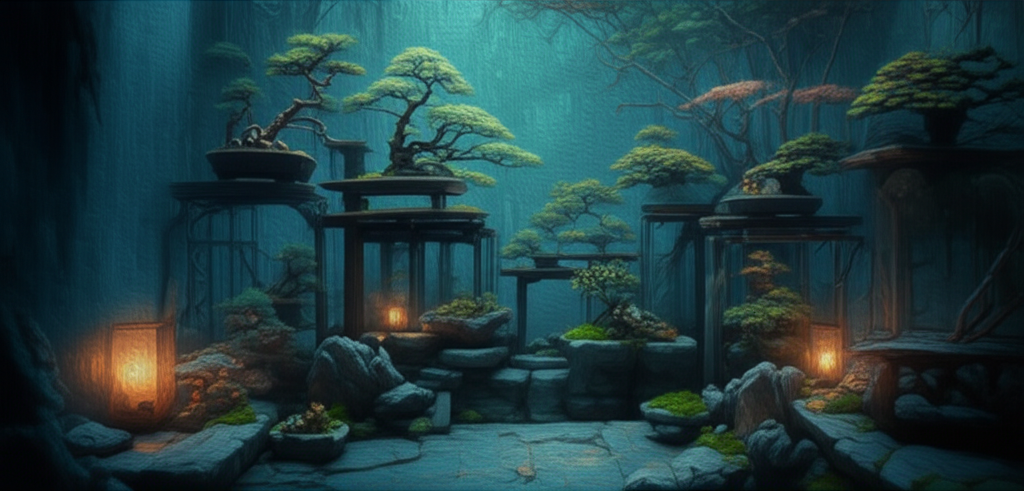
The Ever-Evolving Art: Always Something New to Learn
Even after all these years, I still feel like I’m just scratching the surface of what’s possible with bonsai. There’s always something new to learn, a new technique to master, a new perspective to explore. The art of bonsai is constantly evolving, and I’m excited to be a part of that evolution.
I’m particularly interested in exploring the use of native plants in bonsai, of creating trees that reflect the unique character of my local landscape. I believe that there’s a growing movement towards using native plants in bonsai, and I’m excited to see where it leads. It’s a way to connect with the local ecosystem, to promote biodiversity, and to create bonsai that are truly unique and authentic.
The Quiet Joy of Daily Care
Perhaps the most profound thing I’ve noticed over time is the quiet joy I find in the daily care of my bonsai. The simple act of watering, of misting the leaves, of checking for pests, of gently pruning a stray branch – these are all acts of meditation, of connecting with the present moment, of finding peace and tranquility in the midst of a busy world.
It’s a reminder that true happiness lies not in achieving some distant goal, but in appreciating the simple things in life, in finding joy in the everyday moments, and in cultivating a sense of gratitude for the beauty that surrounds us. And for me, that beauty is embodied in the miniature world of my bonsai.
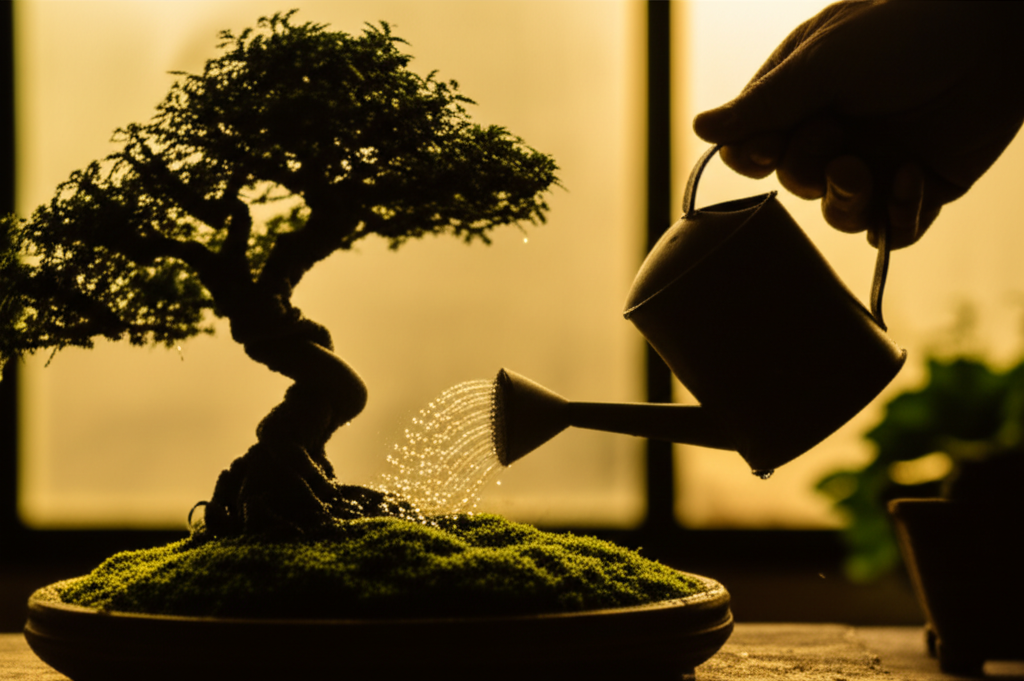
So, as I continue to tend to my bonsai, day by day, I’ll keep learning, keep growing, and keep appreciating the subtle magic of these miniature trees. It’s a journey that has enriched my life in countless ways, and I’m grateful for every moment of it. The lessons learned extend far beyond the garden, shaping my perspective and reminding me of the beauty and resilience found in the natural world. And that, I believe, is the true gift of bonsai.
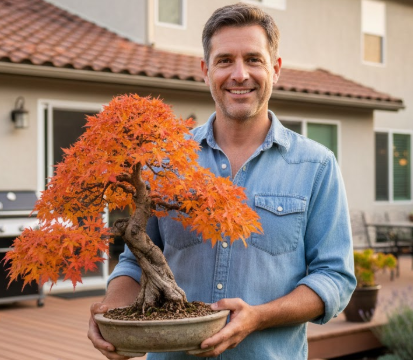
My name is Christopher Brown, I am 38 years old and I live in the United States. I am deeply passionate about the art of bonsai and have been cultivating trees for several years. What started as a simple curiosity turned into a daily practice and an important part of my life.
On this blog, I share my real experiences with bonsai — including what works, what doesn’t, and the lessons I learn along the way. I enjoy experimenting with techniques, observing the growth of each tree, and documenting the process with honesty and patience.
My goal with InfoWeHub is to help beginners feel more confident, avoid common mistakes, and discover the beauty of bonsai cultivation. If you are starting your journey or already love this art, you are welcome here.