
My First Bonsai: A Love Affair Forged in Failure
I remember the day I brought her home. A tiny Juniper procumbens nana, barely six inches tall, but to me, she was a majestic giant in miniature. I named her Juniper Jane, perhaps a bit unimaginative, but it felt right. That was ten years ago. Ten years of triumphs and tribulations, of meticulous pruning and catastrophic mistakes. Ten years that transformed a simple hobby into a profound passion.
Like many, I was drawn to bonsai by its mystique, the ancient art of shaping trees into living sculptures. I envisioned myself a wise sensei, calmly coaxing nature into perfect harmony. The reality, of course, was far messier, far more challenging, and infinitely more rewarding. My early attempts were, to put it mildly, disastrous. I overwatered, underwatered, pruned with reckless abandon, and generally subjected Juniper Jane to a series of horticultural horrors. Yet, through it all, she persisted, a testament to the resilience of nature and my own stubborn refusal to give up.
This isn’t a guide on how to grow the perfect bonsai. There are plenty of those out there, filled with technical jargon and pristine images. This is the story of my journey, the mistakes I made, and the lessons I learned, often the hard way. It’s a story about patience, perseverance, and the profound connection that can develop between a human and a tree.
The Early Days: A Beginner’s Blunders
Armed with a handful of YouTube tutorials and a misplaced sense of confidence, I dove headfirst into the world of bonsai. My first mistake? Thinking I knew more than I did. I skipped the fundamentals, the basic understanding of tree physiology, soil composition, and proper watering techniques. I just wanted to prune and wire and create a masterpiece. The results were predictably ugly.
Overwatering: A Deadly Embrace
Living in a humid climate, I assumed Juniper Jane needed constant watering. I drenched her daily, convinced I was providing her with essential nourishment. What I was actually doing was suffocating her roots. The soil became waterlogged, depriving them of oxygen and creating a breeding ground for fungal diseases. The first sign of trouble was the yellowing needles, a subtle cry for help that I initially ignored. Then came the root rot, a slimy, foul-smelling mess that nearly killed her. I learned a valuable lesson: less is often more. Bonsai, especially junipers, prefer to dry out slightly between waterings. Now, I only water when the topsoil feels dry to the touch.
Pruning Panic: A Hacking Spree
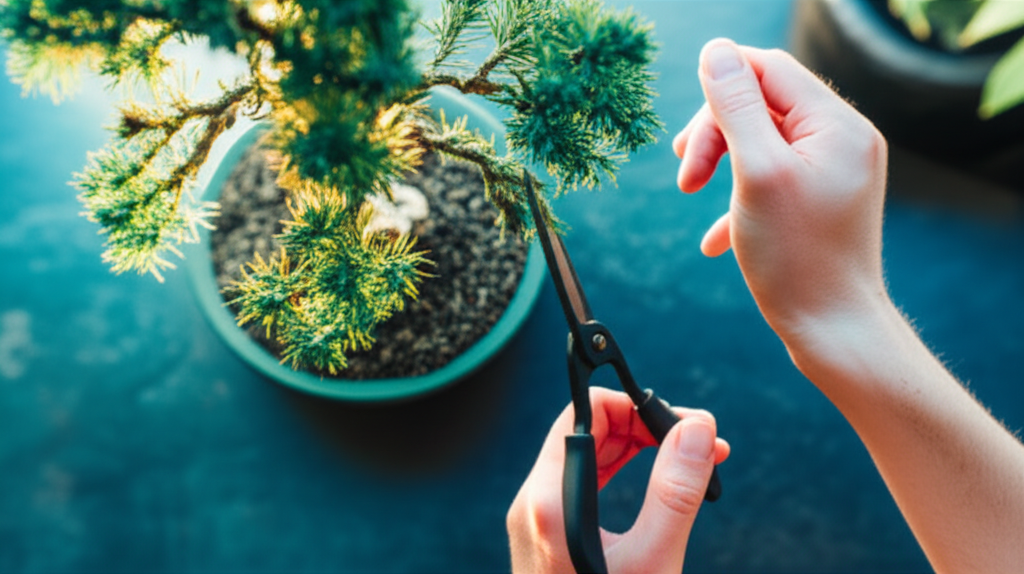
Pruning is essential for shaping a bonsai, but it’s also a skill that takes years to master. In my eagerness to create a dramatic silhouette, I went overboard, hacking away at branches with reckless enthusiasm. I didn’t understand the principles of apical dominance, the way a tree prioritizes growth at the tips of its branches. My aggressive pruning only encouraged vigorous, uncontrolled growth in unwanted areas, making the tree look even more unbalanced. I essentially gave her a terrible haircut that she couldn’t fix herself. I now approach pruning with a far more conservative hand, focusing on removing only what is necessary to maintain the desired shape and encourage healthy growth. I learned that patience is key; bonsai is a marathon, not a sprint.
Soil Catastrophe: The Wrong Foundation
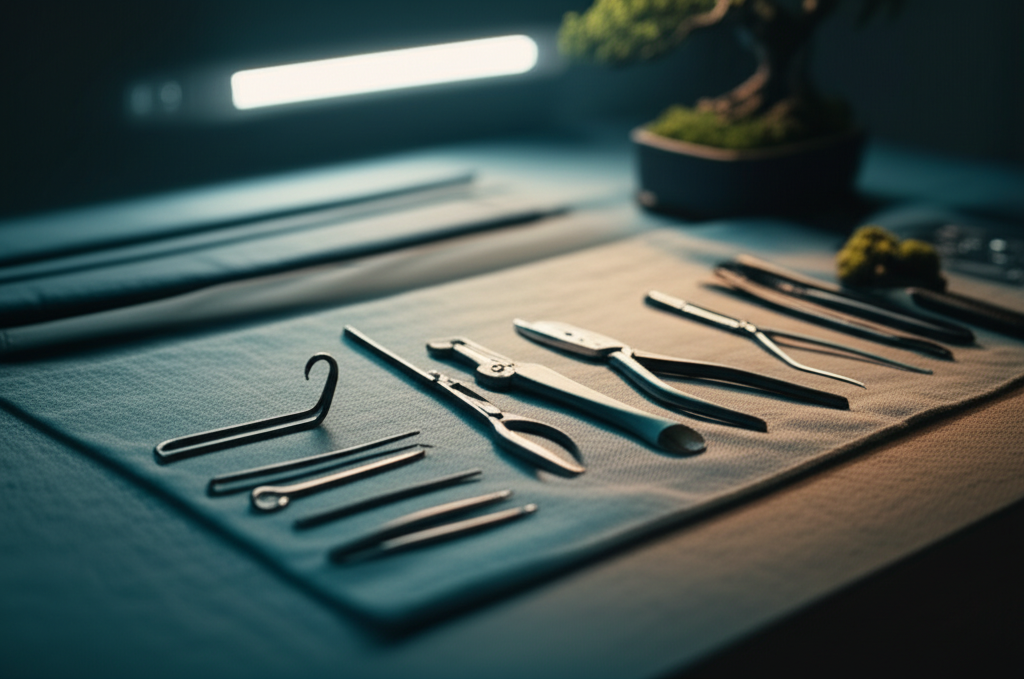
I initially used regular potting soil for Juniper Jane, a common mistake among beginners. Potting soil retains too much moisture, which, as I learned the hard way, can lead to root rot. Bonsai require well-draining soil that allows for proper aeration. After the root rot incident, I repotted Juniper Jane in a proper bonsai mix, a blend of akadama, pumice, and lava rock. The difference was remarkable. The tree perked up almost immediately, and the new growth was stronger and healthier. Choosing the right soil is like building a solid foundation for a house; it’s essential for the tree’s long-term health and well-being.
The Turning Point: Learning from My Mistakes
After nearly killing Juniper Jane, I realized I needed to take a more serious approach to bonsai. I started reading books, joining online forums, and even attending a local bonsai workshop. I devoured information, soaking up knowledge like a sponge. I learned about the different styles of bonsai, the principles of design, and the importance of understanding a tree’s natural growth habits. I also learned the importance of patience and observation. Bonsai is not a static art form; it’s a dynamic process of constant learning and adaptation. You have to pay attention to your tree, observe its growth patterns, and adjust your techniques accordingly. It’s a conversation between you and nature, a dialogue conducted through the language of pruning, wiring, and watering.
Wiring Woes: The Art of Gentle Persuasion
Wiring is a technique used to shape branches, to guide them into the desired position. It’s a delicate process that requires a gentle touch and a keen eye. My early attempts at wiring were clumsy and ham-fisted. I used the wrong gauge wire, wrapped it too tightly, and left it on for too long, causing unsightly scars on the branches. I learned that wiring should be used sparingly and with caution. The wire should be just thick enough to hold the branch in place, and it should be removed as soon as the branch sets in its new position. It’s like orthodontics for trees; you’re gently guiding them into a more aesthetically pleasing form.
Fertilizing Fumbles: The Right Nutrients at the Right Time
Fertilizing is essential for providing a bonsai with the nutrients it needs to thrive, but it’s also easy to overdo it. I initially used a high-nitrogen fertilizer, which promoted rapid, leggy growth. This was the opposite of what I wanted; I wanted compact, dense foliage. I switched to a balanced fertilizer with a lower nitrogen content, and the tree responded much better. I also learned that it’s important to fertilize at the right time of year, during the growing season, and to avoid fertilizing during dormancy. It’s like feeding a child; you need to provide them with the right nutrients in the right amounts at the right time.
Beyond the Basics: Developing a Deeper Connection
As I gained more experience, my relationship with Juniper Jane deepened. She was no longer just a tree; she was a living, breathing companion. I spent hours observing her, studying her growth patterns, and anticipating her needs. I learned to see the beauty in her imperfections, the subtle variations in her bark, the delicate curve of her branches. I began to understand the true essence of bonsai: it’s not about creating a perfect miniature tree; it’s about capturing the spirit of nature in a small pot.
The Importance of Observation: Listening to Your Tree
The best bonsai artists are keen observers. They spend hours studying their trees, looking for subtle signs of stress or disease. They learn to read the leaves, the bark, the overall growth habit of the tree. They understand that each tree is unique and has its own specific needs. I learned to listen to Juniper Jane, to pay attention to her subtle cues. If her needles were turning yellow, I knew she was either getting too much or too little water. If her growth was stunted, I knew she needed fertilizer. By paying attention to her needs, I was able to keep her healthy and thriving.
Finding Your Style: Embracing Imperfection
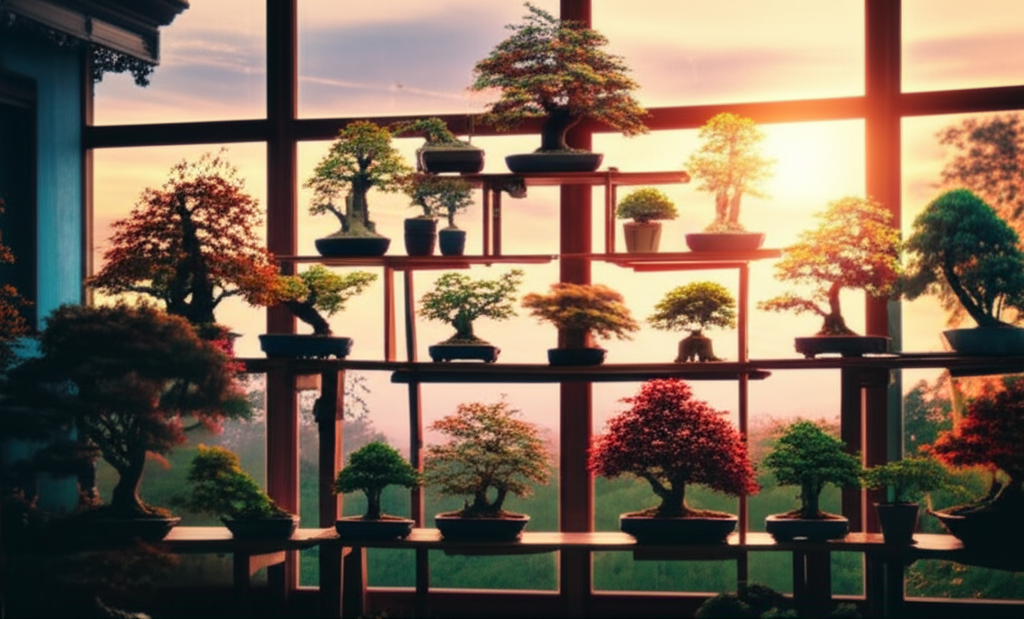
There are many different styles of bonsai, each with its own unique characteristics. Some styles are formal and symmetrical, while others are more natural and asymmetrical. I initially tried to emulate the formal styles, but I soon realized that they didn’t suit my personality or my aesthetic sensibilities. I preferred the more natural, informal styles, the ones that celebrated the imperfections of nature. I learned to embrace the asymmetry, the gnarled branches, the moss-covered trunk. These imperfections, I realized, were what gave the tree its character and its unique beauty. Trying to force a tree into a mold that doesn’t suit it is a recipe for disaster. Let the tree guide you, and you’ll be surprised at the beauty you can create.
The Unexpected Benefits: More Than Just a Hobby
Bonsai has become more than just a hobby for me; it’s become a way of life. It’s taught me patience, perseverance, and the importance of connecting with nature. It’s also provided me with a sense of peace and tranquility. When I’m working on my bonsai, I forget about the stresses of the day. I’m completely focused on the task at hand, lost in the beauty of the moment. It’s a form of meditation, a way to escape the chaos of modern life and reconnect with my inner self.
Patience and Perseverance: Lessons from the Miniature World
Bonsai is not a hobby for the impatient. It takes years, even decades, to develop a mature bonsai. You have to be patient, willing to wait for the tree to grow and mature at its own pace. You also have to be persistent, willing to keep learning and experimenting, even when things don’t go as planned. There will be setbacks, failures, and moments of frustration. But if you stick with it, the rewards are well worth the effort. The lessons I’ve learned from bonsai have translated into other areas of my life as well. I’m more patient, more persistent, and more resilient than I ever thought possible.
Connecting with Nature: A Return to Our Roots
In today’s modern world, many of us have become disconnected from nature. We spend our days indoors, surrounded by technology, and we rarely take the time to appreciate the beauty of the natural world. Bonsai provides a way to reconnect with nature, to bring a piece of the outdoors into our homes. It’s a reminder of the beauty and fragility of the natural world, and it encourages us to be more mindful of our impact on the environment. By tending to a bonsai, we’re participating in a small way in the cycle of life, death, and rebirth. It’s a humbling and profoundly rewarding experience.
The Community of Bonsai: Sharing the Passion
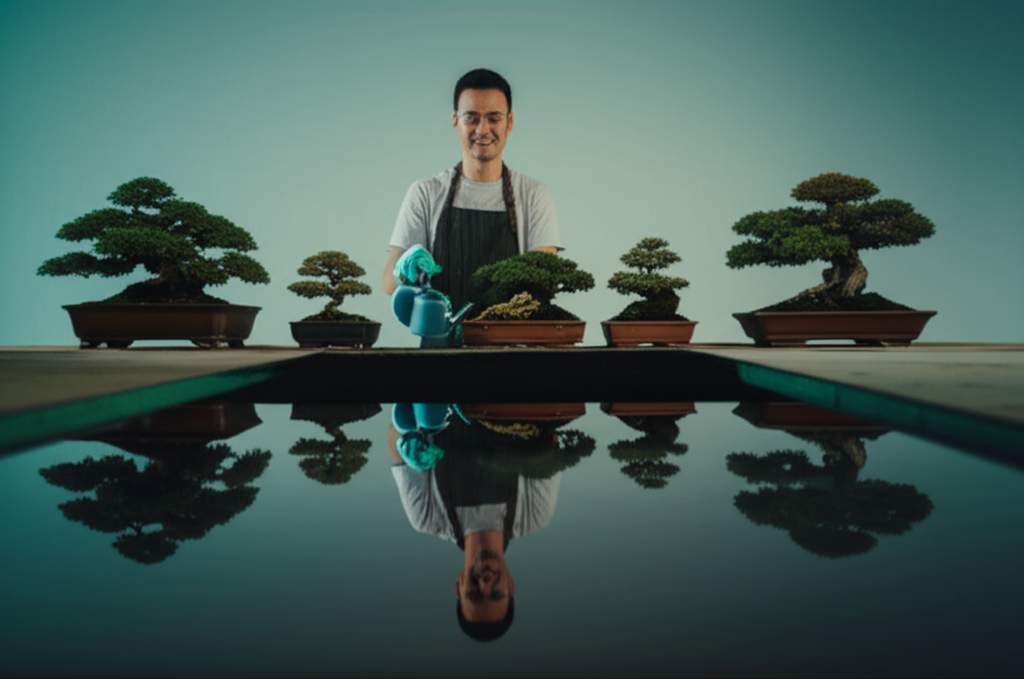
One of the most unexpected benefits of bonsai has been the sense of community I’ve found. I’ve met so many wonderful people through bonsai, people from all walks of life who share a common passion for these miniature trees. We share tips, advice, and encouragement. We celebrate each other’s successes and support each other through failures. The bonsai community is a warm and welcoming place, and I’m grateful to be a part of it. Joining a local bonsai club or online forum is a great way to learn from experienced artists and connect with like-minded individuals. The shared knowledge and support can be invaluable, especially when you’re just starting out.
Juniper Jane Today: A Living Legacy
After ten years of care and attention, Juniper Jane is thriving. She’s not perfect, of course. She still bears the scars of my early mistakes, but those scars are a reminder of the lessons I’ve learned. She’s a testament to the power of perseverance, the resilience of nature, and the profound connection that can develop between a human and a tree. She’s also a living legacy, a reminder of the joy and fulfillment that bonsai has brought into my life.
The Future of My Bonsai Journey: Continued Learning and Growth
My bonsai journey is far from over. I’m still learning, still experimenting, and still making mistakes. But that’s part of the fun. Bonsai is a lifelong pursuit, a constant process of learning and growth. I’m excited to see what the future holds for Juniper Jane and for my other bonsai. I’m also excited to continue sharing my knowledge and experience with others, to help them discover the joy and fulfillment that bonsai can bring.
And what about new projects? Well, I’ve recently acquired a Japanese Maple sapling. A completely different species that will demand a completely different skill set. I foresee many more mistakes, more challenges, and hopefully, even more growth, both for the tree and for myself.
So, if you’re considering starting your own bonsai journey, I encourage you to take the plunge. Don’t be afraid to make mistakes. Embrace the challenges, and celebrate the successes. You might just discover a passion that will last a lifetime. Remember, it’s not about creating the perfect tree; it’s about the journey, the connection, and the profound sense of peace and fulfillment that bonsai can bring. And if you happen to acquire a Juniper, please, for the love of all that is green, don’t overwater it!
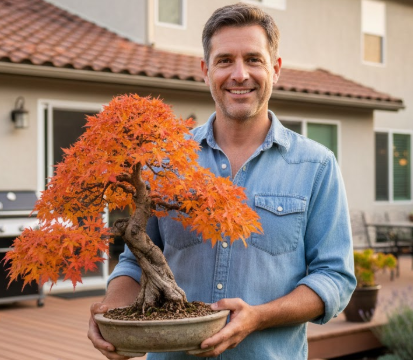
My name is Christopher Brown, I am 38 years old and I live in the United States. I am deeply passionate about the art of bonsai and have been cultivating trees for several years. What started as a simple curiosity turned into a daily practice and an important part of my life.
On this blog, I share my real experiences with bonsai — including what works, what doesn’t, and the lessons I learn along the way. I enjoy experimenting with techniques, observing the growth of each tree, and documenting the process with honesty and patience.
My goal with InfoWeHub is to help beginners feel more confident, avoid common mistakes, and discover the beauty of bonsai cultivation. If you are starting your journey or already love this art, you are welcome here.