
My Bonsai Journey: A Year of Growth, Trials, and Unexpected Turns
For decades, I’ve found myself captivated by the art of bonsai. It’s more than just gardening; it’s a delicate dance between human intention and the unwavering will of nature. I’ve always considered myself a student of this art, constantly learning and adapting my techniques. Last year, I decided to keep a detailed diary of my bonsai journey, documenting my expectations, the realities I faced, and the lessons I learned along the way. It’s been a year filled with surprises, both delightful and challenging, and I’m eager to share my experiences with you.
The Allure of the Miniature World
What drew me to bonsai in the first place? Perhaps it was the challenge of shaping and guiding a living thing, creating a miniature landscape that mirrors the beauty and complexity of the natural world. Or maybe it was the meditative aspect of the practice, the focus and patience required to nurture these tiny trees. Whatever the reason, I’ve found bonsai to be a deeply rewarding pursuit, one that connects me to the rhythms of nature and allows me to express my creativity in a unique and meaningful way.
Spring’s Promise: New Beginnings and Renewed Hope
Spring arrived with a burst of energy, filling me with renewed hope for my bonsai collection. After the dormant months of winter, I was eager to see my trees awaken and begin their new growth cycle. I had grand plans for the year ahead, envisioning lush foliage, vibrant blooms, and perfectly shaped branches.
Repotting and Root Pruning: A Necessary Evil
One of the first tasks of spring was repotting. This is a crucial process for maintaining the health and vigor of bonsai trees, as it allows for fresh soil, improved drainage, and the opportunity to prune the roots. I approached this task with a mix of excitement and trepidation. While I knew it was necessary, I also knew that it could be stressful for the trees. I carefully removed each tree from its pot, gently teased apart the root ball, and pruned away any dead or circling roots. It’s a delicate balance – removing enough to stimulate new growth without weakening the tree too much. I remember one particularly old Juniper that I was especially nervous about repotting. It had been in its pot for several years, and the root ball was incredibly dense. I spent hours carefully working on it, making sure not to damage any of the delicate roots. In the end, it all went well, and the Juniper seemed to thrive in its new pot, pushing out new growth with surprising vigor.
Fertilizing and Watering: The Foundation of Growth
With the repotting complete, I turned my attention to fertilizing and watering. Providing the right nutrients and moisture is essential for healthy growth. I used a balanced fertilizer, carefully diluted to avoid burning the roots. I also paid close attention to the watering needs of each tree, adjusting my approach based on the species, the weather, and the soil moisture levels. Overwatering is a common mistake among beginners, and I’ve certainly made my share of errors in the past. I’ve learned to check the soil moisture before watering, using my finger to gauge the dampness below the surface. This simple technique has helped me avoid overwatering and keep my trees healthy and happy. I use rainwater whenever possible, as it’s naturally soft and free of chemicals that can harm bonsai trees. Collecting rainwater is a simple way to provide my trees with the best possible water source.

Summer’s Challenge: Heat, Pests, and Patience
Summer brought its own set of challenges, testing my patience and demanding careful attention to my bonsai trees. The intense heat, combined with the increased risk of pests and diseases, required constant vigilance.
Combating the Summer Heat
The summer heat can be especially stressful for bonsai trees, which are often grown in small pots that can quickly dry out. I took several steps to protect my trees from the sun’s harsh rays, including providing shade during the hottest part of the day and increasing the frequency of watering. I also used a humidity tray, filled with pebbles and water, to create a more humid microclimate around the trees. This helped to reduce water loss and prevent the foliage from drying out. One year, I neglected to provide adequate shade for my prized Japanese Maple, and the leaves ended up getting scorched. It was a painful lesson, but it taught me the importance of protecting my trees from the summer heat. Now, I’m much more diligent about providing shade and monitoring the temperature around my bonsai collection. I’ve also experimented with different types of shade cloth, finding that a 50% shade cloth provides the perfect balance of light and protection for my trees.
Dealing with Pests and Diseases
Pests and diseases are a constant threat to bonsai trees, especially during the warm, humid months of summer. Aphids, spider mites, and scale insects can quickly infest a tree, sucking the sap and weakening its growth. I regularly inspect my trees for signs of infestation, using a magnifying glass to examine the leaves and branches closely. Early detection is key to preventing serious damage. I prefer to use organic pest control methods whenever possible, such as insecticidal soap and neem oil. These products are effective against many common pests and are less harmful to the environment than synthetic pesticides. I also make sure to keep my bonsai area clean and free of debris, as this can help to prevent pests and diseases from taking hold. Good hygiene is an essential part of bonsai care.
The Art of Defoliation
Defoliation, the removal of leaves, is a technique used to encourage new, smaller leaves and improve the overall appearance of a bonsai tree. I experimented with defoliation on several of my deciduous trees, carefully removing the leaves and hoping to stimulate new growth. The results were mixed. On some trees, the defoliation worked wonders, resulting in a flush of new, smaller leaves. On others, the response was less dramatic. I learned that the timing of defoliation is crucial. It’s best to defoliate in early summer, after the first flush of growth has hardened off. Defoliating too late in the season can weaken the tree and prevent it from properly preparing for winter. I also discovered that not all species respond well to defoliation. Some trees, such as pines and junipers, should never be defoliated. It’s important to research the specific needs of each species before attempting any advanced techniques like defoliation.
Autumn’s Beauty: Color Changes and Preparation for Winter
Autumn is a season of stunning beauty in the bonsai world, as the leaves of deciduous trees transform into a kaleidoscope of colors. It’s also a time to prepare the trees for the dormant months of winter.
The Magic of Autumn Colors
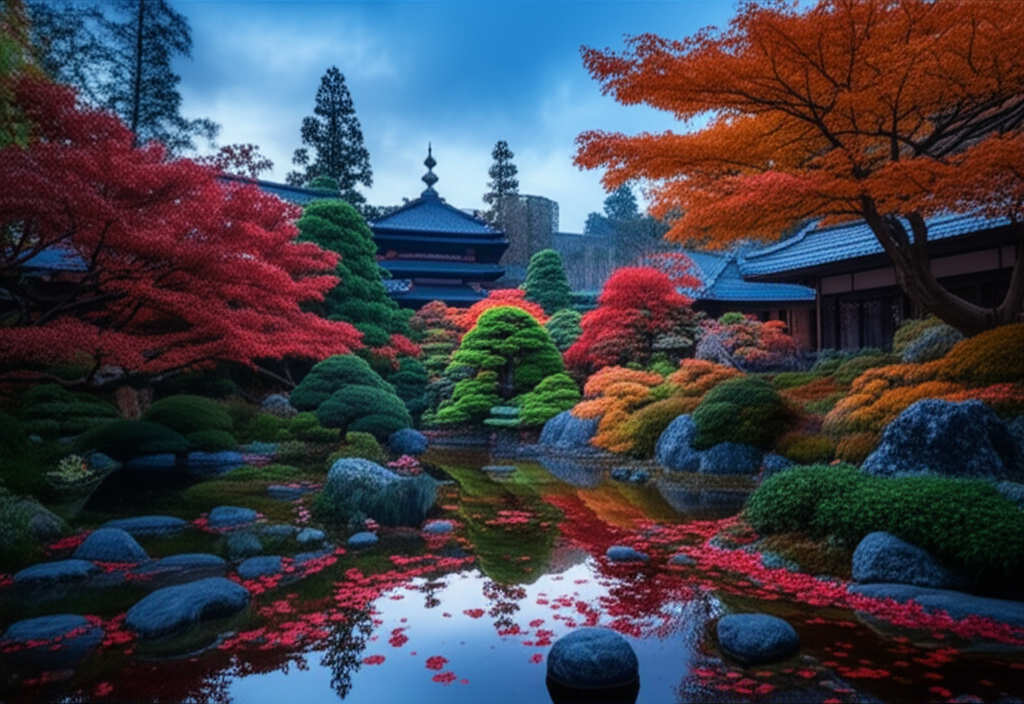
One of the most rewarding aspects of growing deciduous bonsai trees is witnessing the vibrant autumn colors. The leaves of Japanese Maples, in particular, turn brilliant shades of red, orange, and yellow, creating a breathtaking display. I eagerly awaited the color change each year, marveling at the beauty of nature. The intensity of the autumn colors can vary depending on the weather conditions. Cool nights and sunny days tend to produce the most vibrant colors. I made sure to provide my trees with optimal conditions for color development, watering them regularly and protecting them from strong winds. The autumn colors are a fleeting moment of beauty, a reminder of the cyclical nature of life. I tried to capture the beauty of the autumn colors in photographs, preserving the memories of each season.
Preparing for Winter Dormancy
As the days grew shorter and the temperatures dropped, I began preparing my bonsai trees for winter dormancy. This involved reducing the frequency of watering and fertilizing, and protecting the trees from frost and freezing temperatures. The specific winter care requirements vary depending on the species. Some trees, such as hardy junipers and pines, can tolerate freezing temperatures and can be left outdoors in a sheltered location. Other trees, such as tropical ficus and bougainvillea, are more sensitive to cold and need to be brought indoors for the winter. I have a small greenhouse where I overwinter my more delicate bonsai trees. The greenhouse provides a controlled environment, protecting the trees from frost and allowing me to maintain a consistent temperature and humidity level. Even hardy trees benefit from some protection during the winter. I often mulch around the base of the trees with straw or wood chips to insulate the roots from freezing temperatures. I also wrap the pots with burlap to protect them from cracking in the cold.
Pest Control Before Winter
Before the onset of winter, it’s vital to ensure your bonsai are pest-free. Dormant pests can quietly wreak havoc come spring, and a proactive approach saves significant trouble later. I meticulously inspected each tree for any signs of infestation, paying close attention to the undersides of leaves and crevices in the bark. Any detected pests were treated with a dormant oil spray, which smothers insects and their eggs, providing a clean slate for the winter months. This preemptive measure drastically reduces the likelihood of infestations erupting when the trees awaken from dormancy, giving them a healthier start to the growing season. It’s a small effort that pays dividends in the long run, contributing to the overall vigor and vitality of my bonsai collection.
Winter’s Stillness: Reflection and Planning
Winter is a time of quiet contemplation in the bonsai world. With the trees dormant, it’s a time to reflect on the past year and plan for the future. It’s a season where the visible activity slows, but beneath the surface, preparation for the next growth cycle is silently underway. It’s a period of assessment, adjustment, and anticipation.
Evaluating the Year’s Progress
During the winter months, I took the time to carefully evaluate the progress of my bonsai trees over the past year. I assessed their growth, health, and overall appearance, identifying areas where I could improve my techniques. Which trees thrived, and which struggled? What factors contributed to their success or failure? These are the questions I pondered as I examined each tree, looking for clues and insights that would inform my future actions. I also reviewed my bonsai diary, revisiting my notes on watering, fertilizing, pruning, and pest control. This helped me to identify patterns and trends, and to learn from my mistakes. It’s humbling to see the areas where I could have done better, but it’s also encouraging to see the successes and the positive impact of consistent care. This period of reflection is vital for continued improvement and growth as a bonsai artist.
Planning for the Future
With the past year behind me, I turned my attention to planning for the future. I sketched out new designs, experimented with different styling options, and researched new techniques. What new trees would I acquire? What existing trees would I repot or reshape? What new skills would I learn? These were the questions that filled my mind as I dreamed of the possibilities that lay ahead. I also spent time studying bonsai books and magazines, seeking inspiration and guidance from other bonsai artists. The bonsai community is a rich source of knowledge and support, and I always learn something new from connecting with other enthusiasts. The winter months are a time for intellectual growth and creative exploration, a chance to expand my understanding of the art of bonsai and to develop new skills and techniques.
The Importance of Patience
Bonsai is an art form that demands patience. It takes years, even decades, to develop a truly stunning bonsai tree. There are no shortcuts, no quick fixes. It requires dedication, perseverance, and a willingness to learn from your mistakes. I’ve learned that the most rewarding aspects of bonsai are not the final results, but the journey itself. The hours spent pruning, watering, and shaping the trees are a meditative practice, a way to connect with nature and to find peace and tranquility in the midst of a busy world. The slow, deliberate process of bonsai teaches you to appreciate the beauty of imperfection and to accept the unexpected turns that life inevitably takes. It’s a constant reminder that growth takes time, and that patience is a virtue.

Lessons Learned: Adapting Expectations to Reality
My year-long bonsai diary revealed a stark contrast between my initial expectations and the realities I encountered. I learned valuable lessons about patience, adaptability, and the importance of understanding the unique needs of each tree.
The Unpredictability of Nature
One of the biggest lessons I learned was the unpredictability of nature. No matter how carefully I planned and prepared, there were always unforeseen events that could impact my bonsai trees. A sudden heat wave, a surprise frost, or a pest infestation could quickly derail my best-laid plans. I learned to accept the fact that I couldn’t control everything, and that I needed to be flexible and adaptable in my approach. When things went wrong, I tried to remain calm and focused, assessing the situation and taking the necessary steps to mitigate the damage. Sometimes, the best course of action was simply to wait and see, allowing nature to take its course. This acceptance of the unpredictable is crucial in bonsai. It’s a partnership with nature, not a dictatorship over it.
The Importance of Observation
Another important lesson I learned was the importance of observation. By carefully observing my trees, I could detect subtle changes in their health and vigor, and take action before problems escalated. I learned to pay attention to the color of the leaves, the texture of the bark, and the growth patterns of the branches. I also learned to recognize the signs of stress, such as wilting leaves, yellowing foliage, and stunted growth. Regular observation allowed me to fine-tune my watering, fertilizing, and pruning practices, and to provide my trees with the optimal conditions for growth. It’s a constant dialogue between the artist and the tree, a process of listening and responding to its needs.
The Value of Community
Finally, I learned the value of community. Connecting with other bonsai enthusiasts provided me with support, encouragement, and a wealth of knowledge. I joined a local bonsai club, attended workshops and demonstrations, and participated in online forums. These interactions allowed me to learn from the experiences of others, to share my own knowledge, and to find inspiration and motivation. The bonsai community is a welcoming and supportive group, always willing to help each other learn and grow. Sharing experiences, successes, and failures is a key aspect of this community, creating a network of shared passion and mutual support. This sense of belonging is invaluable in a hobby that can sometimes feel isolating. Knowing that you’re not alone in your challenges, and that there are others who share your passion, makes the journey all the more rewarding.

Looking Ahead: Continuous Learning and Growth
As I embark on another year of my bonsai journey, I’m filled with a sense of excitement and anticipation. I know that there will be challenges and setbacks along the way, but I’m also confident that I’ll continue to learn and grow as a bonsai artist. The journey is never truly over. There’s always more to learn, more to experiment with, and more to appreciate in the intricate world of bonsai.
Embracing New Challenges
One of my goals for the coming year is to embrace new challenges and to step outside of my comfort zone. I plan to experiment with new techniques, such as grafting and air layering, and to try my hand at styling different species of trees. I also want to expand my collection, adding new trees that will challenge me to learn and grow in new ways. The pursuit of knowledge and skill is what keeps the art of bonsai engaging and rewarding. It’s a constant process of learning, adapting, and refining your approach. It’s this continuous growth that makes the journey so compelling and fulfilling.
Sharing My Knowledge
Another goal is to share my knowledge and passion with others. I plan to continue documenting my bonsai journey through my diary, sharing my experiences and insights with the online community. I also hope to lead workshops and demonstrations, teaching others the basics of bonsai and inspiring them to pursue this rewarding art form. Sharing my knowledge is a way to give back to the community and to help others discover the joy of bonsai. It’s also a great way to solidify my own understanding of the art, as teaching others forces me to articulate my thoughts and to refine my techniques. The act of sharing creates a positive feedback loop, where both the teacher and the student benefit from the exchange of knowledge and experience.
So, as I close the book on this past year and look towards the future, I am reminded that bonsai is more than just a hobby; it’s a lifelong journey of learning, growth, and connection with nature. It’s a practice that teaches patience, resilience, and the beauty of impermanence. And it’s a journey I’m grateful to be on, one branch, one leaf, one root at a time.
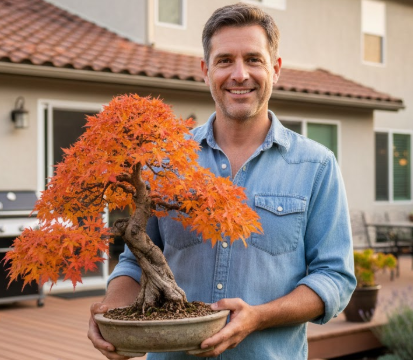
My name is Christopher Brown, I am 38 years old and I live in the United States. I am deeply passionate about the art of bonsai and have been cultivating trees for several years. What started as a simple curiosity turned into a daily practice and an important part of my life.
On this blog, I share my real experiences with bonsai — including what works, what doesn’t, and the lessons I learn along the way. I enjoy experimenting with techniques, observing the growth of each tree, and documenting the process with honesty and patience.
My goal with InfoWeHub is to help beginners feel more confident, avoid common mistakes, and discover the beauty of bonsai cultivation. If you are starting your journey or already love this art, you are welcome here.