
The Silent Signals of Distress
We often approach bonsai with a sense of serenity, a quiet understanding that these miniature trees are reflections of nature’s grandeur. We water, prune, and fertilize, confident in our ability to provide the perfect environment. But sometimes, despite our best efforts, a subtle shift occurs – a change in leaf color, a slight droop, or, as in my case, the sudden appearance of spots. These aren’t just blemishes; they are urgent whispers, the tree’s way of saying, “Something is wrong.”
I remember the day I first noticed them. I had been admiring my Japanese maple bonsai, a fiery red specimen that had been the pride of my collection for years. Its leaves were normally a vibrant, healthy crimson. But then, I saw it – a small, almost insignificant yellow spot on one of the lower leaves. I dismissed it at first, attributing it to a minor imperfection, perhaps a bit of sun scorch. But as the days turned into weeks, the spots multiplied, spreading like a slow-motion contagion across the canopy. What started as a minor concern quickly escalated into a full-blown crisis.
What I learned through this experience is that bonsai care isn’t just about following a routine; it’s about developing an acute awareness, a heightened sensitivity to the tree’s subtle cues. It’s about recognizing that those spots, that drooping branch, that unusual discoloration, are all pieces of a puzzle, clues that lead to understanding the underlying problem.
Decoding the Spots: A Diagnostic Journey
The appearance of spots on bonsai leaves can be attributed to a multitude of factors, ranging from fungal infections to nutrient deficiencies to pest infestations. The challenge lies in accurately diagnosing the cause, as misdiagnosis can lead to ineffective treatments and further damage to the tree. So, how do you approach this diagnostic journey? Here’s what I learned the hard way:
Visual Inspection: The First Line of Defense
The first step in diagnosing the problem is a thorough visual inspection. Don’t just glance at the tree; examine it closely, paying attention to every detail. What color are the spots? Are they raised or flat? Are they concentrated on certain areas of the tree, or are they scattered randomly? Are there any other symptoms, such as yellowing leaves, stunted growth, or signs of pests?
In my case, the spots were initially yellow, gradually turning brown and appearing slightly raised. This suggested a fungal infection, but I didn’t want to jump to conclusions. I carefully examined the undersides of the leaves, looking for any signs of mites or other pests. I also checked the soil for signs of excessive moisture or dryness. It’s crucial to document everything you see, perhaps even taking pictures to track the progression of the symptoms. Remember, a detailed observation is your most powerful tool.
Ruling Out the Obvious: Environmental Factors
Before diving into more complex diagnoses, it’s essential to rule out any obvious environmental factors that could be causing the problem. Is the tree getting enough sunlight? Is it being overwatered or underwatered? Is it exposed to extreme temperatures or drafts? Are you using the correct type of soil? These seemingly simple factors can have a profound impact on the health of your bonsai.
I realized I had made a crucial error in the watering schedule. During a particularly hot and dry spell, I had been so focused on preventing the soil from drying out completely that I inadvertently overwatered the tree. The constantly damp soil created the perfect breeding ground for fungal spores, leading to the dreaded leaf spots. This highlighted a fundamental principle of bonsai care: balance is key. Neither extreme dryness nor excessive moisture is beneficial.
Delving Deeper: Identifying Potential Pests and Diseases
If environmental factors are ruled out, the next step is to investigate potential pests and diseases. Many different pests can attack bonsai, including aphids, spider mites, scale insects, and mealybugs. These pests can suck the sap from the leaves, causing discoloration, distortion, and eventually, death. Diseases, such as fungal infections, can also cause a variety of symptoms, including leaf spots, stem rot, and root rot.
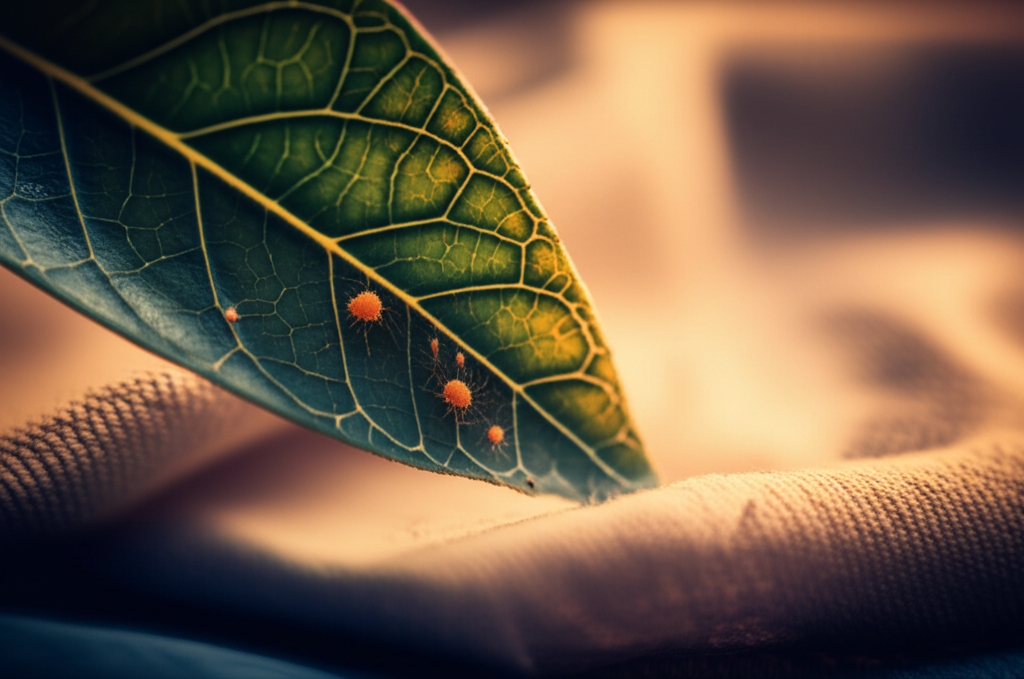
Identifying pests and diseases can be challenging, as they often manifest in subtle ways. A magnifying glass can be an invaluable tool for detecting tiny pests like spider mites. Look for telltale signs, such as webbing, sticky residue, or unusual bumps on the leaves or stems. If you suspect a disease, consult a bonsai expert or a plant pathologist for a definitive diagnosis. In my case, after careful examination, I confirmed the presence of a fungal infection, specifically, anthracnose, which is common in Japanese maples.
Taking Action: Treatment and Recovery
Once you have accurately diagnosed the problem, it’s time to take action. The specific treatment will depend on the cause of the leaf spots, but there are some general principles that apply to most situations.
Isolation and Quarantine: Preventing the Spread
If you suspect a pest or disease, the first step is to isolate the affected bonsai from your other plants. This will help prevent the problem from spreading and potentially infecting your entire collection. Place the affected tree in a separate area, away from direct sunlight and drafts. Monitor it closely for any further signs of deterioration. Quarantine is not just about protecting your other trees; it’s about giving the affected tree the space and quiet it needs to recover.
Targeted Treatment: Addressing the Root Cause
The next step is to implement a targeted treatment plan based on the specific diagnosis. For fungal infections, this may involve applying a fungicide specifically formulated for bonsai trees. For pest infestations, it may involve using an insecticide or miticide. Always follow the instructions on the product label carefully, and be sure to use protective gear, such as gloves and a mask, when applying chemicals. However, remember that chemical treatments should be a last resort. Whenever possible, opt for natural or organic solutions.
In my case, I used a copper-based fungicide to combat the anthracnose. I carefully sprayed the affected leaves, making sure to cover both the upper and lower surfaces. I also improved the air circulation around the tree by pruning away some of the denser foliage. And, most importantly, I adjusted my watering schedule to allow the soil to dry out slightly between waterings. It’s important to remember that treatment is not a one-time event; it’s an ongoing process that requires patience and persistence.
Supportive Care: Promoting Healthy Growth
In addition to targeted treatment, it’s also essential to provide supportive care to help the bonsai recover. This may involve repotting the tree with fresh soil, fertilizing it with a balanced fertilizer, and providing adequate sunlight and water. Remember that a healthy tree is better able to resist pests and diseases. By providing optimal growing conditions, you can help your bonsai bounce back from the brink.
I repotted my Japanese maple with a well-draining bonsai mix and added a slow-release fertilizer to provide a steady supply of nutrients. I also made sure to provide it with plenty of indirect sunlight and to water it thoroughly, but only when the top inch of soil felt dry to the touch. Recovery is a marathon, not a sprint. It takes time, patience, and consistent effort to restore a bonsai to its former glory.
Prevention is Better Than Cure: Establishing a Proactive Approach
While treating existing problems is important, the best approach to bonsai care is to prevent problems from occurring in the first place. By establishing a proactive approach, you can minimize the risk of leaf spots and other common bonsai ailments.
Regular Monitoring: Early Detection is Key
The most important aspect of a proactive approach is regular monitoring. Take the time to inspect your bonsai regularly, looking for any signs of trouble. The earlier you detect a problem, the easier it will be to treat. Don’t wait until the symptoms become severe; address them as soon as they appear. Think of yourself as a bonsai detective, constantly searching for clues that might indicate an underlying problem. This vigilance is the cornerstone of preventative care.
Proper Hygiene: Maintaining a Clean Environment
Maintaining a clean environment is also crucial for preventing pests and diseases. Remove any fallen leaves or debris from around the base of the tree, and clean your pruning tools regularly with rubbing alcohol. Avoid overcrowding your bonsai, as this can reduce air circulation and create a more favorable environment for pests and diseases. Good hygiene is not just about aesthetics; it’s about creating a healthy ecosystem for your bonsai to thrive.

Optimal Growing Conditions: Providing the Right Environment
Providing optimal growing conditions is essential for maintaining the health of your bonsai. This includes providing adequate sunlight, water, and nutrients, as well as protecting the tree from extreme temperatures and drafts. Research the specific needs of your bonsai species and adjust your care accordingly. Remember that each species has its own unique requirements. What works for a Japanese maple may not work for a juniper or a ficus. Understand your tree’s individual needs and cater to them accordingly.
Strategic Pruning: Enhancing Airflow and Light Penetration
Strategic pruning plays a vital role in preventing leaf spots and other issues. Regular pruning not only helps to maintain the desired shape and size of your bonsai but also improves air circulation and light penetration. By removing dense foliage, you can reduce the humidity around the leaves, making it less favorable for fungal growth. Pruning also allows you to identify and remove any diseased or damaged branches, preventing the problem from spreading to other parts of the tree. Pruning isn’t just about aesthetics; it’s about promoting overall health and vigor.
The Art of Observation: Beyond the Textbook
While books and articles can provide valuable information about bonsai care, there’s no substitute for hands-on experience and careful observation. The more time you spend with your bonsai, the better you will become at recognizing the subtle signs of distress. Learn to “read” your tree, to understand its individual needs, and to respond accordingly. This is where the art of bonsai truly comes alive.
I started keeping a journal, documenting not only my watering and fertilizing schedules but also my observations about the tree’s appearance, growth patterns, and overall health. I noted the color of the leaves, the texture of the bark, and the presence of any unusual features. This journal became an invaluable resource, allowing me to track changes over time and to identify potential problems early on. It’s about transforming passive observation into active learning.
Listening to the Whispers: Recognizing Subtle Changes
Bonsai communicate through subtle cues. A slight droop in the leaves, a change in color, a slower growth rate – these are all whispers that tell a story. Learn to listen to these whispers, to recognize the nuances that distinguish a healthy tree from one that is struggling. Pay attention to the details, even the seemingly insignificant ones. A single yellow leaf can be a warning sign of a much larger problem. It’s about developing a heightened sense of awareness, a deep connection with your tree.
Adapting and Evolving: Learning from Mistakes
Every bonsai journey is filled with challenges and setbacks. Mistakes are inevitable, but they can also be valuable learning opportunities. Don’t be afraid to experiment, to try new techniques, and to learn from your errors. The key is to be adaptable and to constantly evolve your approach. Embrace the challenges, learn from your mistakes, and never stop seeking knowledge. The path to bonsai mastery is paved with both successes and failures.
One of the most valuable lessons I learned was the importance of adjusting my watering schedule based on the weather conditions. During hot and dry periods, the tree needed more water, but during cool and humid periods, it needed less. This simple adjustment made a huge difference in the overall health of the tree. It was a reminder that bonsai care is not a rigid set of rules but a dynamic process that requires constant adaptation.
Beyond the Cure: A Deeper Connection
My experience with the leaf spots on my Japanese maple taught me far more than just how to treat fungal infections. It taught me the importance of observation, the value of prevention, and the power of resilience. It deepened my connection with my bonsai and transformed my approach to bonsai care. It’s easy to view bonsai as a hobby, a decorative pursuit. But it’s so much more than that. It’s a relationship, a partnership built on trust, respect, and mutual understanding.

The process of nurturing a bonsai is a metaphor for life itself. It teaches us patience, perseverance, and the importance of living in the present moment. It reminds us that growth takes time, that challenges are inevitable, and that beauty can be found even in imperfection. And, perhaps most importantly, it teaches us the power of connection, the profound sense of fulfillment that comes from caring for something deeply and watching it thrive.
The Enduring Value of Patience: Trusting the Process
Bonsai is a slow art. It requires patience, dedication, and a willingness to trust the process. There are no shortcuts, no quick fixes. It takes years, even decades, to develop a truly magnificent bonsai. But the rewards are immeasurable. The satisfaction of watching a tree grow and evolve, of shaping it into a work of art, is unlike anything else. It’s about accepting the rhythm of nature, understanding the cycles of growth and dormancy, and trusting that, with time and care, your bonsai will flourish.
Resilience and Renewal: Finding Beauty in Imperfection
Even with the best care, bonsai can experience setbacks. Pests, diseases, and environmental challenges can all take their toll. But these setbacks are not failures; they are opportunities for growth and renewal. Just as a tree can weather a storm and emerge stronger than before, so too can a bonsai overcome adversity and flourish anew. Embrace the imperfections, learn from the challenges, and find beauty in the resilience of nature. It’s about recognizing that even in the face of adversity, there is always hope for renewal.
My Japanese maple eventually recovered from the fungal infection, but it still bears the scars of its ordeal. Some of the leaves are slightly discolored, and some of the branches are not as vigorous as they once were. But these imperfections only add to its character, telling a story of resilience and perseverance. It’s a reminder that true beauty lies not in perfection but in the ability to overcome adversity and to continue growing, even in the face of challenges.
Sharing the Wisdom: Inspiring Others
The journey of bonsai is a deeply personal one, but it is also one that is best shared with others. By sharing your knowledge, your experiences, and your passion for bonsai, you can inspire others to embark on their own journey of discovery. Whether you teach a workshop, write a blog, or simply share your trees with friends and family, you can help to spread the joy and beauty of bonsai to a wider audience.

The Legacy of Learning: Passing on the Tradition
Bonsai is a tradition that has been passed down through generations. By learning from the masters and sharing your knowledge with others, you can help to preserve this ancient art form for future generations. Encourage others to explore the world of bonsai, to experiment with different techniques, and to develop their own unique style. Help them to appreciate the beauty and the artistry of these miniature trees. It’s about ensuring that the legacy of bonsai continues to thrive for centuries to come.
Creating Community: Connecting with Fellow Enthusiasts
The bonsai community is a vibrant and supportive one. By connecting with fellow enthusiasts, you can share your experiences, learn from others, and find inspiration. Join a local bonsai club, attend workshops and demonstrations, and participate in online forums. Share your successes, your failures, and your questions. The more you connect with others, the richer and more rewarding your bonsai journey will be. It’s about building relationships, fostering collaboration, and creating a shared passion for the art of bonsai.
And so, the spots on the leaves, initially a source of anxiety and frustration, ultimately became a catalyst for growth – not just for my bonsai, but for myself as well. They served as a powerful reminder that even in the face of adversity, there is always an opportunity to learn, to grow, and to deepen our connection with the natural world. And that, I believe, is the true essence of bonsai.
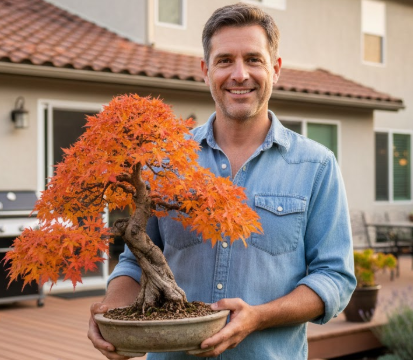
My name is Christopher Brown, I am 38 years old and I live in the United States. I am deeply passionate about the art of bonsai and have been cultivating trees for several years. What started as a simple curiosity turned into a daily practice and an important part of my life.
On this blog, I share my real experiences with bonsai — including what works, what doesn’t, and the lessons I learn along the way. I enjoy experimenting with techniques, observing the growth of each tree, and documenting the process with honesty and patience.
My goal with InfoWeHub is to help beginners feel more confident, avoid common mistakes, and discover the beauty of bonsai cultivation. If you are starting your journey or already love this art, you are welcome here.