
The Day I Butchered My Juniper
I’ve been practicing the art of bonsai for over twenty years now. You’d think that after two decades of shaping, wiring, and nurturing these miniature trees, I’d have mastered the art of restraint. You’d be wrong. There’s a saying in bonsai circles: “Less is more.” It’s a mantra I preach to beginners, a guiding principle I’ve repeated countless times. But sometimes, even the most seasoned practitioners stumble. I’m Christopher Brown, and this is the story of the day I almost killed my prized juniper, all because I lost my patience and got carried away with the shears.
It was a sunny Saturday morning, the kind of day that just begs you to be outdoors. I was feeling particularly inspired, brimming with ideas for refining the silhouette of my oldest juniper, a magnificent specimen I had acquired as a raw seedling many years ago. This tree was more than just a bonsai; it was a living testament to my dedication and a reflection of my journey in this ancient art form. It had weathered storms, both literally and figuratively, and stood as a symbol of resilience and the slow, steady passage of time. Or so I thought, until I got my hands on it.
The juniper was thriving. Its foliage was dense and vibrant green, a testament to the careful attention I had lavished upon it. But I had a vision, a very specific image in my mind of how I wanted it to look. I wanted to accentuate its windswept character, to create a more dramatic and dynamic form. I wanted to reveal the elegant lines of its trunk and branches, to expose its inner beauty. And that’s where the trouble began. My desire for immediate gratification, for instant transformation, completely overshadowed my better judgment.
The Allure of Immediate Transformation
Bonsai, at its core, is an exercise in patience. It’s about understanding the natural growth patterns of trees and working with them, not against them. It’s about guiding the tree’s development over years, even decades, to create a miniature representation of nature’s grandeur. But in that moment, I forgot all of that. I was seduced by the allure of immediate transformation. I wanted to see the results of my efforts right away. I wanted to sculpt the tree into my vision with a few quick snips. It was a fatal flaw, a moment of hubris that nearly cost me my beloved juniper.
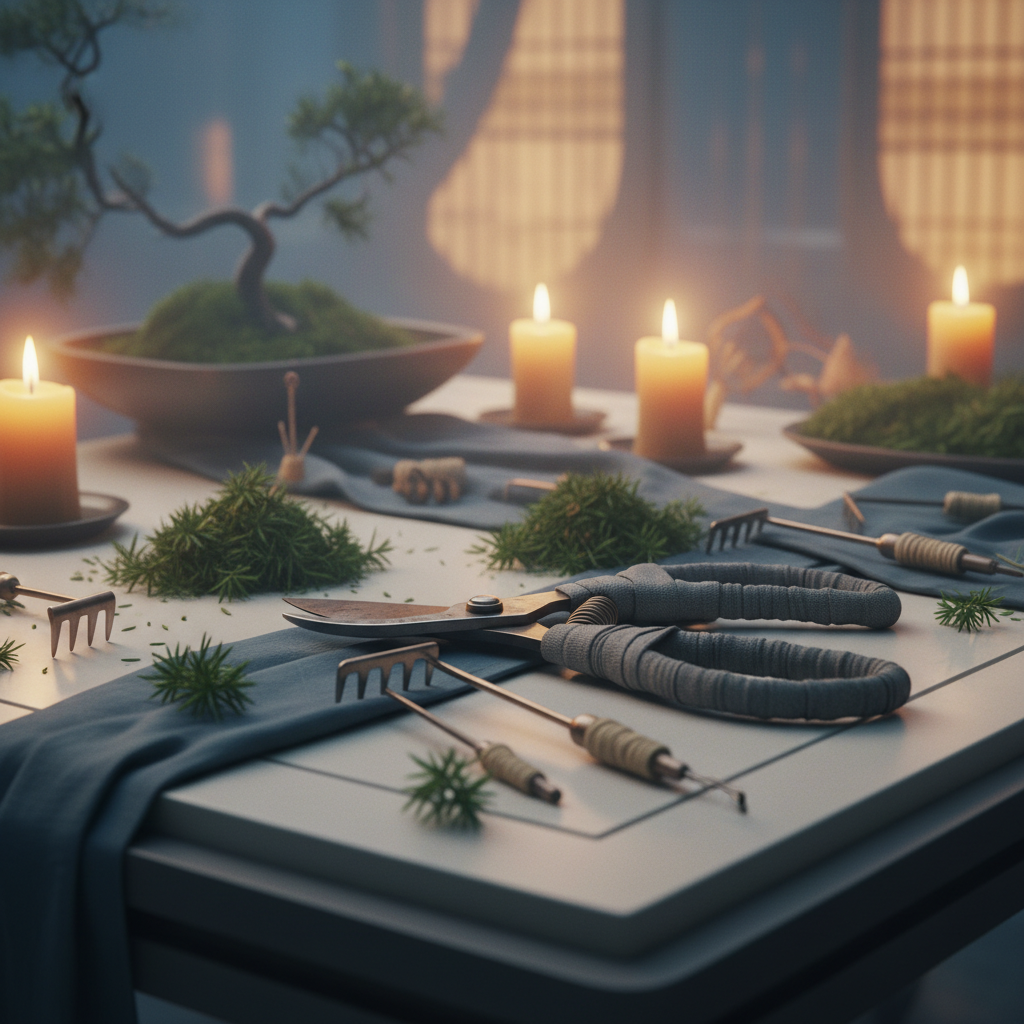
I started pruning with gusto, clipping away branches with reckless abandon. I was so focused on achieving my desired shape that I failed to consider the overall health and vitality of the tree. I removed too much foliage, exposing large areas of the trunk and branches to the harsh sunlight. I didn’t think about the delicate balance between growth and energy reserves. I was simply cutting and shaping, driven by impulse rather than careful consideration.
The Realization of My Mistake
It wasn’t until I stepped back to admire my handiwork that I realized the gravity of my mistake. The juniper looked…wrong. It was unbalanced, sparse, and almost skeletal. The elegant lines I had hoped to reveal were now harsh and angular. The dense foliage that had once been its crowning glory was gone, replaced by bare branches that seemed to reach out in desperation. I had stripped away too much, leaving the tree vulnerable and weakened.
A wave of guilt washed over me. I had betrayed the trust of this ancient tree, subjecting it to my impulsive whims. I had forgotten the fundamental principles of bonsai, the importance of patience, observation, and respect for nature. I had acted like a sculptor hacking away at a block of stone, rather than a caretaker nurturing a living being. The realization hit me hard: I had over-pruned, and I had jeopardized the life of my prized juniper.
The next few weeks were agonizing. I watched the juniper closely, anxiously monitoring its condition. The exposed branches began to show signs of sunscald, turning brown and brittle. The remaining foliage looked stressed and wilted. I feared the worst. I had visions of the tree slowly declining, its life force ebbing away until it was nothing more than a dried-out husk.
The Road to Recovery: A Lesson in Humility
I knew I had to act fast. I consulted with other bonsai enthusiasts, seeking their advice and guidance. I scoured books and online forums, researching the best ways to revive an over-pruned juniper. I learned that the key was to provide the tree with optimal conditions for recovery, to create an environment that would encourage new growth and protect it from further stress.
First, I moved the juniper to a shadier location, shielding it from the harsh afternoon sun. I watered it regularly, ensuring that the soil remained moist but not waterlogged. I also applied a diluted fertilizer solution, providing the tree with the nutrients it needed to rebuild its energy reserves. But perhaps the most important thing I did was to simply leave it alone. I resisted the urge to prune or shape it further, allowing it to recover at its own pace.
The waiting was excruciating. Days turned into weeks, and weeks into months. There were times when I almost gave up hope, when I convinced myself that the juniper was beyond saving. But then, one day, I noticed a tiny green bud emerging from a bare branch. It was a small sign, but it filled me with an overwhelming sense of relief and gratitude. The juniper was showing signs of life. It was fighting back.
Slowly but surely, the juniper began to recover. New foliage sprouted from the bare branches, gradually filling in the gaps. The sunscalded areas began to heal, and the tree regained its vibrant green color. It was a long and arduous process, but the juniper proved its resilience. It had survived my over-pruning, and it had taught me a valuable lesson in humility.
The Deeper Meaning of Patience in Bonsai
The experience with my juniper forced me to re-evaluate my approach to bonsai. I realized that it’s not just about aesthetics; it’s about understanding the tree’s needs and working in harmony with nature. It’s about respecting the slow, steady pace of growth and development, and resisting the temptation to rush the process. It’s about recognizing that sometimes, the best thing you can do is to simply step back and let nature take its course.
Bonsai is often described as a metaphor for life. It teaches us the importance of patience, perseverance, and adaptability. It reminds us that growth takes time and that setbacks are inevitable. It challenges us to find beauty in imperfection and to appreciate the present moment. And it shows us that even the most resilient beings can be vulnerable, and that it’s our responsibility to care for them with compassion and understanding.
My over-pruning incident was a painful reminder of these lessons. It forced me to confront my own impatience and to recognize the importance of restraint. It taught me that true mastery of bonsai is not about imposing my will on the tree, but about nurturing its potential and allowing it to express its unique character. It’s about listening to the tree, understanding its needs, and responding with patience and care.
Beyond Aesthetics: The Emotional Connection
There’s a deep emotional connection that forms between a bonsai artist and their trees. These miniature landscapes become reflections of our own inner worlds, embodying our hopes, dreams, and anxieties. We invest our time, energy, and emotions into their care, and they reward us with their beauty, resilience, and the quiet satisfaction of creating something truly unique.
Losing a bonsai, even temporarily, can be a deeply emotional experience. It’s like losing a part of yourself, a piece of your history. The fear of harming or killing a tree is a constant companion for any bonsai enthusiast. It’s a reminder of our responsibility to protect and preserve these living works of art. And it’s a testament to the power of nature to inspire and heal us.
My juniper is more than just a tree; it’s a symbol of my journey in bonsai, a reminder of the lessons I’ve learned, and a testament to the enduring power of nature. It’s a living work of art that I will continue to nurture and cherish for many years to come. And it’s a constant reminder to practice patience, to respect the natural world, and to never underestimate the resilience of life.
The Importance of Observation and Adaptation
One of the most crucial skills in bonsai is the ability to observe and adapt. Every tree is different, and each one will respond to pruning, wiring, and other techniques in its own unique way. It’s essential to pay close attention to the tree’s growth patterns, foliage color, and overall health, and to adjust your approach accordingly.
Over-pruning is a common mistake, especially among beginners. It’s easy to get carried away with the shears, especially when you’re trying to achieve a specific design. But it’s important to remember that the tree’s health always comes first. It’s better to prune conservatively and gradually, rather than to remove too much foliage at once. And if you do make a mistake, don’t panic. Learn from it, adapt your approach, and give the tree the care it needs to recover.
Adaptation also applies to the environment. Bonsai trees are often grown in small containers, which means they are more susceptible to changes in temperature, humidity, and sunlight. It’s important to monitor these factors and to adjust your care accordingly. For example, during hot, dry weather, you may need to water your trees more frequently. And during cold weather, you may need to protect them from frost.
Sharing the Lessons: Mentoring New Enthusiasts
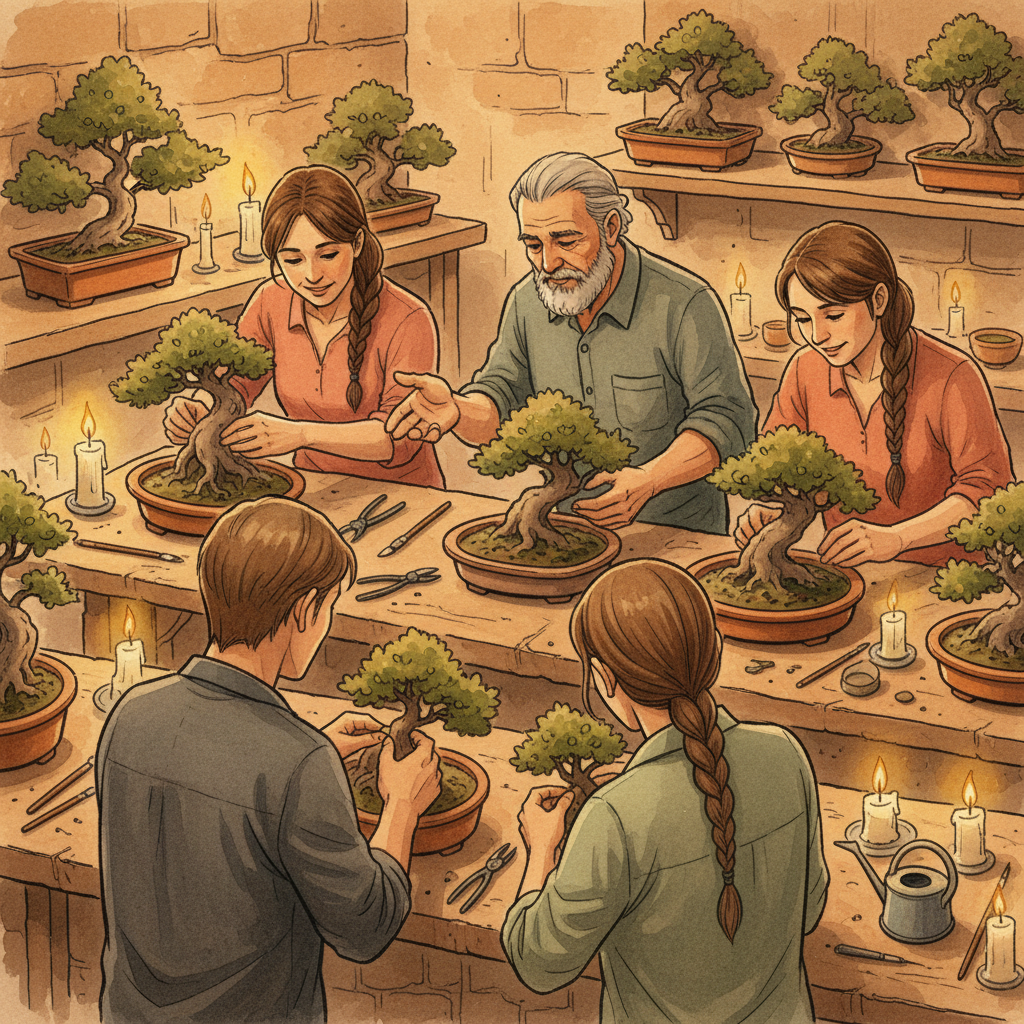
Now, years after my over-pruning incident, I find myself in the role of mentor, guiding new enthusiasts on their own bonsai journeys. I share my experiences, both successes and failures, in the hope that they can learn from my mistakes. I emphasize the importance of patience, observation, and respect for nature. And I encourage them to develop their own unique style and approach to bonsai.
I often tell them the story of my juniper, the tree I almost killed with my impatience. It’s a cautionary tale, but it’s also a story of resilience and redemption. It reminds them that mistakes are inevitable, but that they can be overcome with perseverance and a willingness to learn. And it shows them that even the most experienced bonsai artists are still learning and growing.
Mentoring new enthusiasts is a rewarding experience. It allows me to share my passion for bonsai and to contribute to the preservation of this ancient art form. It also challenges me to continue learning and growing, to stay open to new ideas, and to never lose sight of the fundamental principles of bonsai. And it reminds me that the true joy of bonsai is not in the final product, but in the journey itself.
The Community of Bonsai
The bonsai community is a supportive and welcoming group of people. Enthusiasts from all over the world share their knowledge, experiences, and passion for bonsai. Online forums, local clubs, and national conventions provide opportunities to connect with other bonsai artists, to learn from their expertise, and to share your own insights.
I’ve found the bonsai community to be an invaluable resource. I’ve learned so much from other enthusiasts, and I’ve made many lifelong friends. The community is a place where you can ask questions, share your successes and failures, and find inspiration and encouragement. It’s a place where you can feel like you belong, even if you’re just starting out.
I encourage anyone who is interested in bonsai to join the community. Attend a local club meeting, visit a bonsai nursery, or participate in an online forum. You’ll be amazed at the wealth of knowledge and support that’s available. And you’ll discover a lifelong passion that will bring you joy and fulfillment.
The Ongoing Journey: A Lifelong Pursuit
Bonsai is not a destination; it’s a journey. It’s a lifelong pursuit of learning, growing, and connecting with nature. There will be successes and failures, moments of inspiration and moments of frustration. But through it all, the journey will be rewarding and enriching.
I’m still learning about bonsai, even after twenty years. I’m constantly experimenting with new techniques, exploring different styles, and challenging myself to grow as an artist. I know that I’ll never reach a point where I’ve “mastered” bonsai. There’s always more to learn, more to discover, and more to appreciate.
And that’s what makes bonsai so captivating. It’s a journey that never ends, a pursuit that constantly challenges and inspires. It’s a way of life that connects you to nature, to your community, and to yourself. And it’s a legacy that you can pass on to future generations.
Embracing Imperfection: Wabi-Sabi in Bonsai
The Japanese concept of *wabi-sabi* is deeply intertwined with bonsai. *Wabi-sabi* is the acceptance of transience and imperfection. It’s about finding beauty in the natural cycle of growth and decay, and in the unique character of each individual tree.
In bonsai, *wabi-sabi* is reflected in the appreciation of aged bark, weathered branches, and asymmetrical forms. It’s about embracing the imperfections that make each tree unique and beautiful. It’s about recognizing that true beauty lies not in perfection, but in the natural process of growth and change.
My over-pruning incident taught me the importance of *wabi-sabi*. It reminded me that mistakes are part of the learning process, and that they can even add character to a tree. The scars on my juniper are a reminder of my mistake, but they’re also a testament to its resilience and its ability to overcome adversity. They’re a symbol of *wabi-sabi*, a reminder that true beauty lies in imperfection.

Looking Forward: Continuing the Bonsai Legacy
As I look ahead, I’m filled with a sense of gratitude and excitement. I’m grateful for the lessons I’ve learned from my bonsai trees, for the community of enthusiasts who have supported me, and for the opportunity to share my passion with others. And I’m excited to continue growing as an artist, to explore new techniques, and to contribute to the preservation of this ancient art form.
I hope that my story will inspire others to embark on their own bonsai journeys. It’s a challenging and rewarding pursuit that will bring you closer to nature, to your community, and to yourself. And it’s a legacy that you can pass on to future generations.
So, pick up a pair of shears, find a sapling, and start your own bonsai adventure. Just remember to be patient, observant, and respectful of nature. And don’t be afraid to make mistakes. They’re part of the learning process. And who knows, you might just end up with a bonsai tree that tells your own unique story of resilience, beauty, and the enduring power of nature. And if you ever over-prune, don’t worry, you’re not alone. We all do it. The important thing is to learn from your mistakes and to keep growing.
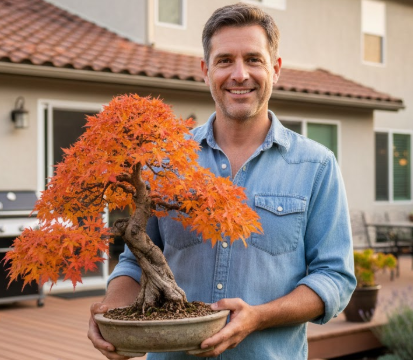
My name is Christopher Brown, I am 38 years old and I live in the United States. I am deeply passionate about the art of bonsai and have been cultivating trees for several years. What started as a simple curiosity turned into a daily practice and an important part of my life.
On this blog, I share my real experiences with bonsai — including what works, what doesn’t, and the lessons I learn along the way. I enjoy experimenting with techniques, observing the growth of each tree, and documenting the process with honesty and patience.
My goal with InfoWeHub is to help beginners feel more confident, avoid common mistakes, and discover the beauty of bonsai cultivation. If you are starting your journey or already love this art, you are welcome here.