
The Day I Looked at My Tap Water Differently
For years, I nurtured my bonsai with the same water I used to brew my morning coffee: tap water. It seemed simple, convenient. I never really questioned it. The trees thrived, or so I thought. It wasn’t until I stumbled upon a dusty old book on bonsai cultivation that I even considered rainwater as an alternative. The book spoke of its purity, its natural composition, and its subtle, yet profound, impact on the health and vitality of these miniature trees. It planted a seed, a tiny seed of doubt, about my comfortable routine.
I remember the day vividly. I was rinsing a newly acquired trident maple bonsai under the tap, the water gushing out with surprising force. The chlorine scent was strong, almost overpowering. It was then that the book’s words echoed in my mind. Was I unknowingly subjecting my prized bonsai to a constant barrage of chemicals? Was I missing out on something crucial, something that could unlock their full potential?
The decision to switch to rainwater wasn’t immediate. It involved research, planning, and a significant shift in my mindset. It meant accepting a bit more inconvenience, a bit more effort. But the potential benefits, as the book suggested, were too enticing to ignore. So, I embarked on a new chapter in my bonsai journey, one that started with a simple rain barrel and a newfound appreciation for the gifts of nature.
My Initial Setup: Humble Beginnings
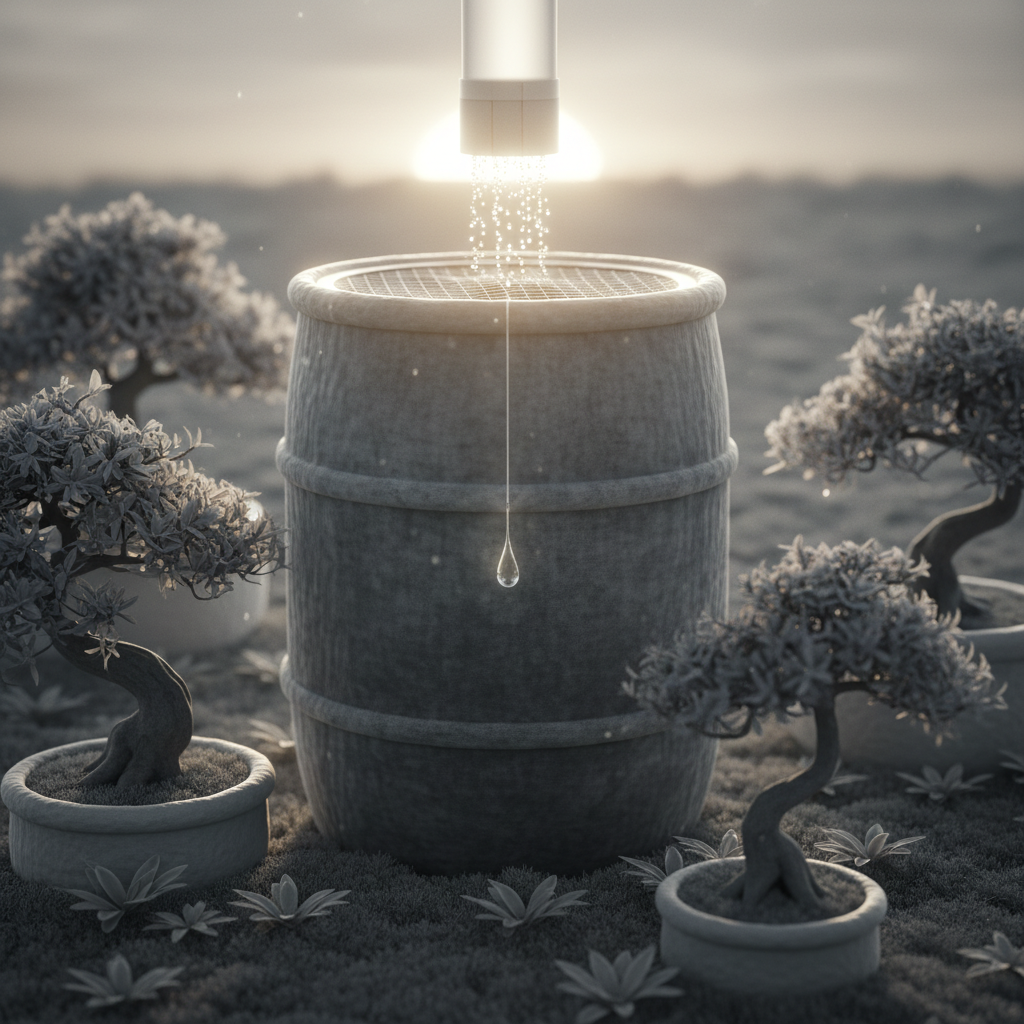
My first rainwater collection system was far from sophisticated. I wasn’t ready to invest in elaborate filtration systems or massive storage tanks. Instead, I opted for a basic, yet functional, setup. I purchased a standard 55-gallon plastic rain barrel, complete with a mesh screen to filter out leaves and debris. I positioned it strategically beneath the downspout of my garage, ensuring a steady flow of rainwater during storms.
The initial investment was minimal, but the learning curve was steep. I quickly realized that the mesh screen alone wasn’t enough to keep the water completely clean. Fine particles of dust and pollen still managed to seep through, creating a murky sediment at the bottom of the barrel. I had to devise a way to pre-filter the water before it even reached the barrel.
My solution was simple yet effective: I wrapped a layer of cheesecloth around the downspout opening, securing it with a rubber band. This acted as a primary filter, catching the majority of the larger particles. I also learned to regularly clean the barrel and the filters to prevent algae growth and maintain water quality. It wasn’t a perfect system, but it was a start. It was a tangible step towards providing my bonsai with the purest water possible.
The biggest challenge was storage. A single 55-gallon barrel wasn’t nearly enough to sustain my bonsai collection during prolonged dry spells. I considered adding more barrels, but space was limited. I also explored the possibility of building an underground cistern, but the cost was prohibitive. For the time being, I relied on careful monitoring of the weather forecast and judicious rationing of my rainwater supply. It taught me a valuable lesson in resource management and the importance of being mindful of nature’s rhythms.
The First Taste of Rainwater: A Noticeable Difference
The first time I watered my bonsai with collected rainwater, I was filled with anticipation. I carefully filled my watering can, the water clear and odorless. As I gently poured it over the soil, I couldn’t help but feel a sense of connection to nature, a sense of participating in a natural cycle. It was more than just watering a plant; it was nourishing it with the very essence of life.
Over the next few weeks, I began to notice subtle, yet significant, changes in my bonsai. The leaves seemed to be a deeper shade of green, their texture more vibrant. The soil retained moisture better, reducing the frequency of watering. And perhaps most importantly, the trees seemed to be more resilient to pests and diseases. It was as if they were thriving on the purity and natural energy of the rainwater.
One particular bonsai, a Japanese maple that had been struggling for years, showed a remarkable turnaround. Its leaves had always been pale and brittle, its growth stunted. But after switching to rainwater, it began to produce new, healthy foliage. The leaves were a rich, vibrant red, and the tree seemed to be bursting with new life. It was a testament to the power of nature and the importance of providing our bonsai with the best possible growing conditions.
The Unexpected Algae Bloom: A Costly Mistake
My initial success with rainwater was intoxicating. I was so convinced of its benefits that I became complacent. I stopped paying attention to the details, to the subtle signs that something was amiss. That’s when I made a costly mistake: I failed to properly maintain my rainwater collection system, and an algae bloom ensued.
It started subtly, with a greenish tinge in the water. I dismissed it as harmless, thinking it was just a natural byproduct of the rainwater. But as the days passed, the algae grew thicker, clouding the water and emitting a foul odor. It was a breeding ground for bacteria and other microorganisms, a toxic soup that was anything but beneficial for my bonsai.
I didn’t realize the extent of the problem until it was too late. My bonsai began to show signs of distress. Their leaves turned yellow and drooped, their growth slowed, and their overall health deteriorated. I was horrified. I had inadvertently poisoned my prized trees with my own ignorance.
The cleanup was arduous. I had to drain the entire barrel, scrub it clean with bleach, and disinfect all my watering tools. I also had to treat my bonsai with a fungicide to combat the effects of the algae. It was a humbling experience, a stark reminder that even the best intentions can backfire if not accompanied by diligence and attention to detail.
Lessons Learned: Filtration and Regular Maintenance
The algae bloom was a painful, but ultimately valuable, lesson. It taught me the importance of proper filtration and regular maintenance of my rainwater collection system. I realized that I couldn’t simply rely on a basic mesh screen and occasional cleaning. I needed a more robust filtration system to remove fine particles, algae spores, and other contaminants.
I invested in a multi-stage filtration system that included a sediment filter, a carbon filter, and a UV sterilizer. The sediment filter removed larger particles, the carbon filter removed chlorine and other chemicals, and the UV sterilizer killed any remaining bacteria and algae spores. It was a significant upgrade from my initial setup, but it was well worth the investment. The water was now crystal clear and free of any harmful contaminants.
I also implemented a strict maintenance schedule. I cleaned the filters every month, replaced them every six months, and thoroughly cleaned the barrel every year. I also added a small amount of copper sulfate to the water to prevent algae growth. It was a more time-consuming process, but it ensured that my rainwater was always safe and beneficial for my bonsai.
The pH Factor: A Subtle but Crucial Adjustment
Another important lesson I learned about rainwater was its pH level. Rainwater is naturally slightly acidic, with a pH of around 5.5 to 6.5. This acidity is due to the absorption of carbon dioxide from the atmosphere. While this slight acidity is generally beneficial for most plants, some bonsai species prefer a more neutral pH.
I discovered that my azalea bonsai, in particular, were not thriving on the slightly acidic rainwater. Their leaves were turning yellow, and their growth was stunted. I suspected that the low pH was interfering with their ability to absorb nutrients from the soil. I needed to find a way to raise the pH of the rainwater without introducing harmful chemicals.
My solution was simple: I added a small amount of crushed limestone to the water. Limestone is a natural source of calcium carbonate, which acts as a pH buffer. It gradually raises the pH of the water to a more neutral level, making it more suitable for my azaleas. I experimented with different amounts of limestone until I found the perfect balance, one that kept the pH within the optimal range for my azaleas.
The results were remarkable. Within a few weeks, my azalea bonsai began to show signs of improvement. Their leaves turned a healthy green, and their growth accelerated. It was a testament to the importance of understanding the specific needs of each bonsai species and adjusting the water accordingly.
It also highlighted the importance of regular pH testing. I purchased a simple pH meter and tested the rainwater regularly to ensure that it remained within the optimal range. This allowed me to make adjustments as needed, ensuring that my bonsai always received the best possible care.

Beyond Watering: Other Uses for Rainwater in Bonsai Care
Collecting rainwater for my bonsai wasn’t just about watering. I soon discovered that it had a multitude of other uses in bonsai care. One of the most surprising benefits was its effectiveness as a foliar spray. The pure, chemical-free water helped to remove dust and debris from the leaves, allowing them to better absorb sunlight and nutrients. It also helped to prevent fungal diseases and pests.
I also used rainwater to soak my bonsai pots before repotting. The water helped to loosen the soil and make it easier to remove the bonsai from its pot. It also helped to hydrate the roots, reducing the stress of repotting. It was a simple, yet effective, way to ensure a successful repotting.
Furthermore, I found that rainwater was ideal for cleaning my bonsai tools. The pure water helped to remove sap and other debris from the tools, preventing them from rusting and corroding. It also helped to sterilize the tools, preventing the spread of diseases from one bonsai to another.
The more I used rainwater, the more I appreciated its versatility and its countless benefits. It became an integral part of my bonsai care routine, a natural and sustainable way to nurture my prized trees.
The Long-Term Impact: Healthier Trees, Deeper Connection
Years after making the switch to rainwater, I can confidently say that it was one of the best decisions I’ve ever made for my bonsai. My trees are healthier, more vibrant, and more resilient than ever before. They seem to thrive on the purity and natural energy of the rainwater, exhibiting a vitality that I never witnessed when using tap water.
But the benefits extend beyond the physical health of my bonsai. Collecting rainwater has also fostered a deeper connection to nature. It has made me more aware of the rhythms of the seasons, the importance of water conservation, and the interconnectedness of all living things. It has transformed my bonsai hobby into a truly sustainable practice, one that benefits both my trees and the environment.
The journey hasn’t been without its challenges. There have been algae blooms, pH imbalances, and periods of drought. But these challenges have only strengthened my resolve and deepened my understanding of bonsai care. They have taught me the importance of patience, observation, and continuous learning.
If you’re considering collecting rainwater for your bonsai, I wholeheartedly encourage you to do so. It’s a simple, yet profound, way to improve the health and vitality of your trees and to connect with nature on a deeper level. Just remember to start small, do your research, and be prepared to learn from your mistakes. The rewards are well worth the effort.
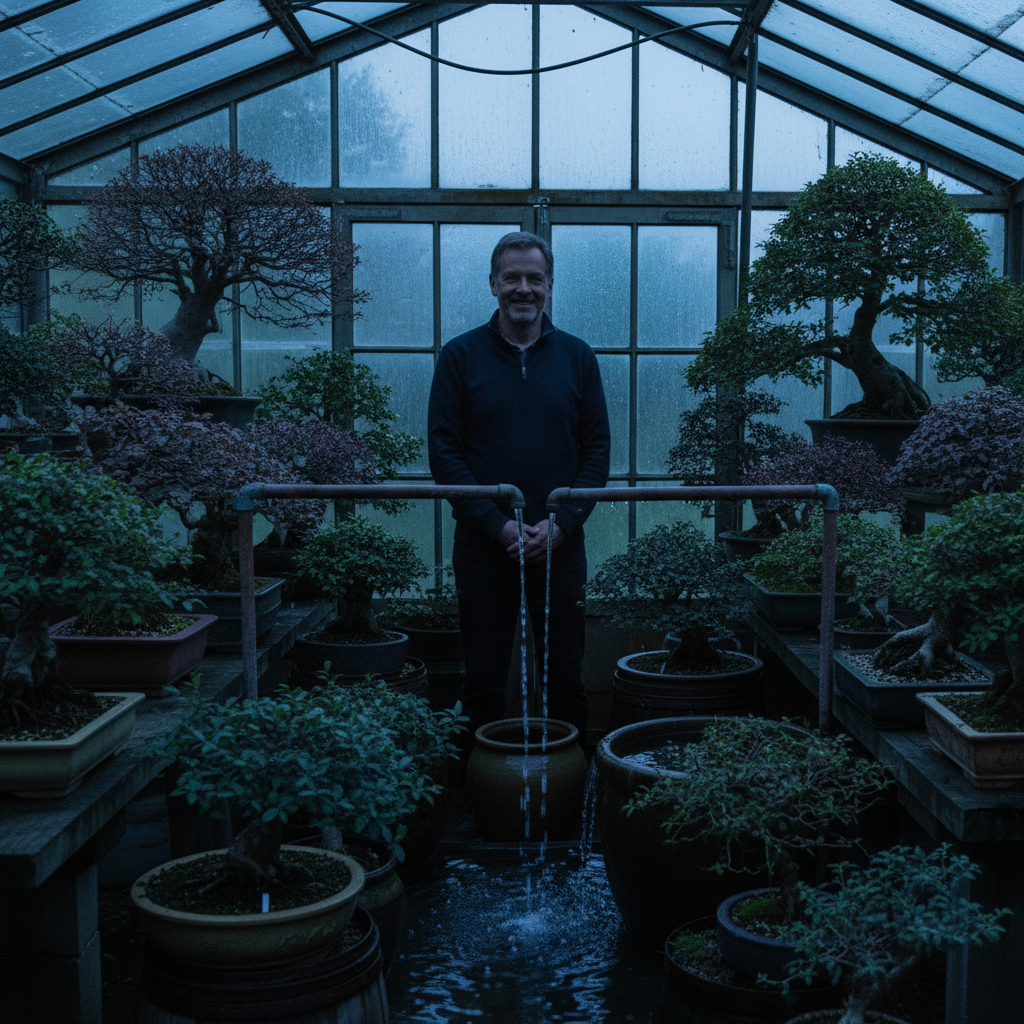
Ultimately, the switch to rainwater was more than just a change in watering habits; it was a change in perspective. It taught me to appreciate the simple things, to value the resources that nature provides, and to approach my bonsai with a greater sense of respect and understanding. And that, perhaps, is the greatest lesson of all.
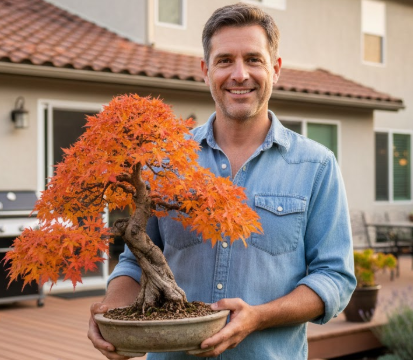
My name is Christopher Brown, I am 38 years old and I live in the United States. I am deeply passionate about the art of bonsai and have been cultivating trees for several years. What started as a simple curiosity turned into a daily practice and an important part of my life.
On this blog, I share my real experiences with bonsai — including what works, what doesn’t, and the lessons I learn along the way. I enjoy experimenting with techniques, observing the growth of each tree, and documenting the process with honesty and patience.
My goal with InfoWeHub is to help beginners feel more confident, avoid common mistakes, and discover the beauty of bonsai cultivation. If you are starting your journey or already love this art, you are welcome here.