
The Silent Killer in My Bonsai Garden: A Confession
I’ve been nurturing bonsai for nearly thirty years now. Thirty years of meticulously shaping, pruning, and coaxing these miniature trees to reflect the grandeur of nature on a smaller scale. It’s a journey of patience, a dance between control and surrender, and a constant learning experience. And it’s in that spirit of learning that I want to share a rather uncomfortable chapter from my bonsai journey – my early, and frankly, reckless, use of pesticides.
There’s a certain allure to pesticides, isn’t there? A promise of a quick fix, a shield against the unseen enemies that threaten our beloved plants. I remember the first time I noticed aphids attacking my prized Japanese maple bonsai. Panic set in. I had invested so much time, energy, and frankly, money into this tree. The thought of losing it to these tiny sap-suckers was unbearable. So, I did what I thought was the logical thing: I went to the local garden center and bought the strongest pesticide they had.
Looking back, I shudder at my ignorance. I didn’t research the specific type of aphids, I didn’t consider the potential side effects of the pesticide on the tree, and I certainly didn’t think about the long-term consequences for the soil and the overall ecosystem within my bonsai pot. I just sprayed, and sprayed liberally, until those aphids were gone. Problem solved, right? Wrong.
The Initial “Success” and the Lingering Doubt
Initially, it seemed like a miracle. The aphids vanished. My maple seemed to breathe a sigh of relief, its leaves regaining their vibrant color. I felt a sense of accomplishment, a smug satisfaction in having conquered the enemy. But that feeling was short-lived. Soon, I noticed something wasn’t quite right. The leaves started to curl at the edges, and a strange, almost metallic sheen appeared on their surface. The soil, once teeming with life, seemed lifeless and compacted.
I was puzzled. Had the aphids somehow mutated and become resistant to the pesticide? Or was something else going on? It took me weeks of research, consultation with other bonsai enthusiasts, and a painful process of trial and error to realize the truth: I had poisoned my tree. The pesticide, in its indiscriminate assault on the aphids, had also damaged the delicate balance of the bonsai’s ecosystem. It had killed beneficial insects, disrupted the soil’s natural processes, and weakened the tree’s overall health.
This experience was a harsh lesson, a painful reminder that quick fixes often come with unintended consequences. It forced me to re-evaluate my approach to pest control and to adopt a more holistic, sustainable, and frankly, more responsible approach to bonsai care. It made me wonder: how many others were making the same mistakes I was?
Understanding the Risks: More Than Just Dead Bugs
The problem with pesticides is that they rarely discriminate. They’re designed to kill insects, but they can also harm beneficial organisms, like ladybugs, lacewings, and predatory mites, which play a crucial role in keeping pest populations in check. When you eliminate these natural predators, you create a vacuum that other pests can quickly fill, leading to a cycle of pesticide dependence.
Moreover, many pesticides are toxic to plants, especially when used in high concentrations or applied improperly. They can damage leaves, stunt growth, and even kill the tree outright. And the effects aren’t always immediate. Sometimes, the damage manifests slowly over time, making it difficult to pinpoint the cause.
But the risks don’t stop there. Pesticides can also contaminate the soil, disrupting its delicate balance of microorganisms and affecting its ability to retain water and nutrients. This can lead to long-term soil degradation, making it difficult for the bonsai to thrive. I saw this firsthand with my maple. The soil became hard and compacted, and the tree struggled to absorb water and nutrients, even after I stopped using pesticides.

And let’s not forget the potential risks to human health. Many pesticides are toxic to humans, and exposure can lead to a range of health problems, from skin irritation and respiratory issues to more serious conditions like cancer. I remember feeling nauseous and dizzy after spraying my maple, even though I was wearing gloves and a mask. It was a stark reminder of the dangers involved.
Case Study: The Juniper That Never Recovered
Beyond my maple, I had a particularly heartbreaking experience with a Juniper procumbens ‘Nana’. I noticed spider mites, those near-invisible pests that leave a telltale webbing on the foliage. Again, I reached for the pesticide. This time, I thought I was being smarter. I diluted the pesticide more than the instructions recommended. Surely, a weaker dose would be safer, right?
Wrong again. While the diluted pesticide didn’t immediately kill the spider mites, it also didn’t eliminate them completely. They lingered, weakened but alive, and quickly developed resistance to the pesticide. Meanwhile, the weakened solution damaged the delicate waxy coating on the juniper’s needles, making it more susceptible to fungal diseases. The juniper slowly declined over the next few months, despite my best efforts to revive it. It eventually succumbed to a fungal infection, a direct consequence of my misguided attempt to control the spider mites with pesticides.
That juniper was a turning point for me. It was a painful lesson that pesticides are not a silver bullet, and that their misuse can have devastating consequences. It solidified my commitment to finding alternative, more sustainable methods of pest control.
Embracing the Alternatives: A Holistic Approach
So, what are the alternatives to pesticides? Fortunately, there are many, and they’re often more effective and less harmful in the long run. The key is to adopt a holistic approach that focuses on preventing pest problems in the first place and addressing them with targeted, natural solutions when they do arise.
One of the most important things you can do is to create a healthy environment for your bonsai. This means providing them with the right amount of sunlight, water, and nutrients, and ensuring that they have good air circulation. Healthy trees are naturally more resistant to pests and diseases. Think of it like this: a well-nourished, healthy human is less likely to get sick than someone who is constantly run down and stressed.
Regular inspection is also crucial. By carefully examining your bonsai on a regular basis, you can catch pest problems early, before they become severe. Look for signs of infestation, such as aphids, spider mites, scale, or mealybugs. Check the undersides of leaves, where pests often hide. The earlier you detect a problem, the easier it will be to control.
Natural Enemies: The Gardener’s Best Friends
Another powerful tool in the fight against pests is the use of natural enemies. Ladybugs, lacewings, and predatory mites are all voracious predators that feed on aphids, spider mites, and other common bonsai pests. You can purchase these beneficial insects online or at your local garden center and release them into your bonsai garden. They’ll happily patrol your trees, keeping pest populations in check.
I’ve had great success with ladybugs. I remember releasing a small army of them onto my citrus bonsai, which was heavily infested with aphids. Within a few days, the aphids were gone, and the ladybugs were happily munching away on any remaining stragglers. It was a truly satisfying sight, a testament to the power of nature’s own pest control system.

Homemade Solutions: Simple and Effective
You can also create your own natural pest control solutions using ingredients you probably already have in your kitchen. For example, a simple solution of soap and water can be effective against aphids, spider mites, and other soft-bodied insects. Just mix a few drops of dish soap with water in a spray bottle and apply it to the affected areas of your bonsai. Be sure to rinse the leaves thoroughly with water after a few hours to prevent the soap from damaging them.
Neem oil is another excellent natural pesticide. It’s derived from the neem tree and is effective against a wide range of pests. Neem oil works by disrupting the insects’ hormones, preventing them from feeding, reproducing, and molting. It’s also relatively safe for beneficial insects and plants, although it’s always a good idea to test it on a small area of your bonsai before applying it to the entire tree.
I’ve found that a regular application of neem oil, especially during the growing season, can significantly reduce the incidence of pest problems. It’s like a preventative medicine for your bonsai, keeping them healthy and resilient.
Prevention is Key: Creating a Pest-Resistant Bonsai Garden
Ultimately, the best way to deal with pests is to prevent them from becoming a problem in the first place. This means creating a pest-resistant bonsai garden through careful planning and maintenance.
Start by choosing bonsai species that are well-suited to your local climate and growing conditions. Trees that are stressed by unsuitable conditions are more susceptible to pests and diseases. For example, if you live in a hot, dry climate, choose bonsai species that are drought-tolerant and can withstand the heat. If you live in a cold, wet climate, choose species that are frost-hardy and can tolerate damp conditions.
Good sanitation is also essential. Remove dead leaves, twigs, and other debris from your bonsai pots regularly. These materials can harbor pests and diseases. Also, be sure to clean your pruning tools regularly to prevent the spread of diseases. I make it a habit to sterilize my tools with rubbing alcohol after each use, especially when working on different trees.
Proper watering is another important factor. Overwatering can lead to root rot, which can weaken the tree and make it more susceptible to pests. Underwatering can also stress the tree and make it more vulnerable. The key is to find the right balance, watering your bonsai thoroughly when the soil is dry to the touch, but allowing the soil to drain completely.
Soil Health: The Foundation of a Healthy Bonsai
Finally, pay close attention to the health of your soil. Healthy soil is teeming with beneficial microorganisms that help to protect the tree from pests and diseases. Use a well-draining soil mix that is rich in organic matter. Avoid using heavy clay soils, which can become waterlogged and create an environment that is conducive to root rot.
I’ve found that adding compost or other organic amendments to my bonsai soil can significantly improve its health and fertility. These amendments provide essential nutrients for the tree and also help to improve the soil’s drainage and aeration. It’s like giving your bonsai a daily dose of vitamins, keeping them strong and healthy from the roots up.
My Current Practices: A Pesticide-Free Bonsai Journey
Today, I rarely use pesticides on my bonsai. I’ve learned that a holistic approach, focusing on prevention, early detection, and natural solutions, is far more effective and sustainable in the long run. My bonsai are healthier, my soil is richer, and I feel a greater sense of connection to my trees and the natural world.
My current pest control strategy involves a combination of regular inspection, hand-picking pests when I find them, using natural enemies like ladybugs and lacewings, and applying neem oil as a preventative measure. I also pay close attention to the health of my soil, using a well-draining soil mix and adding organic amendments regularly.
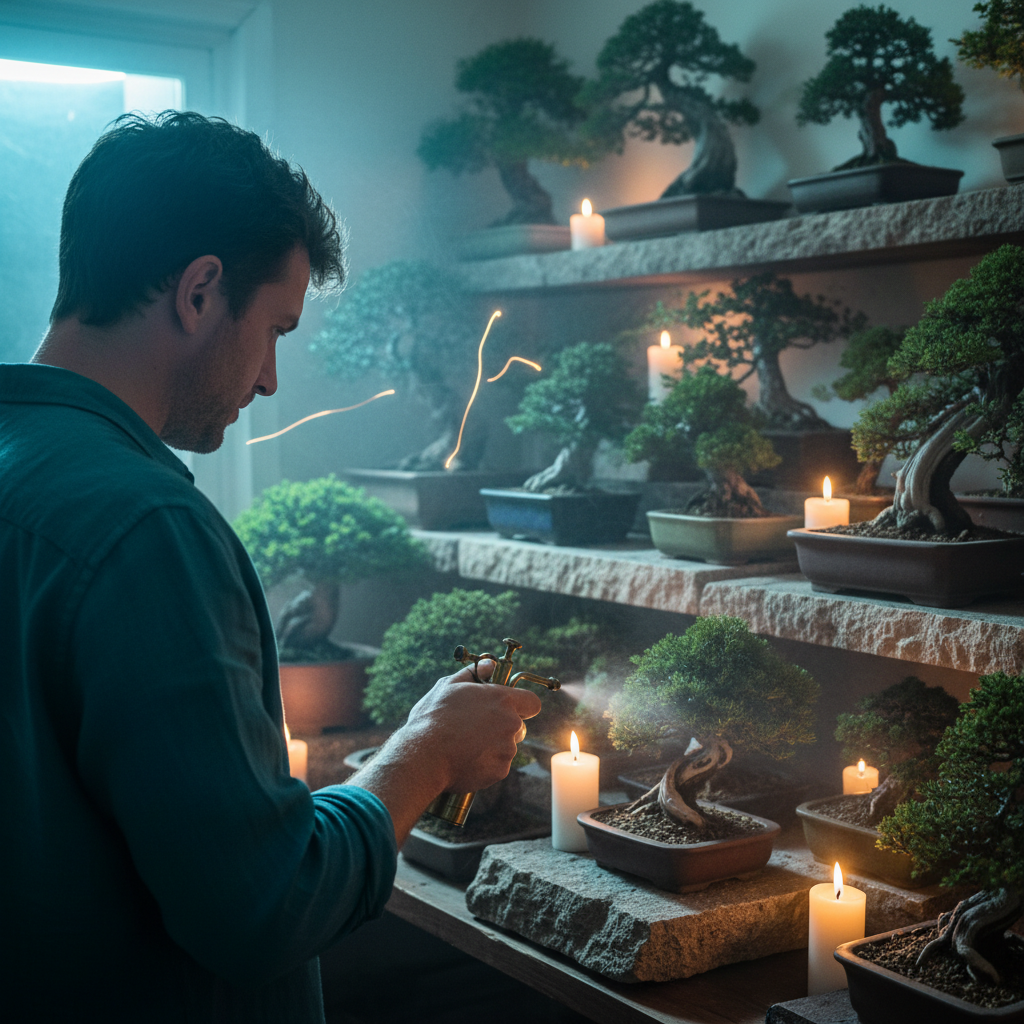
It’s not always easy. Sometimes, I still encounter pest problems that require more aggressive treatment. But even in those cases, I try to avoid using synthetic pesticides whenever possible. Instead, I look for natural alternatives, such as insecticidal soap or horticultural oil, and I always test them on a small area of the tree before applying them to the entire plant.
The Long-Term Benefits: A Sustainable Approach
The benefits of a pesticide-free bonsai journey are numerous. Not only are my trees healthier and more resilient, but I’m also contributing to a healthier environment. By avoiding synthetic pesticides, I’m reducing my exposure to harmful chemicals and protecting beneficial insects and other wildlife. I sleep better knowing that I’m not poisoning my little piece of the planet.
Moreover, I’ve found that a holistic approach to bonsai care is more rewarding in the long run. It requires more time and effort, but it also leads to a deeper understanding of my trees and the natural world. I’ve learned to observe my bonsai more closely, to anticipate problems before they arise, and to respond to their needs with greater sensitivity. It’s a more intimate and fulfilling relationship.
Lessons Learned: A Word of Caution and Encouragement
If I could go back in time, I would tell my younger self to think twice before reaching for the pesticide. I would encourage him to research the problem thoroughly, to consider the potential side effects of the pesticide, and to explore alternative solutions before resorting to chemical warfare. I would emphasize the importance of prevention, early detection, and a holistic approach to bonsai care.
But I wouldn’t completely discourage him from using pesticides. Sometimes, they are necessary, especially in severe infestations. The key is to use them responsibly, as a last resort, and only when all other options have been exhausted. Always follow the instructions carefully, wear protective gear, and dispose of the pesticide properly.
And most importantly, never stop learning. The world of bonsai is constantly evolving, and there’s always something new to discover. Stay curious, stay open-minded, and never be afraid to experiment. Learn from your mistakes, share your experiences with others, and contribute to the growing body of knowledge about these amazing miniature trees.
Ultimately, the journey of bonsai is a journey of growth, both for the tree and for the gardener. It’s a journey of patience, perseverance, and a deep appreciation for the beauty and resilience of nature. Embrace the challenges, learn from your mistakes, and never give up on your dream of creating a miniature masterpiece. And remember, the best way to care for your bonsai is to care for the environment around them, creating a harmonious and sustainable relationship between the tree, the gardener, and the planet.
So, if you’re just starting out on your bonsai journey, or if you’re a seasoned enthusiast looking to refine your practices, remember my story. Learn from my mistakes. Embrace the alternatives. And always, always, prioritize the health and well-being of your trees and the environment. Your bonsai will thank you for it, and so will the planet.
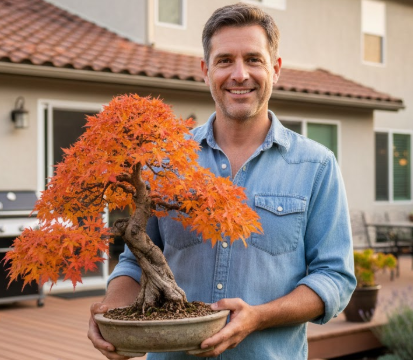
My name is Christopher Brown, I am 38 years old and I live in the United States. I am deeply passionate about the art of bonsai and have been cultivating trees for several years. What started as a simple curiosity turned into a daily practice and an important part of my life.
On this blog, I share my real experiences with bonsai — including what works, what doesn’t, and the lessons I learn along the way. I enjoy experimenting with techniques, observing the growth of each tree, and documenting the process with honesty and patience.
My goal with InfoWeHub is to help beginners feel more confident, avoid common mistakes, and discover the beauty of bonsai cultivation. If you are starting your journey or already love this art, you are welcome here.