
The Bonsai and the Beastly Mulch Pile
I’ve been tending bonsai trees for what feels like a lifetime. Decades, at least. I’ve learned a lot – mostly through trial and error, I’ll admit. Some errors were minor, easily corrected. Others… well, let’s just say they involved a bit more sweat, a few choice words muttered under my breath, and a whole lot of learning. This particular story involves one such error: my ill-fated attempt to create a “bonsai mulch volcano,” as I’ve come to call it.
It all started innocently enough. I had just finished re-potting a particularly prized Japanese maple bonsai. It’s a beauty, with delicate leaves that turn a brilliant crimson in the fall. I wanted to give it the best possible start in its new pot. I also wanted to create a visually appealing setting for it in my small bonsai garden. That’s where the trouble began.
I had a fresh load of mulch delivered, a rich, dark blend of shredded bark. It looked fantastic. I envisioned a neat, tidy layer of mulch around the base of the maple, providing insulation, retaining moisture, and suppressing weeds. The theory was sound. The execution… not so much.
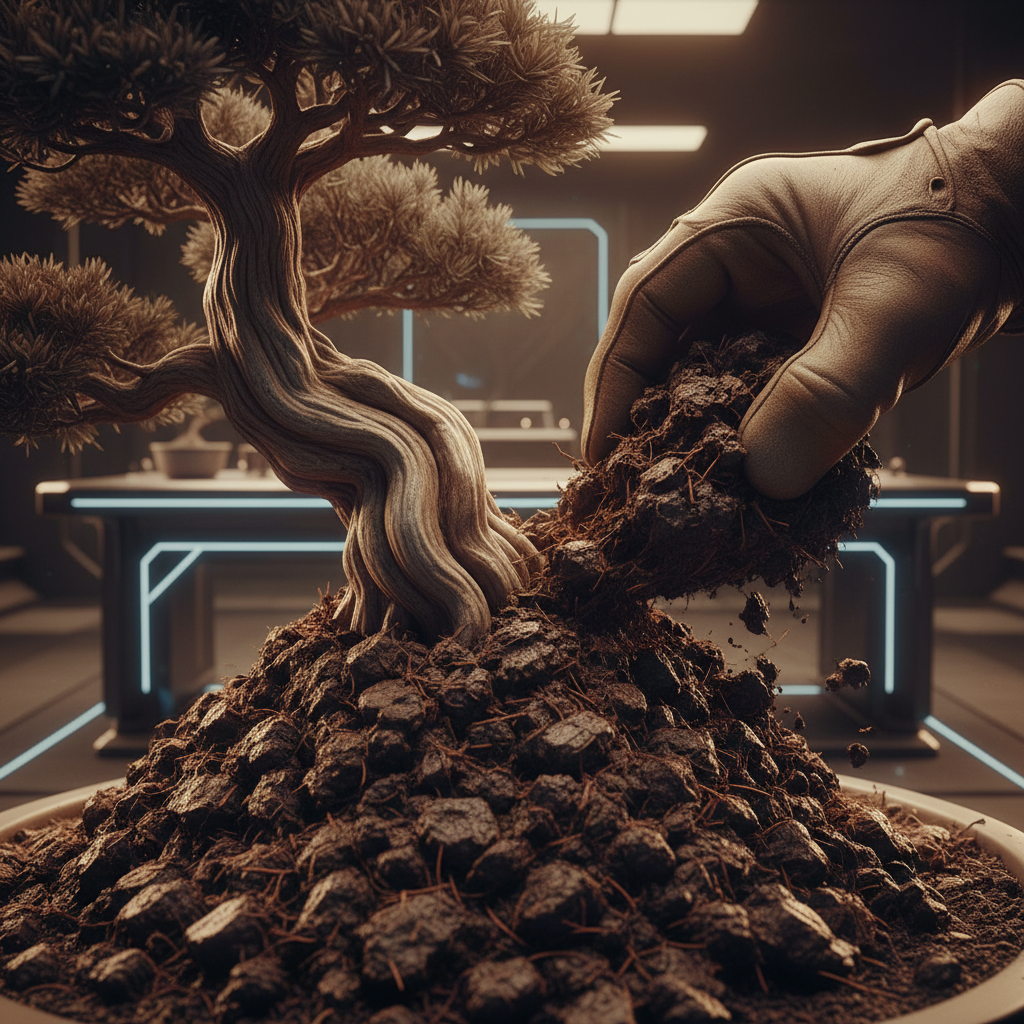
You see, I got carried away. I started piling the mulch around the base of the bonsai, thinking, “More is better!” I wanted to ensure that the roots were well-protected and that no weeds dared to invade my little oasis. I kept adding more and more mulch, shaping it into a steep, cone-like mound that completely dwarfed the delicate bonsai. It looked less like a nurturing environment and more like a miniature volcano about to erupt with… well, with more mulch, I suppose. That should have been my first clue.
The Initial Enthusiasm
Initially, I was quite pleased with my handiwork. I stepped back, admired my creation, and thought, “Now that’s how you protect a bonsai!” I even took a picture, which I now look back on with a mixture of amusement and regret. The bonsai, nestled in its towering mulch fortress, looked almost comical. A tiny, elegant tree surrounded by an absurdly large pile of shredded bark. But at the time, I was oblivious to the impending disaster.
I went inside, feeling confident that I had done a good job. I imagined the bonsai thriving in its perfectly mulched environment, growing stronger and more beautiful with each passing day. I even patted myself on the back for being such a diligent and caring bonsai enthusiast. Ah, the hubris of youth… or, in my case, the hubris of a slightly overzealous, middle-aged bonsai enthusiast.
The Rain and the Ruin
The next day, the heavens opened. A torrential downpour descended upon my garden, unleashing a deluge of water that would put Noah to shame. I didn’t think much of it at first. Rain is good for bonsai, right? It washes away dust, hydrates the soil, and generally keeps things healthy. But this was no ordinary rain. This was a biblical flood, condensed into a single afternoon.
As I watched from the window, I started to notice something… disturbing. The mulch volcano was beginning to… shift. The rain was saturating the bark, causing it to become heavy and unstable. The steep slopes of the mulch pile were starting to slump and slide, burying the lower branches of the bonsai under a soggy blanket of decaying wood.
Panic started to set in. I grabbed my raincoat and rushed outside, determined to salvage the situation. But it was too late. The mulch volcano had become a mulch avalanche, a slow-motion disaster that was engulfing my prized Japanese maple. I frantically started digging away at the mulch, trying to free the buried branches. But the more I dug, the more the mulch seemed to collapse around me.
The Suffocating Effect
The problem wasn’t just the physical weight of the mulch. It was the moisture. The saturated bark was trapping water against the trunk of the bonsai, creating a damp, suffocating environment that was perfect for rot and disease. I knew that if I didn’t act quickly, I could lose the tree.
I finally managed to clear away enough mulch to expose the base of the trunk. But what I saw sent a chill down my spine. The bark was starting to soften and discolor. The early signs of rot were already visible. I had unwittingly created the perfect conditions for a fungal infection that could kill my beloved bonsai.
The Great Bonsai Rescue
I knew I had to take drastic action. I carefully lifted the bonsai from its pot, trying to avoid any further damage to the already stressed roots. I could see that the roots were waterlogged and starting to turn brown. This was not good. Not good at all.
I gently washed away the remaining soil and mulch from the roots, inspecting them for signs of rot. I pruned away any damaged or diseased roots, being careful not to remove too much. I then re-potted the bonsai in a fresh, well-draining soil mix, making sure to leave plenty of space around the base of the trunk for air circulation.
I placed the bonsai in a sheltered location, away from direct sunlight and excessive rain. I kept a close eye on it, monitoring its health and watering it sparingly. I also applied a fungicide to the soil to prevent any further fungal growth.
A Close Call
It was a tense few weeks. The bonsai looked weak and stressed. Its leaves started to droop, and some of them even turned yellow and fell off. I feared that I had pushed it too far, that the mulch volcano incident had dealt a fatal blow.
But I refused to give up. I continued to care for the bonsai, providing it with the best possible conditions for recovery. I watered it sparingly, fertilized it gently, and protected it from the elements. And slowly, gradually, the bonsai started to recover.
Lessons Learned: The Mulch Manifesto
The bonsai mulch volcano incident taught me a valuable lesson: more is not always better. In fact, when it comes to mulch, less is often more. Here are a few guidelines I now follow religiously:
Rule #1: Moderation is Key
Apply mulch in a thin, even layer, no more than two or three inches thick. This is enough to provide insulation, retain moisture, and suppress weeds without suffocating the roots or creating a breeding ground for disease.
Rule #2: Keep it Away from the Trunk
Never pile mulch directly against the trunk of the bonsai. Leave a gap of a few inches to allow for air circulation. This will help prevent rot and disease.
Rule #3: Choose the Right Mulch
Select a mulch that is appropriate for bonsai trees. Avoid heavy, dense mulches that can compact the soil and restrict air flow. Opt for lighter, more porous mulches like shredded bark or pine needles.
Rule #4: Monitor Moisture Levels
Pay attention to the moisture levels in the mulch. If it stays consistently wet, it may be necessary to remove some of it to allow the soil to dry out. Overwatering is just as bad as underwatering, especially when combined with excessive mulch.
Rule #5: Observe and Adjust
Keep a close eye on your bonsai trees and adjust your mulching practices as needed. Every tree is different, and what works for one may not work for another. Be prepared to experiment and learn from your mistakes.
The Bonsai Today
The Japanese maple bonsai survived the mulch volcano incident, albeit with a few battle scars. It’s now thriving in my garden, its delicate leaves a testament to its resilience. I still look at it with a sense of awe and gratitude, remembering the close call and the lessons I learned.
I often think about that day, the day I created the bonsai mulch volcano. I cringe at my own naiveté, my overzealousness, my misguided belief that more is always better. But I also recognize that it was a valuable learning experience, one that has made me a better bonsai enthusiast.
The experience also reinforced the importance of patience in the art of bonsai. There are no shortcuts, no quick fixes, no magic formulas. It takes time, dedication, and a willingness to learn from your mistakes. And sometimes, it takes a mulch volcano to drive that point home.
Sharing the Knowledge
I now share my mulch volcano story with other bonsai enthusiasts, hoping to prevent them from making the same mistake. I emphasize the importance of moderation, air circulation, and proper moisture management. I also encourage them to be patient, observant, and willing to learn from their errors.
Bonsai is more than just a hobby for me; it’s a passion, a way of connecting with nature, a source of endless fascination and learning. And while I may have made a few mistakes along the way, I wouldn’t trade the experience for anything. Each mistake has taught me something valuable, each setback has made me stronger, each success has filled me with a sense of accomplishment.
Beyond the Mulch: A Deeper Connection
The mulch volcano incident, in a strange way, deepened my connection with my bonsai trees. It forced me to pay closer attention to their needs, to be more observant of their subtle cues, to be more responsive to their changing environment. It taught me that bonsai is not just about shaping and styling trees; it’s about understanding them, nurturing them, and respecting them.
It also reminded me that nature is a powerful force, one that should not be underestimated. The rain, the wind, the sun, the soil – these are all elements that can affect the health and well-being of our bonsai trees. We must learn to work with these elements, not against them, to create a harmonious environment that allows our trees to thrive.
The Art of Imperfection
In the end, the bonsai mulch volcano incident taught me the art of imperfection. It reminded me that mistakes are inevitable, that setbacks are part of the process, and that true beauty often lies in the imperfections. My Japanese maple bonsai may have a few scars, but those scars tell a story, a story of resilience, survival, and the enduring power of nature. And that, to me, makes it even more beautiful.
The incident also made me realize that bonsai is not just about creating miniature trees; it’s about creating miniature worlds. Each bonsai is a microcosm of the natural world, a tiny ecosystem that requires careful balance and attention. And just like the real world, these miniature worlds are subject to change, challenge, and even disaster. But it is in the face of these challenges that we learn, grow, and appreciate the beauty of life in all its imperfections.
A Final Thought on Patience and Persistence
So, the next time you’re tempted to pile on the mulch, remember my bonsai mulch volcano story. Remember the importance of moderation, air circulation, and proper moisture management. And most importantly, remember the power of patience and persistence. Bonsai is a journey, not a destination. Enjoy the ride, learn from your mistakes, and never give up on your trees. They will reward you with their beauty, their resilience, and their enduring spirit. And who knows, maybe one day you’ll even create your own bonsai masterpiece… just try to avoid creating a mulch volcano in the process.
And that’s the story of how I accidentally created a “bonsai mulch volcano” and paid the price. It’s a tale of woe, learning, and ultimately, the enduring beauty of bonsai. I hope it helps you avoid a similar fate. Happy bonsai-ing!
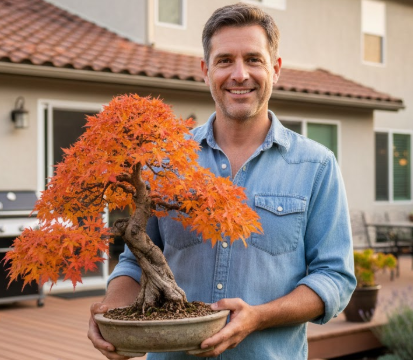
My name is Christopher Brown, I am 38 years old and I live in the United States. I am deeply passionate about the art of bonsai and have been cultivating trees for several years. What started as a simple curiosity turned into a daily practice and an important part of my life.
On this blog, I share my real experiences with bonsai — including what works, what doesn’t, and the lessons I learn along the way. I enjoy experimenting with techniques, observing the growth of each tree, and documenting the process with honesty and patience.
My goal with InfoWeHub is to help beginners feel more confident, avoid common mistakes, and discover the beauty of bonsai cultivation. If you are starting your journey or already love this art, you are welcome here.