
My Bonsai Journey and the Lure of “Lazy Watering”
For decades, the art of bonsai has been more than just a hobby for me; it’s been a profound connection to nature, a test of patience, and a constant source of learning. I’ve nurtured countless trees, each a unique testament to time, skill, and the delicate balance between control and surrender. Over the years, I’ve learned that there are no true shortcuts in bonsai cultivation, despite the allure of techniques promising ease and convenience. And that’s precisely where the “lazy watering” method almost led to disaster.
Like many bonsai enthusiasts, I’m always on the lookout for ways to optimize my care routine. Balancing work, family, and my passion for these miniature trees demands efficiency. So, when I stumbled upon articles and videos touting the benefits of “lazy watering” – essentially, infrequent, deep watering combined with moisture-retentive soil mixes – it sounded almost too good to be true. The promise of less frequent watering, reduced risk of overwatering (a common beginner’s mistake), and supposedly healthier root development was incredibly appealing. But as I was about to learn, the devil is always in the details.
The Allure of Simplicity
The core concept behind lazy watering is straightforward: instead of frequent, shallow watering, you saturate the soil thoroughly, allowing it to dry out significantly before watering again. This encourages deeper root growth as the tree searches for moisture, supposedly making it more resilient to drought and neglect. The method often involves using a soil mix with a higher proportion of organic matter, like peat moss or compost, to retain more moisture.
At first glance, this seems logical. After all, in nature, trees experience periods of drought followed by heavy rainfall. Why not mimic this cycle in bonsai cultivation? The problem, as I discovered, lies in the vastly different environment of a bonsai pot compared to the open ground. A bonsai pot is a confined space with limited drainage, and the composition of the soil plays a critical role in its health. It’s not as simple as just keeping the soil moist.
My Initial Experiment and Early Successes
Intrigued by the potential benefits, I decided to experiment with lazy watering on a few of my more established bonsai. I chose a couple of Chinese elms and a Japanese maple, trees that I felt were hardy enough to withstand the transition. I repotted them into a soil mix that was richer in organic matter than my usual blend of akadama, pumice, and lava rock. I then implemented the lazy watering schedule, waiting until the top inch of soil felt dry before thoroughly soaking the pots.
For the first few weeks, things seemed to be going well. The trees appeared healthy, with vibrant foliage and steady growth. I was ecstatic! Had I finally found a way to simplify my bonsai care routine without compromising the health of my trees? I even started to recommend the method to some of my fellow bonsai enthusiasts, eager to share my apparent success.
The Gradual Decline and the Root of the Problem
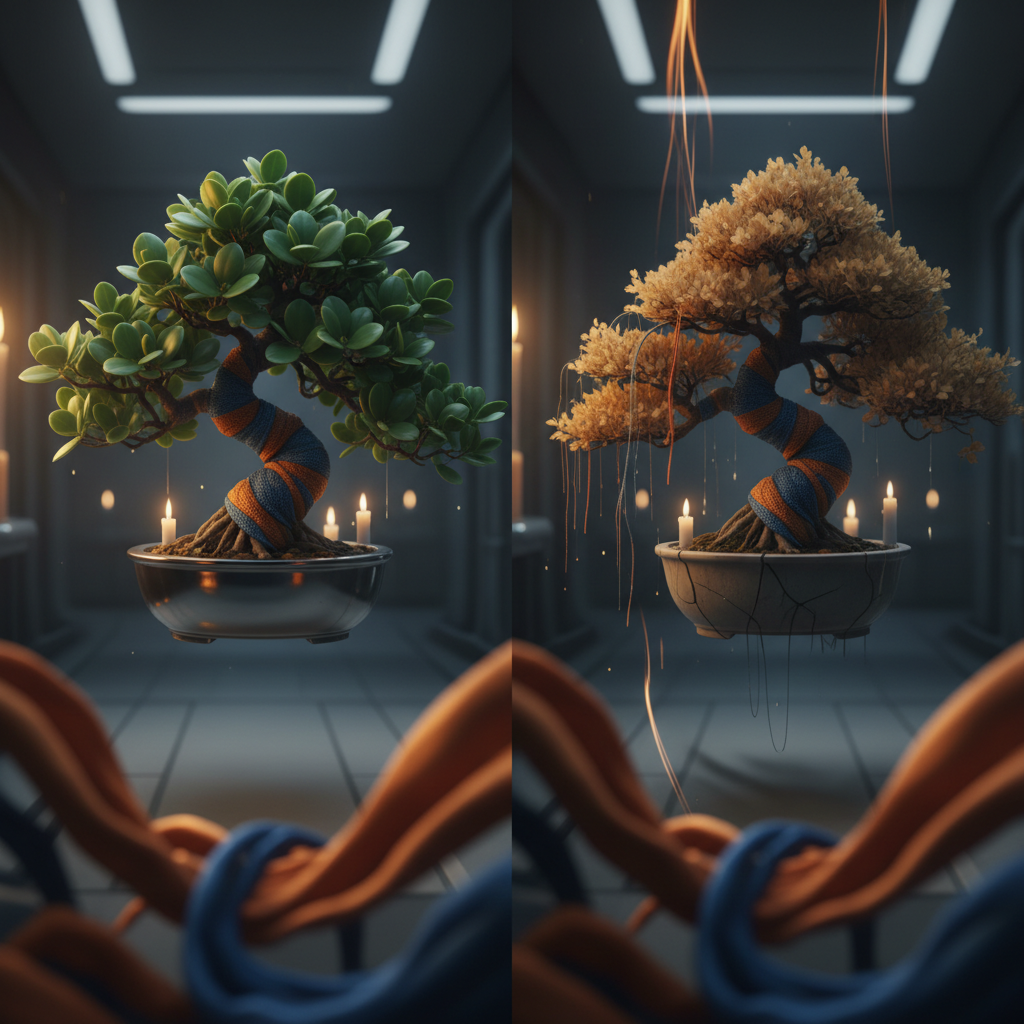
The initial success, however, was short-lived. As time went on, I began to notice subtle changes in the trees. The leaves started to lose their vibrant green color, taking on a dull, slightly yellowish hue. New growth was less vigorous, and some branches seemed to be thinning out. I initially dismissed these signs as minor fluctuations, attributing them to seasonal changes or slight variations in sunlight.
However, the symptoms continued to worsen. The leaves began to droop, and some started to drop off prematurely. I noticed a peculiar odor emanating from the soil, a musty, unpleasant smell that I hadn’t encountered before. Panic started to set in. I knew something was seriously wrong, but I couldn’t pinpoint the exact cause.
Unearthing the Truth: Root Rot and Anaerobic Conditions
Desperate to save my trees, I decided to unpot one of the Chinese elms to examine the root system. What I discovered was horrifying. The roots, which should have been a healthy white or tan color, were black, mushy, and decaying. The unmistakable signs of root rot. The soil was waterlogged and compacted, creating an anaerobic environment where beneficial bacteria couldn’t thrive, and harmful pathogens flourished.
The “lazy watering” method, combined with the moisture-retentive soil mix, had created a perfect storm for root rot. The infrequent watering allowed the soil to remain consistently damp, depriving the roots of oxygen. The organic matter in the soil, while initially beneficial, had broken down over time, further reducing drainage and creating a breeding ground for harmful fungi and bacteria. It was a slow, insidious process, but the end result was devastating.
A Hard Lesson Learned: The Importance of Well-Draining Soil
The experience was a harsh reminder of the fundamental principles of bonsai cultivation. Bonsai trees, confined to small pots, require well-draining soil that allows for adequate aeration. While moisture retention is important, it should never come at the expense of drainage. The roots need to breathe, and a constantly waterlogged environment is a death sentence.
I had fallen victim to the allure of a supposedly easier method, neglecting the basic principles that I had learned over years of practice. It was a humbling experience, one that taught me the importance of questioning conventional wisdom and always prioritizing the health of the tree above convenience.

Reviving My Trees and Re-evaluating My Approach
The immediate priority was to save the remaining trees. I carefully unpotted each one, removing all traces of the contaminated soil. I then pruned away the rotted roots, leaving only the healthy ones intact. This was a delicate process, as excessive root pruning can further weaken the tree. I soaked the remaining roots in a mild fungicide solution to kill any lingering pathogens.
I repotted the trees into my standard bonsai soil mix of akadama, pumice, and lava rock, ensuring excellent drainage. I also adjusted my watering schedule, opting for more frequent, shallow watering that allowed the soil to dry out slightly between applications. I placed the trees in a bright, well-ventilated location to promote healthy growth.
Adjusting My Watering Strategy: Finding the Right Balance
The key to successful watering, I rediscovered, is to strike a balance between moisture and aeration. The soil should be allowed to dry out slightly between waterings, but not to the point of complete desiccation. The frequency of watering will depend on several factors, including the species of tree, the size of the pot, the type of soil, the climate, and the time of year.
I learned to rely on my senses to determine when to water. I would check the moisture level of the soil by feeling it with my finger. I would also observe the leaves for signs of wilting or dryness. And I would pay attention to the weight of the pot, which becomes noticeably lighter as the soil dries out.
The Long Road to Recovery and Renewed Appreciation
The recovery process was slow and gradual. The trees were weakened by the root rot, and it took several months for them to regain their vigor. I provided them with regular doses of liquid fertilizer to promote new growth. I also protected them from extreme temperatures and harsh sunlight.
Slowly but surely, the trees began to respond. New leaves emerged, and the branches started to fill out. The yellowish hue faded away, replaced by a vibrant green. It was a testament to the resilience of nature and the power of attentive care. The near-disaster served as a powerful reminder of the importance of understanding the needs of each individual tree and adapting my approach accordingly.
Beyond Lazy Watering: Debunking Other “Bonsai Hacks”
My experience with the “lazy watering” method opened my eyes to the prevalence of misleading information and so-called “hacks” in the bonsai world. The internet is full of tips and tricks that promise shortcuts to success, but many of these are based on incomplete information or simply don’t apply to all situations.
For instance, there’s the myth that you can use regular potting soil for bonsai. While it’s true that some trees can tolerate potting soil for a short period, it’s not a sustainable long-term solution. Potting soil is typically too dense and water-retentive for bonsai, leading to poor drainage and root rot.
Another common misconception is that you can neglect bonsai trees for extended periods without consequences. Bonsai trees, being confined to small pots, are entirely dependent on their caretakers for their survival. Neglecting them, even for a short time, can have serious consequences. Regular watering, fertilization, and pruning are essential for maintaining their health and vitality.

Questioning Everything: The Key to Continuous Learning
The most important lesson I learned from the “lazy watering” debacle is the importance of questioning everything. Don’t blindly accept advice, even from experienced bonsai enthusiasts. Always do your own research, experiment carefully, and observe the results. Every tree is different, and what works for one may not work for another.
The art of bonsai is a journey of continuous learning. There are no shortcuts, no magic formulas, and no one-size-fits-all solutions. It requires patience, dedication, and a willingness to learn from your mistakes. But the rewards are immeasurable. The satisfaction of nurturing a living work of art, of connecting with nature on a profound level, is worth all the effort.
My Current Watering Practices: A Nuanced Approach
Today, my watering practices are far more nuanced than they were before my “lazy watering” experiment. I no longer adhere to a rigid schedule. Instead, I assess the needs of each individual tree based on a variety of factors.
I consider the species of tree. Some species, like junipers, prefer drier conditions, while others, like Japanese maples, require more moisture. I also take into account the size of the pot. Smaller pots dry out more quickly than larger pots. And I pay attention to the weather. Hot, sunny days require more frequent watering than cool, cloudy days.
I use a combination of visual cues and tactile feedback to determine when to water. I check the moisture level of the soil with my finger. I observe the leaves for signs of wilting or dryness. And I lift the pot to feel its weight. If the soil feels dry to the touch, the leaves are drooping, or the pot feels light, I know it’s time to water.
The Enduring Appeal of Bonsai: More Than Just a Hobby
For me, bonsai is more than just a hobby; it’s a way of life. It’s a constant reminder of the beauty and fragility of nature. It’s a test of patience and perseverance. And it’s a source of endless learning and inspiration.
The “lazy watering” experience taught me a valuable lesson about the importance of understanding the fundamental principles of bonsai cultivation. It also reinforced the importance of questioning conventional wisdom and always prioritizing the health of the tree above convenience.
I still experiment with new techniques and approaches, but I do so with caution and a healthy dose of skepticism. I’ve learned that there are no shortcuts in bonsai, only hard work, dedication, and a deep respect for the art form. And that’s perfectly fine with me.
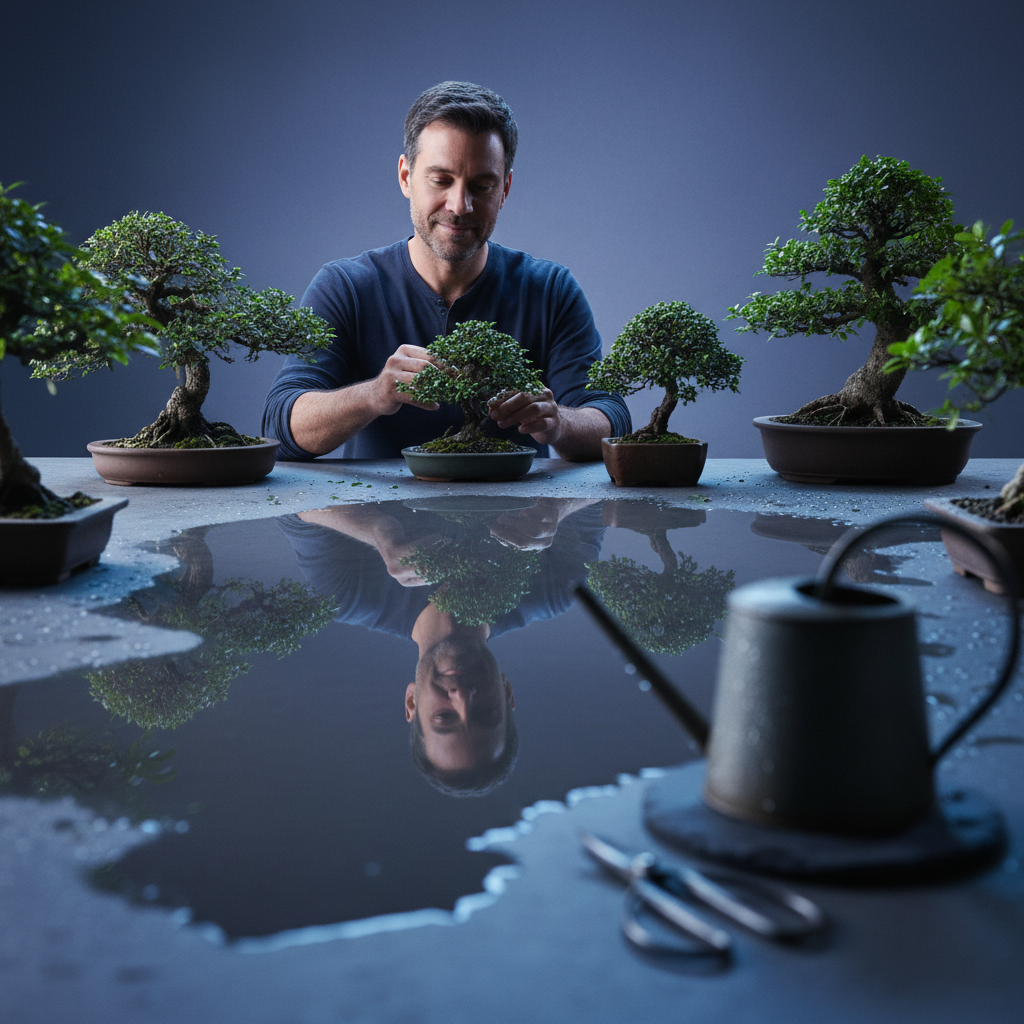
Looking back, the “lazy watering” shortcut almost cost me some of my most prized possessions. But in the end, it also enriched my understanding of bonsai and deepened my appreciation for the delicate balance required to nurture these miniature masterpieces. The experience taught me that true mastery comes not from seeking shortcuts, but from embracing the journey, learning from my mistakes, and always putting the needs of the tree first. And that’s a lesson I’ll carry with me throughout my bonsai journey.
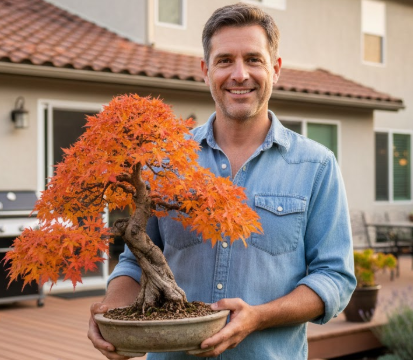
My name is Christopher Brown, I am 38 years old and I live in the United States. I am deeply passionate about the art of bonsai and have been cultivating trees for several years. What started as a simple curiosity turned into a daily practice and an important part of my life.
On this blog, I share my real experiences with bonsai — including what works, what doesn’t, and the lessons I learn along the way. I enjoy experimenting with techniques, observing the growth of each tree, and documenting the process with honesty and patience.
My goal with InfoWeHub is to help beginners feel more confident, avoid common mistakes, and discover the beauty of bonsai cultivation. If you are starting your journey or already love this art, you are welcome here.