
Embarking on a Bonsai Journey: My First Steps
For decades, I’ve been captivated by the art of bonsai – these miniature trees that embody nature’s grandeur in a compact form. It’s more than just a hobby; it’s a practice in patience, a study in artistry, and a connection to the natural world that I find deeply fulfilling. I’m Christopher Brown, and at 56, I’ve decided to document my bonsai journey, sharing my experiences, mistakes, and the small victories that make this art form so rewarding.
Like many beginners, I started with a romanticized notion of bonsai. I envisioned myself effortlessly shaping these trees into masterpieces, creating miniature landscapes that would evoke feelings of serenity and awe. The reality, of course, has been far more challenging – and infinitely more rewarding. This diary is my attempt to capture the essence of that journey, to provide insights for fellow beginners, and to reflect on the lessons I’ve learned along the way.
The Allure of the Miniature
What is it about bonsai that draws us in? Is it the artistry, the challenge, or the sheer beauty of these tiny trees? For me, it’s a combination of all three. There’s a certain magic in transforming a young tree into a miniature replica of its full-sized counterpart. It requires careful observation, skillful pruning, and a deep understanding of the tree’s natural growth habits. It’s a conversation with nature, a collaboration between the artist and the living organism.
But beyond the technical aspects, bonsai offers something more profound. It teaches patience, discipline, and respect for the natural world. It forces us to slow down, to appreciate the beauty of small things, and to connect with the rhythms of nature. In a world that is constantly demanding our attention, bonsai provides a sanctuary, a place where we can find peace and tranquility.
Choosing My First Bonsai: A Learning Experience
My first bonsai was a Chinese Elm (Ulmus parvifolia). I chose it primarily because it was readily available at my local nursery and was often touted as a “beginner-friendly” species. Naively, I thought I was already halfway to becoming a bonsai master. How wrong I was! Choosing the right tree is just the first step, and it’s a crucial one. I quickly learned that not all trees are created equal, and that some species are far more demanding than others.
Looking back, I realize that I didn’t do enough research before making my purchase. I was so eager to get started that I overlooked some important factors, such as the tree’s health, its existing shape, and its suitability for my local climate. As a result, I ended up with a tree that had some underlying problems that I wasn’t aware of at the time.
Lessons Learned: Selecting a Healthy Specimen
Here are a few things I wish I had known before buying my first bonsai:
- Inspect the leaves: Look for signs of disease, pests, or nutrient deficiencies. Healthy leaves should be vibrant green and free of spots, holes, or discoloration.
- Examine the trunk and branches: Check for any signs of damage, such as cracks, wounds, or deadwood. The trunk should be sturdy and well-proportioned.
- Assess the root system: If possible, gently lift the tree from its pot to inspect the roots. Healthy roots should be firm, white, and well-distributed. Avoid trees with circling or pot-bound roots.
- Consider the species: Choose a species that is well-suited to your local climate and your level of experience. Some species are more tolerant of neglect than others.
My Chinese Elm, while generally a hardy species, had a few minor issues that I didn’t notice at first. It had some slight discoloration on the leaves, which I later discovered was a sign of a minor fungal infection. It also had a few branches that were growing in undesirable directions, which made it difficult to create a pleasing shape. These weren’t deal-breakers, but they did add to the challenge of learning the art of bonsai.

The Art of Pruning: Shaping My Bonsai
Pruning is perhaps the most fundamental skill in bonsai. It’s the art of shaping the tree, controlling its growth, and creating the desired aesthetic. It’s also a delicate balance between promoting healthy growth and preventing the tree from becoming overgrown. I quickly learned that pruning is not just about cutting off branches; it’s about understanding the tree’s growth patterns and making informed decisions about which branches to remove and which to keep.
My initial attempts at pruning were, to put it mildly, disastrous. I was too aggressive, too eager to shape the tree to my liking, and I ended up removing far too much foliage. The tree looked sparse and unnatural, and I feared that I had done irreparable damage. It was a humbling experience, but it taught me a valuable lesson: less is often more.
Understanding Bonsai Pruning Techniques
There are two main types of pruning in bonsai:
- Structural pruning: This involves removing large branches to create the basic shape of the tree. It’s typically done in the late winter or early spring, before the tree begins to actively grow.
- Maintenance pruning: This involves removing new growth to maintain the tree’s shape and size. It’s typically done throughout the growing season.
I also learned about different pruning techniques, such as:
- Pinching: This involves removing the tips of new shoots with your fingers or tweezers. It encourages the tree to develop more compact growth.
- Defoliation: This involves removing some or all of the leaves from the tree. It can be used to reduce leaf size, promote back budding, and improve the tree’s overall health.
Mastering these techniques takes time and practice. I spent countless hours studying bonsai books and watching online tutorials. I also sought advice from experienced bonsai artists, who were always willing to share their knowledge and expertise. Slowly but surely, I began to develop a better understanding of the art of pruning.
Watering and Fertilizing: The Lifeline of Bonsai
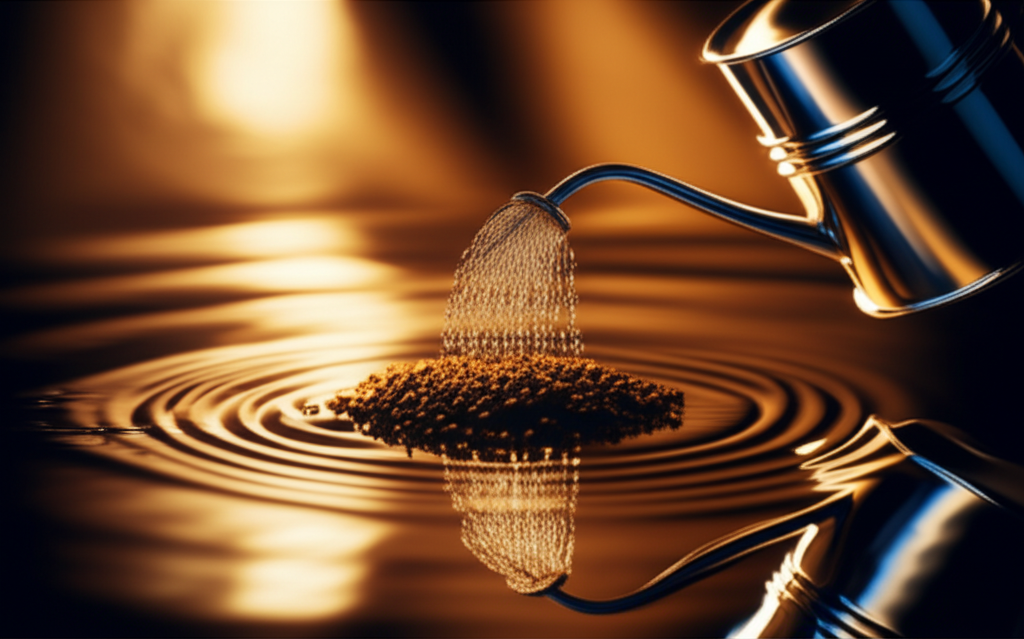
Watering and fertilizing are essential for the health and well-being of any plant, and bonsai trees are no exception. However, because bonsai trees are grown in small pots with limited soil, they require more frequent watering and fertilizing than trees grown in the ground. I quickly learned that overwatering and underwatering are two of the most common mistakes that beginners make.
My initial approach to watering was haphazard, to say the least. I would water the tree whenever I remembered, which was often too little and too late. As a result, the tree suffered from dehydration, and its leaves began to turn yellow and droop. I realized that I needed to be more consistent and more attentive to the tree’s needs.
Finding the Right Balance: A Lesson in Hydration
Here are some tips for watering bonsai trees:
- Water thoroughly: When you water your bonsai, make sure to saturate the entire root ball. Water should drain freely from the bottom of the pot.
- Water when the soil is dry: The best way to determine when to water is to check the moisture level of the soil. Stick your finger into the soil about an inch deep. If the soil feels dry to the touch, it’s time to water.
- Water more frequently in hot weather: Bonsai trees will need more frequent watering during hot, dry weather. You may need to water them once or even twice a day.
- Avoid overwatering: Overwatering can lead to root rot, which is a serious problem for bonsai trees. Make sure the soil is well-draining and avoid letting the tree sit in standing water.
Fertilizing is also crucial for providing bonsai trees with the nutrients they need to thrive. I started using a balanced liquid fertilizer, diluted to half strength. I applied the fertilizer every two weeks during the growing season. I also learned about different types of fertilizers, such as slow-release fertilizers and organic fertilizers. Each type has its own advantages and disadvantages, and it’s important to choose the right fertilizer for your tree and your growing conditions.
Repotting: Giving My Bonsai a New Home
Repotting is another essential aspect of bonsai care. It involves removing the tree from its pot, trimming the roots, and replanting it in fresh soil. Repotting is necessary to prevent the tree from becoming root-bound, to replenish the soil with nutrients, and to improve drainage. It’s also an opportunity to inspect the root system and address any problems, such as root rot or circling roots.
My first attempt at repotting was a nerve-wracking experience. I was afraid of damaging the roots and potentially killing the tree. I spent hours researching the proper techniques and watching videos online. I gathered all the necessary materials, including a new pot, fresh soil, and bonsai tools. When the day finally arrived, I was a nervous wreck.
The Importance of Root Pruning
The first step in repotting is to carefully remove the tree from its pot. I used a bonsai root hook to gently loosen the soil around the edges of the pot. Once the soil was loosened, I was able to lift the tree out of the pot without damaging the roots. I was surprised by how dense and tangled the root system had become. It was clear that the tree was in desperate need of repotting.
The next step was to prune the roots. I used bonsai root cutters to remove about one-third of the root mass. I focused on removing circling roots, dead roots, and overly thick roots. I also made sure to leave plenty of healthy, fibrous roots to support the tree’s growth. Root pruning is essential for maintaining the health and vigor of bonsai trees. It encourages the development of new roots and prevents the tree from becoming root-bound.
After pruning the roots, I replanted the tree in a new pot with fresh bonsai soil. I made sure to fill the pot with soil evenly and to gently tamp down the soil around the roots. I watered the tree thoroughly and placed it in a shaded location for a few weeks to recover from the repotting process. To my relief, the tree survived the repotting process and thrived in its new pot. It was a challenging but rewarding experience, and I learned a great deal about the importance of repotting in bonsai care.
Wiring: Guiding the Branches
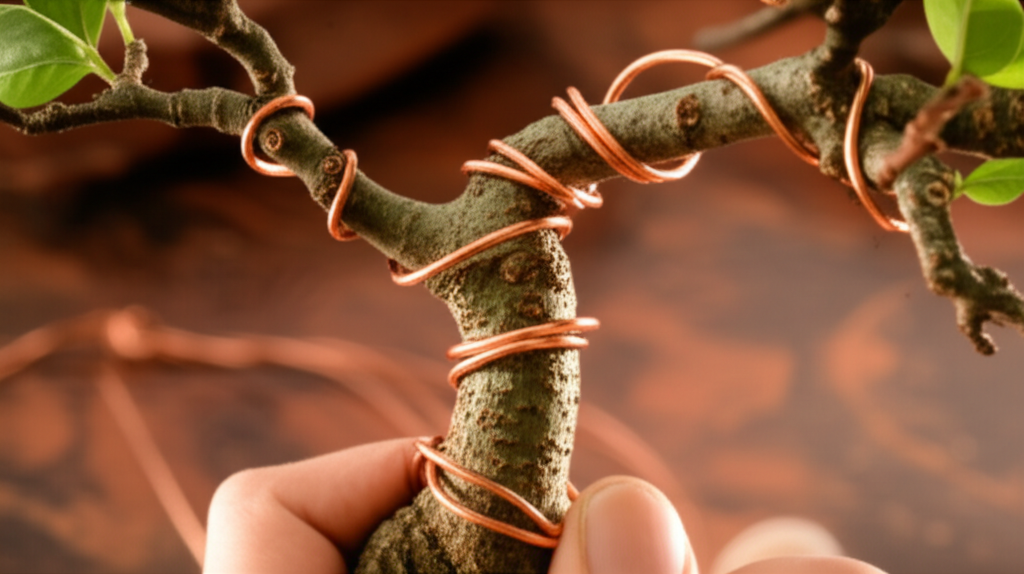
Wiring is a technique used in bonsai to shape the branches and create the desired aesthetic. It involves wrapping the branches with wire and gently bending them into the desired position. Wiring is a delicate process that requires patience, skill, and a good understanding of the tree’s growth habits. It’s also a technique that can be easily overdone, resulting in damage to the branches.
My first attempt at wiring was a disaster. I was too aggressive, too impatient, and I ended up breaking several branches. I also used the wrong type of wire, which left unsightly marks on the bark. It was a painful lesson, but it taught me the importance of using the right tools and techniques.
Gentle Guidance: The Art of Shaping
There are two main types of wire used in bonsai:
- Aluminum wire: This is a soft, flexible wire that is easy to bend and shape. It’s typically used for deciduous trees with delicate bark.
- Copper wire: This is a stronger, more rigid wire that is better suited for coniferous trees with thicker bark.
Before wiring a branch, it’s important to wrap it with a layer of raffia or cloth to protect the bark from damage. The wire should be applied at a 45-degree angle, and it should be snug but not too tight. The goal is to gently guide the branch into the desired position, not to force it. After the branch has been wired, it can be carefully bent into shape.
It’s important to monitor the wired branches regularly. As the tree grows, the wire can begin to cut into the bark. If this happens, the wire should be removed immediately. The branch will usually retain its new shape even after the wire has been removed. Wiring is a powerful tool for shaping bonsai trees, but it should be used with caution and respect.
Patience and Observation: The Keys to Success
More than any specific technique, the most important qualities for a bonsai artist are patience and observation. Bonsai is not a quick process; it takes years, even decades, to create a truly exceptional tree. It requires a willingness to learn from your mistakes, to adapt to changing conditions, and to persevere through setbacks.
I’ve learned that the best way to improve my bonsai skills is to simply spend time with my trees. I observe them carefully, paying attention to their growth habits, their foliage, and their overall health. I try to anticipate their needs and to respond accordingly. I also keep a journal, documenting my observations and the actions I’ve taken. This helps me to track my progress and to learn from my experiences.
Connecting with Nature: More Than Just a Hobby
Bonsai has taught me a great deal about patience, discipline, and respect for the natural world. It has also given me a deeper appreciation for the beauty and complexity of trees. It’s more than just a hobby; it’s a way of life. It’s a connection to nature that I find deeply fulfilling.
My journey with bonsai is far from over. I still have much to learn, and I’m sure I’ll make many more mistakes along the way. But I’m committed to continuing my journey, to refining my skills, and to sharing my experiences with others. I hope that this diary will inspire other beginners to embark on their own bonsai journeys and to discover the joys of this ancient art form.
My Bonsai Collection: Expanding My Horizons
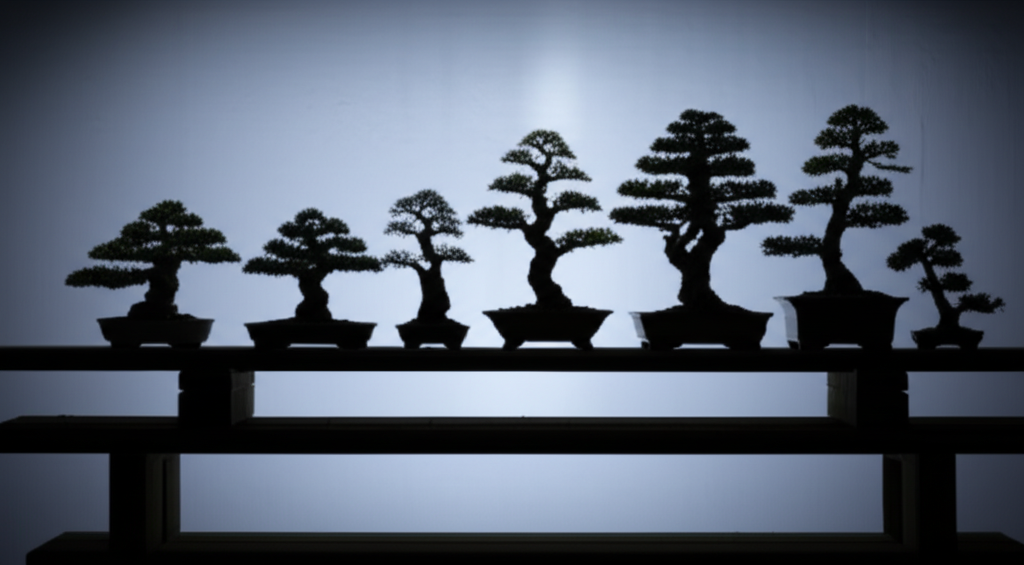
Over the past few years, my initial single Chinese Elm has grown into a small but cherished collection. I’ve branched out, both literally and figuratively, experimenting with different species and styles. Each tree presents its own unique challenges and rewards, and I’ve found immense satisfaction in learning to care for them all.
Alongside the resilient Chinese Elm, I now have a Japanese Maple (Acer palmatum), whose vibrant autumn foliage brings a splash of color to my garden. I also acquired a Juniper (Juniperus procumbens ‘Nana’), a classic bonsai subject known for its elegant cascading form. These additions have allowed me to explore different pruning techniques, wiring methods, and potting styles, further deepening my understanding of the art.
It’s been fascinating to observe how each species responds to different conditions. The Japanese Maple, for example, requires more shade and consistent watering than the Juniper, which thrives in full sun and well-draining soil. Learning these nuances has been crucial to maintaining the health and beauty of my collection.
The Bonsai Community: Learning and Sharing
One of the most unexpected benefits of pursuing bonsai has been the opportunity to connect with a vibrant and supportive community of fellow enthusiasts. I’ve joined a local bonsai club, attended workshops led by experienced artists, and participated in online forums where I can share my experiences and learn from others.
The bonsai community is incredibly generous with their knowledge and time. I’ve received invaluable advice on everything from pest control to root pruning. It’s been inspiring to see the passion and dedication that people bring to this art form, and I’ve made some lasting friendships along the way.
Attending bonsai exhibitions has also been a highlight. Seeing the masterpieces created by skilled artists is both humbling and motivating. It’s a reminder of the endless possibilities of bonsai and the importance of continuous learning and refinement.
Looking back on my bonsai journey, I’m filled with gratitude for the lessons I’ve learned, the challenges I’ve overcome, and the beauty I’ve discovered. Bonsai is more than just a hobby; it’s a way of life, a connection to nature, and a constant source of inspiration. It’s a journey that I’m excited to continue, one small change and one big lesson at a time.
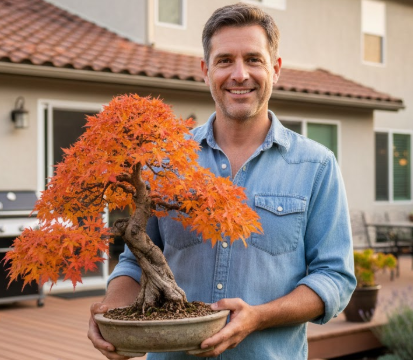
My name is Christopher Brown, I am 38 years old and I live in the United States. I am deeply passionate about the art of bonsai and have been cultivating trees for several years. What started as a simple curiosity turned into a daily practice and an important part of my life.
On this blog, I share my real experiences with bonsai — including what works, what doesn’t, and the lessons I learn along the way. I enjoy experimenting with techniques, observing the growth of each tree, and documenting the process with honesty and patience.
My goal with InfoWeHub is to help beginners feel more confident, avoid common mistakes, and discover the beauty of bonsai cultivation. If you are starting your journey or already love this art, you are welcome here.