
My Bonsai Journey: Embracing Imperfection
For decades, the art of bonsai has been more than just a hobby for me; it’s a deeply personal journey, a meditation in green. I’m Christopher Brown, and at 56, I’ve learned that the most rewarding experiences in life often come not from striving for perfection, but from embracing the imperfections along the way. This holds especially true in the world of bonsai. You see those pristine, perfectly sculpted trees in magazines and at exhibitions? Well, my journey hasn’t quite looked like that, and I’m here to share the messy, beautiful, and sometimes frustrating reality of a real bonsai growing diary.
Let me tell you, there’s a certain allure to the idea of creating a miniature tree, a living sculpture that reflects the harmony and balance of nature. The initial inspiration often comes from seeing those stunning examples – the ones that seem impossibly perfect. But the truth is, behind every “perfect” bonsai, there are years of dedication, experimentation, and, yes, plenty of mistakes. And it’s in those mistakes, those moments of “oops, I pruned that branch a little too short,” or “darn, I overwatered it again,” that the real learning happens.
The Illusion of Perfection
The curated images we see online can create an illusion of effortless mastery. They rarely show the struggling sapling, the botched wiring, or the near-death experiences of a beloved tree. It’s easy to feel discouraged when your own bonsai doesn’t quite measure up to these idealized standards. But I’ve come to realize that chasing perfection is a recipe for disappointment. The beauty of bonsai, for me, lies in the process, in the connection with the tree, and in the acceptance of its unique character, flaws and all.
Think about it: nature itself isn’t perfect. A forest isn’t a collection of perfectly symmetrical trees, neatly spaced apart. It’s a vibrant, dynamic ecosystem with trees of all shapes and sizes, some thriving, some struggling, all contributing to the overall beauty and resilience of the whole. I strive to bring that same natural imperfection into my bonsai practice.
I remember one particular incident vividly. I was working on a Japanese Maple, a tree I’d been carefully training for several years. I was attempting a particularly intricate wiring technique, trying to achieve a specific branch angle. In my eagerness, I applied too much pressure, and… snap. The branch broke clean off. I was devastated. I felt like I had ruined years of work. But instead of giving up, I decided to see what I could salvage. I carefully pruned the broken branch, cleaned the wound, and allowed the tree to heal. Over time, a new branch emerged, growing in a slightly different direction than I had originally intended. And you know what? It looked even better than the original plan. It taught me a valuable lesson about adaptability and the unexpected beauty that can arise from embracing imperfections.
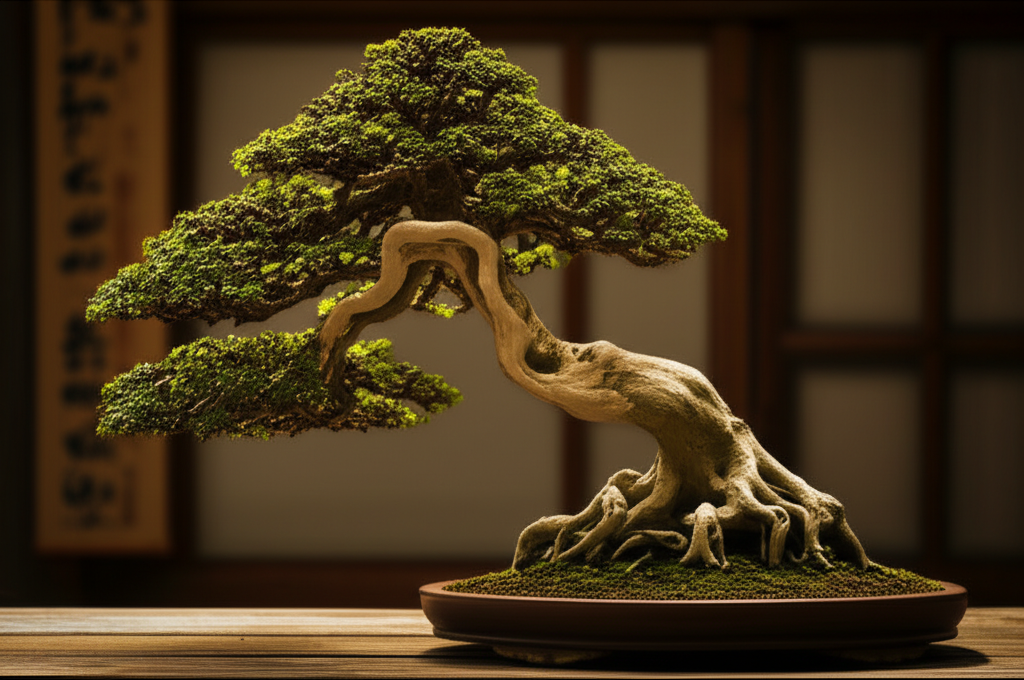
A Growing Diary: The Real Deal
So, what does a “real” bonsai growing diary look like? It’s not a meticulously documented record of flawless techniques and guaranteed successes. Instead, it’s a chronicle of experiments, observations, and occasional disasters. It’s a place where I can be honest about my struggles, celebrate my small victories, and share the lessons I’ve learned along the way.
Choosing the Right Tree (Sometimes I Don’t!)
The foundation of any bonsai journey is choosing the right tree. While experienced bonsai artists might advocate for specific species and characteristics, I confess that sometimes, I choose a tree simply because it speaks to me. Maybe it’s the unusual shape of its trunk, the vibrant color of its leaves, or simply a gut feeling that tells me this tree has potential. This approach isn’t always the most practical, and I’ve certainly had my share of “challenging” trees that required extra patience and creativity. But I’ve also discovered some unexpected gems this way, trees that defied expectations and developed into truly unique bonsai.
For example, I once rescued a neglected Juniper from a local nursery. It was overgrown, misshapen, and generally looked like a lost cause. Most bonsai enthusiasts would have passed it by without a second glance. But something about its rugged, weathered appearance appealed to me. I saw potential in its gnarled branches and its stubborn will to survive. Over the next few years, I carefully pruned and shaped it, exposing its natural beauty and allowing it to tell its own story. It’s now one of my most prized bonsai, a testament to the power of seeing potential where others see only imperfection.
The Art of Pruning: A Delicate Balance
Pruning is arguably the most crucial aspect of bonsai cultivation. It’s the art of shaping and controlling the growth of the tree, creating a miniature version of its larger self. But pruning is also a delicate balancing act. Too much pruning can weaken the tree, while too little pruning can result in an overgrown, shapeless mess. I’ve definitely made mistakes in this area, often erring on the side of caution and then regretting not being more decisive.
I remember one incident where I was working on a Ficus bonsai. I was hesitant to prune a particular branch, fearing that it would disrupt the overall shape of the tree. But as time went on, that branch grew increasingly dominant, overshadowing the other branches and creating an unbalanced appearance. Eventually, I realized that I had no choice but to prune it. The tree responded beautifully, sending out new growth and developing a more harmonious shape. It taught me that sometimes, the best thing you can do for a bonsai is to be bold and decisive, even if it means making a seemingly drastic cut.
Watering Woes: A Constant Struggle
Watering bonsai is another area where I’ve consistently struggled. Overwatering is a common mistake, especially for beginners, and I’ve certainly been guilty of it. The roots of a bonsai are confined to a small pot, making them vulnerable to root rot if the soil stays too wet for too long. On the other hand, underwatering can also be detrimental, causing the tree to dry out and wilt. Finding the right balance requires careful observation and a good understanding of the tree’s needs.
I’ve learned to pay close attention to the soil moisture, checking it regularly with my fingers. I also consider the weather conditions, watering more frequently during hot, dry spells and less frequently during cool, rainy periods. And I’ve invested in a good quality moisture meter, which helps me to avoid overwatering. Despite all my efforts, I still occasionally make mistakes. But I’ve learned to recognize the signs of overwatering and underwatering, and to take corrective action quickly.

Patience is a Virtue (and a Necessity)
If there’s one thing that bonsai has taught me, it’s the importance of patience. Bonsai is not a quick fix. It’s a long-term commitment that requires time, dedication, and a willingness to learn from your mistakes. It takes years, even decades, to develop a truly mature bonsai. There are no shortcuts, no magic formulas, and no instant gratification. It’s a slow, deliberate process that unfolds at its own pace.
There will be times when you feel discouraged, when your bonsai doesn’t seem to be progressing the way you want it to. There will be times when you make mistakes, when you accidentally damage a branch or overwater the tree. But it’s important to remember that these setbacks are a natural part of the process. Don’t give up. Learn from your mistakes, adjust your approach, and keep moving forward. The rewards of bonsai are well worth the effort.
Embracing the Seasons
One of the most rewarding aspects of bonsai is witnessing the changing seasons reflected in your trees. The vibrant green of spring, the lush foliage of summer, the fiery colors of autumn, and the stark beauty of winter – each season brings its own unique charm and challenges. Bonsai allows you to connect with nature on a deeper level, to appreciate the beauty and resilience of trees, and to find solace in the simple act of tending to their needs.
I particularly enjoy the autumn months when the leaves of my Japanese Maples turn brilliant shades of red, orange, and gold. It’s a breathtaking sight that fills me with a sense of awe and wonder. And I appreciate the quiet beauty of winter, when the bare branches of my deciduous trees are silhouetted against the sky, revealing their intricate structure and form. These seasonal changes remind me that life is a cycle of growth, decay, and renewal, and that even in the midst of winter, there is always the promise of spring.
Connecting with Others
Bonsai can be a solitary pursuit, but it’s also a great way to connect with others who share your passion. I’ve found that bonsai enthusiasts are a generous and supportive community, always willing to share their knowledge and experience. I’ve learned so much from other bonsai artists, both online and in person. And I’ve made some lifelong friends through my involvement in bonsai clubs and societies.
Attending bonsai workshops and exhibitions is a great way to learn new techniques, see examples of outstanding bonsai, and connect with other enthusiasts. Sharing your knowledge and experience with others is also a rewarding way to give back to the bonsai community. Whether you’re a beginner or an experienced bonsai artist, there’s always something new to learn and something to share.
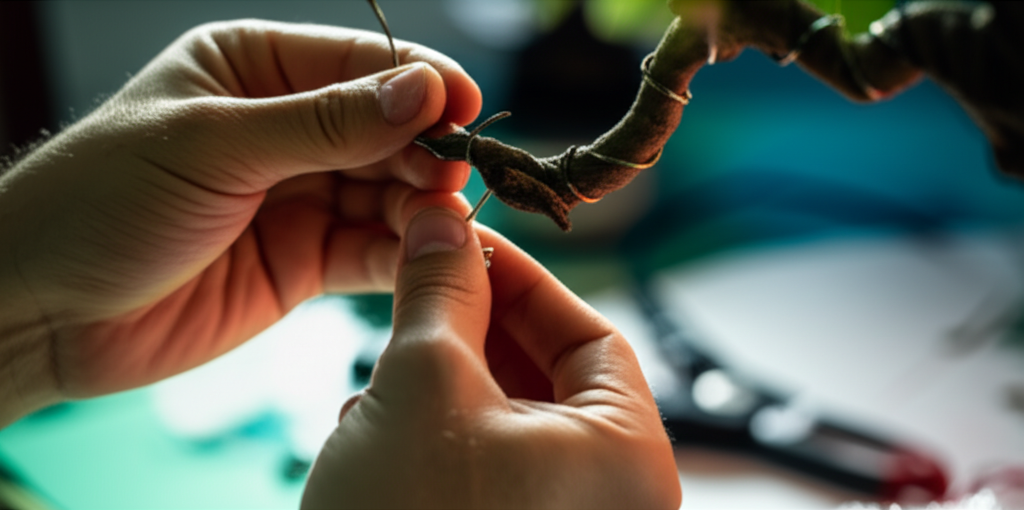
My Biggest Bonsai Blunders (and What I Learned)
I wouldn’t be sharing a true bonsai diary if I didn’t confess to some spectacular failures. Over the years, I’ve made plenty of mistakes, some of which have been quite costly. But I’ve learned from each and every one of them, and they’ve made me a better bonsai artist.
The Great Fertilizer Fiasco
One of my most memorable blunders involved fertilizer. I was experimenting with a new type of liquid fertilizer, eager to give my bonsai a boost. I carefully followed the instructions on the label, but somehow, I managed to miscalculate the dosage. I ended up applying far too much fertilizer, which resulted in a severe case of fertilizer burn. The leaves of my trees turned brown and crispy, and some of them even started to die. It was a devastating experience. I quickly flushed the soil with water, hoping to remove the excess fertilizer. Fortunately, most of the trees survived, but they were weakened and stunted for months. I learned a valuable lesson about the importance of careful measurement and the potential dangers of over-fertilizing.
The Aphid Apocalypse
Another memorable disaster involved aphids. I noticed that the leaves of my bonsai were becoming sticky and distorted. Upon closer inspection, I discovered that they were infested with aphids, tiny sap-sucking insects that can quickly decimate a bonsai. I tried various organic remedies, such as insecticidal soap and neem oil, but the aphids kept coming back. Eventually, I resorted to a stronger chemical insecticide, which effectively eradicated the aphids. But I also learned about the importance of regular inspection and early detection in preventing pest infestations.
The Case of the Mysterious Yellowing Leaves
Then there was the time when the leaves of my Japanese Maple started turning yellow. I was baffled. I checked the soil moisture, the fertilizer levels, and the light exposure, but everything seemed to be in order. I consulted with other bonsai artists, but no one could figure out what was wrong. Finally, after weeks of investigation, I discovered that the problem was root-bound. The roots of the tree had become so tightly packed in the pot that they were unable to absorb nutrients properly. I repotted the tree into a larger container with fresh soil, and the yellowing leaves gradually disappeared. It taught me the importance of regular repotting and root pruning in maintaining the health of bonsai.
These are just a few examples of the many mistakes I’ve made over the years. But each mistake has been a valuable learning experience, helping me to become a more knowledgeable and skilled bonsai artist. I’ve learned to be patient, observant, and adaptable, and to embrace the inevitable challenges that come with growing bonsai.
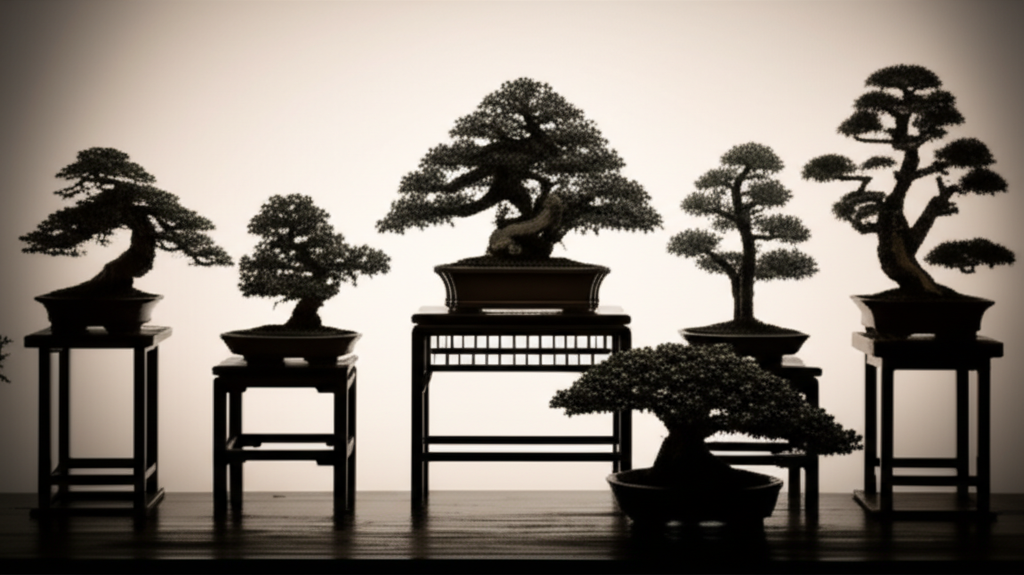
The Joy of Imperfect Bonsai
So, what’s the takeaway from my less-than-perfect bonsai journey? It’s that the true joy of bonsai isn’t about achieving flawless results, it’s about the process itself. It’s about the connection with nature, the challenge of shaping and nurturing a living tree, and the satisfaction of seeing your efforts bear fruit (or rather, leaves!). It’s about accepting imperfections, both in your trees and in yourself, and finding beauty in the unexpected.
Don’t be discouraged by the idealized images you see online. Don’t be afraid to make mistakes. Embrace the challenges, learn from your failures, and celebrate your small victories. Remember that bonsai is a journey, not a destination. And the most rewarding part of the journey is the lessons you learn along the way.
I still have a long way to go on my bonsai journey. I’m still learning, still experimenting, and still making mistakes. But I’m also growing, both as a bonsai artist and as a person. And I wouldn’t trade my imperfect bonsai experience for anything.
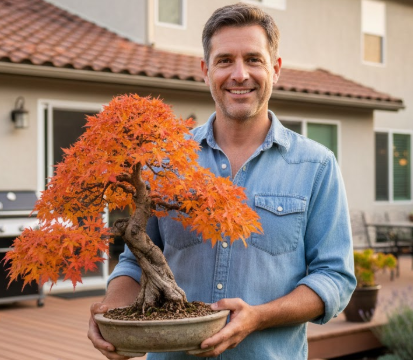
My name is Christopher Brown, I am 38 years old and I live in the United States. I am deeply passionate about the art of bonsai and have been cultivating trees for several years. What started as a simple curiosity turned into a daily practice and an important part of my life.
On this blog, I share my real experiences with bonsai — including what works, what doesn’t, and the lessons I learn along the way. I enjoy experimenting with techniques, observing the growth of each tree, and documenting the process with honesty and patience.
My goal with InfoWeHub is to help beginners feel more confident, avoid common mistakes, and discover the beauty of bonsai cultivation. If you are starting your journey or already love this art, you are welcome here.