
Understanding Bonsai Soil: A Beginner’s Journey
For years, I walked past bonsai exhibits, admiring the miniature trees with a sense of awe and, if I’m honest, a little intimidation. The artistry seemed almost mystical. Then, one day, I decided to take the plunge. I bought my first bonsai, a small juniper, and promptly began the crash course that every beginner faces. What I quickly discovered is that while the pruning and shaping get a lot of attention, the unsung hero of bonsai health is the soil. And let me tell you, it’s not as simple as grabbing a bag of potting mix from your local garden center.
Choosing the right soil is arguably the most important aspect of bonsai cultivation. It’s not just about providing nutrients (though that’s important, too). It’s about drainage, aeration, and root structure. I learned this the hard way, of course. My first attempt involved using regular potting soil, and within a few months, my juniper looked decidedly unhappy. Yellowing needles, stunted growth… it was a clear sign that I was suffocating the poor thing. That’s when I began to truly delve into the world of bonsai soil, a world that’s surprisingly complex and fascinating.
Why Bonsai Soil is Different
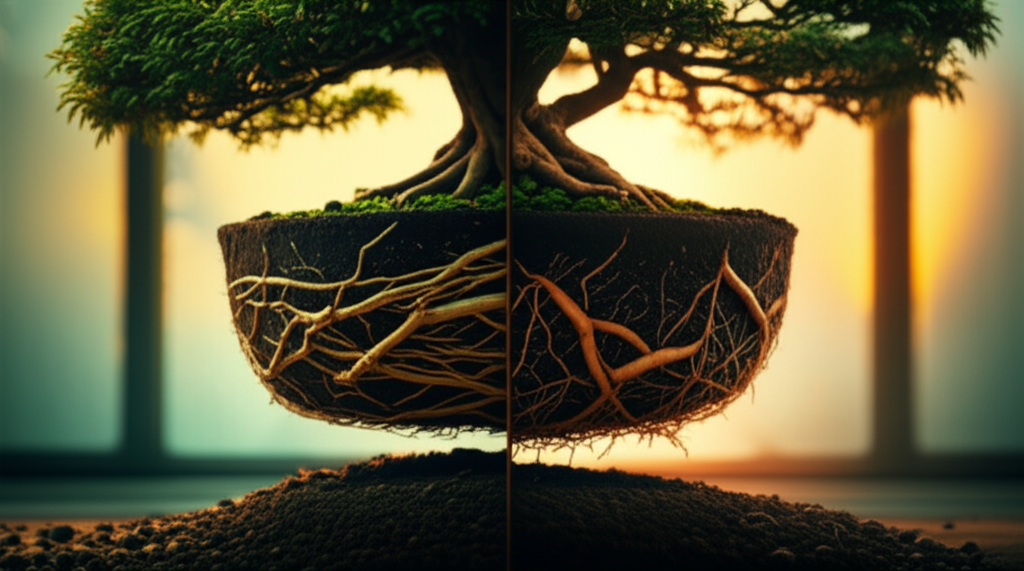
The critical difference between bonsai soil and regular potting soil lies in its structure. Bonsai trees are typically grown in shallow pots, which restricts root growth. In nature, roots can spread far and wide, seeking out water and nutrients. In a bonsai pot, however, they are confined. This confinement demands a soil that provides excellent drainage and aeration. Regular potting soil tends to retain too much water, leading to root rot, a common killer of bonsai trees. Imagine trying to breathe through a thick, wet blanket – that’s what it’s like for a bonsai’s roots in poorly draining soil.
Beyond drainage, bonsai soil needs to provide adequate aeration. Roots need oxygen to function properly. Compacted soil prevents oxygen from reaching the roots, hindering their ability to absorb water and nutrients. This is why bonsai soil is typically composed of larger particles than regular potting soil, creating air pockets within the mix.
The Importance of Drainage
I can’t stress enough how vital proper drainage is. I remember one particularly rainy season when I hadn’t yet fully understood the importance of drainage. My bonsai, potted in a mix that was too dense, sat in waterlogged soil for days. The result? Root rot. I lost a beautiful little maple that I had been carefully nurturing for months. It was a heartbreaking experience, but it solidified my understanding of the critical role of drainage. Good drainage prevents water from pooling around the roots, allowing them to breathe and preventing the growth of harmful fungi and bacteria.
The Role of Aeration
Aeration, as I mentioned earlier, is equally crucial. Think of the soil as the lungs of your bonsai. If the soil is compacted and dense, the roots can’t “breathe.” This lack of oxygen hinders their ability to absorb nutrients and water, leading to stunted growth and overall decline. A well-aerated soil allows air to circulate freely around the roots, promoting healthy growth and preventing root rot. This is achieved through the use of larger, more porous particles in the soil mix.
The Key Components of Bonsai Soil
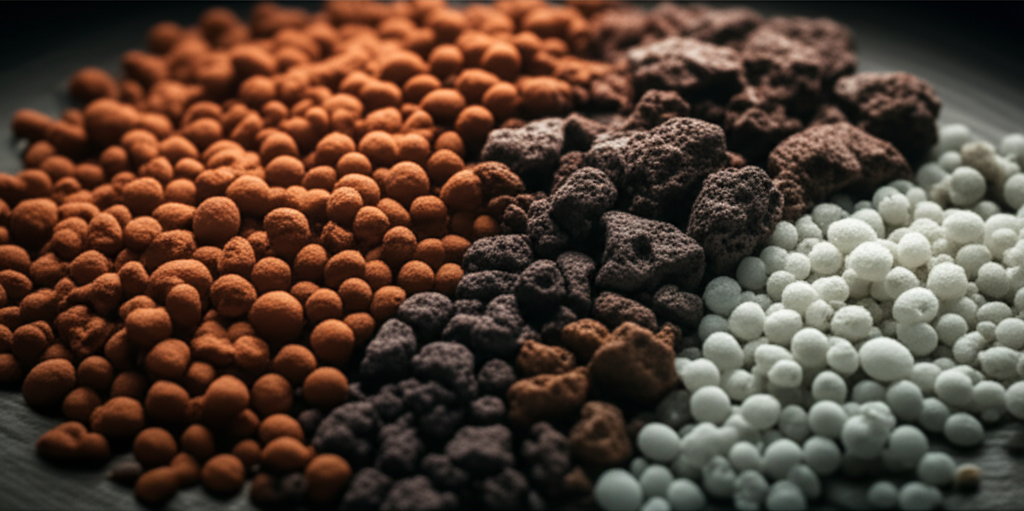
Now that we understand the importance of drainage and aeration, let’s delve into the specific components that make up a good bonsai soil mix. There are three main ingredients that bonsai enthusiasts commonly use: Akadama, Pumice, and Lava Rock. Each of these materials contributes unique properties to the mix.
Akadama: The Japanese Standard
Akadama is a granular, clay-like mineral that is mined in Japan. It’s the most widely used component in bonsai soil, and for good reason. Akadama has excellent water retention properties while still providing good drainage and aeration. It’s also relatively sterile, which helps to prevent the growth of harmful fungi and bacteria. However, Akadama can be expensive, especially if you’re buying it in large quantities. It also breaks down over time, requiring repotting every few years.
I remember the first time I used Akadama. I was amazed by how well it held its shape and how easily water drained through it. It felt like I was giving my bonsai a real treat. And indeed, they seemed to thrive in it. The vibrant green color of the Akadama also added a nice aesthetic touch to the pot.
Pumice: Lightweight and Porous
Pumice is a volcanic rock that is incredibly lightweight and porous. It’s an excellent addition to bonsai soil because it improves drainage and aeration. Pumice also helps to retain some moisture, but not as much as Akadama. It’s relatively inexpensive and doesn’t break down as quickly as Akadama, making it a good long-term investment.
I’ve found pumice to be particularly useful for bonsai that prefer drier conditions. Its excellent drainage properties prevent the soil from becoming waterlogged, which is especially important during the rainy season. I also like the way it looks – the light color of the pumice contrasts nicely with the darker Akadama and lava rock.
Lava Rock: Adds Structure and Drainage
Lava rock is another volcanic rock that is commonly used in bonsai soil. It’s similar to pumice in that it provides excellent drainage and aeration. However, lava rock is typically heavier and more porous than pumice. It also contains trace minerals that can benefit bonsai trees. Lava rock is a good choice for bonsai that need extra drainage or for those that are grown in areas with high humidity.
I often use lava rock in bonsai soil mixes for trees that are prone to root rot. Its exceptional drainage properties help to keep the roots dry and healthy. I also appreciate the rugged, natural look that lava rock adds to the bonsai pot. It complements the overall aesthetic of the tree and creates a sense of harmony.
Creating Your Own Bonsai Soil Mix
Now that you know the key components of bonsai soil, you can start experimenting with creating your own mixes. There’s no one-size-fits-all formula, as the ideal mix will depend on the species of bonsai, the climate, and your watering habits. However, there are some general guidelines you can follow.
The Basic Ratio
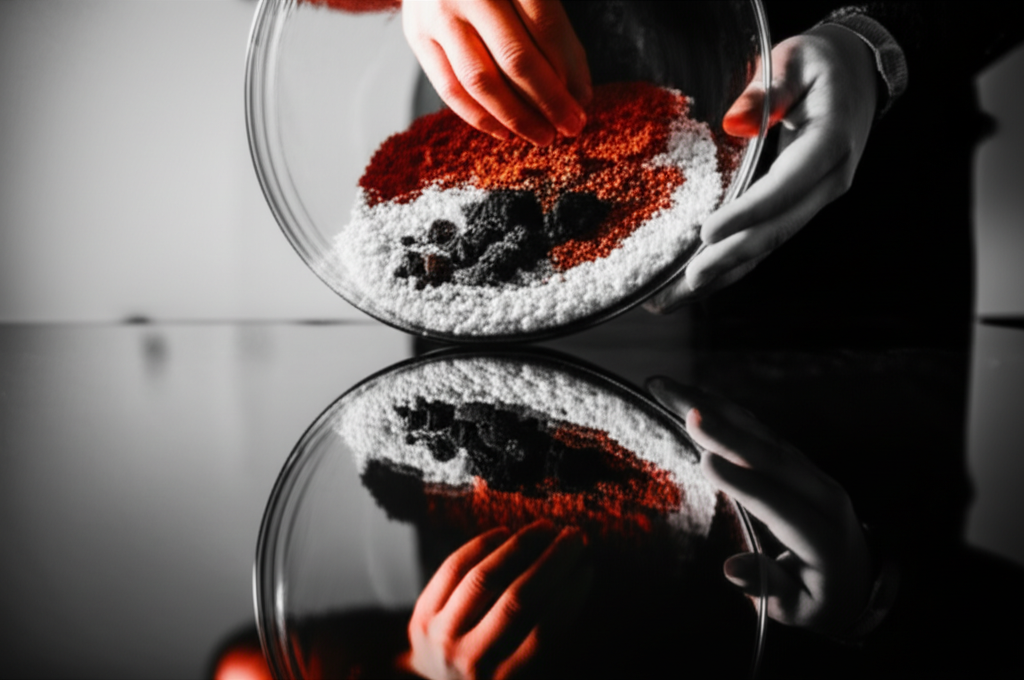
A common starting point for a bonsai soil mix is a 1:1:1 ratio of Akadama, pumice, and lava rock. This provides a good balance of water retention, drainage, and aeration. However, you may need to adjust the ratio depending on your specific needs.
For example, if you live in a dry climate or tend to underwater your bonsai, you may want to increase the amount of Akadama in the mix to improve water retention. Conversely, if you live in a wet climate or tend to overwater, you may want to increase the amount of pumice and lava rock to improve drainage.
Adjusting for Species
Different species of bonsai have different soil requirements. For example, junipers and pines prefer a well-draining soil, while maples and azaleas prefer a slightly more moisture-retentive soil. You can adjust the soil mix accordingly to meet the specific needs of your bonsai.
I’ve found that experimenting with different soil mixes is the best way to determine what works best for your bonsai. Keep track of your results and make adjustments as needed. Over time, you’ll develop a feel for what your bonsai needs and be able to create a soil mix that promotes healthy growth.
A Personal Anecdote
I remember one year when I decided to experiment with a new soil mix for my Japanese maple. I had been using a 1:1:1 ratio of Akadama, pumice, and lava rock, but I felt like the soil was drying out too quickly. I decided to increase the amount of Akadama in the mix to improve water retention. I adjusted the ratio to 2:1:1 (Akadama:pumice:lava rock) and repotted my maple. The results were remarkable. The maple thrived in the new soil mix, producing lush green foliage and vibrant autumn colors. It was a clear indication that I had found a mix that suited its needs perfectly.
Recognizing Soil Problems
Even with the best soil mix, problems can still arise. It’s important to be able to recognize the signs of soil problems so you can take corrective action before they damage your bonsai.
Poor Drainage
One of the most common soil problems is poor drainage. This can be caused by compacted soil, excessive organic matter, or a pot that doesn’t have adequate drainage holes. Signs of poor drainage include waterlogged soil, yellowing leaves, and root rot. If you suspect poor drainage, you should repot your bonsai in a fresh soil mix that provides better drainage.
I once had a bonsai that was suffering from poor drainage. The soil was constantly waterlogged, and the leaves were turning yellow. I tried to improve the drainage by poking holes in the soil with a chopstick, but it didn’t help. Finally, I decided to repot the bonsai in a fresh soil mix that contained more pumice and lava rock. The problem was solved almost immediately. The soil drained properly, and the leaves began to green up again.
Soil Compaction
Soil compaction is another common problem. Over time, the soil in a bonsai pot can become compacted, reducing aeration and drainage. This can be caused by watering too frequently, using a soil mix that is too fine, or simply the weight of the soil itself. Signs of soil compaction include slow growth, yellowing leaves, and a hard, crusty surface on the soil. To prevent soil compaction, you should repot your bonsai every few years in a fresh soil mix.
Nutrient Deficiencies
Bonsai trees, like all plants, need nutrients to thrive. If the soil doesn’t contain enough nutrients, your bonsai may suffer from nutrient deficiencies. Signs of nutrient deficiencies include yellowing leaves, stunted growth, and poor flowering or fruiting. You can correct nutrient deficiencies by fertilizing your bonsai with a balanced fertilizer.
I’ve found that using a slow-release fertilizer is the best way to provide bonsai trees with a steady supply of nutrients. Slow-release fertilizers release nutrients gradually over a period of several months, preventing nutrient deficiencies and promoting healthy growth.
Watering Your Bonsai
Watering is another critical aspect of bonsai care that is closely linked to the soil. The frequency and amount of watering will depend on the species of bonsai, the climate, the soil mix, and the size of the pot. However, there are some general guidelines you can follow.
The “Dry Out” Method
The most common method of watering bonsai is the “dry out” method. This involves allowing the soil to dry out slightly between waterings. To determine when to water, stick your finger into the soil. If the top inch of soil is dry to the touch, it’s time to water. When you water, water thoroughly until water drains out of the drainage holes.
I’ve found that it’s better to underwater than to overwater bonsai trees. Overwatering can lead to root rot, while underwatering is less likely to cause serious problems. If you’re unsure whether to water, it’s always better to err on the side of caution and wait a day or two.
Watering Techniques
There are several different techniques you can use to water bonsai trees. One common technique is to use a watering can with a fine rose spout. This allows you to water the soil evenly and gently without disturbing the roots. Another technique is to submerge the pot in a basin of water until the soil is thoroughly saturated. This is a good way to water bonsai that are growing in very dry conditions.
Water Quality
The quality of the water you use to water your bonsai is also important. Tap water can contain chlorine and other chemicals that can be harmful to bonsai trees. If possible, use rainwater or distilled water to water your bonsai. If you must use tap water, let it sit out for 24 hours to allow the chlorine to evaporate.

Repotting Your Bonsai
Repotting is an essential part of bonsai care. It allows you to refresh the soil, prune the roots, and inspect the health of the tree. How often you need to repot your bonsai will depend on the species of bonsai and the size of the pot. However, most bonsai trees should be repotted every two to five years.
When to Repot
The best time to repot bonsai trees is in the spring, just before the start of the growing season. This gives the tree time to recover from the repotting process and establish new roots before the hot summer months. Signs that your bonsai needs to be repotted include slow growth, yellowing leaves, and roots that are circling the pot.
The Repotting Process
The repotting process involves removing the bonsai from its pot, gently removing the old soil from the roots, pruning the roots, and replanting the bonsai in a fresh soil mix. When pruning the roots, remove any dead, diseased, or circling roots. Be careful not to remove too much of the root system, as this can weaken the tree.
Choosing a New Pot
When repotting your bonsai, you may also want to consider choosing a new pot. The pot should be slightly larger than the previous pot and should have adequate drainage holes. The style and color of the pot should complement the style and color of the bonsai tree.
I’ve found that choosing the right pot for a bonsai tree is an art in itself. The pot should not only be functional but also aesthetically pleasing. It should enhance the beauty of the tree and create a sense of harmony.
Common Mistakes to Avoid
As I mentioned at the beginning, I’ve made my fair share of mistakes in my bonsai journey. Here are some of the most common mistakes that beginners make when it comes to bonsai soil and how to avoid them:
Using the Wrong Soil
Using regular potting soil is a surefire way to kill a bonsai tree. As we’ve discussed, regular potting soil retains too much water and doesn’t provide adequate drainage or aeration. Always use a bonsai-specific soil mix that is designed for the unique needs of bonsai trees.
Overwatering
Overwatering is one of the most common mistakes that beginners make. It can lead to root rot and other problems. Always allow the soil to dry out slightly between waterings and be careful not to overwater.
Not Repotting Regularly
Not repotting your bonsai regularly can lead to soil compaction, nutrient deficiencies, and rootbound conditions. Repot your bonsai every two to five years in a fresh soil mix to keep it healthy and thriving.
Ignoring Drainage
Failing to ensure proper drainage is a major mistake. Always make sure your bonsai pot has adequate drainage holes and that the soil mix provides excellent drainage. If you live in a wet climate, you may want to add extra pumice and lava rock to the soil mix to improve drainage.
Conclusion: The Foundation of Bonsai Health
Choosing the right soil for your bonsai is not just a technicality; it’s an act of care and understanding. It’s about creating an environment where your miniature tree can thrive, its roots breathing freely and drawing nourishment from the earth. It’s about more than just aesthetics; it’s about providing a foundation for long-term health and vitality. From my early struggles with generic potting soil to the satisfaction of creating custom mixes that perfectly suit each tree, I’ve learned that the soil is the silent partner in the art of bonsai. So, take the time to understand your soil, experiment with different mixes, and watch your bonsai flourish. The journey, like the art itself, is one of patience, observation, and a deep respect for the natural world. And who knows, maybe you’ll even find a little bit of yourself growing alongside your miniature trees.
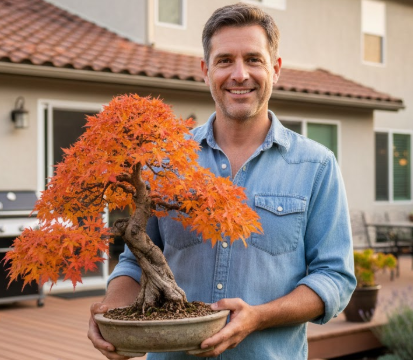
My name is Christopher Brown, I am 38 years old and I live in the United States. I am deeply passionate about the art of bonsai and have been cultivating trees for several years. What started as a simple curiosity turned into a daily practice and an important part of my life.
On this blog, I share my real experiences with bonsai — including what works, what doesn’t, and the lessons I learn along the way. I enjoy experimenting with techniques, observing the growth of each tree, and documenting the process with honesty and patience.
My goal with InfoWeHub is to help beginners feel more confident, avoid common mistakes, and discover the beauty of bonsai cultivation. If you are starting your journey or already love this art, you are welcome here.