
The Allure of Miniature Trees: My Bonsai Journey Begins
For years, I admired bonsai trees from afar. Those perfectly sculpted miniature landscapes, so full of age and serenity, always captivated me. They seemed to hold a secret, a quiet wisdom that only nature and time could impart. Finally, a few years back, I decided to take the plunge and buy my first bonsai. I envisioned myself transforming a small sapling into a masterpiece, patiently shaping its growth and creating a living work of art. Little did I know, the path to bonsai mastery is paved with a few humbling experiences and a lot of learning.
I remember walking into the local garden center, overwhelmed by the sheer variety of bonsai trees on display. There were junipers, maples, pines, and even flowering varieties, each one more enchanting than the last. I was drawn to a particularly beautiful Japanese Maple, its delicate leaves a vibrant shade of red. It seemed to radiate a sense of calm and elegance. Without much research, I purchased it, along with a bag of bonsai soil that the salesman recommended, feeling confident that I was well on my way to becoming a bonsai artist. Oh, how naive I was!
My First Mistake: Overwatering and Neglect
The first few weeks were filled with excitement. I carefully watered my new bonsai every day, making sure the soil was thoroughly soaked. I placed it on my sunny patio, where I thought it would get plenty of sunlight. Unfortunately, I quickly learned that more isn’t always better. Within a few weeks, the leaves started to turn yellow and droop. I panicked, thinking I was doing something wrong. I consulted the internet, where I was bombarded with conflicting information. Some sources said to water more, others said to water less. Confused and frustrated, I ended up doing neither, and my bonsai suffered even more. I didn’t understand the concept of proper drainage, and the roots were essentially drowning. It was a harsh lesson, but one I desperately needed to learn.
Looking back, I realize that my biggest mistake was a lack of knowledge. I didn’t understand the specific needs of my Japanese Maple bonsai. I didn’t know about proper watering techniques, soil composition, or the importance of pruning and shaping. I treated it like any other potted plant, which was a recipe for disaster. It was a painful realization that bonsai care is not a passive hobby, but an active and ongoing commitment to understanding and nurturing a living being.
Choosing the Right Tree: A Crucial First Step
After my initial setback, I decided to approach bonsai with a more methodical and informed approach. I realized that choosing the right tree is a crucial first step. Not all trees are created equal, and some are better suited for beginners than others. I started researching different species, considering factors like climate, growth habits, and ease of care. I also learned about the different styles of bonsai, from the formal upright to the cascading, and how each style requires different techniques and approaches. It was like embarking on a whole new field of study, but I was determined to succeed this time.
Juniper: A Beginner-Friendly Option
Based on my research, I decided to try my hand with a Juniper bonsai. Junipers are known for their hardiness and adaptability, making them a good choice for beginners. They can tolerate a wider range of conditions than some other species, and they are relatively easy to prune and shape. I found a small Juniper at a local nursery, its trunk already showing some interesting character. This time, I made sure to ask the nursery owner for specific care instructions, and I did my own research as well. I learned about the importance of well-draining soil, proper watering techniques, and the need for regular fertilization. I felt much more confident this time, armed with knowledge and a renewed sense of purpose.
The Importance of Local Climate
One of the most important things I learned is the importance of considering your local climate when choosing a bonsai tree. Some species are better suited for certain climates than others. For example, a tropical bonsai might not thrive in a cold climate, while a deciduous bonsai might not do well in a hot, arid environment. It’s crucial to choose a tree that can adapt to your local conditions, or you’ll be fighting an uphill battle from the start. I live in a region with distinct seasons, so I needed to choose a tree that could tolerate both hot summers and cold winters. Junipers fit the bill perfectly, as they are known for their resilience and adaptability.
Understanding Soil, Watering, and Fertilizing
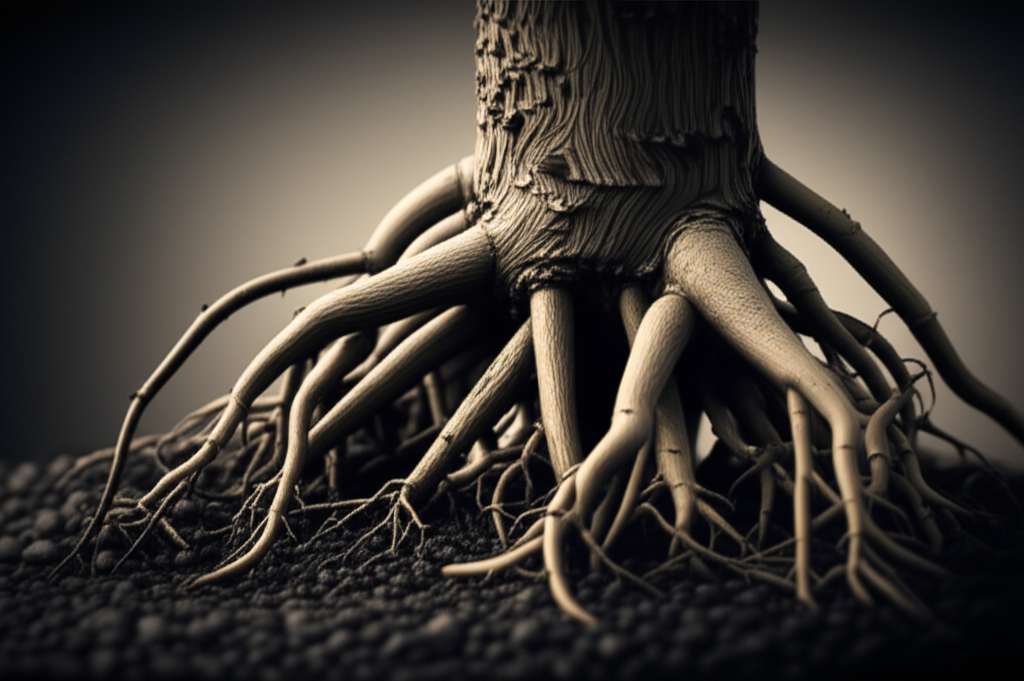
The next critical lesson I learned was about the importance of soil, watering, and fertilizing. These three elements are essential for the health and well-being of any bonsai tree. I realized that the generic bonsai soil I had used before was not ideal for my Japanese Maple. It retained too much water, which led to root rot. I needed to find a soil mix that provided good drainage while still retaining enough moisture to keep the roots hydrated.
Creating the Perfect Soil Mix
After much research, I discovered the importance of using a well-draining soil mix specifically formulated for bonsai trees. The ideal mix typically consists of a combination of akadama, pumice, and lava rock. Akadama is a type of baked clay that retains moisture and nutrients, while pumice and lava rock provide excellent drainage and aeration. The specific ratio of these components can vary depending on the species of tree and the local climate. I experimented with different mixes until I found one that worked well for my Juniper bonsai. I also learned about the importance of repotting bonsai trees every few years to refresh the soil and prevent root binding. It’s a delicate process, but essential for long-term health.
The Art of Watering
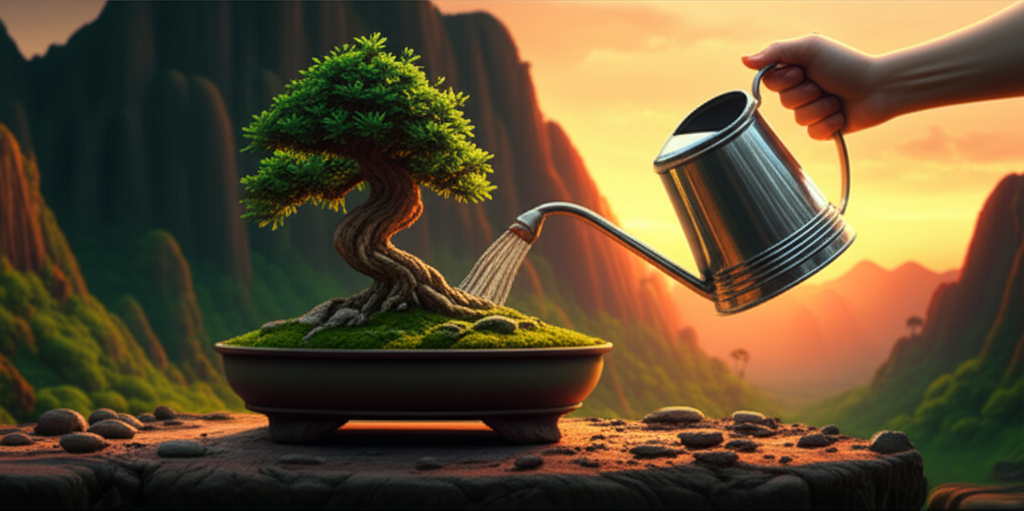
Watering is another crucial aspect of bonsai care. Overwatering and underwatering are both common mistakes that can lead to serious problems. I learned that the key is to water thoroughly when the soil is dry to the touch, but to avoid letting the tree sit in standing water. I also learned about the importance of using the right type of water. Tap water can contain chemicals that are harmful to bonsai trees, so it’s best to use filtered water or rainwater whenever possible. Furthermore, the time of day you water matters. Watering in the early morning allows the foliage to dry before nightfall, reducing the risk of fungal diseases.
Feeding Your Bonsai: Fertilizing for Growth
Fertilizing is also essential for providing bonsai trees with the nutrients they need to thrive. However, it’s important to use the right type of fertilizer and to apply it at the right time. I learned that bonsai trees need a balanced fertilizer that contains nitrogen, phosphorus, and potassium, as well as micronutrients like iron, zinc, and manganese. I also learned about the importance of using a slow-release fertilizer that gradually releases nutrients over time. This prevents the risk of over-fertilizing, which can damage the roots. I generally fertilize during the growing season, from spring to fall, and reduce or stop fertilizing during the winter months when the tree is dormant.
Pruning and Shaping: The Essence of Bonsai
Pruning and shaping are arguably the most important aspects of bonsai care. These techniques are used to control the growth of the tree and to create the desired shape and style. I quickly realized that pruning is not just about trimming away unwanted branches; it’s about understanding the growth habits of the tree and using pruning to direct its energy and create a sense of balance and harmony.
Understanding Branch Structure
One of the first things I learned was the importance of understanding branch structure. Bonsai trees are typically pruned to create a triangular shape, with the widest branches at the bottom and the narrowest branches at the top. This creates a sense of stability and balance. I also learned about the importance of removing crossing branches, inward-growing branches, and branches that are too thick or crowded. These branches can detract from the overall appearance of the tree and can also hinder its growth. It’s a continuous process of refinement.
Wiring: Guiding Growth and Style
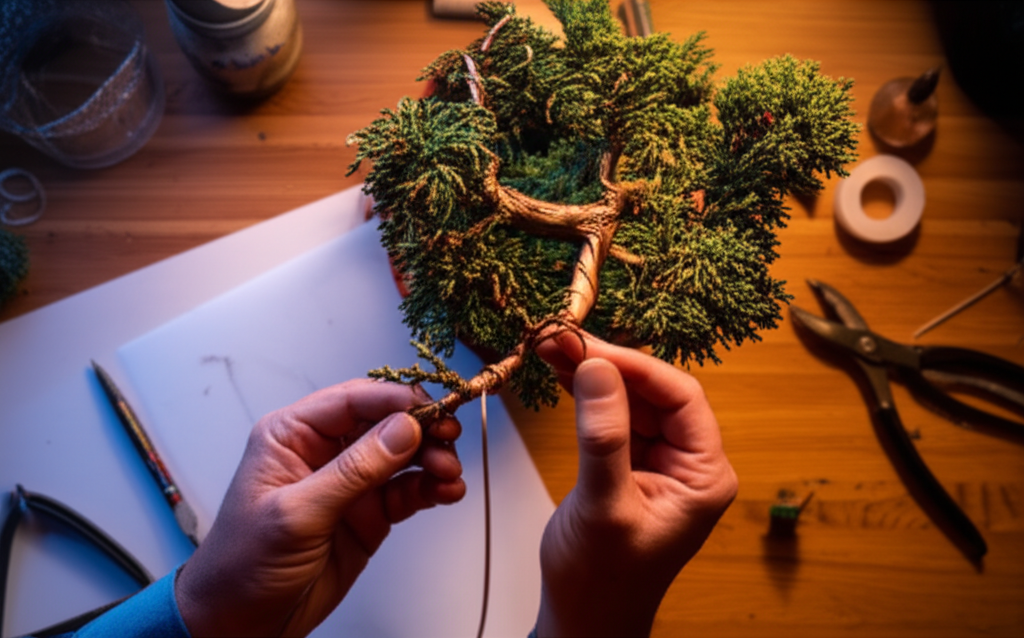
Wiring is another essential technique used to shape bonsai trees. Wire is wrapped around branches to hold them in the desired position. This allows you to create curves, bends, and other shapes that would not be possible through pruning alone. I learned that it’s important to use the right type of wire and to apply it carefully to avoid damaging the bark. Copper and aluminum wire are the most common types used for bonsai wiring. It’s also crucial to monitor the wire regularly and remove it before it starts to cut into the bark. Leaving the wire on for too long can cause permanent damage. It’s a delicate balance between shaping the tree and protecting its health.
Patience and Observation
Ultimately, I learned that the most important tools for bonsai care are patience and observation. Bonsai is not a quick or easy hobby. It requires time, dedication, and a willingness to learn from your mistakes. It also requires a keen eye for detail and the ability to observe the tree closely. By paying attention to the tree’s growth habits, its response to pruning and shaping, and its overall health, you can learn to anticipate its needs and provide it with the best possible care. I’ve spent hours just observing my trees, noticing subtle changes in leaf color, branch growth, and overall health. It’s a meditative practice in itself.
Common Mistakes and How to Avoid Them
Throughout my bonsai journey, I’ve made my fair share of mistakes. Overwatering, underwatering, improper pruning, and neglecting to fertilize are just a few of the pitfalls I’ve encountered. But each mistake has been a valuable learning experience. Here are some of the most common mistakes that beginners make, and how to avoid them:
Ignoring Species-Specific Needs
One of the biggest mistakes that beginners make is failing to understand the specific needs of their bonsai tree. Different species have different requirements for soil, watering, light, and fertilization. It’s crucial to research the specific needs of your tree and to tailor your care accordingly. This is where joining a local bonsai club or connecting with experienced bonsai enthusiasts can be incredibly helpful.
Impatience and Over-Pruning
Impatience is another common pitfall. Bonsai is a slow and gradual process. It takes years, even decades, to develop a truly mature and beautiful bonsai tree. Many beginners get impatient and try to rush the process by over-pruning or over-shaping their trees. This can weaken the tree and can even kill it. It’s important to be patient and to allow the tree to grow at its own pace. Remember that less is often more when it comes to pruning.
Neglecting Pest and Disease Control
Pest and disease control is another important aspect of bonsai care that is often overlooked by beginners. Bonsai trees are susceptible to a variety of pests and diseases, including aphids, spider mites, scale, and fungal infections. It’s important to inspect your trees regularly for signs of pests or diseases and to take action promptly if you notice any problems. I’ve learned the hard way that early detection is key to preventing serious infestations or infections. Organic solutions like neem oil can be effective for controlling many common pests and diseases.
The Enduring Rewards of Bonsai
Despite the challenges and setbacks, I’ve found bonsai to be an incredibly rewarding hobby. There’s something deeply satisfying about nurturing a living tree and shaping it into a work of art. It’s a process that requires patience, dedication, and a connection to nature. I’ve also found that bonsai has taught me valuable life lessons, such as the importance of patience, perseverance, and attention to detail.
Beyond the aesthetic appeal, bonsai has become a form of meditation for me. The act of pruning, wiring, and caring for my trees allows me to slow down, focus on the present moment, and connect with the natural world. It’s a welcome escape from the stresses and anxieties of modern life. And there’s a certain sense of accomplishment that comes with seeing a small sapling transform into a magnificent miniature tree over time.
If you’re considering buying your first bonsai, I encourage you to do your research, choose a tree that is well-suited to your local climate, and be prepared to invest the time and effort necessary to care for it properly. Don’t be afraid to make mistakes, and don’t give up if you encounter challenges along the way. The rewards of bonsai are well worth the effort. It’s a journey that will teach you about nature, about yourself, and about the enduring power of patience and perseverance. And who knows, maybe one day you’ll create a bonsai masterpiece of your own, a living testament to the beauty and harmony of the natural world. I’m still learning, still experimenting, and still making mistakes, but I wouldn’t trade my bonsai journey for anything. It’s a lifelong pursuit that brings me joy, challenges me to grow, and connects me to the timeless beauty of nature.
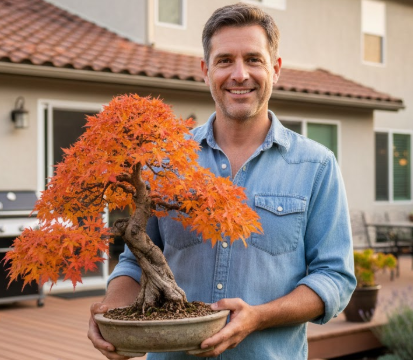
My name is Christopher Brown, I am 38 years old and I live in the United States. I am deeply passionate about the art of bonsai and have been cultivating trees for several years. What started as a simple curiosity turned into a daily practice and an important part of my life.
On this blog, I share my real experiences with bonsai — including what works, what doesn’t, and the lessons I learn along the way. I enjoy experimenting with techniques, observing the growth of each tree, and documenting the process with honesty and patience.
My goal with InfoWeHub is to help beginners feel more confident, avoid common mistakes, and discover the beauty of bonsai cultivation. If you are starting your journey or already love this art, you are welcome here.