
The Delicate Balance: Feeding Your Bonsai
For years, I’ve been captivated by the art of bonsai. It’s more than just gardening; it’s a dance between nature and artistry, a delicate balance of nurturing and restraint. And one of the most crucial aspects of this dance is fertilization. You see, unlike plants in the ground, bonsai are confined to small pots, their access to nutrients severely limited. But here’s the catch: over-fertilizing can be just as detrimental as under-fertilizing. It’s a tightrope walk, and I’ve certainly stumbled a few times along the way.
The key is understanding the unique needs of your bonsai and providing the right nutrients in the right amounts. It’s not about blindly following a fertilizer schedule; it’s about observing your tree, learning its cues, and responding accordingly. Think of it as a conversation, a subtle exchange where your bonsai tells you what it needs, and you listen with a careful and practiced ear. Have you ever really stopped to consider what your bonsai is “saying” to you?
Understanding the Nutritional Needs of Bonsai
Before we dive into specific techniques, let’s talk about the fundamental nutrients your bonsai needs to thrive. The “big three” are nitrogen (N), phosphorus (P), and potassium (K), often represented as N-P-K on fertilizer labels. Nitrogen promotes leafy growth, phosphorus supports root development and flowering, and potassium contributes to overall health and disease resistance. Beyond these, there are micronutrients like iron, manganese, and zinc, which are essential in smaller quantities but can still cause problems if deficient.
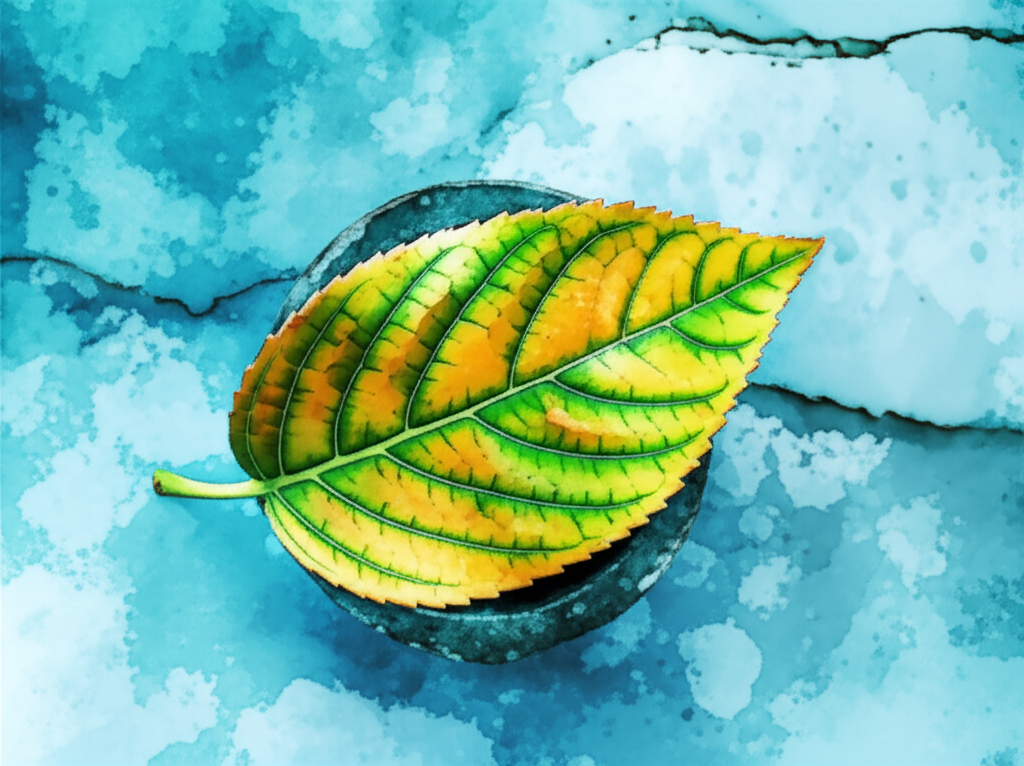
I remember one year, my Japanese maple bonsai started showing yellowing leaves with green veins. At first, I thought it was a watering issue, but after some research and soil testing, I realized it was an iron deficiency. A simple chelated iron supplement quickly corrected the problem. That experience taught me the importance of being a detective, looking for clues, and not jumping to conclusions.
The specific needs of your bonsai will vary depending on the species, age, and stage of development. Young, rapidly growing trees need more nitrogen, while mature trees that are being styled and refined need less. Flowering and fruiting species benefit from higher phosphorus levels. Understanding these nuances is critical for successful bonsai cultivation. So, how do you tailor your fertilizing regime to the specific needs of your bonsai?
Choosing the Right Fertilizer
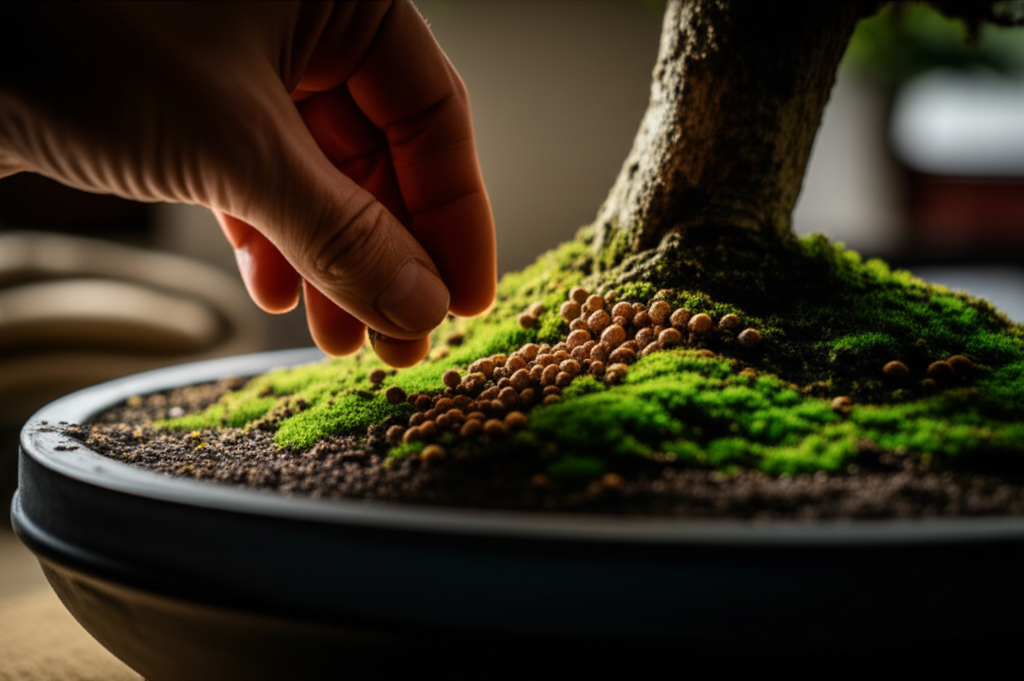
The fertilizer market is flooded with options, from general-purpose blends to specialized bonsai formulas. So, how do you choose the right one? In my experience, slow-release fertilizers are generally the safest and most effective option for bonsai. They provide a steady supply of nutrients over an extended period, minimizing the risk of over-fertilization. I prefer organic slow-release fertilizers, like bone meal, fish emulsion, and composted manure. These not only provide nutrients but also improve the soil structure and promote beneficial microbial activity.
Liquid fertilizers are another option, but they require more careful application and monitoring. They are useful for addressing specific nutrient deficiencies or for providing a quick boost during periods of rapid growth. When using liquid fertilizers, always dilute them according to the manufacturer’s instructions, and err on the side of caution. It’s better to under-fertilize than to over-fertilize. I once made the mistake of using a concentrated liquid fertilizer without properly diluting it, and it burned the roots of my prized juniper. A painful lesson learned!
When choosing a fertilizer, pay attention to the N-P-K ratio. A balanced fertilizer, such as 10-10-10 or 20-20-20, is a good starting point for most bonsai. However, you may need to adjust the ratio depending on the species and stage of development. For example, a fertilizer with a higher phosphorus content (e.g., 10-20-10) is beneficial for flowering bonsai. It’s a matter of experimentation and observation, finding what works best for your particular trees.
Fertilizing Techniques That Prevent Overdoing It
Okay, so you’ve chosen the right fertilizer. Now, how do you apply it without overdoing it? Here are some techniques I’ve found helpful over the years:
The “Less is More” Approach
This is my golden rule for bonsai fertilization. It’s always better to under-fertilize than to over-fertilize. Over-fertilization can lead to leaf burn, root damage, and even death. Under-fertilization, on the other hand, is usually easier to correct. Start with a small amount of fertilizer and gradually increase it as needed. Observe your tree closely for signs of nutrient deficiency, such as yellowing leaves, stunted growth, or poor flowering.
I often tell beginners to dilute liquid fertilizers to half the recommended strength. It might seem counterintuitive, but it’s a safety net. You can always add more later, but you can’t take it back once it’s applied. Think of it like adding salt to a dish; you can always add more, but you can’t take it out.
Timing is Everything
The timing of fertilization is just as important as the amount. Generally, bonsai should be fertilized during the growing season, which is typically spring and summer. Avoid fertilizing during the dormant season (fall and winter), as the tree is not actively growing and cannot utilize the nutrients effectively. I usually start fertilizing in early spring, when the new growth begins to emerge, and continue until late summer. I then taper off the fertilization as the tree prepares for dormancy.
Also, avoid fertilizing newly repotted bonsai for several weeks, as their roots are still recovering. Repotting is stressful for the tree, and adding fertilizer too soon can further damage the delicate roots. Give the tree time to establish itself before introducing fertilizer. It’s like giving a patient time to recover after surgery before starting physical therapy.
The Importance of Soil Drainage
Proper soil drainage is crucial for preventing over-fertilization. If the soil is poorly draining, excess fertilizer can build up, leading to root burn and other problems. Use a well-draining bonsai soil mix that allows water to flow freely through the pot. Avoid using garden soil or potting soil, as these tend to retain too much moisture. I prefer a mix of akadama, pumice, and lava rock, which provides excellent drainage and aeration.
Also, make sure your bonsai pot has adequate drainage holes. If the holes are clogged, water will pool at the bottom of the pot, creating a breeding ground for root rot and other fungal diseases. Regularly check the drainage holes to ensure they are clear. It’s like checking the gutters on your house to make sure they are free of debris.
Flushing the Soil
Periodically flushing the soil with water can help remove excess fertilizer salts and prevent buildup. This is especially important if you are using liquid fertilizers or if you live in an area with hard water. To flush the soil, slowly pour water over the surface of the soil until it runs freely out of the drainage holes. Repeat this process several times to ensure that all the excess salts are removed. I usually flush the soil every few months, or whenever I notice a buildup of white crust on the soil surface.
Think of flushing the soil as giving your bonsai a detox. It helps remove impurities and revitalize the soil. It’s a simple but effective technique that can significantly improve the health of your bonsai.
Recognizing and Addressing Nutrient Deficiencies
Despite your best efforts, your bonsai may still develop nutrient deficiencies. Recognizing the signs of these deficiencies is crucial for taking corrective action. Here are some common nutrient deficiency symptoms and how to address them:
Nitrogen Deficiency
Symptoms of nitrogen deficiency include yellowing of older leaves, stunted growth, and weak stems. To correct nitrogen deficiency, apply a nitrogen-rich fertilizer, such as fish emulsion or blood meal. You can also use a slow-release fertilizer with a high nitrogen content. Be careful not to overdo it, as too much nitrogen can lead to excessive leafy growth at the expense of flowering and fruiting.
I once had a ficus bonsai that was suffering from severe nitrogen deficiency. The leaves were pale yellow, and the tree was barely growing. After applying a few doses of fish emulsion, the tree quickly rebounded, and the leaves regained their vibrant green color. It was a dramatic transformation that highlighted the importance of nitrogen for leafy growth.
Phosphorus Deficiency
Symptoms of phosphorus deficiency include stunted root growth, poor flowering, and dark green leaves with purple tinges. To correct phosphorus deficiency, apply a phosphorus-rich fertilizer, such as bone meal or rock phosphate. You can also use a slow-release fertilizer with a high phosphorus content. Phosphorus is essential for root development and flowering, so make sure your bonsai is getting enough of it.
A friend of mine had a flowering plum bonsai that refused to bloom, despite being otherwise healthy. After some investigation, we discovered that the soil was deficient in phosphorus. After amending the soil with bone meal, the tree burst into bloom the following spring. It was a testament to the importance of phosphorus for flowering plants.
Potassium Deficiency
Symptoms of potassium deficiency include yellowing or browning of leaf edges, weak stems, and increased susceptibility to disease. To correct potassium deficiency, apply a potassium-rich fertilizer, such as wood ash or potassium sulfate. You can also use a slow-release fertilizer with a high potassium content. Potassium is essential for overall health and disease resistance, so make sure your bonsai is getting enough of it.
I once had a juniper bonsai that was constantly plagued by fungal diseases. After testing the soil, I discovered that it was deficient in potassium. After applying potassium sulfate, the tree became much more resistant to disease, and the fungal problems disappeared. It was a clear example of how potassium can strengthen a plant’s defenses.
Micronutrient Deficiencies
Micronutrient deficiencies can be more difficult to diagnose, as the symptoms are often subtle and can mimic other problems. Common micronutrient deficiencies include iron deficiency (yellowing leaves with green veins), manganese deficiency (yellowing between veins), and zinc deficiency (small, distorted leaves). To correct micronutrient deficiencies, apply a chelated micronutrient supplement. These supplements contain micronutrients in a form that is easily absorbed by plants. It’s like giving your bonsai a multivitamin.
Remember the Japanese maple I mentioned earlier with the iron deficiency? That was a classic case of a micronutrient imbalance. The chelated iron supplement worked wonders, restoring the tree’s health and vigor. Don’t underestimate the importance of these trace elements.
Beyond Fertilizers: Holistic Bonsai Care
Fertilization is just one piece of the bonsai puzzle. To truly support your bonsai without overdoing it, you need to take a holistic approach to care, considering all the factors that affect its health and well-being.
Watering
Proper watering is essential for nutrient uptake. Overwatering can lead to root rot and nutrient lockout, while underwatering can prevent the tree from absorbing nutrients. Water your bonsai thoroughly when the soil surface feels dry to the touch. Avoid watering on a fixed schedule, as the frequency of watering will vary depending on the species, climate, and time of year.
I use the “chopstick test” to determine when to water my bonsai. I insert a wooden chopstick into the soil and then remove it. If the chopstick comes out clean, the soil is dry and needs watering. If the chopstick comes out with soil clinging to it, the soil is still moist and does not need watering. It’s a simple but effective way to gauge the moisture level of the soil.
Sunlight
Sunlight is essential for photosynthesis, the process by which plants convert sunlight into energy. Different bonsai species have different sunlight requirements. Some species, like junipers and pines, need full sun, while others, like maples and azaleas, prefer partial shade. Make sure your bonsai is getting the right amount of sunlight for its species.
I’ve learned the hard way that too much sun can be just as bad as too little. I once left a delicate azalea bonsai in full sun during a heatwave, and it suffered severe leaf burn. Now, I always provide shade for my bonsai during the hottest part of the day.
Pruning
Pruning is essential for maintaining the shape and health of your bonsai. Regular pruning helps to control growth, promote branching, and remove dead or diseased branches. Pruning also affects nutrient distribution, as it redirects energy to different parts of the tree. Prune your bonsai according to its species and style.
I find pruning to be a meditative process. It’s a chance to connect with my bonsai and shape it according to my vision. It’s also a constant learning experience, as I discover new ways to improve the tree’s form and health.
Repotting
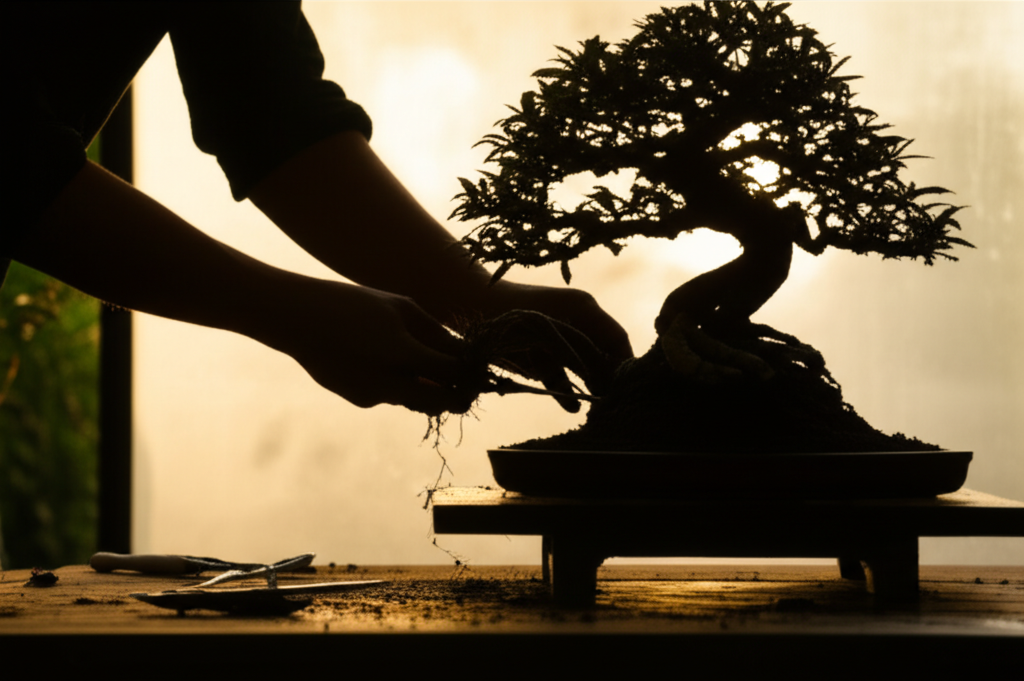
Repotting is necessary to replenish the soil and prevent the bonsai from becoming root-bound. Over time, the soil in a bonsai pot becomes depleted of nutrients and compacted, hindering root growth. Repot your bonsai every one to five years, depending on the species and age of the tree. Use a well-draining bonsai soil mix, and gently remove any circling roots. Repotting is stressful for the tree, so avoid fertilizing it for several weeks afterward.
Repotting is one of the most important things you can do for your bonsai. It’s like giving it a fresh start, a chance to grow and thrive. But it’s also a delicate process that requires care and attention. I always take my time and handle the roots with the utmost gentleness.
The Art of Observation: Tuning into Your Bonsai
Ultimately, the best fertilizing technique is one that is tailored to the individual needs of your bonsai. And the only way to truly understand those needs is to observe your tree closely and learn to interpret its signals. Look for changes in leaf color, growth rate, and overall vigor. Pay attention to the soil moisture and drainage. Be aware of the climate and environmental conditions. The more you observe, the better you will become at anticipating your bonsai’s needs and providing it with the right care.
I think the most valuable lesson I’ve learned over the years is that bonsai care is not a science; it’s an art. There are no hard and fast rules, only guidelines and principles. The key is to develop your own intuition and learn to trust your instincts. With patience, dedication, and a keen eye, you can nurture your bonsai to its full potential without ever overdoing it. It’s a journey of continuous learning and discovery, and one that I find endlessly rewarding. And isn’t that the real beauty of bonsai – the constant challenge and the deep connection to nature?
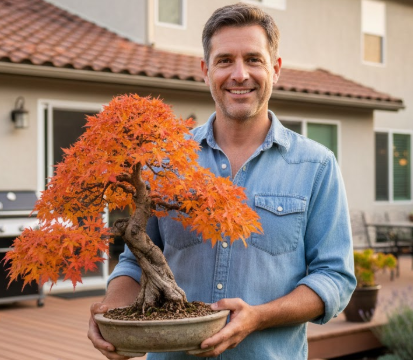
My name is Christopher Brown, I am 38 years old and I live in the United States. I am deeply passionate about the art of bonsai and have been cultivating trees for several years. What started as a simple curiosity turned into a daily practice and an important part of my life.
On this blog, I share my real experiences with bonsai — including what works, what doesn’t, and the lessons I learn along the way. I enjoy experimenting with techniques, observing the growth of each tree, and documenting the process with honesty and patience.
My goal with InfoWeHub is to help beginners feel more confident, avoid common mistakes, and discover the beauty of bonsai cultivation. If you are starting your journey or already love this art, you are welcome here.