
Embarking on the Bonsai Journey: A Personal Reflection
For years, I’ve found immense joy and tranquility in the art of bonsai. It’s more than just a hobby; it’s a practice in patience, a connection to nature, and a constant learning experience. I remember the initial allure – the miniature trees, perfectly formed, whispering tales of ancient landscapes. But like many beginners, my first attempts were… well, let’s just say they weren’t exactly masterpieces. There were wilting leaves, misguided pruning, and a general sense of horticultural chaos. But through those early struggles, I learned invaluable lessons that shaped my understanding of bonsai. So, if you’re considering starting your own bonsai journey, let me share some insights, gained from years of trial and error, that can help you cultivate your own miniature marvels.
Why Bonsai? More Than Just a Tree
Before we delve into the nitty-gritty of bonsai care, it’s worth considering why you’re drawn to this art form. Is it the aesthetic appeal? The challenge of shaping a living thing? Or perhaps the meditative quality of tending to these miniature trees? For me, it was a combination of all three. There’s something deeply satisfying about taking a young tree and, over time, guiding its growth into a specific form. It’s a collaborative process, a dance between the artist and nature. And in today’s fast-paced world, the act of slowing down, of focusing on the subtle changes in a bonsai, can be incredibly grounding. It’s a reminder that growth takes time, and that beauty can be found in the details.
Think of it as a living sculpture. You’re not just planting a tree; you’re creating a work of art that evolves with each passing season. And unlike a static sculpture, a bonsai requires constant attention and care. It demands that you understand its needs, its rhythms, and its potential. This interaction fosters a deep connection, a sense of responsibility, and a profound appreciation for the natural world. Have you ever considered the story a bonsai could tell? Each bend in a branch, each carefully placed leaf, can reflect the artist’s vision and the tree’s journey through time.
Choosing Your First Bonsai: A Beginner’s Guide
Selecting your first bonsai is a crucial step, and it’s where many beginners stumble. The temptation to buy a mature, elaborate tree can be strong, but I’ve learned that starting with simpler material is often the best approach. Why? Because it allows you to learn the fundamentals of bonsai care without the pressure of maintaining a valuable specimen. You’ll make mistakes – we all do – and it’s better to make them on a less expensive tree.
The Right Species for Beginners
The species of tree you choose is also important. Some species are more forgiving than others, making them ideal for beginners. Here are a few recommendations based on my experience:
- Juniper: These are hardy, adaptable, and relatively easy to care for. They can tolerate a range of conditions and are readily available. I started with a Juniper procumbens nana, and it proved to be a remarkably resilient tree.
- Ficus: Indoor bonsai enthusiasts often gravitate towards Ficus species. They’re tolerant of low light conditions and can handle occasional neglect. The Ficus retusa, in particular, is a popular choice.
- Chinese Elm: This species is known for its rapid growth and adaptability. It’s a great option for those who want to see results relatively quickly.
Avoid species that are notoriously difficult to care for, such as Japanese Maples (Acer palmatum) or Azaleas (Rhododendron). While these trees are undeniably beautiful, they require a higher level of expertise and can be frustrating for beginners. Remember, the goal is to learn and enjoy the process, not to become discouraged by early failures. I remember being so drawn to the vibrant colors of a Japanese Maple, only to have it succumb to my novice care within a few months. It was a painful lesson, but one that ultimately led me to appreciate the importance of choosing the right species.
Consider also where you plan to keep your bonsai. Will it be indoors or outdoors? This will influence your choice of species. Outdoor bonsai require full sun and proper winter protection, while indoor bonsai need adequate light and humidity. Do your research and choose a species that is well-suited to your environment.
Evaluating the Health of the Tree
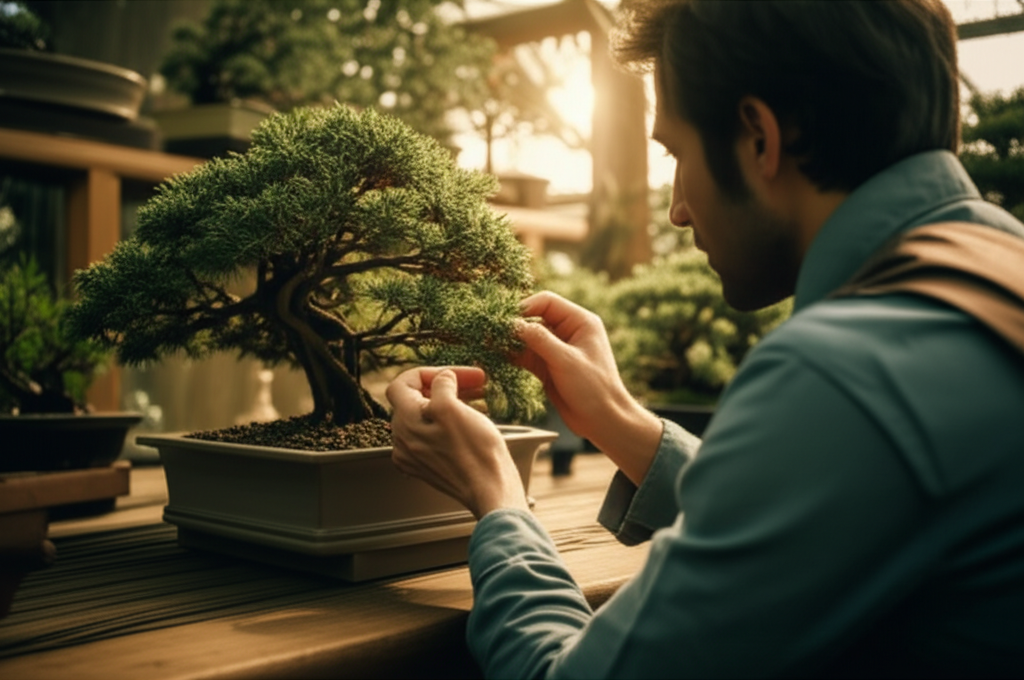
Before you buy a bonsai, take a close look at its overall health. Are the leaves vibrant and green? Are the branches strong and flexible? Are there any signs of pests or diseases? Avoid trees with yellowing or browning leaves, brittle branches, or visible signs of infestation. Check the soil as well. It should be well-draining and free of weeds. A healthy tree is more likely to thrive and will give you a better chance of success.
The Essentials of Bonsai Care: Nurturing Your Miniature World
Once you’ve chosen your bonsai, the real work begins. Bonsai care is an ongoing process that requires attention, patience, and a willingness to learn. But don’t be intimidated! With a little knowledge and practice, you can provide your bonsai with the care it needs to thrive.
Watering: The Lifeblood of Your Bonsai
Watering is perhaps the most critical aspect of bonsai care. Overwatering and underwatering are both common mistakes that can lead to serious problems. The key is to find the right balance. How often you need to water will depend on several factors, including the species of tree, the size of the pot, the type of soil, and the climate. A good rule of thumb is to water when the top inch of soil feels dry to the touch. When you water, water thoroughly, until water drains out of the bottom of the pot. This ensures that the entire root ball is moistened.
Avoid using tap water if possible, as it can contain chemicals that are harmful to bonsai. Rainwater or distilled water is a better option. Also, be sure to water early in the morning, so that the foliage has time to dry before nightfall. This helps to prevent fungal diseases. I once lost a beautiful little ficus to root rot because I was watering it too frequently and the soil never had a chance to dry out. It was a harsh reminder of the importance of proper watering techniques.
Soil: The Foundation of Growth
The right soil is essential for healthy bonsai growth. Bonsai soil needs to be well-draining, so that the roots don’t sit in water. It also needs to provide adequate aeration, allowing the roots to breathe. A typical bonsai soil mix consists of akadama (a type of baked clay), pumice, and lava rock. The proportions of each ingredient will vary depending on the species of tree and the climate.
Avoid using garden soil or potting soil, as these tend to retain too much water and can suffocate the roots. You can purchase pre-mixed bonsai soil from a reputable supplier, or you can mix your own. I prefer to mix my own, as it allows me to customize the soil to the specific needs of my trees. It’s a bit more work, but I find it to be a worthwhile investment. Imagine the roots of your bonsai as tiny straws, constantly drawing up water and nutrients. If the soil is compacted and poorly draining, those straws will be clogged, and the tree will suffer.
Fertilizing: Nourishing Your Bonsai
Like all plants, bonsai need fertilizer to thrive. Fertilizer provides essential nutrients that are necessary for healthy growth. Use a balanced fertilizer that is specifically formulated for bonsai. Avoid using fertilizers that are too high in nitrogen, as this can lead to excessive foliage growth at the expense of root development. Fertilize regularly during the growing season, following the instructions on the fertilizer package. Reduce or eliminate fertilizing during the dormant season.
I prefer to use organic fertilizers, such as fish emulsion or seaweed extract. These fertilizers are gentle and slow-releasing, providing a steady supply of nutrients without the risk of burning the roots. It’s like giving your bonsai a nutritious meal, slowly savored and digested. Chemical fertilizers can be effective, but they can also be harsh and can build up in the soil over time. I learned this the hard way when I accidentally burned the roots of a juniper with an overly concentrated chemical fertilizer. The tree eventually recovered, but it was a stressful experience that taught me the value of using organic options.
Pruning: Shaping Your Vision
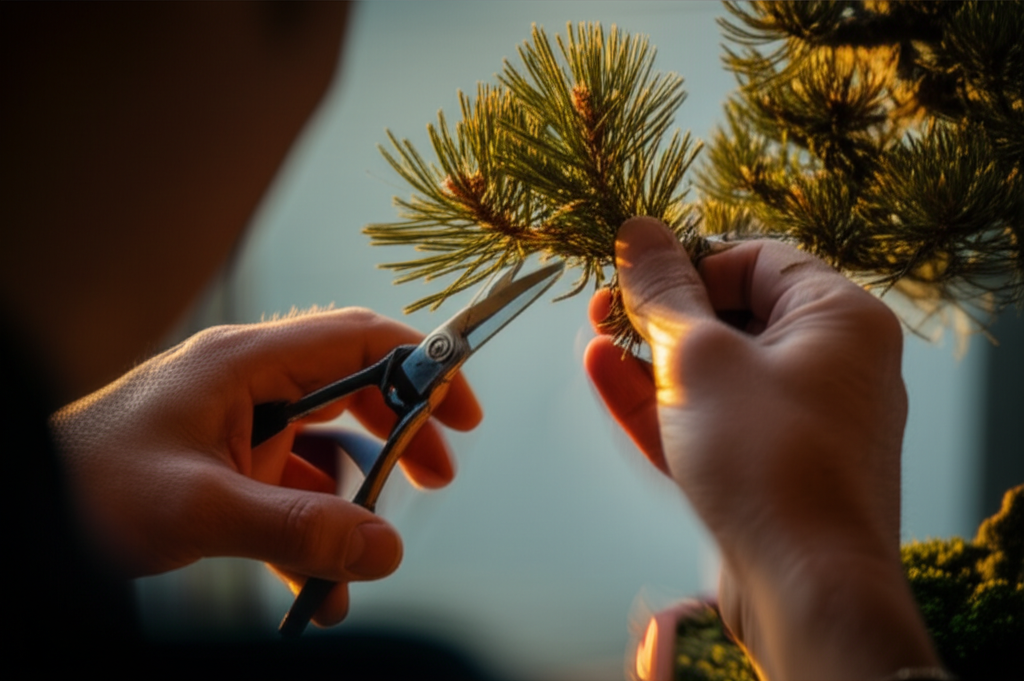
Pruning is one of the most important techniques in bonsai cultivation. It’s how you shape the tree, control its growth, and maintain its miniature size. There are two main types of pruning: structural pruning and maintenance pruning. Structural pruning is done to establish the basic shape of the tree. It involves removing large branches that are not in line with the desired design. Maintenance pruning is done to maintain the shape of the tree and to encourage new growth. It involves removing small branches, twigs, and leaves.
Pruning should be done with sharp, clean tools. Sterilize your tools before each use to prevent the spread of diseases. When pruning, make clean cuts close to the trunk or branch. Avoid leaving stubs, as these can rot and attract pests. Pruning is an art form in itself, and it takes time and practice to master. But with patience and observation, you can learn to shape your bonsai into a stunning work of art. Think of yourself as a sculptor, carefully removing excess material to reveal the beauty that lies within. Each cut should be deliberate and purposeful, guided by your artistic vision.
Repotting: Giving Your Bonsai a New Lease on Life
Repotting is another essential aspect of bonsai care. Over time, the soil in a bonsai pot becomes depleted of nutrients and compacted. Repotting provides the tree with fresh soil and allows you to trim the roots, which helps to control the size of the tree and encourage new growth. How often you need to repot will depend on the species of tree and the size of the pot. Young trees typically need to be repotted every year or two, while older trees can be repotted every three to five years.
The Right Time to Repot
The best time to repot is in the early spring, just before the growing season begins. This gives the tree time to recover from the stress of repotting before it starts to put on new growth. When repotting, carefully remove the tree from its pot. Gently loosen the roots and trim away any dead or diseased roots. Use a sharp knife or pruning shears to make clean cuts. Replant the tree in fresh bonsai soil, making sure to fill the pot completely. Water thoroughly after repotting.
I remember being terrified the first time I repotted a bonsai. I was afraid of damaging the roots and killing the tree. But with careful preparation and a steady hand, I was able to successfully repot the tree without any problems. It was a rewarding experience that gave me a newfound confidence in my bonsai skills. Imagine the roots of your bonsai as a network of tiny pipelines, delivering water and nutrients to the entire tree. Over time, those pipelines can become clogged and inefficient. Repotting is like giving your bonsai a new plumbing system, allowing it to thrive and flourish.
Choosing the Right Pot
The pot is an integral part of the bonsai aesthetic. It should complement the tree and enhance its overall appearance. Choose a pot that is the right size and shape for the tree. The pot should also have adequate drainage holes to prevent waterlogging. Bonsai pots come in a variety of materials, including ceramic, clay, and plastic. Ceramic pots are the most common, and they are available in a wide range of styles and colors. Clay pots are more porous than ceramic pots, which can help to improve drainage. Plastic pots are less expensive than ceramic or clay pots, but they are not as aesthetically pleasing.
I have a collection of bonsai pots in various shapes, sizes, and colors. I enjoy experimenting with different combinations to find the perfect pot for each of my trees. The pot can be round, square, rectangular, or oval. It can be glazed or unglazed. It can be decorated with intricate designs or left plain. The possibilities are endless. But the most important thing is to choose a pot that complements the tree and enhances its overall beauty. Think of the pot as a frame for a painting. It should draw the eye to the artwork and enhance its impact.
Common Bonsai Problems and Solutions
Even with the best care, bonsai can sometimes develop problems. Pests, diseases, and environmental stress can all take their toll on these miniature trees. The key is to identify problems early and take appropriate action. Over the years, I’ve dealt with my fair share of bonsai ailments, from spider mites to root rot. Each experience has taught me valuable lessons about prevention and treatment.
Pests and Diseases
Pests such as spider mites, aphids, and scale insects can damage bonsai foliage and weaken the tree. Diseases such as fungal infections and root rot can also be devastating. Inspect your bonsai regularly for signs of pests or diseases. If you find any problems, take action immediately. There are a variety of insecticides and fungicides available for treating bonsai pests and diseases. Choose products that are specifically formulated for use on bonsai, and follow the instructions carefully.
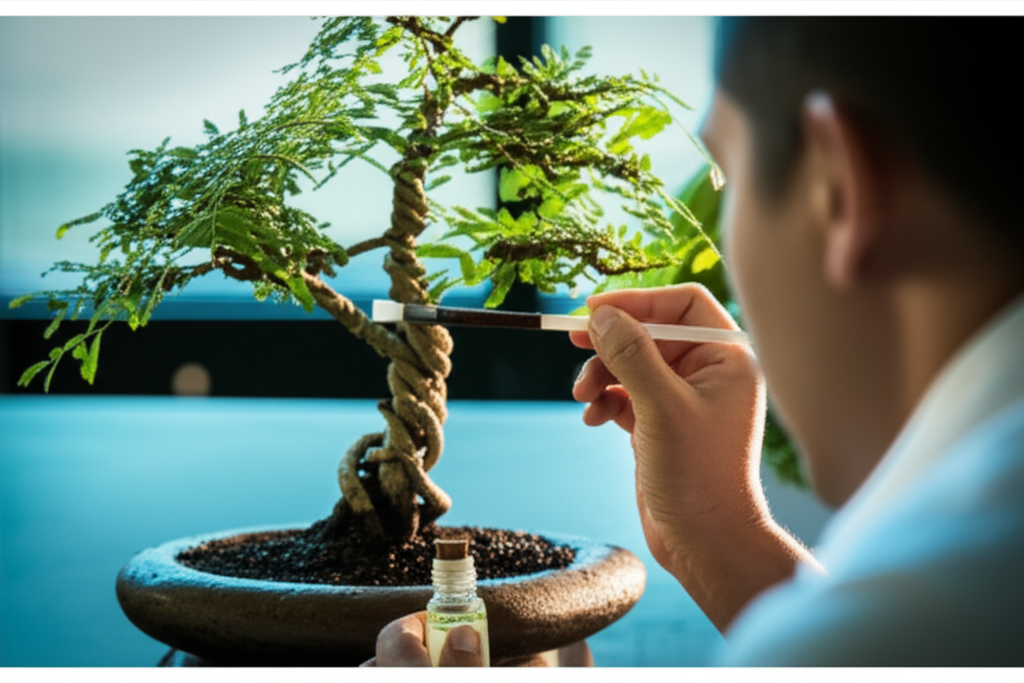
I prefer to use natural remedies whenever possible. For example, I use neem oil to control spider mites and aphids. Neem oil is a natural insecticide that is safe for use on bonsai. I also use a copper-based fungicide to treat fungal infections. Copper-based fungicides are effective against a wide range of fungal diseases. Prevention is always better than cure, so I make sure to keep my bonsai clean and well-ventilated. I also avoid overwatering, as this can create conditions that are conducive to fungal growth.
Environmental Stress
Bonsai can also suffer from environmental stress, such as lack of sunlight, excessive heat, or cold drafts. These conditions can weaken the tree and make it more susceptible to pests and diseases. Provide your bonsai with the appropriate amount of sunlight, temperature, and humidity. Protect it from extreme weather conditions. If your bonsai is showing signs of stress, try moving it to a more suitable location. Sometimes, a simple change of scenery can make all the difference.
I once had a juniper that started to turn brown and lose its needles. I couldn’t figure out what was wrong, as I was watering and fertilizing it properly. Eventually, I realized that the tree was getting too much direct sunlight. I moved it to a shadier location, and it quickly recovered. It was a reminder that even small changes in the environment can have a big impact on a bonsai. Think of your bonsai as a delicate ecosystem, constantly adapting to its surroundings. By understanding its needs and providing it with the right conditions, you can help it to thrive and flourish.
The Art of Patience: A Long-Term Commitment
Bonsai is not a quick fix. It’s not something you can master in a week, a month, or even a year. It’s a long-term commitment that requires patience, dedication, and a willingness to learn. Over the years, I’ve learned that the most rewarding aspect of bonsai is the journey itself. It’s the process of nurturing a living thing, of shaping its growth, and of watching it evolve over time. It’s a connection to nature that is both humbling and inspiring. It is also a perfect exercise in cultivating patience. Can you think of many other art forms that take years, even decades, to fully mature?
Don’t be discouraged by setbacks. There will be times when your bonsai doesn’t thrive, when it succumbs to pests or diseases, or when you simply make mistakes. These are all part of the learning process. The key is to learn from your mistakes and to keep moving forward. Every dead branch, every failed attempt, is a lesson learned. And with each passing season, you’ll become a more skilled and knowledgeable bonsai artist. Remember that even the most experienced bonsai masters have made mistakes along the way. The difference is that they’ve learned from those mistakes and used them to improve their skills.
Embrace the slow pace of growth. Bonsai is a reminder that beauty takes time. It’s a lesson in patience, perseverance, and the appreciation of the natural world. So, take a deep breath, relax, and enjoy the journey. The rewards are well worth the effort. The beauty of a well-tended bonsai is a testament to the power of patience and the enduring allure of the natural world. What could be more fulfilling than creating something beautiful and lasting, something that will continue to evolve and inspire for years to come?
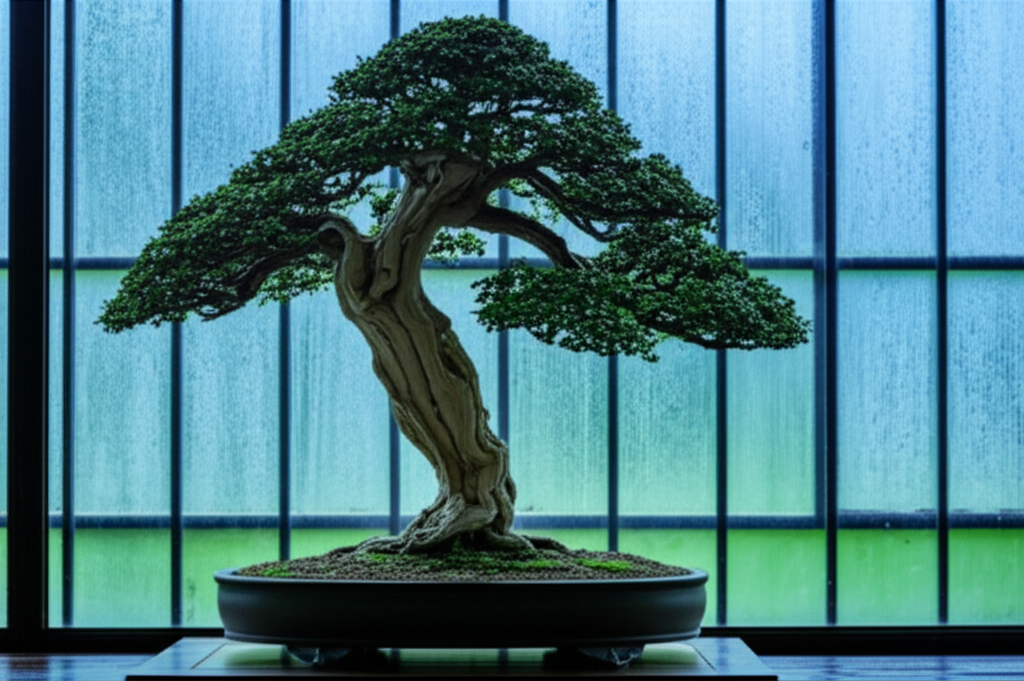
Ultimately, bonsai is a journey of self-discovery. It’s a way to connect with nature, to express your creativity, and to cultivate patience and mindfulness. It’s a challenging but rewarding art form that can bring years of joy and fulfillment. So, take the plunge, embrace the challenges, and discover the magic of bonsai. The journey from chaos to harmony begins with a single seed, a single剪定, and a single act of faith.
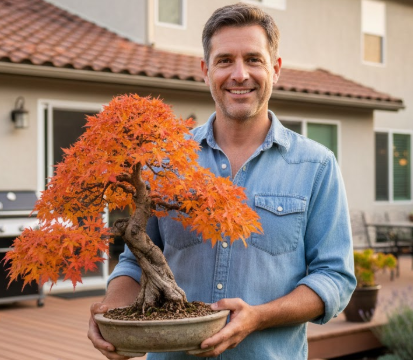
My name is Christopher Brown, I am 38 years old and I live in the United States. I am deeply passionate about the art of bonsai and have been cultivating trees for several years. What started as a simple curiosity turned into a daily practice and an important part of my life.
On this blog, I share my real experiences with bonsai — including what works, what doesn’t, and the lessons I learn along the way. I enjoy experimenting with techniques, observing the growth of each tree, and documenting the process with honesty and patience.
My goal with InfoWeHub is to help beginners feel more confident, avoid common mistakes, and discover the beauty of bonsai cultivation. If you are starting your journey or already love this art, you are welcome here.