
Hot Weather Bonsai: My Approach to Keeping Them Thriving
As a bonsai enthusiast for decades, I’ve learned one thing for certain: the art of bonsai is a constant dance with nature. And nowhere is this more evident than when the mercury starts to climb. Hot weather presents unique challenges to these miniature trees, demanding adjustments to our care routines. I’ve seen countless bonsai struggle, even perish, because of a lack of understanding of how to modify their care during the summer months. So, I want to share my personal approach to ensuring my bonsai not only survive but thrive during the hottest days.
My journey with bonsai began in my late twenties. I was immediately captivated by the artistry, the patience required, and the profound connection it fostered with the natural world. Over the years, I’ve cultivated a diverse collection, from resilient junipers to delicate maples, each with its own specific needs and personality. But the one constant across all species is the need for careful attention, especially when the sun is blazing.
Understanding the Impact of Heat on Bonsai
Before we dive into specific care techniques, it’s crucial to understand why hot weather is so challenging for bonsai. The primary issue is, of course, increased water loss. Bonsai are typically planted in small, well-draining pots. This is essential for controlling their growth and maintaining their aesthetic shape, but it also means they dry out much faster than trees planted in the ground. The combination of small soil volume and increased evaporation rates in hot weather can quickly lead to dehydration.
Furthermore, high temperatures can stress the root system. Bonsai roots are confined within a limited space, and the soil temperature can rise dramatically in direct sunlight. This can damage the delicate root hairs responsible for absorbing water and nutrients, hindering the tree’s ability to function properly. Imagine wearing socks that are too tight on a long walk, your feet will feel more tired and cramped, right? Same idea.
Finally, excessive heat can increase the risk of pests and diseases. Certain pests, like spider mites and aphids, thrive in hot, dry conditions. And stressed trees are more susceptible to infections and fungal diseases. Ignoring these factors can lead to a rapid decline in the health and vigor of your prized bonsai.
My Watering Strategy: More Than Just “Water When Dry”
Watering is, without a doubt, the most critical aspect of bonsai care during hot weather. But it’s not as simple as just sticking your finger in the soil and watering when it feels dry. I’ve seen that advice given repeatedly, and while it’s a good starting point, it lacks nuance. I’ve refined my watering strategy over the years to take into account several factors.
Assessing the Tree’s Needs
First, I consider the specific needs of each tree. Different species have different water requirements. Junipers, for example, are relatively drought-tolerant and prefer to dry out slightly between waterings. Maples, on the other hand, are more sensitive to drought and need consistent moisture. I keep a detailed record of each tree’s watering schedule and adjust it based on weather conditions.
I also pay attention to the size and type of pot. Smaller pots dry out faster than larger ones. Clay pots are more porous than plastic pots, allowing for greater evaporation. And bonsai planted in well-draining soil mixes, like akadama and pumice, will need more frequent watering than those in heavier soils.
The “Feel” Test and Beyond
While the “finger test” is a useful indicator, I also rely on other cues. I look at the color of the soil surface. If it’s light brown or gray, it’s likely dry. I also check the weight of the pot. A dry pot will feel significantly lighter than a recently watered one. And I observe the tree itself. Drooping leaves or a dull appearance can be signs of dehydration.
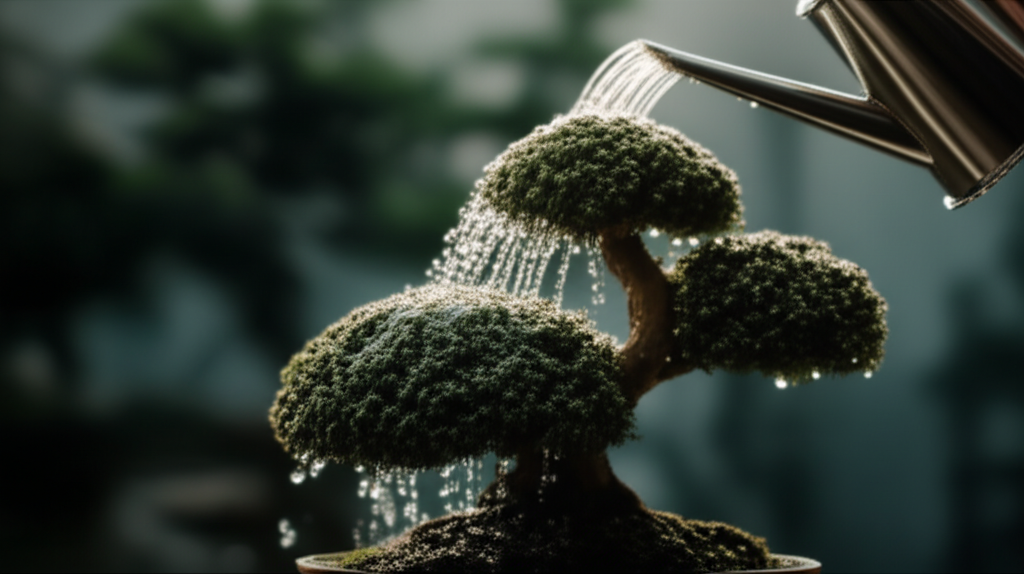
During the hottest days, I often water my bonsai twice a day – once in the early morning and again in the late afternoon. However, I avoid watering during the hottest part of the day, as this can scorch the leaves. I use a gentle spray nozzle to avoid disturbing the soil and to ensure even distribution of water.
Water Quality Matters
I’ve also learned the importance of using good quality water. Tap water can contain chlorine and other chemicals that can be harmful to bonsai. I prefer to use rainwater or filtered water whenever possible. If I have to use tap water, I let it sit for 24 hours to allow the chlorine to dissipate.
Protecting the Roots: Shade and Soil Management
As I mentioned earlier, excessive heat can damage the delicate root system of bonsai. Therefore, protecting the roots is a crucial part of my hot weather care routine. I utilize a multi-pronged approach that involves providing shade, improving soil drainage, and monitoring soil temperature.
Strategic Shading
During the hottest part of the day, I move my more sensitive bonsai to a shaded location. This could be under a tree, on a covered porch, or inside a greenhouse with shade cloth. I avoid placing them in direct sunlight, as this can cause the soil temperature to rise rapidly.
I’ve experimented with different types of shade cloth and found that a 50% shade cloth provides adequate protection without blocking too much sunlight. I also ensure that there is good air circulation around the trees to prevent them from overheating.
Optimizing Soil Drainage
A well-draining soil mix is essential for preventing root rot, especially during hot weather when frequent watering is necessary. I use a mix of akadama, pumice, and lava rock, which provides excellent drainage and aeration. I also repot my bonsai every 2-3 years to refresh the soil and prevent it from becoming compacted.
I also add a layer of gravel or pebbles to the bottom of the pot to improve drainage. This helps to prevent the roots from sitting in stagnant water.
Monitoring Soil Temperature
I use a soil thermometer to monitor the soil temperature, especially during the hottest days. If the soil temperature exceeds 90°F (32°C), I take steps to cool it down. This could involve moving the tree to a shadier location, watering more frequently, or even placing ice packs on the soil surface (being careful to not directly contact the roots).
Humidity: Creating a Microclimate for Success
Bonsai often thrive in environments with higher humidity than what we typically experience in our homes or gardens. Hot weather can exacerbate this issue, leading to dryness and stress. Creating a humid microclimate around your bonsai can significantly improve their health and vigor.
Misting and Grouping
One of the simplest ways to increase humidity is to mist your bonsai regularly. I mist my trees several times a day during hot weather, especially in the morning and evening. This helps to hydrate the foliage and increase the humidity around the trees.
Grouping bonsai together can also create a more humid microclimate. The trees will transpire, releasing moisture into the air and increasing the humidity around them. I arrange my bonsai in groups, ensuring that there is adequate space between them for air circulation.
Humidity Trays
Humidity trays are shallow trays filled with gravel or pebbles and water. As the water evaporates, it increases the humidity around the bonsai. I place my bonsai pots on top of the gravel, ensuring that the bottom of the pot does not sit directly in the water. This prevents the roots from becoming waterlogged.
I also use a humidifier in my greenhouse to maintain a consistent humidity level, especially during dry spells. This helps to create an ideal environment for my bonsai to thrive.
Fertilizing During Hot Weather: A Delicate Balance
Fertilizing is an essential part of bonsai care, but it’s important to adjust your fertilizing schedule during hot weather. Over-fertilizing can stress the tree and make it more susceptible to pests and diseases. On the other hand, under-fertilizing can weaken the tree and hinder its growth.
Choosing the Right Fertilizer
I use a balanced liquid fertilizer diluted to half strength during hot weather. I avoid using high-nitrogen fertilizers, as these can promote excessive growth that is susceptible to heat stress. I prefer to use a fertilizer with a balanced NPK ratio (nitrogen, phosphorus, potassium) to provide the tree with the nutrients it needs without promoting excessive growth.
Fertilizing Frequency
I fertilize my bonsai less frequently during hot weather than during the growing season. I typically fertilize every 2-3 weeks, depending on the species and the weather conditions. I avoid fertilizing during the hottest part of the day, as this can scorch the roots.
Foliar Feeding
Foliar feeding, which involves spraying the leaves with a diluted fertilizer solution, can be a useful way to provide nutrients to bonsai during hot weather. The leaves absorb the nutrients directly, bypassing the root system. I use a diluted seaweed extract or fish emulsion for foliar feeding.
Pest and Disease Control: Prevention is Key
As I mentioned earlier, hot weather can increase the risk of pests and diseases in bonsai. Therefore, preventative measures are crucial. I regularly inspect my trees for signs of pests or diseases and take action immediately if I spot any problems.
Regular Inspections
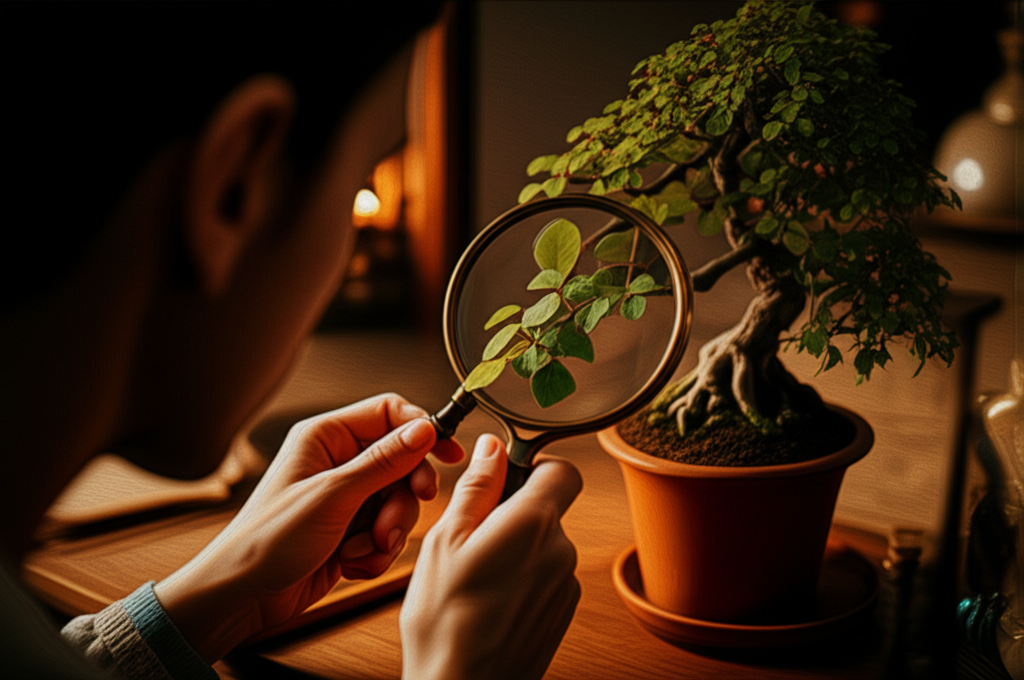
I inspect my bonsai at least once a week, paying close attention to the leaves, branches, and trunk. I look for signs of pests, such as spider mites, aphids, and scale insects. I also look for signs of diseases, such as leaf spots, fungal growth, and root rot.
Neem Oil and Insecticidal Soap
If I find any pests, I treat them with neem oil or insecticidal soap. These are both natural and relatively safe pesticides that can effectively control many common bonsai pests. I apply the pesticide according to the manufacturer’s instructions, being careful to avoid spraying during the hottest part of the day.
Fungicides
If I find any signs of fungal disease, I treat them with a fungicide. I use a broad-spectrum fungicide that is effective against a variety of fungal pathogens. I apply the fungicide according to the manufacturer’s instructions.
Improving Air Circulation
Good air circulation is essential for preventing pests and diseases. I ensure that there is adequate space between my bonsai and that they are not overcrowded. I also prune my trees regularly to improve air circulation within the canopy.
Acclimation: Easing the Transition
Sudden changes in temperature or environment can stress bonsai. Therefore, it’s important to acclimate them gradually to the changing weather conditions. This is especially important when moving bonsai from indoors to outdoors or from a shaded location to a sunnier one.
Gradual Exposure to Sunlight
When moving bonsai outdoors in the spring, I gradually expose them to more sunlight over a period of several weeks. I start by placing them in a shaded location for a few hours each day and gradually increase the amount of sunlight they receive. This allows the trees to adjust to the increased light intensity without getting sunburned.
Adjusting Watering Frequency
As the weather gets warmer, I gradually increase the watering frequency. I start by watering less frequently in the spring and gradually increase the frequency as the weather gets hotter. This allows the trees to adjust to the increased water demand without getting overwatered.
Monitoring the Trees
I closely monitor my bonsai for signs of stress during the acclimation process. If I notice any signs of stress, such as drooping leaves or sunburn, I take steps to protect the trees. This could involve moving them to a shadier location, watering more frequently, or misting the foliage.
Personal Reflections: Learning from Experience
Over the years, I’ve learned a lot about bonsai care in hot weather through trial and error. I’ve made my share of mistakes, but I’ve also learned from those mistakes. And I continue to learn new things every year. The most important lesson I’ve learned is that there is no one-size-fits-all approach to bonsai care. Each tree is unique and requires individual attention. And the best way to learn is to observe your trees closely and to adapt your care routine to their specific needs.
I remember one particularly hot summer when I lost several bonsai to heat stress. I was devastated. I had been so proud of those trees, and I felt like I had failed them. But I didn’t give up. I researched the causes of heat stress and I experimented with different care techniques. And eventually, I developed a system that worked for me. I also learned the importance of being patient and persistent. Bonsai care is a long-term commitment, and there will be setbacks along the way. But with patience and perseverance, you can overcome those setbacks and create beautiful and healthy bonsai.
Bonsai is more than just a hobby for me; it’s a passion. It’s a way for me to connect with nature and to express my creativity. And it’s a constant reminder that even the smallest things can be beautiful and resilient. And I hope that by sharing my experiences, I can inspire others to discover the joy of bonsai and to appreciate the beauty of these miniature trees.
So, as the summer heat intensifies, remember that your bonsai are relying on you to provide the care they need to thrive. Observe them closely, adjust your watering routine, protect their roots, and create a humid microclimate. With a little effort and attention, you can ensure that your bonsai not only survive but flourish, bringing you years of enjoyment and satisfaction. It’s a journey of continuous learning, but the rewards are immeasurable.
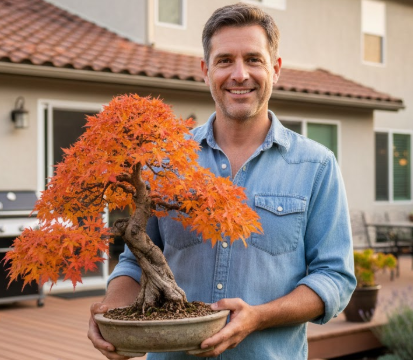
My name is Christopher Brown, I am 38 years old and I live in the United States. I am deeply passionate about the art of bonsai and have been cultivating trees for several years. What started as a simple curiosity turned into a daily practice and an important part of my life.
On this blog, I share my real experiences with bonsai — including what works, what doesn’t, and the lessons I learn along the way. I enjoy experimenting with techniques, observing the growth of each tree, and documenting the process with honesty and patience.
My goal with InfoWeHub is to help beginners feel more confident, avoid common mistakes, and discover the beauty of bonsai cultivation. If you are starting your journey or already love this art, you are welcome here.