
The Unexpected Journey to Bonsai Discipline
It wasn’t always like this, you know. I wasn’t born with the inherent patience of a bonsai master, nor did I possess some innate green thumb. In fact, my initial foray into the world of bonsai was, to put it mildly, a disaster. I envisioned myself as a serene artist, shaping miniature trees into living sculptures. The reality was far more humbling – a series of withered leaves, neglected watering schedules, and a general feeling of inadequacy.
My first bonsai, a humble little ficus, suffered a slow and agonizing death. I overwatered it, underwatered it, and subjected it to temperature fluctuations that would make a seasoned botanist shudder. Looking back, I realize my biggest mistake wasn’t a lack of knowledge (though that certainly contributed), but a lack of consistent habit. I treated my bonsai care like a chore, something to be done whenever I felt like it, rather than a daily ritual, a mindful practice.
It wasn’t until my wife, bless her heart, gently suggested that perhaps bonsai wasn’t my calling that I had a moment of clarity. Was I really ready to give up on this art form that had so captivated me? The answer, surprisingly, was no. But I knew I needed to change my approach, to develop a system, a routine, a habit that would ensure the well-being of my tiny trees.
So, how did I go from bonsai blunderer to someone who now maintains a collection of thriving miniature trees? It wasn’t magic. It was a conscious effort to build consistent habits, one tiny step at a time. And that’s what I want to share with you today: the strategies, the mistakes, and the lessons I’ve learned along the way.
Breaking Down the Bonsai Care Routine
The key, I discovered, lies in breaking down the complex task of bonsai care into smaller, more manageable components. Instead of viewing it as one overwhelming chore, I started to see it as a series of interconnected daily and weekly tasks. This approach made it far less daunting and much easier to integrate into my daily life.
Daily Rituals: The Foundation of Bonsai Health
These are the non-negotiables, the things I do every single day, without fail. Think of them as the bedrock of your bonsai care routine. For me, these consist primarily of watering and a quick visual inspection.
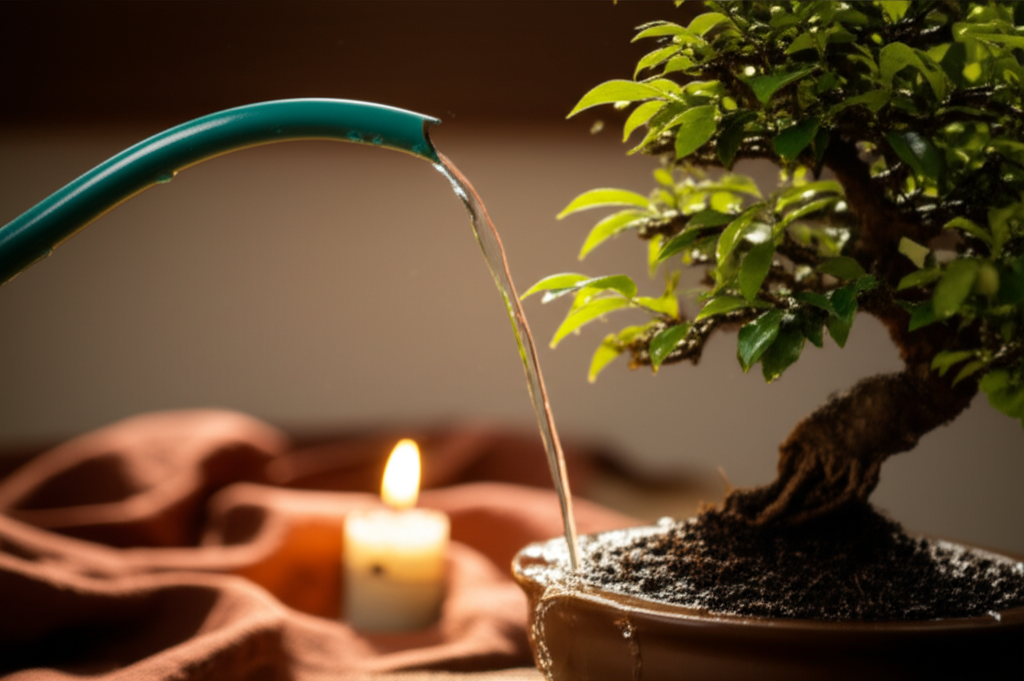
Watering: This is arguably the most critical daily task. Bonsai, confined to their small pots, dry out much faster than trees in the ground. The frequency of watering will depend on factors like the species of tree, the size of the pot, the type of soil, and the weather. I’ve learned to judge the moisture level by feeling the soil – it should be moist to the touch but not waterlogged. Over time, you’ll develop a feel for your trees’ individual needs. Don’t be afraid to experiment and adjust your watering schedule accordingly. And remember, morning is generally the best time to water, allowing the foliage to dry out before nightfall and minimizing the risk of fungal diseases.
Visual Inspection: This takes only a few minutes but can save you a lot of heartache down the line. I simply walk around my collection, observing each tree closely. I’m looking for signs of pests, diseases, or any other problems. Are the leaves the right color? Are there any unusual spots or blemishes? Is the soil draining properly? Catching problems early can make a huge difference in the tree’s health and survival. This also gives me a chance to appreciate the subtle changes and growth of each tree – a daily reminder of the beauty and reward of this art form.
Weekly Tasks: Refinement and Maintenance
These are the tasks that require a bit more time and attention, but they are essential for maintaining the health and aesthetic appeal of your bonsai. These include fertilizing, pruning, and pest control.
Fertilizing: Bonsai, being in small containers, deplete the nutrients in their soil relatively quickly. Regular fertilization is crucial for providing them with the essential elements they need to thrive. I use a balanced liquid fertilizer, diluted according to the manufacturer’s instructions. The frequency of fertilization will depend on the species of tree and the time of year. During the active growing season (spring and summer), I fertilize more frequently than during the dormant season (fall and winter). I also pay attention to the specific needs of each tree. Some species are heavy feeders, while others require less fertilizer. It’s important to do your research and tailor your fertilization program accordingly.
Pruning: This is where the art of bonsai truly comes to life. Pruning is essential for shaping the tree, maintaining its size, and encouraging new growth. There are two main types of pruning: structural pruning and maintenance pruning. Structural pruning is done to establish the basic shape of the tree, while maintenance pruning is done to maintain that shape and remove unwanted growth. I typically do most of my structural pruning in the late winter or early spring, before the growing season begins. Maintenance pruning is an ongoing process, done throughout the growing season. I use a combination of shears and concave cutters to prune my trees. The key is to make clean cuts that heal quickly. And remember, it’s always better to prune too little than too much. You can always remove more later, but you can’t put it back.
Pest Control: Pests can be a major problem for bonsai, especially indoors. Common pests include aphids, spider mites, and scale. I regularly inspect my trees for signs of infestation. If I find any pests, I treat them immediately. There are a variety of organic and chemical pesticides available. I prefer to use organic options whenever possible. Neem oil is a great all-purpose pesticide that is effective against a wide range of pests. I also use insecticidal soap to control aphids and spider mites. Prevention is always the best approach. Keeping your trees healthy and providing them with good air circulation can help to prevent pest infestations. Regularly cleaning the foliage with a damp cloth can also help to remove dust and debris, which can attract pests.
Monthly and Seasonal Tasks: The Long Game
These are the less frequent tasks that are just as important for the long-term health and beauty of your bonsai. These include repotting, wiring, and adjusting your care routine for the changing seasons.
Repotting: Bonsai need to be repotted every few years. Repotting provides them with fresh soil, which replenishes the nutrients that have been depleted. It also allows you to prune the roots, which helps to maintain the tree’s size and shape. The frequency of repotting will depend on the species of tree and the size of the pot. Young trees typically need to be repotted more frequently than older trees. The best time to repot is in the early spring, before the growing season begins. When repotting, it’s important to use a well-draining bonsai soil mix. I typically use a mix of akadama, pumice, and lava rock. I also add a small amount of organic matter, such as compost or peat moss. When pruning the roots, be careful not to remove too much. You should aim to remove about one-third of the root mass. After repotting, water the tree thoroughly and keep it in a sheltered location for a few weeks.
Wiring: Wiring is a technique used to shape the branches of a bonsai. It involves wrapping wire around the branches and bending them into the desired position. Wiring should be done carefully to avoid damaging the tree. It’s important to use the correct type of wire and to apply it at the correct angle. The best time to wire is in the late fall or early winter, after the growing season has ended. I typically use copper or aluminum wire. Copper wire is stronger and more durable, but it can be more difficult to work with. Aluminum wire is softer and easier to bend, but it’s not as strong. When wiring, be sure to protect the bark of the tree with grafting tape or raffia. This will prevent the wire from cutting into the bark. After wiring, monitor the tree closely. If the wire starts to cut into the bark, remove it immediately. You can always re-wire the tree later, if necessary.
Seasonal Adjustments: Bonsai are affected by the changing seasons just like trees in the ground. It’s important to adjust your care routine accordingly. In the spring and summer, when the trees are actively growing, they will need more water and fertilizer. In the fall, as the trees prepare for dormancy, they will need less water and fertilizer. In the winter, when the trees are dormant, they will need very little water and fertilizer. It’s also important to protect your bonsai from extreme temperatures. In the winter, you may need to bring your trees indoors or provide them with some other form of protection. In the summer, you may need to provide them with shade to protect them from the sun.
Tools and Techniques for Habit Formation
Knowing what to do is only half the battle. The real challenge lies in consistently implementing your bonsai care routine. Here are some tools and techniques that have helped me build lasting habits:
The Power of the Checklist
This might seem overly simplistic, but it’s incredibly effective. I have a checklist for my daily, weekly, and monthly bonsai tasks. Each morning, I review the checklist and make sure I’ve completed all the necessary tasks. The simple act of checking off a task provides a sense of accomplishment and reinforces the habit. My checklist is digital, using a simple app on my phone, but a paper checklist works just as well. The important thing is to have a system that reminds you of what needs to be done and allows you to track your progress.
Time Blocking: Scheduling Bonsai Care
I allocate specific time slots in my schedule for bonsai care. This helps to ensure that I don’t get too busy and forget to take care of my trees. For example, I water my trees every morning before I leave for work. This is a non-negotiable part of my daily routine. I also schedule a few hours each weekend for more intensive tasks like pruning and repotting. By scheduling bonsai care into my calendar, I treat it like any other important appointment, making it much less likely to be neglected.
The “Two-Minute Rule”
This is a simple but powerful technique for overcoming procrastination. The idea is that if a task takes less than two minutes to complete, you should do it immediately. For example, if I notice a yellow leaf on one of my trees, I remove it immediately. This prevents the problem from getting worse and reinforces the habit of attentive care. The two-minute rule helps to break down larger tasks into smaller, more manageable chunks, making it easier to get started and maintain momentum.
Creating a Dedicated Bonsai Space
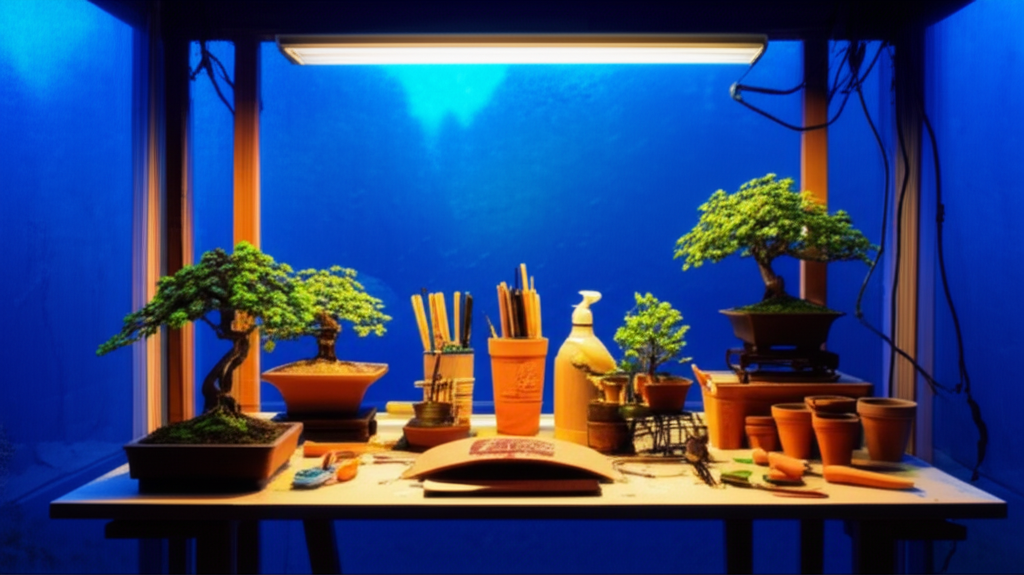
Having a dedicated space for my bonsai has made a huge difference in my ability to maintain a consistent care routine. My bonsai are located in a sunny corner of my patio, where I can easily access them. I also have all of my tools and supplies organized in a nearby shed. This makes it easy to grab what I need and get to work. A dedicated bonsai space creates a visual reminder of your commitment to the art form and makes it more convenient to perform your daily and weekly tasks.
The Importance of Observation and Adaptation
Bonsai care is not a one-size-fits-all approach. Each tree is unique and has its own specific needs. It’s important to observe your trees closely and adapt your care routine accordingly. For example, if you notice that one of your trees is drying out too quickly, you may need to water it more frequently. If you notice that another tree is getting too much sun, you may need to move it to a shadier location. The key is to be observant and responsive to the needs of your trees. This requires patience, attention, and a willingness to learn from your mistakes. Don’t be afraid to experiment and try new things. The more you learn about your trees, the better you will be able to care for them.
Overcoming Challenges and Staying Motivated
Even with the best intentions and a well-structured routine, there will be times when you struggle to maintain your bonsai care habit. Life gets in the way, motivation wanes, and sometimes, despite your best efforts, a tree will still succumb to disease or neglect. It’s important to be prepared for these challenges and have strategies in place to overcome them.
Dealing with Setbacks and Failures
Losing a bonsai is never easy. It’s a reminder of the time, effort, and care that you invested in the tree. But it’s important to remember that failure is a part of the learning process. Every bonsai artist has experienced setbacks. The key is to learn from your mistakes and use them as an opportunity to improve your skills. When I lose a tree, I try to analyze what went wrong. Did I overwater it? Did I neglect to fertilize it? Did I fail to notice a pest infestation? Once I’ve identified the cause of the problem, I take steps to prevent it from happening again. I also remind myself that bonsai is a long-term endeavor. There will be ups and downs along the way. The important thing is to keep learning and keep growing.
Finding Inspiration and Renewing Your Passion
There will be times when you feel discouraged and unmotivated. It’s important to have ways to rekindle your passion for bonsai. For me, this involves visiting bonsai gardens, attending workshops, and connecting with other bonsai enthusiasts. Seeing the work of other artists can be incredibly inspiring. Learning new techniques can help to keep things fresh and exciting. And connecting with other bonsai enthusiasts can provide a sense of community and support. I also find that simply spending time with my trees, observing their beauty and appreciating their resilience, can be enough to renew my motivation. Bonsai is more than just a hobby; it’s a connection to nature, a form of meditation, and a source of endless fascination.

The Importance of Patience and Acceptance
Bonsai is an art form that requires patience and acceptance. It takes years, even decades, to develop a mature bonsai. There will be times when you feel frustrated with the slow pace of progress. It’s important to remember that bonsai is not about instant gratification. It’s about the journey, the process of nurturing and shaping a living tree. It’s also about accepting that you can’t control everything. Sometimes, despite your best efforts, a tree will not turn out the way you envisioned. It’s important to be able to let go of your expectations and appreciate the tree for what it is. Bonsai teaches us the importance of patience, resilience, and acceptance – qualities that are valuable not only in the art of bonsai but also in life itself.
Celebrating Small Victories and Recognizing Progress
It’s easy to get caught up in the pursuit of perfection and forget to appreciate the small victories along the way. Take time to celebrate your successes, no matter how small they may seem. Did you successfully wire a difficult branch? Did you repot a tree without damaging the roots? Did you finally get rid of that stubborn pest infestation? Acknowledge your accomplishments and give yourself credit for the progress you’ve made. This will help to keep you motivated and reinforce your commitment to your bonsai care habit. I often take photos of my trees to document their progress over time. Looking back at these photos reminds me of how far I’ve come and inspires me to keep going.
My Personal Bonsai Care Routine: A Concrete Example
To give you a clearer picture of how all of this comes together, here’s a glimpse into my own daily and weekly routine. Remember, this is tailored to my specific collection and lifestyle, but it can serve as a starting point for developing your own personalized system.
Daily: Before the World Wakes Up
Before my first cup of coffee, before checking emails, before the day truly begins, I spend about 15 minutes with my bonsai. It’s a quiet, meditative start to the day.
- Watering: I check the soil moisture of each tree and water as needed. I use a gentle watering can to avoid disturbing the soil.
- Visual Inspection: I quickly inspect each tree for signs of pests, diseases, or any other problems.
- Leaf Removal: I remove any yellow or dead leaves.
Weekly: Weekend Dedication
On Saturday mornings, I dedicate a few hours to more intensive bonsai care. This is my “bonsai time,” a chance to connect with my trees and work on them without distractions.
- Fertilizing: I fertilize my trees using a balanced liquid fertilizer.
- Pruning: I prune my trees as needed, removing unwanted growth and shaping the branches.
- Pest Control: I inspect my trees for pests and treat them as needed.
- Soil Maintenance: I check the soil level in each pot and add more soil if necessary.
Monthly: Deeper Dive
Once a month, I perform a more thorough inspection of my trees and address any long-term needs.
- Wiring Inspection: I check the wiring on my trees and remove or adjust it as needed.
- Repotting Assessment: I assess the need for repotting and schedule it for the appropriate time of year.
- Tool Maintenance: I clean and sharpen my bonsai tools.

The Enduring Rewards of Consistent Care
Building a consistent bonsai care habit is not easy. It requires dedication, patience, and a willingness to learn. But the rewards are well worth the effort. Not only will you have a collection of thriving, beautiful bonsai, but you will also develop a deeper appreciation for nature, a greater sense of mindfulness, and a more profound connection to the art of bonsai. The journey from bonsai beginner to seasoned enthusiast is a continuous process of learning, growing, and evolving. Embrace the challenges, celebrate the successes, and never stop exploring the endless possibilities of this ancient and captivating art form. And remember, the most important ingredient in bonsai care is not just knowledge or technique, but a genuine love for your trees and a commitment to their well-being. The consistency will follow.
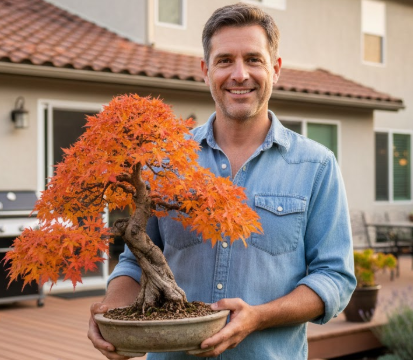
My name is Christopher Brown, I am 38 years old and I live in the United States. I am deeply passionate about the art of bonsai and have been cultivating trees for several years. What started as a simple curiosity turned into a daily practice and an important part of my life.
On this blog, I share my real experiences with bonsai — including what works, what doesn’t, and the lessons I learn along the way. I enjoy experimenting with techniques, observing the growth of each tree, and documenting the process with honesty and patience.
My goal with InfoWeHub is to help beginners feel more confident, avoid common mistakes, and discover the beauty of bonsai cultivation. If you are starting your journey or already love this art, you are welcome here.