
The Silent Language of Thirsty Roots
After nearly three decades tending to these miniature marvels, I’ve learned that knowing when a bonsai needs water isn’t about following a rigid schedule. It’s about understanding the subtle language of the tree itself, the quiet whispers of its leaves, the feel of the soil between your fingers, and even the weight of the pot in your hands. It’s a dialogue, really, a constant conversation between you and the living art you’re nurturing. I can’t tell you how many times I’ve almost drowned a tree by sticking to a calendar instead of listening to what it needed.
I’ve seen newcomers to the art of bonsai obsess over watering schedules, meticulously noting dates and times, only to find their precious trees suffering. They treat it like a formula, a set of instructions to be followed precisely. But bonsai isn’t a formula; it’s a relationship. It’s about building an understanding, a feel for the individual needs of each tree, because every single one is different.
Think of it like this: you wouldn’t feed every person the same meal at the same time, would you? People have different appetites, different metabolisms. Bonsai trees are the same. A Japanese maple in full sun will need more water than a juniper nestled in the shade. A young tree in a training pot will dry out faster than an established one in a larger container. So, ditch the rigid schedule and let’s explore how to truly *listen* to your bonsai.
The Finger Test: More Than Just a Touch
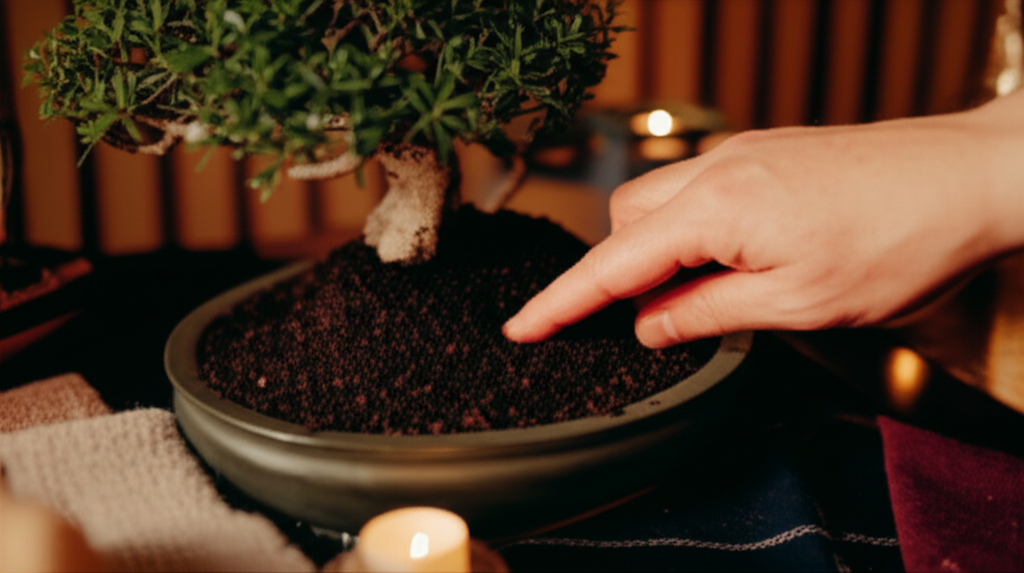
The most common method, and arguably the most reliable, is the finger test. But it’s not just about poking the soil. It’s about feeling it, understanding its texture, its moisture level, its very essence. Don’t just skim the surface; gently dig down about an inch or two. What do you feel? Is the soil cool and moist? Or is it dry and crumbly?
If the soil feels dry to the touch an inch or two down, it’s time to water. If it’s still moist, hold off. Overwatering is a far more common killer of bonsai than underwatering, especially for beginners. Roots need oxygen, and soggy soil deprives them of it, leading to root rot and a whole host of other problems.
I remember when I first started, I was so afraid of letting my trees dry out that I watered them every single day, without fail. I thought I was being diligent, caring, responsible. I was actually suffocating them. It wasn’t until I lost a beautiful little azalea to root rot that I truly understood the importance of proper drainage and letting the soil breathe. That was a hard lesson, and one I’ll never forget.
Lifting the Weight: The Subtle Art of Pot Assessment
Another, often overlooked, method is to simply lift the pot. Over time, you’ll develop a feel for how heavy the pot is when the soil is properly moist. When it starts to feel noticeably lighter, it’s a good indication that the soil is drying out.
This method takes practice, of course. You need to get a sense of the “baseline” weight of a well-watered pot. But once you do, it can be a surprisingly accurate way to gauge moisture levels, especially for larger bonsai that might be difficult to check with the finger test. This has become almost second nature to me now. Before I even look at the soil, I often just pick up the pot. The weight tells me a story.
I’ve got a particularly heavy trident maple, and for years I was constantly unsure about its watering needs. I’d check the soil, but the dense foliage often created a microclimate that made it difficult to assess accurately. One day, I just started lifting the pot every morning. It didn’t take long before I developed an almost intuitive sense of its weight, and that’s when I finally mastered its watering schedule. It’s a tactile connection that goes beyond just seeing; it’s feeling the life within the pot.
Observing the Leaves: Deciphering the Tree’s Distress Signals
The leaves of your bonsai can also provide valuable clues about its hydration status. Wilting leaves are an obvious sign of thirst, but the signs can be more subtle than that. A slight drooping, a dullness in color, or even a change in the texture of the leaves can all indicate that the tree needs water.
However, it’s important to note that wilting leaves can also be a sign of other problems, such as overwatering, root rot, or pest infestation. So, it’s crucial to consider all the factors before you reach for the watering can. Look for other telltale signs, like the condition of the soil and the overall health of the tree. It’s a holistic assessment, not just a knee-jerk reaction to a single symptom.
I had a beautiful little ficus that I almost lost because I misread the signals. The leaves started to droop, and my first instinct was to water it. But something told me to hold back. I checked the soil, and it was already quite moist. Then I noticed tiny webs on the underside of the leaves – spider mites! The drooping was a sign of infestation, not thirst. Had I watered it, I would have only exacerbated the problem by creating a more humid environment for the mites to thrive in. That taught me the importance of careful observation and considering all the possibilities.
Understanding Your Soil: The Foundation of Proper Watering
The type of soil you use in your bonsai pot plays a crucial role in how often you need to water. A well-draining soil mix, such as a blend of akadama, pumice, and lava rock, will allow water to pass through quickly, preventing the roots from sitting in soggy soil. A heavier soil mix, on the other hand, will retain more water, requiring less frequent watering.
I’ve experimented with countless soil mixes over the years, and I’ve found that a well-draining mix is generally the best option for most bonsai species. It allows for proper aeration and prevents root rot, which is essential for the health of the tree. However, certain species, such as azaleas and maples, prefer a slightly more acidic soil, so you may need to adjust the mix accordingly.
Remember when I mentioned almost drowning my azalea? The soil was partly to blame. I was using a dense, clay-heavy soil that retained far too much water. It was like the tree was constantly sitting in a swamp. After that experience, I switched to a much lighter, well-draining mix, and the difference was remarkable. The azaleas thrived, and I never had another root rot problem again. The soil is as important as the water itself; it’s the foundation upon which everything else is built.
The Importance of Drainage: Letting the Water Flow
Proper drainage is just as important as the type of soil you use. Make sure your bonsai pot has adequate drainage holes to allow excess water to escape. You can also add a layer of gravel or coarse sand to the bottom of the pot to further improve drainage.
I always tell beginners to err on the side of caution when it comes to drainage. It’s better to have too much drainage than not enough. You can always water more frequently if the soil dries out too quickly, but it’s much harder to fix a pot that’s constantly waterlogged.
One of the simplest things I do, and something I recommend to everyone, is to elevate my bonsai pots slightly. I use small pebbles or ceramic feet to lift the pots off the ground, allowing for better air circulation and drainage. It’s a small detail, but it can make a big difference, especially during rainy seasons or in humid climates. It’s about creating the best possible environment for the roots to flourish.
Environmental Factors: Sun, Wind, and Humidity
The environment in which your bonsai is kept will also affect how often it needs to be watered. Trees kept in full sun will dry out faster than those kept in partial shade. Windy conditions can also accelerate water loss, as can low humidity.
I’ve learned to pay close attention to the weather forecast and adjust my watering schedule accordingly. On hot, sunny, and windy days, I water more frequently, sometimes even twice a day. On cool, cloudy, and humid days, I water less often, sometimes not at all.
I live in a climate with distinct seasons, and my watering routine changes dramatically throughout the year. In the summer, when temperatures soar and the sun beats down relentlessly, I’m constantly monitoring my trees and making sure they don’t dry out. In the winter, when the trees are dormant and the weather is cool and damp, I water much less frequently, sometimes only once a week. Adapting to the environment is key to keeping your bonsai healthy and thriving.
The Microclimate Effect: Understanding Your Specific Space
Even within the same yard or garden, different areas can have vastly different microclimates. A sheltered corner might be significantly cooler and more humid than an exposed area. Pay attention to the specific conditions in your bonsai’s location and adjust your watering accordingly.
I have a small courtyard that’s shielded from the wind and receives only dappled sunlight. The trees in that courtyard require much less frequent watering than the trees on my open patio, which are exposed to the full force of the sun and wind. It’s all about understanding the unique characteristics of each space and tailoring your care accordingly. It’s like creating individual ecosystems for each tree, catering to their specific needs.
I even use a simple hygrometer to measure the humidity levels in different parts of my garden. It’s a relatively inexpensive tool, but it can provide valuable insights into the microclimates you’ve created and help you make more informed decisions about watering. Knowledge is power, especially when it comes to bonsai care.
Watering Techniques: More Than Just Pouring Water
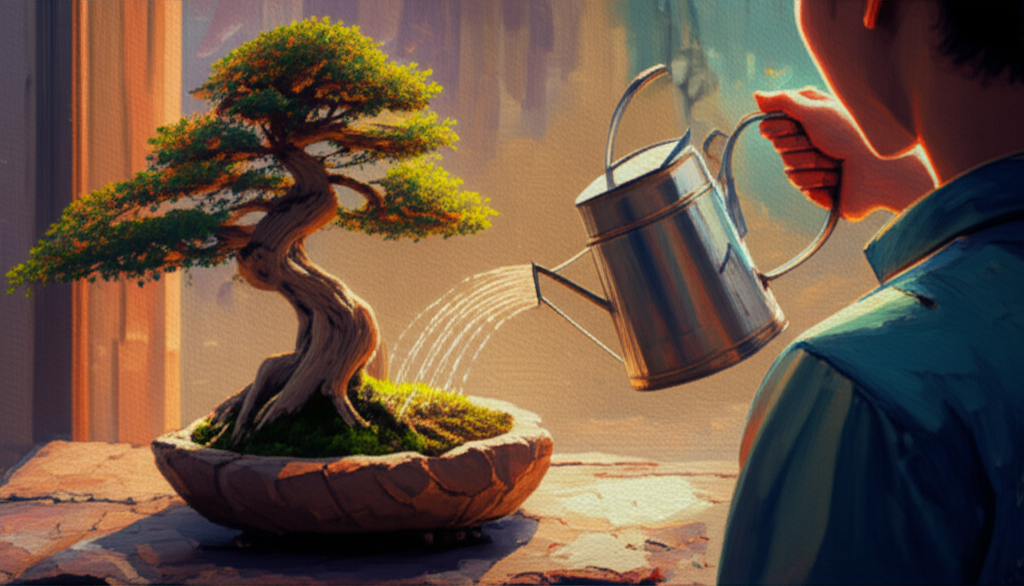
The way you water your bonsai is just as important as how often you water it. Water thoroughly, until water drains freely from the drainage holes. This ensures that the entire root ball is saturated.
I prefer to use a watering can with a fine rose, which distributes the water gently and evenly over the soil. Avoid using a strong stream of water, as this can erode the soil and damage the roots.
I always water my bonsai early in the morning, before the sun gets too hot. This allows the foliage to dry out before nightfall, reducing the risk of fungal diseases. Watering in the evening can trap moisture around the leaves, creating a breeding ground for pathogens. It’s a simple precaution, but it can save you a lot of headaches in the long run. Also, I find that using rainwater is ideal. It’s naturally soft and free of chemicals that can harm delicate bonsai roots.
Submerging: A Deep Watering Method
For trees that are particularly dry or that have a hard time absorbing water, you can try submerging the entire pot in a tub of water for a few minutes. This allows the soil to fully saturate from the bottom up.
I only use this method sparingly, as it can be quite stressful for the tree. However, it can be a lifesaver for trees that are severely dehydrated or that have developed hydrophobic soil, which repels water.
I had a juniper that was struggling to recover after a particularly harsh winter. The soil had become compacted and hydrophobic, and no matter how much I watered it, the tree just wouldn’t perk up. As a last resort, I submerged the entire pot in a tub of water for about an hour. When I lifted it out, the soil was completely saturated, and the tree started to show signs of recovery within a few days. Submerging saved that juniper, and it’s now one of the prized possessions in my collection. It’s a technique to have in your arsenal, but use it judiciously.
The Intuitive Gardener: Beyond the Rules
Ultimately, knowing when your bonsai needs water is about developing an intuitive understanding of the tree’s needs. It’s about paying attention, observing, and learning from your mistakes. The more time you spend with your bonsai, the more attuned you’ll become to its subtle cues.
Don’t be afraid to experiment. Try different watering techniques, different soil mixes, and different environmental conditions. See what works best for your trees and for your specific climate. There’s no one-size-fits-all answer when it comes to bonsai care. It’s a journey of discovery, a constant process of learning and refinement.
I still make mistakes, even after all these years. I’ve overwatered trees, I’ve underwatered trees, I’ve even accidentally knocked over a few pots in my day. But with each mistake, I learn something new. And that’s what makes the art of bonsai so rewarding. It’s not about perfection; it’s about the journey. It’s about the connection you forge with these living works of art. And it’s about the quiet satisfaction of watching them thrive under your care.
So, put down the watering schedule, pick up your bonsai, feel the weight of the pot, touch the soil, observe the leaves, and listen to the silent language of your tree. That’s how you’ll truly know when it needs water. And that’s how you’ll become a true bonsai artist.
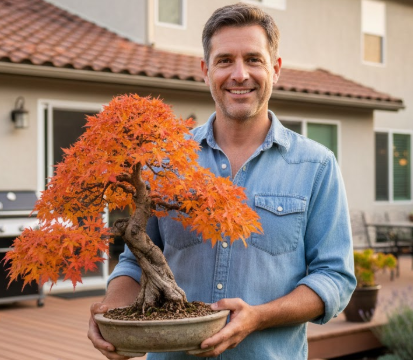
My name is Christopher Brown, I am 38 years old and I live in the United States. I am deeply passionate about the art of bonsai and have been cultivating trees for several years. What started as a simple curiosity turned into a daily practice and an important part of my life.
On this blog, I share my real experiences with bonsai — including what works, what doesn’t, and the lessons I learn along the way. I enjoy experimenting with techniques, observing the growth of each tree, and documenting the process with honesty and patience.
My goal with InfoWeHub is to help beginners feel more confident, avoid common mistakes, and discover the beauty of bonsai cultivation. If you are starting your journey or already love this art, you are welcome here.