
The Eternal Question: How Much Water is Enough?
If there’s one question that plagues every bonsai enthusiast, from the greenest beginner to the most seasoned master, it’s this: how often should I water my bonsai? There’s no simple, one-size-fits-all answer, and that’s precisely what makes bonsai care both challenging and deeply rewarding. I’ve spent years, decades even, wrestling with this very question, and I’ve learned that the “right” amount of water is less about following a rigid schedule and more about understanding the unique needs of each individual tree.
I remember early on, armed with the well-intentioned but ultimately misleading advice from a generic bonsai care guide, I nearly drowned a beautiful little juniper. I was so focused on watering “every other day,” as the guide suggested, that I completely ignored the fact that the soil was already saturated from a week of rain. The poor tree started to show signs of root rot, and I was devastated. It was a harsh lesson, but a crucial one: bonsai care is about observation, adaptation, and intuition, not blind adherence to rules.
Think about it: Are all days created equal? Of course not. Some are scorching hot and dry, others are cool and humid, and still others bring torrential downpours. To water my bonsai based on a calendar schedule would be akin to ignoring the weather forecast entirely – a recipe for disaster.
Beyond the Schedule: Understanding the Variables
So, if not a strict schedule, what does determine how often I water my bonsai? The answer lies in a complex interplay of factors, each influencing the tree’s water requirements. Let’s break down some of the key variables:
- Species: Different species have vastly different water needs. A moisture-loving azalea will require far more frequent watering than a drought-tolerant juniper. I’ve found that researching the native habitat of my trees provides invaluable clues about their watering preferences. For example, my Japanese maples, accustomed to the relatively humid conditions of Japan, appreciate more consistent moisture than my Mediterranean olive tree.
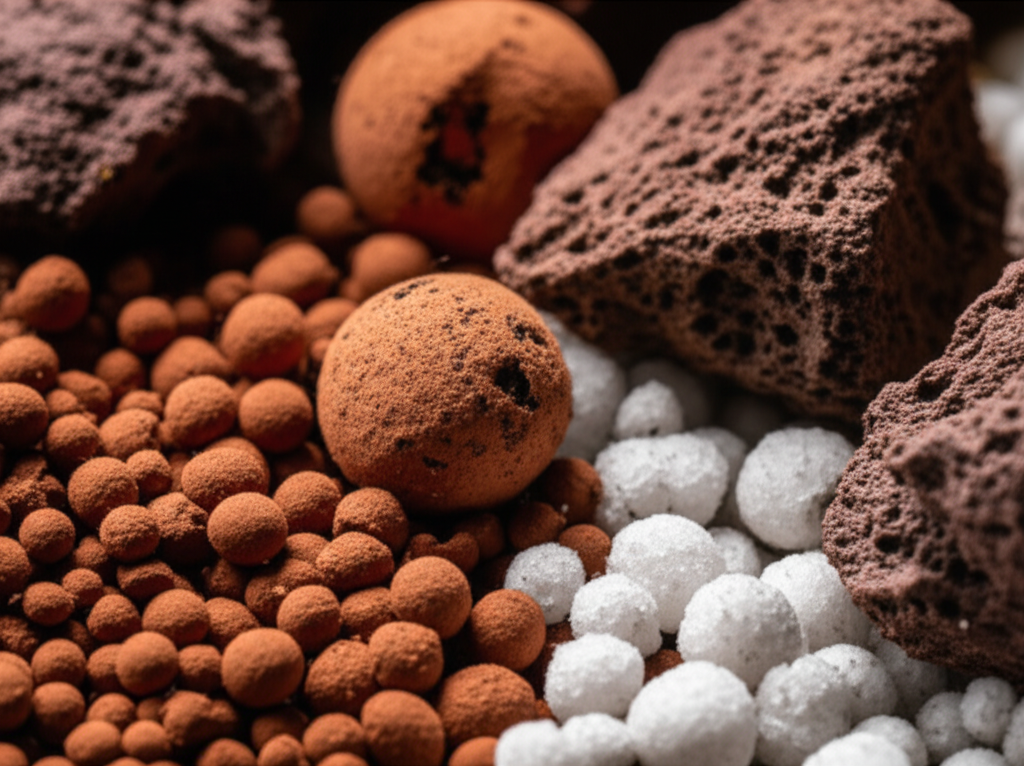
- Soil Composition: The type of soil mix I use plays a significant role in drainage and water retention. A well-draining mix, crucial for preventing root rot, will require more frequent watering than a heavier, clay-based soil. I primarily use a blend of akadama, pumice, and lava rock, which provides excellent drainage while still retaining enough moisture to keep the roots happy.
- Pot Size and Material: A small bonsai pot will dry out much faster than a larger one. Similarly, porous terracotta pots allow for more evaporation than glazed ceramic pots. I always consider the size and material of the pot when assessing my trees’ watering needs. A tiny shohin bonsai in a terracotta pot might need daily watering during the summer months, while a larger chuhin bonsai in a glazed pot might only need watering every few days.
- Climate and Season: This is perhaps the most obvious factor. Hot, dry weather increases evaporation and transpiration, leading to more frequent watering. During the cooler, more humid months, the trees’ water requirements decrease significantly. I adjust my watering schedule accordingly, paying close attention to the forecast and the overall humidity levels.
- Tree Health and Stage of Development: A newly repotted bonsai, still recovering from the stress of the procedure, will require more careful watering than a mature, established tree. Similarly, a tree actively pushing out new growth will need more water than one that is dormant. I monitor my trees closely for signs of stress or dehydration, adjusting my watering as needed to support their health and development.
The Finger Test: My Go-To Method
So, how do I actually determine when to water? Forget the calendar; I rely on the “finger test.” It’s simple, intuitive, and remarkably effective. I stick my finger about an inch or two into the soil. If it feels dry to the touch, it’s time to water. If it feels moist or damp, I wait. This simple test takes into account all the variables I mentioned earlier, providing a much more accurate assessment of the tree’s water needs than any schedule ever could.
Of course, the finger test isn’t foolproof. It takes practice to develop a feel for the optimal moisture level. I’ve learned to recognize the subtle differences between slightly dry, moderately dry, and bone dry. Over time, you’ll develop a similar intuition, allowing you to water your bonsai with confidence.
Think of it like learning to cook. You don’t follow a recipe to the letter every single time. You taste, you adjust, you rely on your senses to guide you. Watering bonsai is the same way. It’s an art, not a science, and it requires a certain amount of intuition and experimentation.
Watering Techniques: Drenching vs. Sprinkling
Once I’ve determined that a tree needs watering, I make sure to water thoroughly. I use a watering can with a fine rose nozzle to gently saturate the entire soil surface, allowing the water to drain freely from the bottom of the pot. This ensures that all the roots are adequately moistened.
I avoid simply sprinkling the surface of the soil, as this can lead to shallow root growth and an uneven distribution of moisture. Instead, I aim to drench the entire root ball, flushing out any accumulated salts or minerals in the process.
There’s a bit of debate in the bonsai community about the best time of day to water. Some prefer to water in the morning, allowing the foliage to dry before nightfall, which can help prevent fungal diseases. Others prefer to water in the evening, giving the roots a chance to absorb moisture overnight. I personally don’t think it makes a huge difference, as long as you’re providing adequate ventilation and avoiding overwatering. I usually water whenever I have the time and the trees need it, regardless of the time of day.
Recognizing the Signs: Overwatering vs. Underwatering
Even with the finger test and careful watering techniques, mistakes can happen. It’s crucial to be able to recognize the signs of both overwatering and underwatering, so you can take corrective action before it’s too late.
The Dangers of Overwatering
Overwatering is arguably the most common mistake made by bonsai beginners, and it can be devastating to the tree’s health. When the soil is constantly saturated, the roots are deprived of oxygen, leading to root rot and ultimately, the death of the tree.
Signs of overwatering include:
- Yellowing leaves: This is often the first sign of overwatering. The leaves may start to turn yellow, especially the older ones.
- Soft, mushy roots: If you suspect overwatering, gently remove the tree from its pot and examine the roots. Healthy roots are firm and light-colored. Overwatered roots are soft, mushy, and dark brown or black.
- Algae growth on the soil surface: This indicates that the soil is staying too wet for too long.
- Foul odor: Decaying roots can produce a foul odor.
If you suspect overwatering, take the following steps:
- Stop watering: Allow the soil to dry out completely before watering again.
- Improve drainage: Repot the tree into a well-draining soil mix. Consider using a pot with larger drainage holes.
- Improve ventilation: Ensure that the tree is getting adequate airflow.
- Apply a fungicide: If root rot is present, apply a fungicide to help control the infection.

The Risks of Underwatering
While less common than overwatering, underwatering can also be detrimental to the tree’s health. When the soil becomes too dry, the roots can’t absorb the water and nutrients they need, leading to dehydration and stress.
Signs of underwatering include:
- Wilting leaves: The leaves may start to droop or wilt.
- Crispy, brown leaf tips: This is a classic sign of underwatering.
- Dry, hard soil: The soil will be dry and hard to the touch.
- Brittle branches: The branches may become brittle and snap easily.
If you suspect underwatering, take the following steps:
- Water thoroughly: Soak the entire root ball until water drains freely from the bottom of the pot.
- Mist the foliage: Misting the foliage can help increase humidity and rehydrate the leaves.
- Soak the pot: In severe cases of underwatering, you may need to submerge the entire pot in water for a few hours to rehydrate the soil.
Remember that consistency is key. It’s better to water regularly and consistently than to let the soil dry out completely and then overwater. Aim to keep the soil consistently moist, but not soggy.
Adapting to Change: The Dynamic Nature of Watering
The beauty of bonsai is that it’s a constantly evolving art form. Just as the trees themselves change and grow, so too must my watering practices adapt to their changing needs and the ever-shifting environment.
I’ve learned to be flexible and responsive, adjusting my watering schedule based on the weather, the season, and the individual needs of each tree. There’s no magic formula, no foolproof system. It’s all about paying attention, observing carefully, and developing a deep understanding of the trees in my care.
For instance, last summer we had an unexpected heatwave that lasted for several weeks. Temperatures soared into the triple digits, and the air was bone dry. I knew that my usual watering routine wouldn’t be sufficient, so I started watering my trees twice a day, once in the morning and once in the evening. I also misted the foliage several times a day to help keep them cool and hydrated. It was a lot of work, but it paid off. My trees weathered the heatwave beautifully, and I didn’t lose a single one.
Beyond Watering: Considering Humidity
Watering isn’t just about providing moisture to the roots. It’s also about maintaining the proper humidity levels around the tree. Bonsai, especially those from humid environments, often benefit from increased humidity, which can help prevent leaf desiccation and promote healthy growth.
I use several methods to increase humidity around my bonsai:
- Misting: Misting the foliage with water is a simple and effective way to increase humidity. I mist my trees several times a day, especially during hot, dry weather.
- Humidity trays: These shallow trays filled with pebbles and water create a humid microclimate around the tree. As the water evaporates, it increases the humidity in the surrounding air.
- Grouping trees together: Grouping trees together can also help increase humidity, as the transpiration from one tree will help humidify the air around the others.
Remember that proper ventilation is also important. While increased humidity can be beneficial, it’s crucial to ensure that the air is circulating to prevent fungal diseases. I always make sure that my bonsai are located in a well-ventilated area.

The Zen of Watering: A Meditative Practice
Over the years, watering my bonsai has become more than just a chore; it’s become a meditative practice. As I carefully water each tree, I take the time to observe its health, its growth, and its overall condition. I notice the subtle changes in the leaves, the branches, and the bark. I listen to the sound of the water as it flows through the soil, and I appreciate the beauty and tranquility of the moment.
Watering bonsai is a reminder of the interconnectedness of all things. It’s a reminder that we are all part of a larger ecosystem, and that we are all dependent on each other for survival. It’s a reminder that even the smallest act of kindness, like watering a tree, can have a profound impact on the world around us.
Think about the simple act of watering a tree. You’re not just providing it with water; you’re providing it with life. You’re nurturing it, caring for it, and helping it to thrive. In a way, you’re also nurturing yourself. You’re connecting with nature, finding peace and tranquility, and experiencing the joy of watching something grow and flourish under your care.
Embracing the Imperfect: Learning from Mistakes
Even after years of experience, I still make mistakes. I still occasionally overwater or underwater a tree. But I’ve learned to embrace these mistakes as opportunities for learning. Each mistake teaches me something new about the trees in my care, and it helps me to become a better bonsai artist.
Don’t be afraid to experiment, to try new things, and to make mistakes. That’s how you’ll learn and grow as a bonsai enthusiast. The most important thing is to be patient, observant, and willing to adapt to the ever-changing needs of your trees.
I recall a particularly challenging experience with a Ficus retusa. I had moved it to a new location, and I failed to adjust my watering schedule accordingly. The tree started to drop its leaves, and I was convinced that I had killed it. I was devastated, but I refused to give up. I researched the specific needs of Ficus retusa, and I adjusted my watering and fertilizing accordingly. Slowly but surely, the tree started to recover. New leaves emerged, and the branches started to fill out. It was a long and arduous process, but it was incredibly rewarding. I learned a valuable lesson about the importance of observation and adaptation, and I developed a newfound respect for the resilience of trees.
My Current Watering Routine: An Example
While I’ve stressed the importance of not rigidly adhering to a schedule, I can offer a glimpse into my current routine as an example. Keep in mind that this changes depending on the season and weather conditions.
- Spring and Fall: During these moderate seasons, I typically water every 2-3 days, checking the soil moisture with the finger test each time. I pay close attention to trees pushing out new growth, as they tend to require more frequent watering.
- Summer: In the heat of summer, I often water daily, sometimes even twice a day for smaller pots or trees in full sun. Misting is a daily ritual, especially during the hottest parts of the day.
- Winter: During dormancy, my watering frequency drops dramatically. I might only water once a week, or even less, depending on the species and the weather. It’s crucial to avoid overwatering during this period.
I also collect rainwater whenever possible, as it’s naturally soft and free of chemicals that can build up in the soil. If I use tap water, I let it sit out for 24 hours to allow chlorine to evaporate.
Ultimately, the key to successful bonsai watering is to develop a deep connection with your trees. Listen to their needs, observe their responses, and trust your intuition. With patience, practice, and a little bit of love, you’ll be well on your way to mastering the art of bonsai watering.
The journey of bonsai is a lifelong learning experience. Each tree is a unique individual, with its own distinct personality and needs. By embracing the challenges, learning from your mistakes, and cultivating a deep connection with nature, you’ll find that bonsai is more than just a hobby; it’s a way of life.
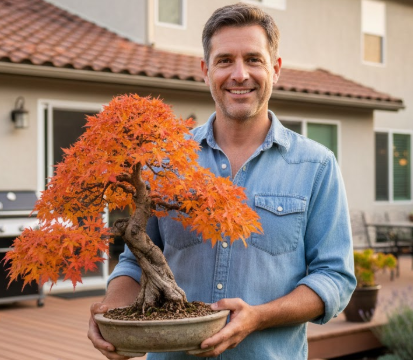
My name is Christopher Brown, I am 38 years old and I live in the United States. I am deeply passionate about the art of bonsai and have been cultivating trees for several years. What started as a simple curiosity turned into a daily practice and an important part of my life.
On this blog, I share my real experiences with bonsai — including what works, what doesn’t, and the lessons I learn along the way. I enjoy experimenting with techniques, observing the growth of each tree, and documenting the process with honesty and patience.
My goal with InfoWeHub is to help beginners feel more confident, avoid common mistakes, and discover the beauty of bonsai cultivation. If you are starting your journey or already love this art, you are welcome here.