
The Silent Whispers of a Suffering Bonsai: A Beginner’s Guide to Early Problem Detection
As a bonsai enthusiast for over 30 years, I’ve learned that these miniature trees are masters of disguise. They often mask underlying problems until they’re on the brink of collapse. It’s a skill honed by nature itself, an evolutionary adaptation to survive harsh conditions. But for us bonsai keepers, this stoicism can be a real challenge. Recognizing the subtle signs of distress early on is crucial for intervening and saving your precious tree. Think of it like learning a new language – the language of your bonsai. You need to understand its unique dialects, its subtle changes in tone, and its silent cries for help.
The Importance of Daily Observation
My first bonsai, a humble juniper I bought from a local nursery, taught me this lesson the hard way. I was so caught up in the artistic aspects of shaping and pruning that I neglected the fundamentals. I watered it sporadically, fertilized it inconsistently, and rarely inspected it closely. One day, I noticed the needles were turning brown. I thought it was just the natural aging process, but within a week, the entire tree was a crispy, lifeless husk. That juniper’s demise was a painful but invaluable lesson. It instilled in me the habit of daily observation. Now, every morning, I spend a few minutes examining each of my bonsai, looking for anything out of the ordinary. This daily ritual is not just about preventing problems; it’s about connecting with my trees on a deeper level, understanding their individual needs, and appreciating their unique beauty.
What does this daily observation entail? It’s more than just a quick glance. It’s about engaging all your senses. Look closely at the leaves, trunk, and soil. Feel the soil to assess its moisture level. Smell the soil – a foul odor can indicate root rot. Listen to the sound of the water as you irrigate – does it drain properly, or does it pool on the surface? By engaging all your senses, you’ll be much more likely to detect subtle changes that might otherwise go unnoticed. And trust me, those subtle changes are often the first warnings of a brewing problem.
Decoding the Leaf Signals: A Visual Guide to Common Issues
The leaves of your bonsai are like its personal health report. They tell a story about the tree’s overall well-being. Changes in color, shape, or texture can be indicators of various problems, from nutrient deficiencies to pest infestations. Learning to decipher these leaf signals is a crucial skill for any bonsai enthusiast.
Yellowing Leaves: The Chlorosis Conundrum
One of the most common leaf problems is yellowing, a condition known as chlorosis. This occurs when the leaves are unable to produce enough chlorophyll, the pigment that gives them their green color. There are several potential causes of chlorosis, including:
- Nutrient deficiencies: A lack of essential nutrients like iron, nitrogen, or magnesium can lead to yellowing leaves. This is especially common in bonsai grown in pots, as the limited soil volume can quickly become depleted of nutrients. I remember one of my maples started developing yellow leaves despite my regular fertilization schedule. After some research, I realized the pH of my tap water was too high, preventing the tree from absorbing iron properly. Switching to rainwater solved the problem.
- Overwatering: While it may seem counterintuitive, overwatering can also cause yellowing leaves. Saturated soil deprives the roots of oxygen, hindering their ability to absorb nutrients. This is why proper drainage is so critical. I once almost lost a ficus to overwatering because I was so worried about it drying out. The leaves turned yellow and started dropping rapidly. Once I adjusted my watering schedule and improved the drainage, the tree recovered.
- Pest infestations: Certain pests, such as spider mites and aphids, can suck the sap from leaves, causing them to yellow and eventually drop. These tiny pests can be difficult to spot with the naked eye, so it’s important to inspect your trees regularly with a magnifying glass.
Differentiating between these causes requires careful observation. If the yellowing is uniform across the entire leaf, it’s more likely to be a nutrient deficiency or overwatering issue. If the yellowing is patchy or accompanied by spots, it could be a sign of pests or disease.
Brown or Black Spots: Identifying Fungal Infections
Brown or black spots on leaves are often indicative of fungal infections. These infections can spread rapidly, especially in humid conditions, and can eventually kill the tree if left untreated. There are many different types of fungal infections that can affect bonsai, each with its own unique symptoms. Some common examples include:
- Anthracnose: This fungal disease causes small, dark spots on leaves that may eventually merge together. It’s particularly common in maple and elm trees.
- Leaf spot: Leaf spot is a generic term for a variety of fungal infections that cause spots on leaves. The spots can vary in color and size depending on the specific fungus involved.
- Rust: Rust is a fungal disease that causes orange or reddish-brown pustules on the underside of leaves. It’s particularly common in juniper and pine trees.
Treating fungal infections typically involves removing infected leaves, improving air circulation, and applying a fungicide. I once had a juniper that was severely affected by rust. I diligently removed all the infected needles and sprayed the tree with a copper-based fungicide. It took several weeks, but the tree eventually recovered.
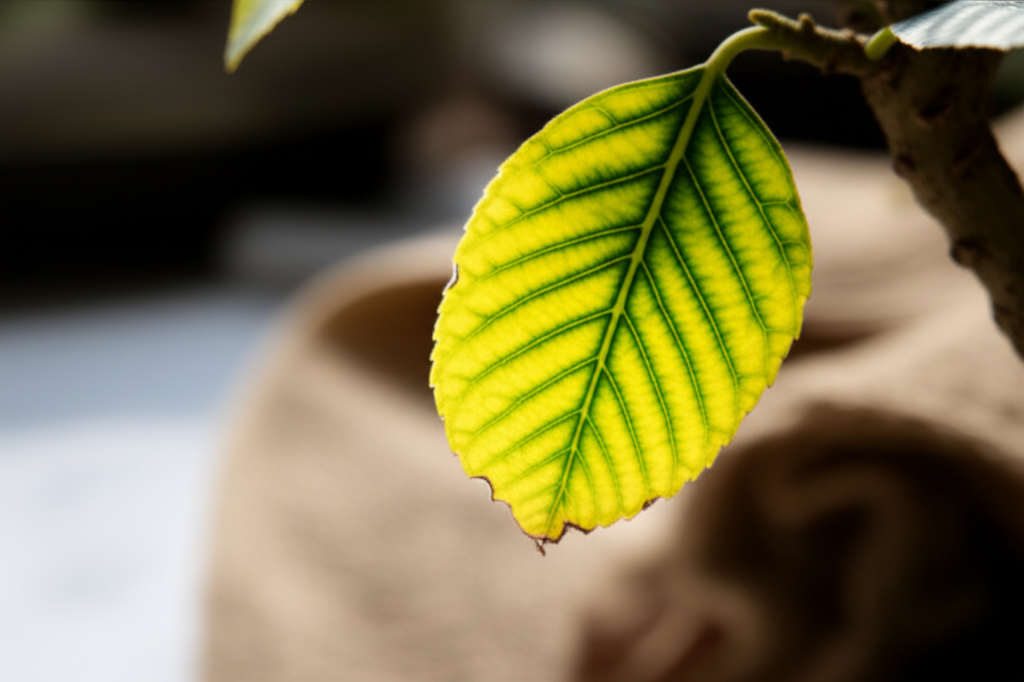
Wilted or Drooping Leaves: The Thirst Signal
Wilted or drooping leaves are often a sign that your bonsai is not getting enough water. However, it can also be caused by root rot or other problems that prevent the tree from absorbing water. It’s crucial to distinguish between these causes to provide the appropriate treatment.
If the soil is dry to the touch, wilting leaves are likely due to underwatering. Simply watering the tree thoroughly should revive it within a few hours. However, if the soil is wet or soggy, wilting leaves could be a sign of root rot. In this case, you’ll need to repot the tree in fresh soil and remove any rotten roots. One summer, I was traveling for a week and asked a friend to water my bonsai. Unfortunately, he overwatered them, and when I returned, several of my trees had wilted leaves. I quickly repotted them and removed the affected roots, saving them from certain death.
Examining the Trunk and Branches: Unveiling Hidden Problems
While the leaves are the most obvious indicators of a bonsai’s health, the trunk and branches can also reveal important clues about its condition. Cracks, swelling, or discoloration can be signs of underlying problems that need to be addressed.
Cracks and Splits: The Stress Fractures of Bonsai
Cracks and splits in the trunk or branches can be caused by a variety of factors, including:
- Frost damage: Freezing temperatures can cause the water inside the tree’s cells to expand, leading to cracks in the bark.
- Sunscald: Sudden exposure to intense sunlight can cause the bark to overheat and crack, especially on young trees.
- Physical damage: Accidental bumps or scrapes can also damage the bark and create cracks.
Small cracks may heal on their own, but larger cracks can be entry points for pests and diseases. It’s important to seal larger cracks with grafting wax or wound sealant to protect the tree from infection. I once had a Japanese maple that developed a large crack in its trunk after a particularly harsh winter. I carefully cleaned the crack and applied grafting wax. The tree eventually healed, but it left a noticeable scar.
Swelling or Bumps: Identifying Galls and Growths
Swelling or bumps on the trunk or branches can be caused by galls, tumors, or other abnormal growths. These growths can be unsightly and can also weaken the tree. Galls are often caused by insects or mites that lay their eggs inside the tree’s tissues. The tree then forms a protective layer around the eggs, creating a gall. Tumors can be caused by various factors, including genetic mutations and viral infections. Identifying the cause of the swelling or bump is crucial for determining the appropriate treatment. In some cases, the growth can be surgically removed. In other cases, it may be necessary to prune away the affected branch.
Discoloration: Spotting Signs of Decay
Discoloration of the bark can be a sign of decay or disease. For example, a whitish or grayish coating on the bark could indicate a fungal infection. A dark, sunken area could be a sign of rot. If you notice any discoloration on the trunk or branches, it’s important to investigate further. Scrape away a small area of the bark to see if the wood underneath is healthy. If the wood is soft or discolored, it’s likely that the tree is suffering from decay.
The Root of the Matter: Understanding Soil and Root Problems
The health of your bonsai’s roots is just as important as the health of its leaves and branches. The roots are responsible for absorbing water and nutrients from the soil, so if they’re not functioning properly, the entire tree will suffer. Root problems can be difficult to diagnose because they’re hidden beneath the soil. However, there are several telltale signs that can indicate a problem.
Root Rot: The Silent Killer
Root rot is one of the most common and deadly bonsai diseases. It’s caused by fungi that thrive in wet, poorly drained soil. The fungi attack the roots, causing them to rot and decay. As the roots rot, they lose their ability to absorb water and nutrients, leading to wilting, yellowing leaves, and eventually death. The telltale sign of root rot is a foul odor coming from the soil. If you suspect your bonsai has root rot, you’ll need to repot it immediately in fresh soil. Remove any rotten roots with sterilized pruning shears. You may also need to treat the tree with a fungicide. Prevention is key when it comes to root rot. Make sure your bonsai is planted in well-draining soil and avoid overwatering.
Bound Roots: Recognizing Container Restriction
Over time, the roots of a bonsai can become pot-bound, meaning they’ve filled the entire pot and have nowhere else to grow. This can restrict the tree’s growth and make it more susceptible to disease. Signs of pot-bound roots include:
- Roots circling the inside of the pot
- Roots growing out of the drainage holes
- Slow growth
- Yellowing leaves
If you suspect your bonsai is pot-bound, you’ll need to repot it into a larger pot or root prune it. Root pruning involves removing a portion of the roots to encourage new growth. It’s a delicate process that should only be done by experienced bonsai enthusiasts. I remember the first time I tried to root prune one of my older bonsai. I was terrified of damaging the tree, but I knew it was necessary. I carefully removed about a third of the roots and repotted the tree in fresh soil. To my relief, the tree thrived after the root pruning.
Poor Drainage: Avoiding Waterlogged Soil
Proper drainage is essential for healthy roots. If the soil doesn’t drain properly, it can become waterlogged, depriving the roots of oxygen. Waterlogged soil can also create a breeding ground for root rot fungi. Signs of poor drainage include:
- Water pooling on the surface of the soil
- A foul odor coming from the soil
- Wilting leaves
To improve drainage, make sure your bonsai is planted in well-draining soil. You can also add drainage holes to the bottom of the pot. Avoid using heavy soils that retain too much water. Adding perlite or other drainage amendments to the soil mix can significantly improve drainage.
Pest Patrol: Identifying and Addressing Common Infestations
Bonsai trees are susceptible to a variety of pests, including spider mites, aphids, scale, and mealybugs. These pests can suck the sap from the leaves and stems, weakening the tree and making it more susceptible to disease. Regularly inspecting your bonsai for pests is crucial for preventing infestations. A magnifying glass can be helpful for spotting small pests. Early detection is critical because a small infestation is much easier to treat than a large one.
If you find pests on your bonsai, there are several things you can do to get rid of them. You can try washing the pests off with a strong stream of water. You can also use insecticidal soap or horticultural oil. For severe infestations, you may need to use a stronger insecticide. Always follow the instructions on the product label carefully. I had a terrible mealybug infestation on one of my prized azaleas a few years back. I tried everything – insecticidal soap, horticultural oil, even hand-picking them off one by one. Finally, I had to resort to a systemic insecticide. It was a last resort, but it saved the tree.

Watering Wisely: The Art of Hydration
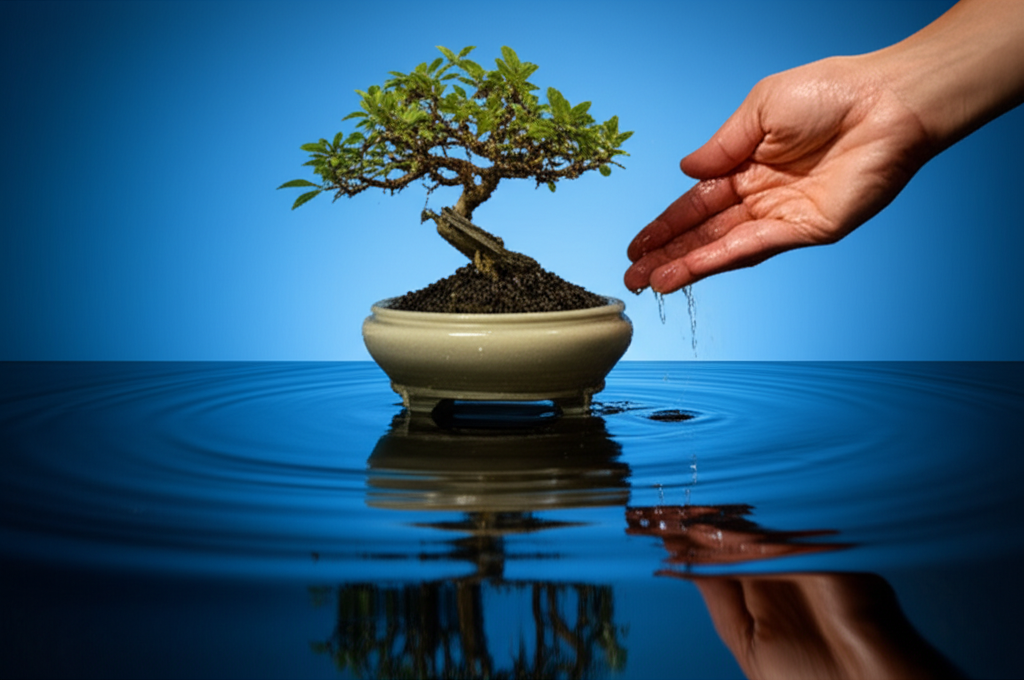
Watering is one of the most critical aspects of bonsai care. Too much water can lead to root rot, while too little water can cause the tree to dry out and die. The key is to find the right balance. The amount of water your bonsai needs will depend on a variety of factors, including the species of tree, the size of the pot, the type of soil, and the weather conditions. As a general rule, you should water your bonsai when the top inch of soil is dry to the touch. Water thoroughly until water drains out of the drainage holes. Avoid watering the leaves, as this can encourage fungal diseases. I’ve learned over the years that the “feel” of the soil is the best indicator. You get a sense for how heavy the pot should feel when it’s properly watered. Don’t rely solely on a schedule; let the tree tell you when it needs water.
Rainwater is the best water for bonsai. It’s free of chlorine and other chemicals that can harm the tree. If you don’t have access to rainwater, you can use tap water, but let it sit out for 24 hours to allow the chlorine to evaporate. Avoid using softened water, as it contains high levels of salt that can be harmful to bonsai. Always remember that consistency is key. Develop a watering routine and stick to it as much as possible.
Fertilizing Fundamentals: Nourishing Your Miniature Masterpiece
Fertilizing is essential for providing your bonsai with the nutrients it needs to thrive. Bonsai trees growing in small pots have limited access to nutrients, so it’s important to supplement them with fertilizer. There are many different types of bonsai fertilizers available, including liquid fertilizers, granular fertilizers, and slow-release fertilizers. The best type of fertilizer for your bonsai will depend on the species of tree and your personal preferences. As a general rule, you should fertilize your bonsai during the growing season (spring and summer). Avoid fertilizing during the dormant season (fall and winter). Always follow the instructions on the fertilizer label carefully. Over-fertilizing can be just as harmful as under-fertilizing.
I prefer to use a balanced liquid fertilizer diluted to half strength. I apply it every two weeks during the growing season. I also supplement with a slow-release fertilizer in the spring. Organic fertilizers, like fish emulsion or seaweed extract, are also excellent choices for bonsai. They provide a slow, steady release of nutrients and also improve the soil structure. Regardless of which fertilizer you choose, remember to be consistent and observant. Watch your bonsai closely for signs of nutrient deficiencies or over-fertilization.
The Long Game: Patience and Persistence
Bonsai is not a hobby for the impatient. It requires patience, persistence, and a deep appreciation for the natural world. There will be times when your bonsai gets sick or infested with pests. There will be times when you make mistakes. Don’t get discouraged. Learn from your mistakes and keep trying. The rewards of bonsai are well worth the effort. There’s nothing quite like the feeling of nurturing a tiny tree and watching it grow into a miniature masterpiece. It is a meditative practice that teaches you the value of observation, patience, and respect for nature. It connects you to the rhythms of the seasons and the interconnectedness of all living things. And ultimately, it teaches you a lot about yourself.
Remember, every bonsai is a unique individual, just like us. They have their own quirks and preferences. The more you observe and interact with your trees, the better you’ll understand their needs. And the better you understand their needs, the more successful you’ll be at keeping them healthy and thriving. It’s a journey of constant learning and discovery, and that’s what makes it so rewarding. So take a deep breath, grab your tools, and embrace the art of bonsai. You won’t regret it.
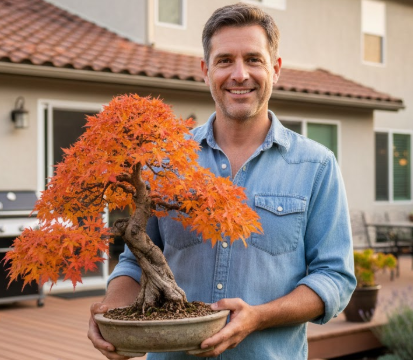
My name is Christopher Brown, I am 38 years old and I live in the United States. I am deeply passionate about the art of bonsai and have been cultivating trees for several years. What started as a simple curiosity turned into a daily practice and an important part of my life.
On this blog, I share my real experiences with bonsai — including what works, what doesn’t, and the lessons I learn along the way. I enjoy experimenting with techniques, observing the growth of each tree, and documenting the process with honesty and patience.
My goal with InfoWeHub is to help beginners feel more confident, avoid common mistakes, and discover the beauty of bonsai cultivation. If you are starting your journey or already love this art, you are welcome here.