
The Subtle Language of Bonsai: Decoding Health
As someone who’s spent a good chunk of my life coaxing miniature trees into works of art, I’ve learned that bonsai aren’t just plants; they’re living sculptures that communicate in a language all their own. And understanding that language, those subtle cues, is the key to knowing whether your bonsai is truly healthy. It’s more than just seeing green leaves. It’s about understanding the nuances of growth, texture, and even the way the tree *feels*.
It’s taken me years of trial and error – trust me, I’ve made my fair share of mistakes – to get a good grasp on what a healthy bonsai looks like. I remember one particularly heartbreaking incident with a beautiful little juniper I’d been training for nearly five years. I thought it was thriving, but I missed the early signs of root rot. By the time I realized what was happening, it was too late. The entire tree withered away within weeks. That experience, as painful as it was, taught me a valuable lesson: vigilance is paramount.
This isn’t about becoming a bonsai expert overnight. This is about giving you the tools to observe, to interpret, and to proactively care for your little tree. Because a healthy bonsai isn’t just visually appealing; it’s a testament to your dedication and a source of immense satisfaction.
Starting with the Obvious: Visual Cues
Let’s start with the basics, the things that even a complete beginner can readily observe. The most obvious indicator of a healthy bonsai is, of course, its foliage. Are the leaves vibrant and full of color, or are they dull, discolored, or sparse? A healthy bonsai will boast leaves that are true to their species’ color, whether that’s the deep green of a ficus or the fiery red of a Japanese maple in autumn.
Beyond color, pay attention to the texture of the leaves. They should feel firm and resilient, not limp or brittle. A healthy leaf will have a certain sheen, a natural vibrancy that reflects its well-being. Wilted or spotted leaves are a major red flag, suggesting potential problems with watering, pests, or disease.
I remember one time I acquired a beautiful little azalea bonsai. The flowers were stunning, but the leaves looked slightly pale. Most people might have dismissed it, but I noticed the subtle discoloration. Turns out, it was suffering from an iron deficiency. A simple application of chelated iron, and the tree bounced back to full health. The lesson? Don’t ignore those subtle visual cues.
The Silent Strength of Branches and Trunk
The branches and trunk of your bonsai are its skeletal structure, providing support and channeling nutrients. A healthy trunk should be firm and solid, free from any soft spots or unusual growths. The bark should be intact and display the characteristic texture of the species. Watch out for any signs of cracking, peeling, or insect activity.
The branches should be strong and flexible, capable of supporting the weight of the foliage. Brittle branches that snap easily are a sign of dehydration or nutrient deficiency. Pay close attention to the branch structure; healthy branches will exhibit a natural taper, gradually decreasing in thickness as they extend outwards. This taper is a key element of aesthetic appeal, but it’s also an indicator of healthy growth.
Don’t underestimate the power of observation. Run your fingers gently along the trunk and branches, feeling for any irregularities. Notice the color and texture of the bark. Are there any signs of damage or decay? These seemingly minor details can tell you a lot about the overall health of your bonsai.

Beyond the Surface: Digging Deeper
While visual cues are a good starting point, truly understanding the health of your bonsai requires a deeper dive. It’s about examining the roots, assessing the soil, and understanding the overall growing environment. Think of it as a holistic approach to bonsai care, where every element is interconnected.
The Root of the Matter: Examining the Root System
The roots are the lifeline of your bonsai, responsible for absorbing water and nutrients from the soil. A healthy root system is essential for a healthy tree. Unfortunately, the roots are hidden beneath the soil, making it difficult to assess their condition without disturbing the tree.
That’s where careful observation and a bit of experience come into play. One telltale sign of a healthy root system is the presence of new growth. When you see new shoots emerging from the branches, it’s a good indication that the roots are actively growing and providing the necessary nourishment.
Another way to assess root health is to gently lift the bonsai from its pot and examine the root ball. Healthy roots should be firm, light-colored, and well-distributed throughout the soil. Avoid trees with dark, mushy, or foul-smelling roots, as these are signs of root rot.
Repotting your bonsai every few years provides an opportunity to thoroughly examine the root system and address any potential problems. During repotting, carefully trim away any dead or diseased roots, and refresh the soil with a well-draining bonsai mix.
I remember one time I neglected to repot one of my older bonsai for too long. When I finally got around to it, the root ball was a tangled mess, and many of the roots were dead. It took several months of careful nursing to bring the tree back to health. That experience taught me the importance of regular repotting and root maintenance.
The Foundation of Life: Assessing the Soil
The soil is the foundation upon which your bonsai’s health is built. A healthy bonsai soil should provide adequate drainage, aeration, and nutrient retention. It should also be free from pests and diseases.
One of the most common mistakes beginners make is using regular potting soil for their bonsai. Regular potting soil tends to retain too much moisture, which can lead to root rot. Bonsai require a specialized soil mix that drains quickly and allows for proper aeration.
A good bonsai soil mix typically consists of a combination of inorganic and organic materials, such as akadama, pumice, lava rock, and peat moss. The specific proportions of these materials will vary depending on the species of bonsai and the growing environment.
To assess the health of your bonsai soil, pay attention to its appearance and texture. The soil should be loose and crumbly, not compacted or muddy. It should also drain quickly after watering. If the soil remains soggy for an extended period of time, it’s a sign that it’s not draining properly.
Over time, bonsai soil can become depleted of nutrients and compacted with salts. That’s why it’s important to refresh the soil regularly, either by repotting the tree or by top-dressing the soil with fresh bonsai mix.
The Environment Matters: Understanding Your Bonsai’s Needs
The environment in which your bonsai grows plays a crucial role in its health. Factors such as sunlight, temperature, humidity, and air circulation can all impact the well-being of your tree.
Each species of bonsai has its own specific environmental requirements. Some species, such as junipers and pines, prefer full sun and well-drained soil. Others, such as azaleas and maples, prefer partial shade and slightly acidic soil.
It’s important to research the specific needs of your bonsai and provide it with the appropriate growing conditions. Pay attention to the amount of sunlight your bonsai receives, and adjust its location as needed. Monitor the temperature and humidity levels, and take steps to protect your bonsai from extreme weather conditions.
Proper air circulation is also essential for preventing fungal diseases. Make sure your bonsai is located in a well-ventilated area, and avoid overcrowding your trees.
I once had a beautiful little ficus bonsai that started to develop yellow leaves. I couldn’t figure out what was wrong, as I was watering it regularly and fertilizing it properly. Eventually, I realized that it was located in a drafty area, and the cold air was stressing the tree. I moved it to a warmer, more sheltered location, and it quickly recovered.

Pests and Diseases: Recognizing the Enemy
Even with the best care, your bonsai may still be susceptible to pests and diseases. Early detection and prompt treatment are essential for preventing these problems from becoming serious.
Common Pests: Identifying the Culprits
Bonsai are susceptible to a variety of pests, including aphids, spider mites, scale insects, and mealybugs. These pests can suck the sap from the leaves and stems, weakening the tree and causing it to become discolored and stunted.
Aphids are small, soft-bodied insects that cluster on the undersides of leaves and new shoots. They secrete a sticky substance called honeydew, which can attract ants and promote the growth of sooty mold.
Spider mites are tiny, spider-like creatures that spin webs on the leaves and stems. They are difficult to see with the naked eye, but their presence can be detected by the appearance of fine stippling on the leaves.
Scale insects are small, armored insects that attach themselves to the stems and leaves. They appear as small bumps or scales, and they can be difficult to remove.
Mealybugs are soft-bodied insects covered in a white, waxy substance. They tend to cluster in the crotches of branches and on the undersides of leaves.
To control these pests, you can use a variety of methods, including insecticidal soap, horticultural oil, and systemic insecticides. It’s important to identify the specific pest affecting your bonsai and choose the appropriate treatment.
I remember one time my juniper bonsai was heavily infested with spider mites. I tried spraying it with insecticidal soap, but it didn’t seem to be working. Eventually, I realized that the spider mites had developed a resistance to the soap. I switched to a different insecticide, and it quickly took care of the problem.
Common Diseases: Spotting the Signs
Bonsai are also susceptible to a variety of diseases, including fungal infections, root rot, and leaf spot. These diseases can cause discoloration, wilting, and even death of the tree.
Fungal infections are often caused by excessive moisture and poor air circulation. They can manifest as powdery mildew, black spot, or rust.
Root rot is a common problem caused by overwatering and poorly draining soil. It can cause the roots to become dark, mushy, and foul-smelling.
Leaf spot is a disease that causes small, discolored spots to appear on the leaves. It can be caused by a variety of fungi and bacteria.
To prevent these diseases, it’s important to provide your bonsai with proper growing conditions, including well-draining soil, adequate air circulation, and appropriate watering. If your bonsai does develop a disease, you can treat it with a fungicide or bactericide.

The Importance of Preventative Care
The best way to keep your bonsai healthy is to prevent problems from occurring in the first place. This involves providing your tree with proper care and attention on a regular basis.
Regular Watering: Finding the Right Balance
Watering is one of the most critical aspects of bonsai care. Overwatering and underwatering can both be detrimental to your tree’s health.
The frequency of watering will depend on a variety of factors, including the species of bonsai, the size of the pot, the type of soil, and the weather conditions. As a general rule, you should water your bonsai when the soil surface feels dry to the touch.
When you water your bonsai, be sure to saturate the entire root ball. Water until the water drains freely from the bottom of the pot. Avoid watering the foliage, as this can promote fungal diseases.
It’s also important to use the right type of water. Tap water can contain chlorine and other chemicals that can be harmful to bonsai. Ideally, you should use rainwater or distilled water.
I used to be a chronic overwaterer. I thought I was being a good bonsai parent by giving my trees plenty of water, but I was actually doing them more harm than good. I eventually learned to let the soil dry out slightly between waterings, and my bonsai became much healthier.
Proper Fertilization: Providing Essential Nutrients
Fertilizing your bonsai is essential for providing it with the nutrients it needs to grow and thrive. However, it’s important to fertilize properly, as overfertilizing can be just as harmful as underfertilizing.
Bonsai require a balanced fertilizer that contains nitrogen, phosphorus, and potassium, as well as trace elements such as iron, manganese, and zinc. The specific proportions of these nutrients will vary depending on the species of bonsai and the time of year.
During the growing season, you should fertilize your bonsai every two to four weeks. During the dormant season, you should reduce or eliminate fertilization.
It’s best to use a liquid fertilizer that is diluted to the appropriate concentration. Apply the fertilizer to the soil, avoiding the foliage.
Pruning and Shaping: Maintaining the Aesthetic Appeal
Pruning and shaping are essential for maintaining the aesthetic appeal of your bonsai. They also help to promote healthy growth and prevent overcrowding.
There are two main types of pruning: structural pruning and maintenance pruning. Structural pruning involves removing large branches to create the desired shape and form of the tree. Maintenance pruning involves removing dead, diseased, or crossing branches, as well as pinching back new growth to encourage branching.
The timing of pruning will depend on the species of bonsai and the type of pruning being performed. As a general rule, structural pruning should be done during the dormant season, while maintenance pruning can be done throughout the growing season.
Shaping involves using wire to bend and position the branches. This technique can be used to create a more dramatic or artistic effect.
Repotting: Refreshing the Soil and Root System
Repotting your bonsai every few years is essential for refreshing the soil and root system. Over time, the soil can become compacted and depleted of nutrients, and the roots can become pot-bound.
Repotting involves removing the bonsai from its pot, trimming the roots, and replanting it in fresh bonsai soil. The timing of repotting will depend on the species of bonsai and the size of the pot.
As a general rule, young bonsai should be repotted every one to two years, while older bonsai can be repotted every three to five years. The best time to repot is during the dormant season, before new growth begins.

Trusting Your Instincts and Learning from Experience
Ultimately, the best way to tell if your bonsai is healthy is to trust your instincts and learn from experience. The more time you spend observing your tree and caring for it, the better you will become at recognizing the subtle signs of health and disease.
Don’t be afraid to experiment and try new techniques. Bonsai is a journey of continuous learning and discovery. There will be times when you make mistakes, but don’t let that discourage you. Learn from your mistakes and keep moving forward.
Remember, every bonsai is unique, and what works for one tree may not work for another. Pay attention to the individual needs of your bonsai and adjust your care accordingly.
And most importantly, enjoy the process. Bonsai is a rewarding and fulfilling hobby that can bring you years of joy and satisfaction. So take your time, be patient, and appreciate the beauty of these miniature trees. After all, isn’t it about the journey and not just the destination?
I’ve learned over the years that patience is perhaps the most important tool in any bonsai artist’s kit. There are no shortcuts. Observing, learning, adapting, and caring for these tiny trees takes time. But the rewards are well worth the effort, not just in the beauty of the bonsai itself, but in the peace and mindfulness it brings to your life.
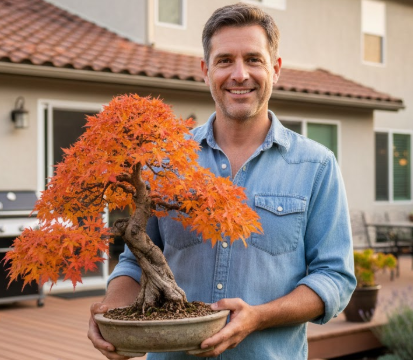
My name is Christopher Brown, I am 38 years old and I live in the United States. I am deeply passionate about the art of bonsai and have been cultivating trees for several years. What started as a simple curiosity turned into a daily practice and an important part of my life.
On this blog, I share my real experiences with bonsai — including what works, what doesn’t, and the lessons I learn along the way. I enjoy experimenting with techniques, observing the growth of each tree, and documenting the process with honesty and patience.
My goal with InfoWeHub is to help beginners feel more confident, avoid common mistakes, and discover the beauty of bonsai cultivation. If you are starting your journey or already love this art, you are welcome here.