
The Gentle Art of Low-Stress Bonsai for Young Trees
The world of bonsai can seem intimidating, a labyrinth of meticulous techniques and arcane knowledge. But it doesn’t have to be. Especially when you’re working with young trees, the key is to embrace a gentler approach. Think of it as nurturing, not sculpting. For decades, I’ve found the most rewarding bonsai experiences come from understanding the tree’s natural tendencies and guiding them with minimal intervention. It’s a lesson I wish I had learned sooner, saving myself (and a few trees) from unnecessary stress.
Why Low-Stress Techniques Matter
Why all the fuss about “low-stress”? Well, young trees are like children – resilient, yes, but also incredibly sensitive. Harsh pruning, aggressive wiring, and drastic repotting can shock their systems, hindering their growth and potentially leading to irreversible damage. Think of it like this: you wouldn’t force a toddler to run a marathon, would you? Similarly, pushing a young bonsai too hard, too fast, can backfire spectacularly. I’ve seen it happen firsthand. A beautiful little Japanese maple I was overly eager to style ended up stunted for years, its growth noticeably weaker compared to its peers. It was a painful lesson, but one that solidified my belief in a more patient, understanding approach.
Furthermore, low-stress techniques promote a healthier, more vigorous tree. By minimizing trauma, you allow the tree to focus its energy on growth and development rather than recovery. This translates to thicker trunks, more compact branching, and ultimately, a more aesthetically pleasing bonsai. It’s a long game, but the rewards are well worth the effort. Trust me; I’ve seen the difference between a tree that’s been nurtured versus one that’s been forced. The nurtured one always shines.
Understanding Your Young Tree
Before you even think about picking up your tools, the most crucial step is to truly understand your tree. What species is it? What are its natural growth habits? What are its specific needs in terms of light, water, and soil? This isn’t just about knowing its scientific name; it’s about observing it closely, noticing how it responds to its environment, and learning its individual quirks. I remember when I first got into bonsai, I treated all my trees the same, regardless of their species. Needless to say, it wasn’t a recipe for success. Each tree is unique, and understanding that is the first step towards a harmonious relationship.
Species-Specific Considerations
Different species have vastly different tolerances for pruning, wiring, and repotting. For example, pines are notoriously sensitive to root disturbance, so repotting should be done sparingly and with extreme care. Maples, on the other hand, are more resilient but can be prone to sunburn if exposed to harsh sunlight after heavy pruning. Knowing these nuances is essential for avoiding unnecessary stress. Research, research, research! Consult reputable bonsai resources, talk to experienced growers, and most importantly, observe your own trees closely. What works for one species may be disastrous for another.
Beyond general species characteristics, pay attention to the specific cultivar or variety. Even within the same species, there can be significant differences in growth habits and tolerances. A dwarf Japanese maple, for instance, will require a different approach than a full-sized maple. The more you know about your tree, the better equipped you’ll be to provide the care it needs and avoid causing it undue stress.
Observing Growth Patterns
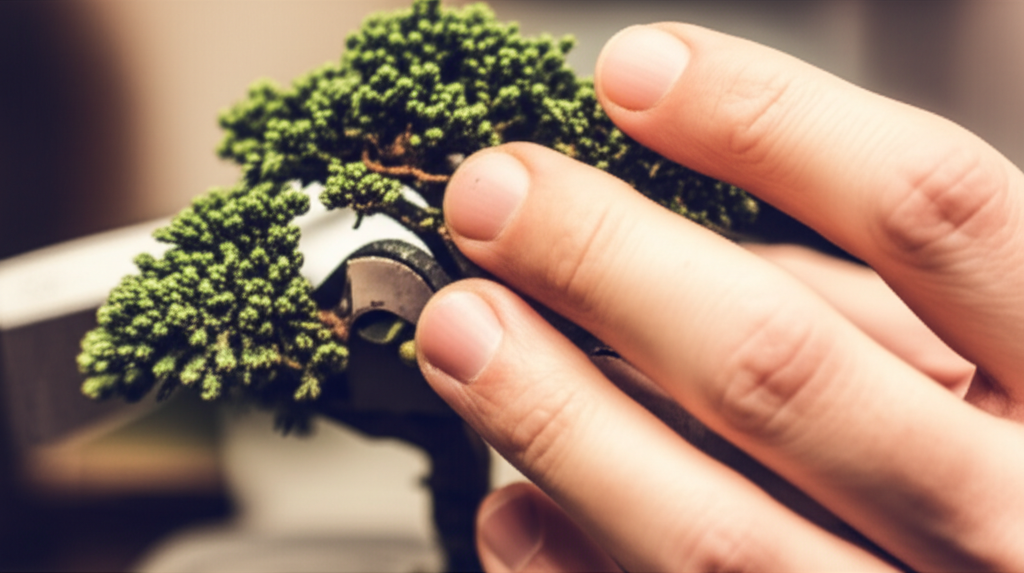
Pay attention to how your tree grows throughout the year. When does it put on new growth? When does it go dormant? How does it respond to different weather conditions? This knowledge will inform your timing for pruning, wiring, and repotting. For example, it’s generally best to prune deciduous trees in late winter or early spring, before the new growth emerges. This allows the tree to heal quickly and direct its energy towards producing healthy new foliage. I used to prune my maples whenever I felt like it, and the results were often disappointing. Now, I wait until late winter, and the difference in growth is remarkable.
Observe the tree’s overall health. Are the leaves a healthy color? Is the growth vigorous and even? Are there any signs of pests or diseases? Addressing these issues promptly will prevent them from becoming major stressors on the tree. A healthy tree is a resilient tree, capable of withstanding minor stresses without significant setbacks. I remember once neglecting a ficus bonsai for a few weeks, and it quickly became infested with scale. The stress of the infestation, combined with my neglect, nearly killed the tree. It was a stark reminder of the importance of consistent observation and care.
Low-Stress Pruning Techniques
Pruning is an essential part of bonsai, but it’s also one of the most potentially stressful procedures. The key is to prune judiciously, removing only what’s necessary to shape the tree and maintain its health. Avoid drastic cuts, and always use sharp, clean tools to minimize trauma. I’ve learned the hard way that dull tools can cause more damage than a poorly planned cut. A clean cut heals quickly; a ragged cut invites disease and delays recovery.
Pinching and Snipping
For young trees, pinching and snipping are often preferable to more aggressive pruning techniques. Pinching involves removing the tips of new shoots with your fingers, which encourages branching and helps to create a denser canopy. Snipping involves using small scissors or bonsai shears to remove individual leaves or small twigs. These techniques are less stressful than cutting back larger branches and allow you to gradually shape the tree over time. I find pinching particularly useful for controlling the growth of vigorous shoots and maintaining the overall shape of my trees. It’s like giving the tree a gentle nudge in the right direction, rather than forcing it.
Selective Branch Removal
When removing larger branches, do so selectively and with a clear purpose in mind. Avoid removing more than one-third of the tree’s foliage at any one time, and always leave some foliage on the remaining branches to provide energy for recovery. Consider the overall design of the tree and remove branches that detract from the desired aesthetic. Branches that cross, grow inwards, or are excessively thick or long are good candidates for removal. I always step back and assess the tree from multiple angles before making any major cuts. It’s a process that requires patience and a keen eye, but it’s essential for creating a balanced and harmonious bonsai.
After pruning, protect the cut surfaces with a sealant to prevent infection and promote healing. There are many different types of bonsai sealant available, so choose one that is appropriate for your tree species and climate. I prefer to use a water-based sealant, as it’s easy to apply and doesn’t contain any harsh chemicals that could harm the tree. It’s a small detail, but it can make a big difference in the long run.
Gentle Wiring Practices
Wiring is another essential technique for shaping bonsai, but it can also be quite stressful if not done properly. The key is to use the right type of wire, apply it correctly, and monitor the tree closely for signs of damage. Avoid wiring young, tender branches, and always remove the wire before it starts to bite into the bark. I’ve seen countless trees damaged by improperly applied or neglected wire. It’s a mistake that’s easily avoided with a little care and attention.
Choosing the Right Wire
There are two main types of wire used in bonsai: aluminum and copper. Aluminum wire is softer and easier to bend, making it a good choice for beginners and for trees with delicate bark. Copper wire is stronger and more durable, making it a better choice for thicker branches and for trees that require more aggressive shaping. The gauge of the wire is also important. Use a wire that is thick enough to hold the branch in place but not so thick that it damages the bark. I typically use aluminum wire for young trees and thinner branches, and copper wire for older trees and thicker branches. It’s a matter of finding the right balance between strength and flexibility.

Applying Wire Correctly
When applying wire, start at the base of the branch and wrap it spirally towards the tip. Avoid wrapping the wire too tightly, as this can damage the bark and restrict the flow of nutrients. Leave a small gap between each wrap to allow for growth. Pay attention to the angle of the wire, and make sure it’s not crossing over itself or rubbing against other branches. The goal is to gently guide the branch into the desired position without causing any undue stress. I often use padding, such as raffia or cloth tape, to protect the bark from the wire. It’s an extra step, but it can prevent unsightly wire marks and ensure the health of the tree.
Monitoring and Removing Wire
Check the wire regularly for signs of biting into the bark. If you see any, remove the wire immediately. The timing for wire removal depends on the species of tree and the rate of growth. Generally, it’s best to remove the wire within a few months of application, before it has a chance to cause permanent damage. Remove the wire carefully, using wire cutters or bonsai shears. Avoid pulling or twisting the wire, as this can damage the branch. I always err on the side of caution and remove the wire sooner rather than later. It’s better to re-wire a branch than to risk scarring the bark.
Repotting with Minimal Disruption
Repotting is another potentially stressful procedure that should be done with care, especially for young trees. The key is to disturb the roots as little as possible and to use a well-draining bonsai soil mix. Avoid repotting during periods of active growth, and always protect the tree from extreme temperatures and sunlight after repotting. I used to think that repotting was a simple matter of transplanting the tree into a new pot, but I quickly learned that it’s a much more nuanced process. The health of the roots is directly related to the health of the entire tree, so it’s essential to handle them with care.
Choosing the Right Soil
The right soil mix is essential for the health of your bonsai. A good bonsai soil mix should provide adequate drainage, aeration, and water retention. There are many different bonsai soil mixes available, so choose one that is appropriate for your tree species and climate. I typically use a mix of akadama, pumice, and lava rock. Akadama is a clay-based soil that provides good water retention and aeration. Pumice is a volcanic rock that improves drainage and aeration. Lava rock is another volcanic rock that provides excellent drainage and helps to anchor the roots. The proportions of each component can be adjusted to suit the specific needs of the tree.
Gentle Root Pruning
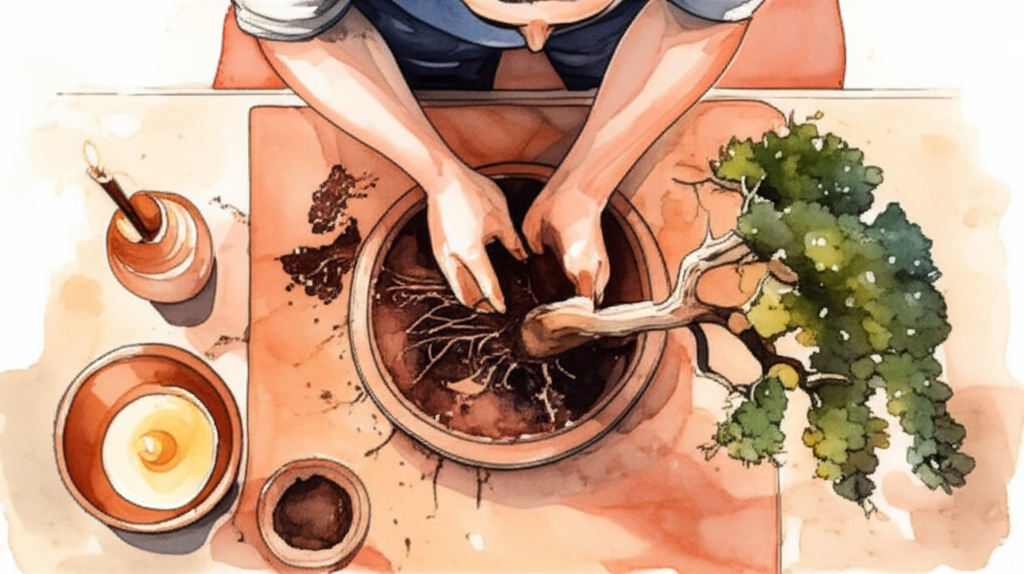
When repotting, it’s necessary to prune the roots to make room for new growth and to maintain the tree’s size. However, it’s important to do this gently and selectively, removing only the thickest and most congested roots. Avoid removing more than one-third of the root mass at any one time, and always leave some of the fine feeder roots intact. These feeder roots are essential for absorbing water and nutrients, so it’s important to protect them. I use a chopstick or root hook to gently loosen the soil around the roots before pruning. This helps to minimize damage and makes it easier to identify the roots that need to be removed.
Post-Repotting Care
After repotting, water the tree thoroughly and protect it from direct sunlight and extreme temperatures for several weeks. Monitor the tree closely for signs of stress, such as leaf drop or wilting. If you see any, provide additional shade and humidity. Avoid fertilizing the tree for several weeks after repotting, as this can burn the new roots. Repotting is a stressful process, so it’s important to give the tree time to recover. I often mist the foliage regularly after repotting to increase humidity and reduce stress. It’s a small gesture, but it can make a big difference in the tree’s recovery.
Watering and Fertilizing with Finesse
Watering and fertilizing are fundamental aspects of bonsai care, but they can also be sources of stress if not done properly. The key is to water thoroughly but infrequently, allowing the soil to dry out slightly between waterings. Avoid overwatering, as this can lead to root rot. Fertilize sparingly, using a balanced fertilizer that is appropriate for your tree species. I’ve found that less is often more when it comes to watering and fertilizing. Overwatering is a common mistake, especially for beginners. It’s better to underwater slightly than to overwater, as a dry tree can usually recover more easily than a tree with root rot.
Understanding Watering Needs
The watering needs of your bonsai will vary depending on the species of tree, the size of the pot, the type of soil, and the climate. Observe your tree closely and learn to recognize the signs of underwatering and overwatering. Underwatering is characterized by wilting leaves and dry soil. Overwatering is characterized by yellowing leaves and soggy soil. The best way to determine if your tree needs watering is to stick your finger into the soil. If the soil feels dry to the touch, it’s time to water. I also pay attention to the weight of the pot. A dry pot will feel significantly lighter than a wet pot.
Fertilizing Gently
Fertilize your bonsai sparingly, using a balanced fertilizer that is appropriate for your tree species. Avoid over-fertilizing, as this can burn the roots and damage the tree. Fertilize during the growing season, and reduce or eliminate fertilization during the dormant season. There are many different types of bonsai fertilizer available, including liquid, granular, and slow-release fertilizers. I prefer to use a slow-release fertilizer, as it provides a steady supply of nutrients over a long period of time. It’s also less likely to burn the roots than liquid or granular fertilizers. I always dilute the fertilizer to half strength, just to be on the safe side.
Creating the Ideal Environment
Providing the right environment is crucial for the health and well-being of your bonsai. This includes providing adequate light, humidity, and protection from extreme temperatures. Different species of trees have different environmental needs, so it’s important to research the specific requirements of your tree. I’ve learned that creating the ideal environment is an ongoing process of observation and adjustment. What works well in one season may not work as well in another. It’s all about paying attention to the tree and responding to its needs.

Light, Humidity, and Temperature
Most bonsai trees need at least six hours of sunlight per day. However, some species are more sensitive to direct sunlight than others. Protect your tree from harsh afternoon sun, especially during the summer months. Humidity is also important, especially for tropical and subtropical species. You can increase humidity by misting the foliage regularly or by placing the tree on a humidity tray. Protect your tree from extreme temperatures, both hot and cold. Most bonsai trees can tolerate temperatures down to freezing, but they should be protected from prolonged periods of extreme cold. I have a small greenhouse where I overwinter my more sensitive bonsai. It’s not fancy, but it provides the necessary protection from the elements.
In conclusion, nurturing young bonsai trees is a journey of patience, observation, and gentle guidance. By prioritizing low-stress techniques, understanding your tree’s individual needs, and providing the right environment, you can cultivate a healthy, beautiful bonsai that will bring you joy for years to come. Remember, it’s not about forcing the tree to conform to your vision, but about working in harmony with nature to create a living work of art. And that, in my experience, is the most rewarding aspect of bonsai.
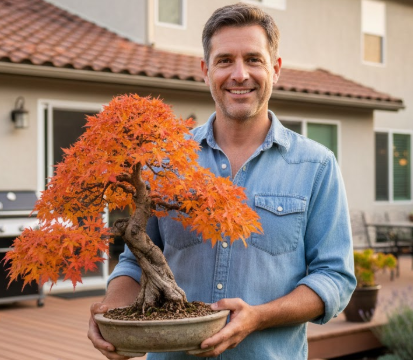
My name is Christopher Brown, I am 38 years old and I live in the United States. I am deeply passionate about the art of bonsai and have been cultivating trees for several years. What started as a simple curiosity turned into a daily practice and an important part of my life.
On this blog, I share my real experiences with bonsai — including what works, what doesn’t, and the lessons I learn along the way. I enjoy experimenting with techniques, observing the growth of each tree, and documenting the process with honesty and patience.
My goal with InfoWeHub is to help beginners feel more confident, avoid common mistakes, and discover the beauty of bonsai cultivation. If you are starting your journey or already love this art, you are welcome here.