
My Bonsai Journey Begins: Week One and Initial Excitement
It’s hard to believe it’s only been a week since I officially started documenting my bonsai journey. For years, I’ve kept notes scattered in various notebooks and on scraps of paper, a chaotic record of successes and, let’s be honest, a fair share of failures. But this time, I’m committed to a proper, detailed diary. I’m Christopher Brown, by the way, and I’ve been captivated by the art of bonsai for longer than I care to admit – let’s just say a few decades. This diary is for me, but also for anyone out there who’s ever been intrigued by these miniature trees and wondered if they could cultivate their own.
This week has been primarily about observation and preparation. I’ve been spending a lot of time simply looking at my existing bonsai. I have a small collection, mostly junipers and maples, each with its own unique personality and challenges. I find it incredibly therapeutic, almost meditative, to sit amongst them, observe their growth patterns, and consider what they might need. It’s a conversation, in a way, a silent exchange between me and the trees.
My initial excitement stems from starting a new project – a Japanese Maple seedling I acquired from a local nursery. It’s nothing special to look at yet, just a small, unassuming plant in a plastic pot. But I see the potential. I envision its future form: a delicate cascade style, its branches reaching gracefully outwards. This is where the real work begins – shaping that vision into reality.
I’ve also been researching different bonsai techniques and styles, refreshing my knowledge and looking for new approaches. The world of bonsai is vast and ever-evolving, and there’s always something new to learn. I’ve been particularly interested in the art of air layering lately, and I’m considering using this method to propagate some of my existing trees. It’s a bit of a gamble, but the potential rewards are significant.
Tools and Resources
Having the right tools is essential for successful bonsai cultivation. This week, I’ve been making sure my tools are clean, sharp, and ready for use. My basic kit includes concave cutters, branch cutters, root hooks, and bonsai shears. Each tool has a specific purpose, and using the right one makes a huge difference in the health and appearance of the tree.
I also invested in a new bonsai pot. I chose a rectangular, unglazed pot for my Japanese Maple seedling, as I believe it will complement the tree’s delicate form. The pot is made of high-quality ceramic and has excellent drainage, which is crucial for the health of the roots.
Beyond the physical tools, I rely heavily on books and online resources for information and inspiration. I have a collection of bonsai books that I refer to regularly, and I also follow several bonsai artists on social media. The bonsai community is incredibly supportive and generous with their knowledge, and I’ve learned a great deal from them over the years.
Week Two: Repotting and Initial Styling
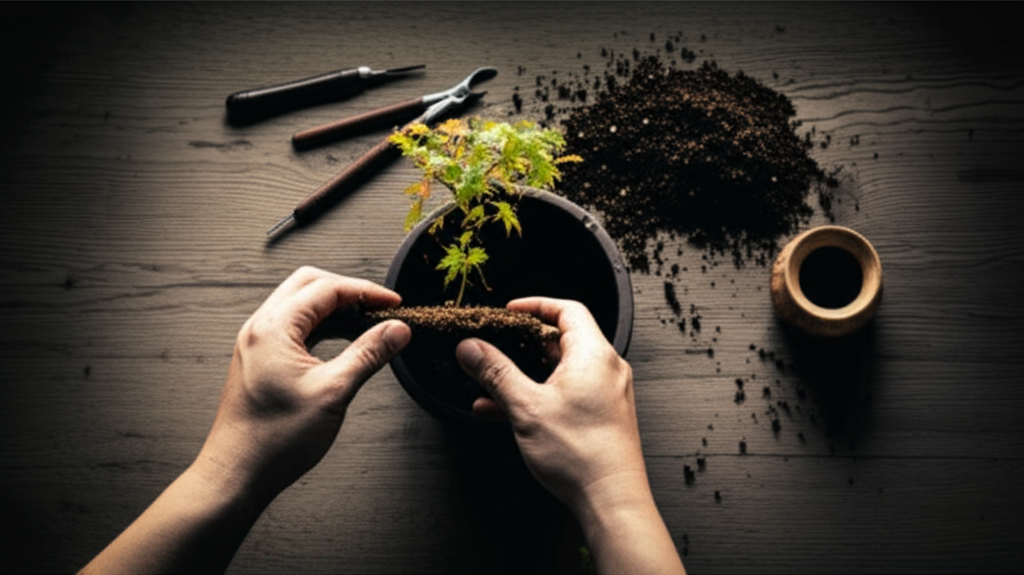
This week was all about getting my hands dirty. The main event was repotting the Japanese Maple seedling into its new bonsai pot. Repotting is a critical part of bonsai care, as it allows you to refresh the soil, prune the roots, and ensure the tree has adequate drainage.
I carefully removed the seedling from its plastic pot and gently teased apart the root ball. The roots were quite dense, so I used a root hook to carefully loosen them and remove any dead or diseased roots. I then pruned the roots back by about one-third, making sure to leave plenty of healthy roots to support the tree.
I prepared a well-draining bonsai soil mix consisting of akadama, pumice, and lava rock. This mix provides excellent drainage and aeration, which are essential for healthy root growth. I placed a layer of soil in the bottom of the bonsai pot and then positioned the seedling in the center. I filled the pot with soil, making sure to pack it firmly around the roots. I then watered the tree thoroughly and placed it in a sheltered location.
After repotting, I began the initial styling of the Japanese Maple. I carefully pruned away any unwanted branches and wired some of the branches into the desired position. Wiring is a technique used to bend and shape branches, allowing you to create the desired form for the bonsai. I used aluminum wire, which is soft and easy to bend, to secure the branches. I’ll need to monitor the wire closely to ensure it doesn’t damage the bark as the tree grows.
Challenges and Adjustments
Repotting and styling can be stressful for a tree, so I’ve been monitoring the Japanese Maple closely for any signs of distress. The leaves have drooped slightly, which is normal after repotting, but I’m keeping a close eye on them. I’ve also been misting the leaves regularly to help the tree retain moisture.
I realized I had placed the tree in a location that was too sunny, so I moved it to a shadier spot. Japanese Maples prefer partial shade, especially during the hottest part of the day. I’ve also been careful not to overwater the tree, as this can lead to root rot.
One of the biggest challenges I’ve faced this week is patience. It’s tempting to want to see immediate results, but bonsai is a long-term project that requires patience and dedication. I have to remind myself that it takes time for a tree to develop its character and beauty.
Week Three: Watering, Fertilizing, and Observation
Week three has been primarily about maintaining the health and vigor of my bonsai. Watering and fertilizing are essential aspects of bonsai care, and I’ve been paying close attention to these tasks this week.
Watering is crucial for the survival of any plant, but it’s especially important for bonsai, as they are grown in small pots with limited soil. I water my bonsai regularly, but I’m careful not to overwater them. I check the soil moisture level daily and water only when the soil is dry to the touch. I use a watering can with a fine rose to gently water the trees, making sure to saturate the soil evenly.
Fertilizing provides the nutrients that bonsai need to grow and thrive. I use a balanced liquid fertilizer specifically formulated for bonsai. I fertilize my bonsai every two weeks during the growing season, following the instructions on the fertilizer label. I’m careful not to over-fertilize, as this can damage the roots.
Observation is a key part of bonsai care. I spend time each day observing my bonsai, looking for any signs of problems, such as pests, diseases, or nutrient deficiencies. I also observe their growth patterns, noting which branches are growing faster than others and adjusting my pruning and wiring accordingly.
Pest Control and Disease Prevention
This week, I noticed some aphids on one of my junipers. Aphids are small, sap-sucking insects that can damage plants. I treated the juniper with an insecticidal soap, which effectively killed the aphids without harming the tree.
I also took preventative measures to prevent fungal diseases. I sprayed my bonsai with a fungicide to protect them from common fungal diseases, such as powdery mildew and black spot. I also made sure to provide good air circulation around the trees, as this helps to prevent fungal growth.
Maintaining a clean and healthy environment is crucial for preventing pests and diseases. I regularly remove any dead leaves or debris from around the trees and keep the area free of weeds. I also inspect my bonsai regularly for any signs of problems, so I can take action quickly if necessary.
Week Four: Pruning and Refinement
This week, I focused on pruning and refining my bonsai. Pruning is an essential part of bonsai care, as it helps to maintain the desired shape and size of the tree. It also encourages new growth and helps to keep the tree healthy.
I carefully pruned the Japanese Maple seedling, removing any unwanted branches and shaping the tree into the desired cascade style. I used concave cutters to make clean cuts that will heal quickly. I also pruned back some of the longer branches to encourage branching closer to the trunk.
I also pruned some of my older bonsai, removing any dead or diseased branches and shaping the trees to improve their overall appearance. I paid close attention to the ramification of the branches, ensuring that they were evenly spaced and well-balanced.

Wiring Adjustments and New Growth
I checked the wiring on my Japanese Maple seedling and made any necessary adjustments. The wire was beginning to bite into the bark in some areas, so I loosened it slightly to prevent any damage. I also re-wired some of the branches to further refine their shape.
I’ve been pleased to see new growth emerging on my bonsai. The Japanese Maple seedling is putting out new leaves, and my older bonsai are also showing signs of vigor. This is a sign that my bonsai are healthy and thriving.
Encouraging new growth is an ongoing process. I continue to provide adequate water and fertilizer, and I make sure to protect the trees from pests and diseases. I also provide plenty of sunlight, which is essential for photosynthesis.
Month Two: Reflecting on Progress and Future Plans
As I wrap up the first month of this bonsai diary, I find myself reflecting on the progress I’ve made and considering my plans for the future. It’s been a rewarding experience, and I’ve learned a great deal about the art of bonsai. I feel a deeper connection with my trees, and I’m excited to see how they develop over time.
The Japanese Maple seedling has responded well to repotting and styling. It’s putting out new growth and developing its characteristic delicate form. I’m pleased with the progress it’s made so far, and I’m confident that it will become a beautiful bonsai in the years to come.
My older bonsai are also thriving. They’re putting out new growth and displaying their unique personalities. I’m constantly amazed by the resilience and beauty of these miniature trees.
Long-Term Vision and Goals
My long-term vision for my bonsai collection is to create a diverse and aesthetically pleasing display of miniature trees. I want to showcase the beauty and artistry of bonsai and share my passion for this ancient art form with others.
My goals for the coming months include propagating more bonsai from cuttings and air layering, refining the styling of my existing bonsai, and learning new bonsai techniques. I also plan to attend some bonsai workshops and exhibitions to further expand my knowledge and skills.
One of my biggest challenges is finding the time to dedicate to bonsai care. Bonsai requires a significant commitment of time and effort, and it can be difficult to balance this with other responsibilities. However, I find the process of caring for bonsai to be incredibly rewarding, and I’m committed to making it a priority in my life.
The biggest lesson I’ve learned so far is the importance of patience. Bonsai is a long-term project that requires patience and dedication. There are no shortcuts, and it takes time for a tree to develop its character and beauty. But the rewards are well worth the effort.
Month Three: Advanced Techniques and Setbacks
The last month has been a mixed bag of successes and setbacks. I’ve been experimenting with some more advanced techniques, but I’ve also encountered some unexpected challenges. It’s all part of the learning process, and I’m determined to keep improving my skills.
I attempted air layering on one of my junipers, but unfortunately, it was unsuccessful. The air layer didn’t root, and the branch eventually died. It was a disappointing experience, but I learned from my mistakes and I’ll try again in the future.
On a more positive note, I successfully grafted a branch onto one of my maples. Grafting is a technique used to join two different plants together, and it can be used to improve the characteristics of a bonsai. The graft has taken well, and the branch is growing vigorously.

Dealing with Unexpected Problems
I discovered that one of my bonsai had developed root rot. Root rot is a fungal disease that can kill plants if left untreated. I immediately repotted the tree in fresh soil and treated it with a fungicide. I’m hoping that I caught the problem early enough to save the tree.
I also had a minor infestation of spider mites on one of my pines. Spider mites are tiny pests that can damage plants by sucking their sap. I treated the pine with a miticide and isolated it from my other bonsai to prevent the infestation from spreading.
Dealing with unexpected problems is a part of bonsai care. It’s important to be vigilant and to take action quickly when problems arise. With proper care and attention, most problems can be resolved successfully.
Month Four: Seasonal Changes and Preparations
As the seasons change, so do the needs of my bonsai. This month has been about adapting to the changing weather conditions and preparing my bonsai for the colder months ahead. It’s a crucial time to ensure their survival and continued health.
I’ve been reducing the amount of water I give my bonsai, as they don’t need as much water during the cooler months. I’ve also stopped fertilizing them, as they are no longer actively growing. Overwatering during this time is a common mistake that can lead to root rot.
I’ve also been moving my bonsai to a more sheltered location to protect them from frost and harsh winds. Some of my more delicate bonsai, such as my tropical species, will need to be brought indoors for the winter. I’ve been carefully monitoring the temperature and humidity levels in their new environment.
Winter Protection Strategies
Protecting bonsai from the cold is essential for their survival. I use a variety of strategies to protect my bonsai during the winter. I mulch around the base of the trees to insulate the roots. I also wrap the pots in burlap to protect them from freezing.
For my more delicate bonsai, I use a cold frame to provide extra protection. A cold frame is a small, enclosed structure that helps to keep plants warm during the winter. I also make sure to provide adequate ventilation to prevent fungal diseases.
I check my bonsai regularly throughout the winter to make sure they are healthy and protected. I also water them sparingly when the soil is dry. Winter is a time of dormancy for bonsai, but it’s still important to provide them with basic care.

Final Thoughts: A Continuous Journey
Looking back over the past four months, I’m amazed at how much I’ve learned and how much my bonsai have grown. It’s been a challenging but incredibly rewarding experience. Bonsai is a continuous journey of learning, patience, and dedication. There are always new techniques to master and new challenges to overcome. But the rewards are well worth the effort. The connection I feel with my trees, the sense of peace and tranquility they bring, and the satisfaction of creating something beautiful are all invaluable.
This diary has been a valuable tool for tracking my progress and reflecting on my experiences. I plan to continue documenting my bonsai journey, sharing my successes and failures along the way. I hope that my experiences will inspire others to explore the art of bonsai and to discover the joy of cultivating these miniature trees.
And so, my bonsai journey continues. I look forward to the challenges and rewards that lie ahead, knowing that each day brings me closer to my vision of creating a beautiful and thriving bonsai collection. It’s a lifelong pursuit, a partnership between human and nature, and I wouldn’t have it any other way. The quiet satisfaction of seeing a tree thrive under your care, shaped by your hand and guided by your vision – that’s what makes it all worthwhile.
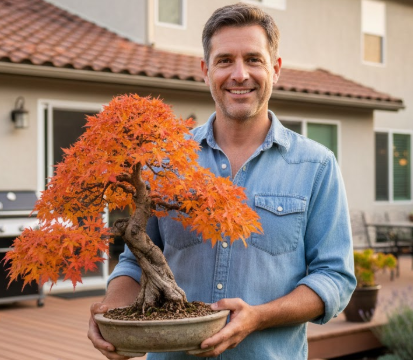
My name is Christopher Brown, I am 38 years old and I live in the United States. I am deeply passionate about the art of bonsai and have been cultivating trees for several years. What started as a simple curiosity turned into a daily practice and an important part of my life.
On this blog, I share my real experiences with bonsai — including what works, what doesn’t, and the lessons I learn along the way. I enjoy experimenting with techniques, observing the growth of each tree, and documenting the process with honesty and patience.
My goal with InfoWeHub is to help beginners feel more confident, avoid common mistakes, and discover the beauty of bonsai cultivation. If you are starting your journey or already love this art, you are welcome here.