
My Evening Bonsai Ritual: A Time for Reflection and Care
For me, bonsai isn’t just a hobby; it’s a daily meditation, a connection to nature that grounds me after a long day. As the sun dips below the horizon, casting long shadows across my garden, I find myself drawn to my bonsai collection. It’s in these quiet evening moments that I perform my bonsai care ritual, a checklist that’s evolved over years of trial, error, and a deep respect for these miniature trees. It’s more than just watering and pruning; it’s a chance to observe, to anticipate, and to appreciate the subtle changes that mark the passage of time.
The Importance of a Routine
Why an evening routine specifically? Well, I’ve found that attending to my bonsai at this time offers several advantages. The temperature is typically cooler, reducing the risk of shocking the roots with cold water. The light is softer, allowing me to examine the foliage more closely without squinting. And, perhaps most importantly, the quiet of the evening allows me to focus my attention fully on each tree, without the distractions of the day. It’s a dedicated time, set aside for careful observation and gentle care.
Establishing this routine wasn’t an overnight process. It took years of experimentation and observation to determine the optimal timing and techniques for my specific climate and collection. I remember a particularly scorching summer when I tried watering my bonsai in the late afternoon, only to find that the water evaporated almost immediately, leaving the soil parched and the trees stressed. It was a painful lesson, but it taught me the importance of understanding the specific needs of my bonsai and adapting my routine accordingly.
My Evening Bonsai Care Checklist: Step-by-Step
Over the years, my evening routine has solidified into a detailed checklist. It’s not rigid – I adjust it based on the season, the species of tree, and the individual needs of each bonsai. But it provides a solid framework for ensuring that my miniature trees receive the care they need to thrive.
1. The Initial Assessment: A Gentle Observation
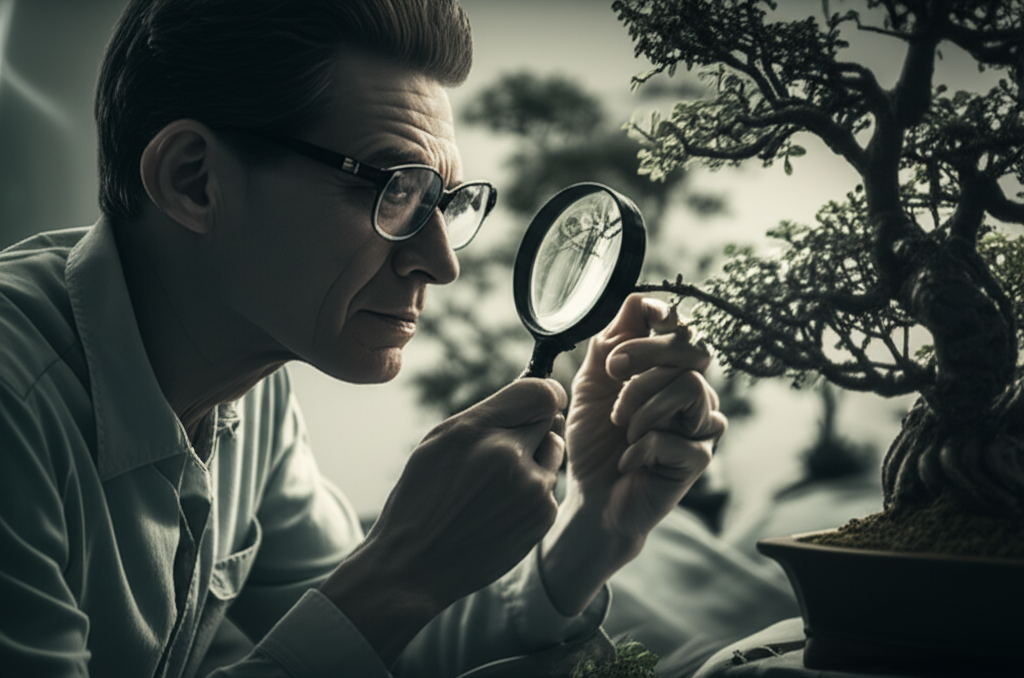
Before I even touch a bonsai, I take a few moments to simply observe. I walk around my collection, taking in the overall appearance of each tree. Is the foliage vibrant and healthy? Are there any signs of pests or disease? Are the branches growing in the desired direction? This initial assessment is crucial for identifying any potential problems early on.
I’ve learned to trust my instincts during this stage. Sometimes, a tree will just “look” off, even if I can’t immediately pinpoint the issue. In these cases, I’ll spend a little extra time examining the tree more closely, checking for hidden pests or subtle signs of stress. It’s like a doctor feeling for a pulse; it’s about developing a sense of what’s normal and what’s not.
For example, I once noticed that one of my Japanese maples seemed a little droopier than usual. The leaves were still green, but they lacked their usual vibrancy. After closer inspection, I discovered a small infestation of aphids on the underside of the leaves. Because I caught it early, I was able to treat the problem quickly and prevent it from spreading to other trees.
2. Watering: The Lifeblood of Bonsai
Watering is arguably the most critical aspect of bonsai care. Because bonsai are grown in relatively small containers, they are prone to drying out quickly. However, overwatering can be just as detrimental, leading to root rot and other problems. The key is to find the right balance, providing enough water to keep the soil moist but not waterlogged.
I water my bonsai using a watering can with a fine rose, which helps to distribute the water evenly and gently. I avoid using a hose, as the force of the water can damage delicate foliage and dislodge the soil. I water slowly and deliberately, allowing the water to soak into the soil before adding more.
The frequency of watering depends on several factors, including the species of tree, the type of soil, the climate, and the season. In general, I water more frequently during the summer months, when the weather is hot and dry, and less frequently during the winter months, when the trees are dormant. I also pay close attention to the soil moisture level, using my finger to check the soil a few inches below the surface. If the soil feels dry to the touch, it’s time to water.
One of the biggest mistakes I made early on was following a rigid watering schedule. I would water my bonsai every day, regardless of the weather or the condition of the soil. This led to several cases of overwatering and root rot. It wasn’t until I learned to pay attention to the specific needs of each tree that I was able to water them effectively.
3. Pruning and Shaping: The Art of Refinement
Pruning and shaping are essential for maintaining the desired form of a bonsai and promoting healthy growth. Regular pruning helps to control the size and shape of the tree, encourages branching, and improves air circulation. Shaping, on the other hand, involves using wire or other techniques to guide the growth of branches and create a more aesthetically pleasing design.
I typically do my pruning and shaping in the evening, after the sun has set and the trees have had a chance to recover from the heat of the day. I use sharp, clean tools to avoid damaging the branches and spreading disease. I also take my time, carefully considering each cut before making it.
Pruning is not just about aesthetics; it’s also about the health of the tree. Removing dead or diseased branches helps to prevent the spread of infection and improves the overall vitality of the bonsai. I also prune away any crossing or rubbing branches, which can create wounds and attract pests.
Shaping is a more delicate process that requires patience and a good eye for design. I use wire to gently bend and position branches, creating a more balanced and harmonious composition. It’s important to use the right type of wire for the species of tree and to avoid wrapping the wire too tightly, which can damage the bark. I regularly check the wire to make sure it’s not cutting into the bark, and I remove it as soon as the branches have set in the desired position.
I remember one particularly challenging bonsai that I had been struggling to shape for years. It was a gnarled old juniper with a stubborn, unruly branch that refused to bend in the direction I wanted it to go. I tried everything I could think of, but nothing seemed to work. Finally, after months of frustration, I realized that I was trying to force the tree to conform to my vision, rather than working with its natural tendencies. I stepped back, took a fresh look at the tree, and realized that the unruly branch actually added character and interest to the design. I simply adjusted my vision to accommodate the branch, and the tree finally began to take shape beautifully.

4. Pest and Disease Control: A Vigilant Defense
Bonsai are susceptible to a variety of pests and diseases, including aphids, spider mites, scale, and fungal infections. Regular inspection and preventative measures are essential for keeping these problems under control. I check my bonsai for pests and diseases every evening, paying close attention to the undersides of the leaves and the crevices of the bark.
If I spot any signs of pests or disease, I take immediate action. I start by trying to remove the pests manually, using a cotton swab dipped in rubbing alcohol or a strong stream of water. If the infestation is more severe, I may use a horticultural oil or insecticidal soap. I always follow the instructions on the label carefully and avoid spraying the trees in direct sunlight or during hot weather.
Preventative measures are just as important as treatment. I regularly clean my bonsai tools with rubbing alcohol to prevent the spread of disease. I also make sure to provide good air circulation around the trees, which helps to reduce the risk of fungal infections. And I fertilize my bonsai regularly to keep them healthy and strong, which makes them more resistant to pests and diseases.
One of the most effective preventative measures I’ve found is to simply pay attention to my bonsai. The more I observe them, the more likely I am to spot problems early on, before they have a chance to become serious. It’s like knowing your own body; you can tell when something is just not right.
5. Soil and Container Maintenance: The Foundation of Health
The soil and container are the foundation of a healthy bonsai. The soil provides the nutrients and moisture that the tree needs to thrive, while the container provides support and drainage. It’s important to use the right type of soil for the species of tree and to repot the bonsai regularly to prevent the soil from becoming compacted and depleted of nutrients.
I check the soil moisture level every evening, as described above. I also check the drainage holes in the container to make sure they are not clogged. If the soil is compacted or the drainage is poor, I may need to repot the bonsai sooner than expected.
Repotting is a major undertaking that should only be done when necessary. It involves removing the bonsai from its container, trimming the roots, and replanting it in fresh soil. I typically repot my bonsai in the spring, before the start of the growing season. I use a well-draining bonsai soil mix that is specifically formulated for the species of tree I am repotting. I also make sure to use a container that is the right size and shape for the bonsai.
I remember one particularly challenging repotting experience. I was repotting an old azalea bonsai that I had been growing for many years. The roots were tightly bound and difficult to untangle. I was worried about damaging the tree, but I knew that it needed to be repotted in order to thrive. I took my time, carefully untangling the roots and trimming away any dead or diseased growth. Finally, after several hours of work, I was able to replant the bonsai in fresh soil. It was a stressful experience, but it was worth it. The azalea thrived after repotting, and it continues to be one of my most prized bonsai.
Adapting the Routine: Flexibility is Key
While my evening checklist provides a solid framework for bonsai care, it’s important to remember that flexibility is key. The specific needs of my bonsai vary depending on the season, the weather, and the individual characteristics of each tree. I’m always learning and adapting my routine to meet the changing needs of my collection.
Seasonal Adjustments
The seasons have a profound impact on the needs of my bonsai. During the spring and summer months, when the trees are actively growing, they require more frequent watering and fertilization. I also pay closer attention to pest and disease control during these months, as warm weather and abundant foliage can create ideal conditions for infestations.
During the fall and winter months, when the trees are dormant, they require less watering and fertilization. I also protect my bonsai from frost and freezing temperatures by moving them to a sheltered location or wrapping them in burlap. I continue to check them regularly for pests and diseases, but I am less likely to intervene unless there is a serious problem.
Weather Considerations
The weather also plays a significant role in bonsai care. During hot, dry weather, I water my bonsai more frequently and provide them with shade to prevent them from drying out. During rainy weather, I make sure that the soil is well-draining and that the trees are not sitting in standing water.
During windy weather, I protect my bonsai from being blown over by securing them to a stable surface. I also check them regularly for wind damage, such as broken branches or torn foliage.

Individual Tree Needs
Each bonsai in my collection is unique and has its own specific needs. Some trees require more sunlight than others, while some are more drought-tolerant. Some trees are more susceptible to pests and diseases than others, while some are more sensitive to pruning.
I learn about the individual needs of each tree by observing them closely and by doing research. I keep a record of each tree’s watering and fertilization schedule, as well as any problems that I have encountered. This information helps me to provide the best possible care for each bonsai.
The Reward: A Thriving Bonsai Collection
The time and effort I invest in my evening bonsai care routine is rewarded with a thriving collection of miniature trees. Each tree is a testament to the power of patience, observation, and a deep respect for nature. My bonsai are not just plants; they are living works of art that bring me joy and peace every day.
The benefits extend far beyond the aesthetic. The act of caring for my bonsai is therapeutic. It forces me to slow down, to focus on the present moment, and to appreciate the simple beauty of nature. It’s a reminder that even the smallest things in life can be extraordinary if we take the time to notice them.
Over the years, my bonsai collection has become more than just a hobby; it’s a part of my identity. It’s a way for me to connect with the natural world, to express my creativity, and to share my passion with others. And it all starts with my evening bonsai care ritual, a simple checklist that has transformed my life in countless ways.
I often get asked what the ‘secret’ is to growing beautiful bonsai. There isn’t one, of course. It’s a combination of knowledge, patience, and a genuine love for these miniature trees. But if I had to distill it down to one essential element, it would be the willingness to show up, every day, and give them the attention they deserve. That’s what my evening checklist is all about – showing up, being present, and caring for my bonsai with intention and love.
And so, as the stars begin to twinkle in the night sky, I’ll be out in my garden, watering can in hand, continuing my evening bonsai ritual. It’s a tradition I cherish, a moment of peace and connection in a world that often feels too fast-paced and disconnected. It’s a reminder that beauty can be found in the smallest of things, and that even a miniature tree can offer a glimpse into the vastness of nature.
So, take a moment, look at your own plants, maybe you will find a new way to connect with nature. The simple act of caring can be deeply rewarding, both for you and for the living things you nurture. The lessons I’ve learned from my bonsai have enriched my life in ways I never could have imagined, and I hope that sharing my experience inspires you to embark on your own journey of horticultural discovery.
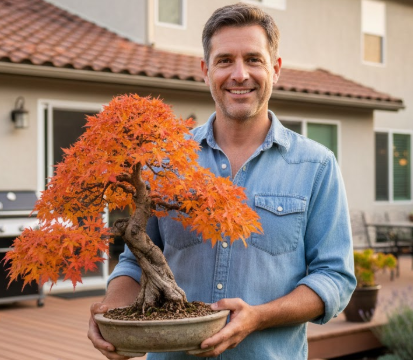
My name is Christopher Brown, I am 38 years old and I live in the United States. I am deeply passionate about the art of bonsai and have been cultivating trees for several years. What started as a simple curiosity turned into a daily practice and an important part of my life.
On this blog, I share my real experiences with bonsai — including what works, what doesn’t, and the lessons I learn along the way. I enjoy experimenting with techniques, observing the growth of each tree, and documenting the process with honesty and patience.
My goal with InfoWeHub is to help beginners feel more confident, avoid common mistakes, and discover the beauty of bonsai cultivation. If you are starting your journey or already love this art, you are welcome here.