
Understanding the Root of the Problem: Overwatering and Underwatering
As someone who’s spent a considerable portion of my life coaxing these miniature trees to thrive, I can tell you that mastering the art of bonsai is a journey paved with both triumphs and, let’s be honest, a fair share of mistakes. Over the years, I’ve learned to see these missteps not as failures, but as invaluable lessons etched in the very branches of my bonsai. And believe me, I’ve made nearly every mistake in the book, so I’m here to share my insights with you.
One of the most common pitfalls, and one I certainly stumbled into early on, is the delicate dance of watering. It’s a fundamental aspect of bonsai care, but it’s also surprisingly nuanced. Overwatering and underwatering – these are the twin demons that haunt the dreams of many a bonsai enthusiast. How many times have I stood there, hose in hand, second-guessing myself? The answer is, more times than I can count. But through trial and error, I’ve developed a few practical techniques to help you avoid these common mistakes.
The Dangers of Drowning: Recognizing Overwatering
Overwatering, in my experience, is often the result of good intentions gone awry. We love our little trees, and we want to make sure they have enough to drink. But bonsai, unlike their larger brethren in the forest, live in a confined space. Their roots don’t have the luxury of spreading out in search of moisture. When the soil is constantly saturated, the roots are deprived of oxygen, leading to root rot – a silent killer that can quickly decimate a bonsai.
How do you know if you’re overwatering? Well, the signs can be subtle at first. The leaves may start to yellow or droop, even though they appear to be getting plenty of water. The soil will likely be consistently damp to the touch, and you might even notice a musty or unpleasant odor emanating from the pot. I remember one particularly heartbreaking incident with a Japanese maple I had been training for years. The leaves started to turn brown at the edges, and I initially attributed it to a nutrient deficiency. It wasn’t until I repotted the tree that I discovered the horrifying truth: the roots were a soggy, black mess. It was a tough lesson, but it taught me the importance of paying close attention to the soil and the overall health of the tree.
To combat overwatering, first and foremost, ensure your bonsai pot has adequate drainage holes. This seems obvious, but it’s easily overlooked. I also recommend using a well-draining soil mix specifically formulated for bonsai. These mixes typically contain a combination of akadama, pumice, and lava rock, which provide excellent drainage and aeration. Finally, and perhaps most importantly, learn to resist the urge to water on a schedule. Instead, check the soil moisture regularly. Stick your finger into the soil about an inch deep. If it feels moist, hold off on watering. If it feels dry, it’s time to give your bonsai a drink.
The Thirst Trap: Identifying Underwatering
On the other end of the spectrum, underwatering can be just as detrimental to your bonsai’s health. When a bonsai doesn’t receive enough water, its leaves will begin to wilt and turn brown, starting at the tips. The soil will be dry and hard to the touch, and the tree may even start to shed leaves prematurely. The overall appearance of the bonsai will be lackluster and stressed.
I recall one summer when I went on vacation and entrusted my bonsai collection to a well-meaning, but inexperienced, friend. When I returned, I was horrified to find several of my trees looking parched and lifeless. My friend, bless his heart, had been afraid of overwatering and had erred too far on the side of caution. It took weeks of careful watering and extra attention to nurse those trees back to health, and some never fully recovered.

The key to avoiding underwatering is to develop a consistent watering routine that takes into account the specific needs of your bonsai species, the climate in your area, and the time of year. During the hot summer months, your bonsai will likely need to be watered more frequently than during the cooler winter months. Also, be mindful of the type of pot your bonsai is planted in. Clay pots, for example, tend to dry out more quickly than plastic pots. When you do water, make sure to saturate the entire root ball. Water until water drains freely from the drainage holes, ensuring that all the roots are thoroughly moistened. I often use a watering can with a fine rose head to gently shower the foliage as well, which helps to increase humidity and keep the leaves clean.
Pruning Pitfalls: Avoiding Over-Pruning and Under-Pruning
Pruning is another essential aspect of bonsai care. It’s what allows us to shape and refine our miniature trees, creating the illusion of age and grandeur. But pruning can also be a source of anxiety for many bonsai enthusiasts. The fear of cutting off too much, or not enough, is a common one. I know it was for me. I spent my first few years tiptoeing around my bonsai with the pruning shears, afraid to make a wrong move. But I soon learned that pruning is not something to be feared, but rather a skill to be honed. And like any skill, it requires practice, patience, and a willingness to learn from your mistakes.
The Perils of Over-Pruning: Stressed and Stunted Growth
Over-pruning can weaken your bonsai, making it more susceptible to pests and diseases. It can also stunt its growth and ruin its overall shape. I once got carried away with a ficus bonsai, trying to create a more compact and refined appearance. I removed far too many leaves and branches, leaving the tree looking sparse and skeletal. The ficus responded by going into shock, dropping even more leaves, and refusing to grow for several months. It was a painful reminder that less is often more when it comes to pruning.
The key to avoiding over-pruning is to understand the specific pruning needs of your bonsai species. Some species, like junipers, can tolerate heavy pruning, while others, like pines, are more sensitive and require a more delicate approach. Also, be mindful of the overall health and vigor of your bonsai. If the tree is already stressed or weakened, it’s best to postpone pruning until it has recovered. When you do prune, make sure to use sharp, clean tools to avoid damaging the branches. And always err on the side of caution, removing only what is necessary to achieve your desired shape.
The Consequences of Under-Pruning: Unruly and Unrefined
On the other hand, under-pruning can lead to a bonsai that is overgrown, unruly, and lacking in definition. Branches can become tangled and congested, blocking sunlight and air circulation. The overall shape of the bonsai can become distorted and unbalanced. I’ve seen many bonsai that have suffered from neglect in this way, their potential hidden beneath a mass of unchecked growth.
The solution to under-pruning is to develop a regular pruning schedule and to be proactive in maintaining the shape and health of your bonsai. Remove any dead, diseased, or crossing branches. Thin out congested areas to improve air circulation and sunlight penetration. And don’t be afraid to make bold cuts to create a more dramatic and dynamic silhouette. The goal is to create a bonsai that is both aesthetically pleasing and structurally sound.
Remember that pruning is not just about aesthetics. It’s also about maintaining the health and vigor of your bonsai. By removing unwanted growth, you can redirect the tree’s energy to the areas where it is needed most. This can lead to stronger growth, more vibrant foliage, and a longer lifespan for your bonsai.
Soil Selection Sins: Choosing the Wrong Medium
The soil you use for your bonsai is far more than just dirt. It’s the foundation upon which your miniature tree’s health and vitality are built. Choosing the wrong soil can lead to a host of problems, including poor drainage, nutrient deficiencies, and root rot. I learned this the hard way when I first started growing bonsai. I assumed that any old potting soil would do, and I proceeded to plant my prized Japanese maple in a dense, clay-rich mix. The results were disastrous. The soil retained too much water, the roots suffocated, and the tree slowly declined. It was a costly mistake, but it taught me the importance of using a well-draining, nutrient-rich soil mix specifically formulated for bonsai.
Heavy Clay Soil: A Recipe for Root Rot
Heavy clay soil is a common culprit in bonsai failures. Its dense structure prevents proper drainage, leading to waterlogged roots and a lack of oxygen. Over time, this can cause root rot, which can quickly kill your bonsai. I’ve seen countless bonsai succumb to this fate, their roots blackened and decaying in a sea of mud.

The key to avoiding this problem is to use a well-draining bonsai soil mix that contains a combination of akadama, pumice, and lava rock. These materials provide excellent drainage and aeration, allowing the roots to breathe and thrive. Akadama is a type of baked clay that retains moisture while still allowing for good drainage. Pumice is a lightweight volcanic rock that improves aeration and drainage. Lava rock is another volcanic rock that provides excellent drainage and helps to anchor the roots.
Nutrient-Poor Soil: Starving Your Bonsai
On the other hand, using a soil mix that is too poor in nutrients can also be detrimental to your bonsai’s health. Bonsai, unlike trees in the wild, are confined to a small pot and rely on us to provide them with the nutrients they need to grow. If the soil is lacking in essential nutrients, the bonsai will become weak, stunted, and susceptible to pests and diseases.
To ensure your bonsai receives adequate nutrition, it’s important to use a soil mix that contains a slow-release fertilizer or to supplement with regular liquid fertilizer applications. Look for fertilizers that are specifically formulated for bonsai and that contain a balanced ratio of nitrogen, phosphorus, and potassium. Nitrogen promotes leafy growth, phosphorus supports root development, and potassium enhances overall health and vigor.
Wiring Woes: Applying Wire Incorrectly
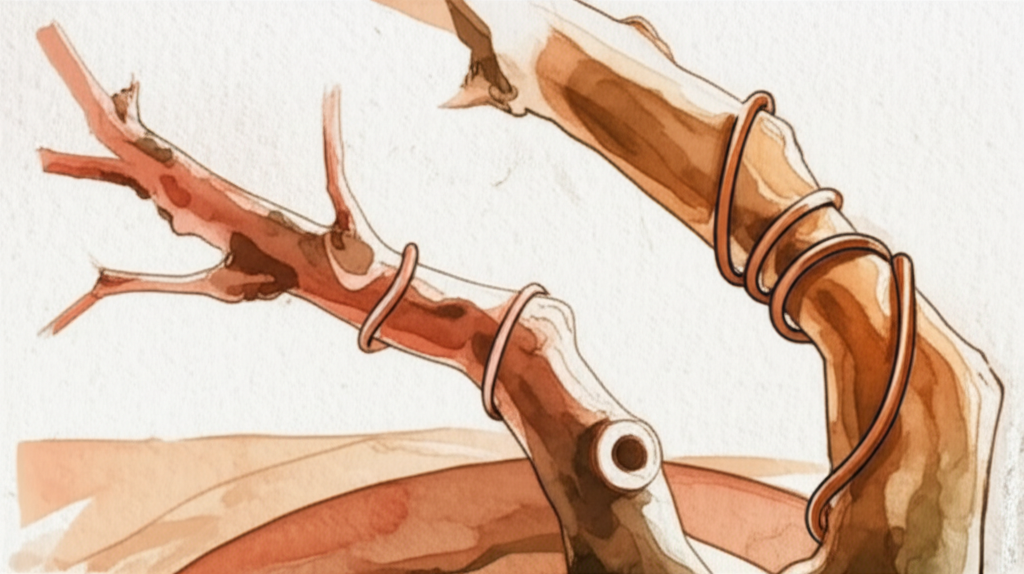
Wiring is an essential technique for shaping and styling bonsai. By carefully wrapping branches with wire, we can bend them into desired positions and create the illusion of age and movement. However, wiring can also be a source of frustration for beginners. Applying wire too tightly can damage the bark and restrict growth, while applying it too loosely can render it ineffective. I’ve certainly made my share of wiring mistakes over the years, and I’m here to share my tips for avoiding them.
Tight Wire: Cutting off Circulation
Applying wire too tightly is a common mistake that can have serious consequences. When wire is wrapped too tightly around a branch, it can cut off the flow of nutrients and water, leading to dieback. The bark can become damaged, leaving unsightly scars. In severe cases, the branch may even break.
The key to avoiding this problem is to use wire that is the appropriate thickness for the branch you are wiring. The wire should be thick enough to hold the branch in place, but not so thick that it cuts into the bark. Also, be careful not to wrap the wire too tightly. The wire should be snug, but not constricting. Check the wire regularly to make sure it is not digging into the bark. If it is, remove the wire immediately.
Loose Wire: Ineffective Shaping
On the other hand, applying wire too loosely can render it ineffective. If the wire is not tight enough, it will not be able to hold the branch in place, and the desired shape will not be achieved. The branch may simply spring back to its original position, rendering all your efforts futile.
To avoid this problem, make sure to use wire that is the appropriate thickness for the branch you are wiring. The wire should be thick enough to provide adequate support, but not so thick that it is difficult to work with. Also, make sure to wrap the wire tightly enough to hold the branch in place. The wire should be snug, but not constricting. Use your fingers to gently bend the branch into the desired position as you wrap the wire.
Pest and Disease Problems: Ignoring the Warning Signs
Bonsai, like all living things, are susceptible to pests and diseases. Ignoring the warning signs can allow these problems to escalate, leading to serious damage or even death. I’ve learned to be vigilant in my observation of my bonsai, looking for any signs of trouble. Early detection is key to preventing pest and disease problems from becoming overwhelming.
Identifying Common Pests
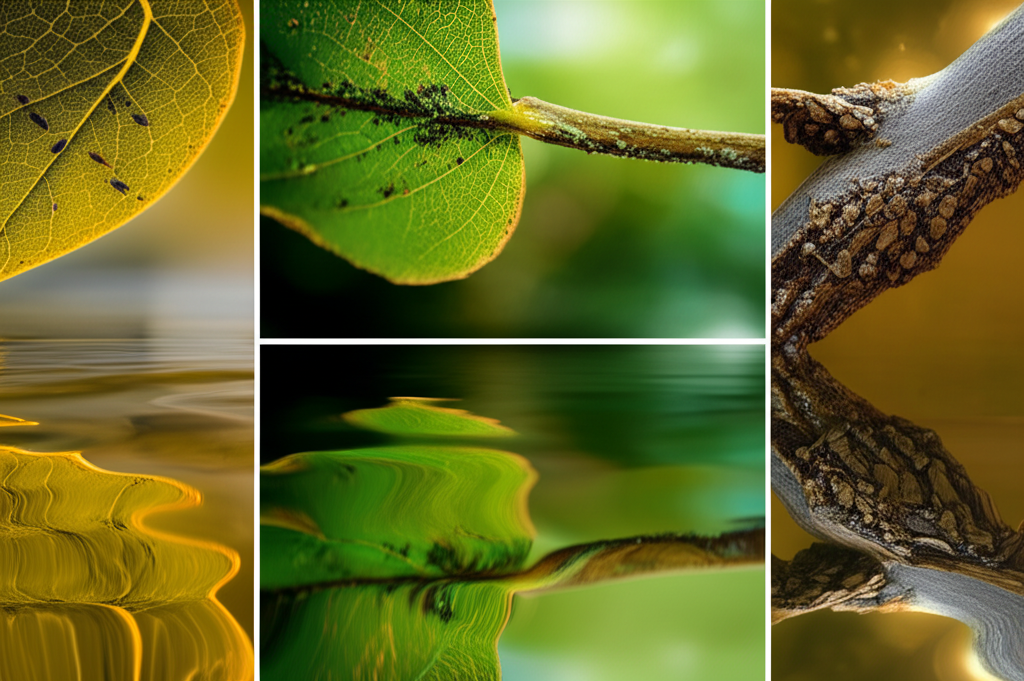
Several common pests can plague bonsai, including aphids, spider mites, and scale insects. Aphids are small, soft-bodied insects that suck sap from the leaves, causing them to become distorted and yellow. Spider mites are tiny, spider-like creatures that spin webs on the undersides of leaves and feed on plant juices. Scale insects are small, armored pests that attach themselves to branches and leaves, sucking sap and weakening the tree.
To identify these pests, inspect your bonsai regularly for any signs of infestation. Look for distorted or yellowing leaves, webbing on the undersides of leaves, or small, armored bumps on branches and leaves. If you spot any of these signs, take action immediately to control the infestation. I’ve had success using insecticidal soap or horticultural oil to control these pests. Be sure to follow the instructions on the product label carefully.
Recognizing Disease Symptoms
Bonsai can also be affected by various diseases, including fungal infections and root rot. Fungal infections can cause leaf spots, stem cankers, and other unsightly symptoms. Root rot is a serious disease that affects the roots, causing them to decay and die.
To recognize disease symptoms, inspect your bonsai regularly for any signs of abnormality. Look for leaf spots, discolored bark, or wilting foliage. If you suspect root rot, carefully remove the bonsai from its pot and inspect the roots. Healthy roots are firm and white, while diseased roots are soft, brown, and mushy.
Preventing pest and disease problems is always better than trying to cure them. To prevent these problems, provide your bonsai with proper care, including adequate watering, fertilization, and sunlight. Also, keep your bonsai clean by removing any dead or diseased leaves and branches. And be sure to quarantine any new bonsai before introducing them to your collection to prevent the spread of pests and diseases.
The Long Game: Patience is Paramount
Ultimately, the most crucial element in bonsai cultivation, and perhaps the most difficult to master, is patience. Bonsai is not a quick fix or an instant gratification hobby. It’s a long-term commitment that requires years of dedication and perseverance. There will be times when your bonsai thrives, and there will be times when it struggles. There will be triumphs and there will be setbacks. But the key is to remain patient, to learn from your mistakes, and to never give up on your bonsai.
I’ve had bonsai that I’ve been training for decades, and I’m still learning new things about them every day. I’ve lost bonsai that I poured my heart and soul into, and it’s always a painful experience. But I’ve also witnessed the incredible resilience of these miniature trees, their ability to bounce back from adversity, and their unwavering beauty in the face of challenge. And that, to me, is what makes bonsai so rewarding. It’s a journey of discovery, a testament to the power of nature, and a constant reminder that patience is indeed a virtue.
So, embrace the journey, learn from your mistakes, and never stop exploring the art of bonsai. With patience, dedication, and a little bit of luck, you can create a miniature masterpiece that will bring you joy for years to come. And remember, the most important thing is to enjoy the process. Bonsai is not just about creating a beautiful tree, it’s about connecting with nature, cultivating patience, and finding peace in the present moment.
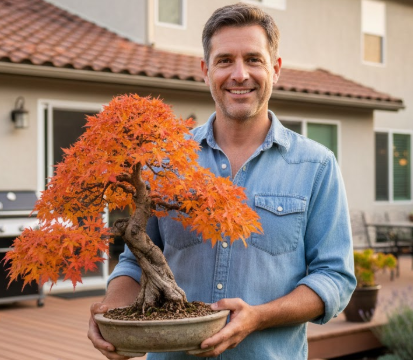
My name is Christopher Brown, I am 38 years old and I live in the United States. I am deeply passionate about the art of bonsai and have been cultivating trees for several years. What started as a simple curiosity turned into a daily practice and an important part of my life.
On this blog, I share my real experiences with bonsai — including what works, what doesn’t, and the lessons I learn along the way. I enjoy experimenting with techniques, observing the growth of each tree, and documenting the process with honesty and patience.
My goal with InfoWeHub is to help beginners feel more confident, avoid common mistakes, and discover the beauty of bonsai cultivation. If you are starting your journey or already love this art, you are welcome here.