
The Great Bonsai Indoors vs. Outdoors Debate: My Two Cents
For years, I’ve watched the bonsai community grapple with this question: should these miniature trees live indoors or outdoors? The answer, as is often the case with bonsai, isn’t a simple black and white. It’s a nuanced tapestry woven with the threads of species, climate, and, perhaps most importantly, a dash of good old common sense.
I remember when I first started dabbling in bonsai. I diligently followed the instructions in a glossy book I’d purchased, placing my prized juniper bonsai on a windowsill bathed in sunlight. I felt like a responsible bonsai parent, meticulously watering it and admiring its tiny, perfectly formed needles. Weeks later, it started to turn brown. Panic set in. Had I overwatered it? Under-fertilized it? The truth, as I learned the hard way, was much simpler: my juniper, a species that thrives outdoors, was slowly suffocating in the dry, stagnant air of my living room.
That experience, coupled with countless others over the years, has shaped my perspective on this debate. I’ve come to believe that the question isn’t so much “indoors or outdoors?” but rather, “what does this particular tree need to thrive?” Let’s break it down.
Understanding the Needs of Your Bonsai
The fundamental truth is that bonsai, at their core, are still trees. They require sunlight, fresh air, proper hydration, and seasonal temperature fluctuations. Keeping a bonsai indoors permanently deprives it of these essential elements, often leading to a slow and agonizing decline. Imagine being confined to a room your entire life – you might survive, but you certainly wouldn’t thrive. The same principle applies to bonsai.
Most bonsai species, especially those native to temperate climates, are naturally suited to outdoor living. These trees require the distinct seasons to trigger dormancy, growth spurts, and flowering. Without this natural cycle, they can become weakened and susceptible to pests and diseases. Think of it like a bear hibernating in winter; it needs that period of rest to rejuvenate and prepare for the coming year.
However, there are exceptions. Some tropical and subtropical species, like ficus and schefflera, can adapt to indoor environments more readily. But even these species benefit from spending time outdoors during warmer months, soaking up the sun and enjoying the fresh air. It’s like giving them a much-needed vacation.
The Role of Light
Light is the lifeblood of any plant, and bonsai are no exception. Insufficient light is one of the most common reasons why indoor bonsai fail to thrive. While a sunny windowsill might seem adequate, it often falls short of providing the intense, direct sunlight that most bonsai need.
Consider this: sunlight outdoors is far more intense than sunlight filtered through a window. Even on a cloudy day, outdoor light provides a broader spectrum of wavelengths that plants can utilize for photosynthesis. Indoors, the light is often weaker and more diffuse, forcing the bonsai to expend more energy to capture the necessary light for survival.
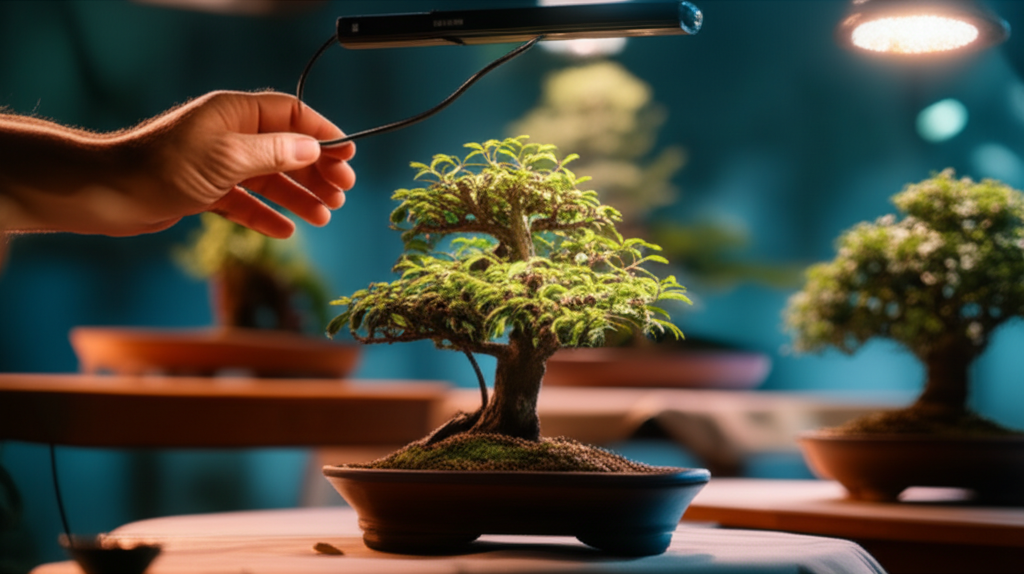
If you’re determined to keep your bonsai indoors, you’ll likely need to supplement natural light with artificial grow lights. These lights can provide the specific wavelengths that plants need to thrive, mimicking the effects of natural sunlight. I’ve experimented with various grow lights over the years, and I’ve found that LED grow lights are generally the most energy-efficient and effective.
The Importance of Air Circulation
Fresh air is another crucial element that’s often lacking in indoor environments. Stagnant air can create a breeding ground for pests and diseases, and it can also hinder the bonsai’s ability to transpire and regulate its temperature.
Imagine being stuck in a stuffy room with no ventilation. You’d likely feel uncomfortable, sluggish, and prone to headaches. Bonsai experience a similar effect when they’re deprived of fresh air. The lack of air circulation can lead to fungal growth, pest infestations, and a general decline in the tree’s health.
To improve air circulation around your indoor bonsai, you can use a small fan to gently circulate the air. Avoid directing the fan directly at the tree, as this can dry out the leaves. Instead, position the fan to create a gentle breeze that moves around the tree.
Watering and Humidity
Watering is a delicate balancing act, regardless of whether your bonsai lives indoors or outdoors. Overwatering and underwatering are both common mistakes that can lead to the demise of your prized tree.
Indoors, the air is often drier than outdoors, which can lead to faster evaporation from the soil. This means you’ll likely need to water your indoor bonsai more frequently than your outdoor bonsai. However, it’s important to avoid overwatering, as this can lead to root rot. The key is to check the soil moisture regularly and water only when the top inch or two feels dry to the touch.
Humidity is another factor to consider. Many bonsai species prefer a humid environment, which can be difficult to maintain indoors, especially during the winter months when the heating is on. To increase humidity around your bonsai, you can use a humidity tray or a humidifier. A humidity tray is simply a shallow tray filled with pebbles and water. As the water evaporates, it increases the humidity in the surrounding air.
Understanding Your Local Climate
Your local climate plays a significant role in determining whether your bonsai can thrive outdoors year-round. If you live in a region with harsh winters, you’ll need to take extra precautions to protect your outdoor bonsai from the cold. This might involve moving them to a sheltered location, such as a garage or shed, or burying the pots in the ground to insulate the roots.
I live in a region with relatively mild winters, so I’m able to keep most of my bonsai outdoors year-round with minimal protection. However, I do have a few species that are more sensitive to cold, and I bring those indoors during the coldest months. I also have a small greenhouse where I overwinter some of my more delicate bonsai.
Choosing the Right Species
Not all bonsai species are created equal. Some are more tolerant of indoor conditions than others. If you’re new to bonsai, it’s best to start with a species that’s known to be relatively easy to care for indoors, such as ficus or schefflera. These species can tolerate lower light levels and drier air than many other bonsai species.
As you gain more experience, you can branch out and try your hand at growing other bonsai species indoors. However, it’s important to research the specific needs of each species and provide them with the appropriate environment. Don’t be afraid to experiment, but be prepared to learn from your mistakes.
My Personal Approach: A Seasonal Dance
Over the years, I’ve developed a seasonal approach to bonsai care, moving my trees indoors and outdoors as needed. During the warmer months, from spring to late fall, the majority of my bonsai live outdoors, basking in the sun and enjoying the fresh air. I find they thrive in these conditions, developing strong growth and vibrant foliage.
As winter approaches, I begin to assess which of my bonsai need to be brought indoors. This decision is based on the species of the tree, its hardiness, and the severity of the winter weather forecast. More delicate species, like certain tropical varieties, are brought inside to a controlled environment with supplemental lighting and humidity. Hardier species, like junipers and pines, can often withstand colder temperatures and remain outdoors with some protection, such as wrapping the pots to insulate the roots.
This seasonal dance, as I like to call it, requires careful observation and understanding of each tree’s individual needs. It’s not a perfect science, and I’ve certainly made mistakes along the way. But through trial and error, I’ve learned to anticipate the needs of my bonsai and provide them with the best possible care throughout the year.
Common Mistakes and How to Avoid Them
Even with the best intentions, it’s easy to make mistakes when caring for bonsai, especially indoors. Here are some common pitfalls and how to avoid them:
- Insufficient Light: This is the most common problem. Supplement natural light with grow lights, especially during winter.
- Overwatering: Check the soil moisture before watering. Allow the top inch or two of soil to dry out before watering again. Ensure proper drainage.
- Underwatering: Indoor air is often drier, so monitor the soil moisture closely. Water thoroughly when the soil feels dry.
- Lack of Humidity: Use a humidity tray or humidifier to increase humidity around your bonsai.
- Poor Air Circulation: Use a small fan to gently circulate the air around your bonsai.
- Pest Infestations: Inspect your bonsai regularly for pests. Treat infestations promptly with appropriate insecticides.
- Neglecting Dormancy: Even indoor bonsai need a period of dormancy. Provide cooler temperatures and reduced watering during the winter months.
A Case Study: My Ficus Retusa
I have a Ficus retusa bonsai that I’ve owned for over 15 years. It’s a species that’s known to be relatively tolerant of indoor conditions, but I’ve still had to make adjustments to its care over the years to ensure it thrives. Initially, I kept it on a windowsill that received morning sun, but I noticed that it wasn’t growing as vigorously as I had hoped. The leaves were also a bit pale and yellowing.
I realized that it wasn’t getting enough light, so I supplemented the natural light with a grow light. I also started using a humidity tray to increase the humidity around the tree. Within a few weeks, I noticed a significant improvement. The leaves became greener and more vibrant, and the tree started producing new growth.
During the summer months, I move the Ficus retusa outdoors to a shaded patio. It seems to thrive in the warmer temperatures and higher humidity. I make sure to protect it from direct sunlight, as this can scorch the leaves. I also water it more frequently during the summer, as the soil dries out more quickly in the heat.
This experience taught me the importance of paying close attention to the individual needs of each bonsai and making adjustments to their care as needed. It also reinforced the idea that even species that are considered to be relatively easy to care for indoors can benefit from spending time outdoors during the warmer months.
The Importance of Observation and Patience
Bonsai care is an ongoing learning process. There’s no one-size-fits-all approach, and what works for one tree might not work for another. The key is to observe your bonsai closely, pay attention to its needs, and be patient. Don’t get discouraged if you make mistakes. Learn from them and keep experimenting until you find what works best for you and your trees.
I’ve killed my fair share of bonsai over the years. Each loss was a painful lesson, but it also taught me valuable insights into the art of bonsai care. I’ve learned to be more observant, more patient, and more attuned to the needs of my trees. I’ve also learned to appreciate the beauty and resilience of these miniature trees.
Beyond the Basics: Creating a Thriving Indoor Bonsai Environment
So, you’ve decided to try your hand at keeping a bonsai indoors. Excellent! Beyond the fundamental needs of light, air, and water, there are several additional steps you can take to create an environment where your miniature tree can truly flourish.
Consider the aesthetic. A bonsai isn’t just a plant; it’s a living piece of art. Displaying it in a way that complements its beauty can greatly enhance its impact. Choose a location that allows the tree to be viewed from multiple angles. Consider the backdrop – a simple, uncluttered background will help the bonsai stand out. And don’t underestimate the power of a well-chosen pot. The pot should complement the style and age of the tree, creating a harmonious whole.
Think about the emotional connection. Bonsai care is more than just a set of techniques; it’s a relationship. Spend time with your tree. Observe its growth patterns. Notice the subtle changes in its leaves. Talk to it (yes, really!). The more you connect with your bonsai, the better you’ll understand its needs and the more rewarding the experience will be.
The Future of Indoor Bonsai: Innovation and Adaptation
As technology advances, the possibilities for indoor bonsai care are expanding. LED grow lights are becoming more efficient and affordable, providing increasingly precise control over the light spectrum. Smart sensors can monitor soil moisture, humidity, and temperature, alerting you to potential problems before they become serious. And innovative growing systems, like hydroponics and aquaponics, offer new ways to provide nutrients and water to your bonsai.
These advancements are particularly exciting for those who live in urban environments with limited access to outdoor space. They offer the potential to create thriving indoor bonsai gardens, bringing the beauty and tranquility of nature into our homes, regardless of our location or climate.
Final Thoughts: Respecting the Tree’s Nature
Ultimately, the decision of whether to keep your bonsai indoors or outdoors depends on a variety of factors, including the species of the tree, your local climate, and your personal preferences. However, I believe that the most important consideration is always the well-being of the tree. Bonsai are living organisms, and they deserve to be treated with respect and care. By understanding their needs and providing them with the appropriate environment, we can help them thrive and bring joy to our lives for many years to come.

So, should bonsai live indoors or outdoors? The answer, as I’ve tried to convey, is not a simple one. It’s a journey of learning, adapting, and, above all, respecting the inherent nature of these amazing miniature trees. Embrace the challenge, be patient, and enjoy the process. You might just find yourself becoming a bonsai enthusiast for life, just like me. And who knows, maybe one day I’ll see you at a bonsai convention, sharing your own stories and insights. Happy growing!
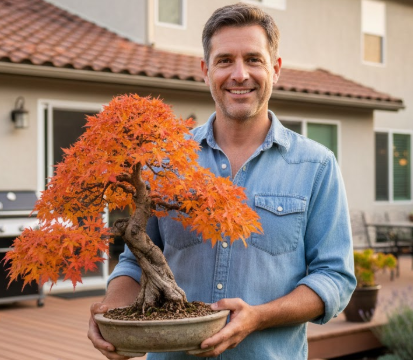
My name is Christopher Brown, I am 38 years old and I live in the United States. I am deeply passionate about the art of bonsai and have been cultivating trees for several years. What started as a simple curiosity turned into a daily practice and an important part of my life.
On this blog, I share my real experiences with bonsai — including what works, what doesn’t, and the lessons I learn along the way. I enjoy experimenting with techniques, observing the growth of each tree, and documenting the process with honesty and patience.
My goal with InfoWeHub is to help beginners feel more confident, avoid common mistakes, and discover the beauty of bonsai cultivation. If you are starting your journey or already love this art, you are welcome here.