
Decoding the Silent Language of Your Bonsai
For years, I’ve found myself lost in the miniature world of bonsai. More than just a hobby, it’s become a daily ritual, a meditation, a way to connect with nature on a profoundly intimate scale. It’s not enough to just water and prune; you have to truly listen to your tree. I’ve learned, often through hard lessons and painstaking observation, that a bonsai communicates its well-being in subtle, yet unmistakable ways. It’s a silent language, spoken through the color of its leaves, the vigor of its growth, and even the texture of its bark. Are you truly hearing what your bonsai is telling you?
The First Clues: Visual Cues of a Happy Bonsai
One of the first things I learned was to pay close attention to the foliage. A healthy bonsai will boast vibrant, appropriately colored leaves. For example, with my Japanese Maple, I expect a deep, rich green in the summer, transforming into fiery reds and oranges in the fall. If the leaves start to yellow prematurely, or develop brown spots, that’s usually a sign that something is amiss – perhaps overwatering, underwatering, or a nutrient deficiency. But vibrant, healthy foliage is a sure sign of a happy tree.
I remember one spring when my prized Juniper bonsai started exhibiting pale, almost washed-out needles. At first, I dismissed it as normal spring growth. However, a nagging feeling told me to investigate further. After carefully examining the soil, I realized it was severely compacted, preventing proper drainage. The roots were suffocating! A swift repotting with fresh, well-draining soil, and a gentle root pruning, brought my Juniper back to its former glory. The vibrant green needles returned within weeks, and I learned a valuable lesson: never ignore subtle changes in foliage color.
Another crucial indicator is the growth pattern. Is your bonsai producing new shoots and leaves regularly during the growing season? Is the growth even and balanced across the tree? A happy bonsai will exhibit vigorous, healthy growth, a testament to its thriving root system and overall well-being. Stunted or erratic growth, on the other hand, can signal underlying problems.
I once had a Ficus bonsai that simply refused to grow, no matter how much I watered or fertilized it. I was baffled! After months of frustration, I finally decided to check the roots. To my horror, I discovered that the pot was completely root-bound. The roots had formed a dense, impenetrable mass, effectively choking the tree. A more substantial pot and a careful root pruning stimulated new growth within days. Since then, I’ve made it a point to regularly inspect the root systems of my bonsai, especially those in smaller pots.
Beyond the Leaves: Deeper Indicators of Bonsai Bliss
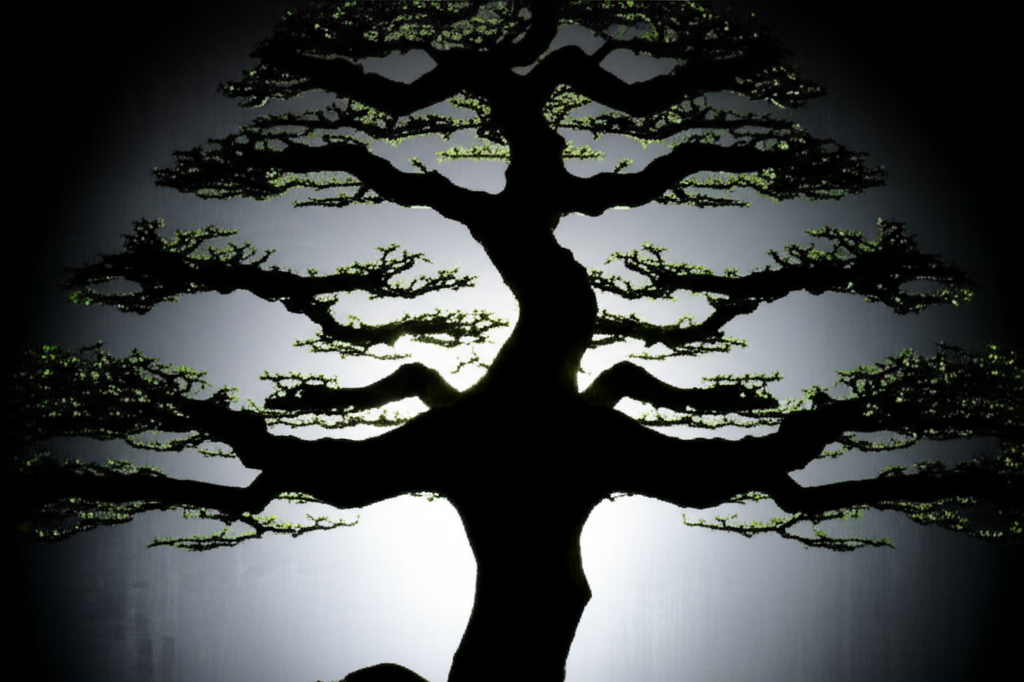
While the foliage provides the most obvious clues, a truly insightful bonsai enthusiast will look deeper, examining the trunk, branches, and even the soil. The trunk of a healthy bonsai should be firm and sturdy, with bark that is appropriate for its species. Any signs of rot, fungus, or insect infestation are red flags that demand immediate attention. Similarly, the branches should be strong and well-supported, capable of bearing the weight of the foliage.
I’ll never forget the time I discovered a small patch of white, powdery mold on the trunk of my Trident Maple. Initially, I dismissed it as harmless, but within days, the mold had spread rapidly, engulfing a significant portion of the trunk. Panicked, I consulted with a local bonsai expert, who identified it as a fungal infection. He recommended a copper-based fungicide and strict adherence to proper watering practices. Thankfully, the treatment worked, and my Trident Maple recovered, but it was a close call. That experience taught me the importance of vigilant inspection and prompt action when dealing with potential problems.
The soil itself can also provide valuable insights into the health of your bonsai. Is it well-draining, allowing excess water to flow freely? Is it free of foul odors or signs of algae growth? A healthy bonsai soil should be porous and well-aerated, providing the roots with the oxygen and nutrients they need to thrive. Compacted, waterlogged soil can lead to root rot and other serious problems.
The Touch Test: Getting Hands-On with Your Bonsai
Beyond visual cues, I’ve found that the sense of touch can be incredibly helpful in assessing the health of my bonsai. Gently touching the leaves, branches, and soil can reveal subtle changes that might otherwise go unnoticed. For example, healthy leaves should feel firm and supple, not brittle or limp. The branches should be flexible and resilient, not stiff or brittle. The soil should feel moist but not soggy, and it should crumble easily when touched.
I often run my fingers along the branches of my bonsai, feeling for any signs of unusual bumps or irregularities. These can sometimes indicate the presence of pests or diseases. I also gently probe the soil with my fingers, checking for moisture levels and compaction. This hands-on approach allows me to get a better sense of the overall health and well-being of my trees.
The Art of Observation: Developing a Bonsai Sixth Sense
Ultimately, the key to understanding the silent language of your bonsai is to develop a keen sense of observation. Spend time with your trees, examining them closely and paying attention to even the smallest details. Over time, you’ll develop a “bonsai sixth sense,” an intuitive understanding of their needs and preferences.
I treat my daily bonsai check-up as a form of meditation. I silence my phone, step away from the distractions of the world, and simply observe. I look at the overall shape, the color of the leaves, the texture of the bark, the moisture of the soil. I listen to the rustling of the leaves in the wind, and I feel the energy of the tree. This mindful approach has not only improved my bonsai skills but has also deepened my appreciation for the beauty and complexity of nature.
Case Studies: Real-Life Examples of Bonsai Communication
Let’s delve into a few specific examples of how I’ve learned to interpret the silent language of my bonsai:
* The Case of the Drooping Azalea: My prized Azalea bonsai suddenly started drooping, even though I was watering it regularly. The leaves were still green, but they lacked their usual turgidity. After much investigation, I discovered that the soil had become excessively acidic, inhibiting the roots’ ability to absorb water. A soil amendment to raise the pH level, along with a gentle root pruning, revived my Azalea within weeks. The lesson learned: Azaleas are particularly sensitive to soil pH, and drooping leaves can be a telltale sign of imbalance.
* The Mystery of the Missing Needles: My Japanese Black Pine bonsai started dropping needles at an alarming rate. At first, I assumed it was a natural part of the aging process. However, upon closer inspection, I noticed tiny brown scales on the needles. These were scale insects, sucking the sap from the tree and causing the needles to drop. A systemic insecticide treatment, along with manual removal of the scales, brought the infestation under control and saved my pine. The lesson learned: Always inspect needles closely for signs of pests, even if you think needle drop is normal.
* The Riddle of the Yellowing Juniper: My Juniper bonsai started developing yellow needles, primarily on the inner branches. I initially suspected overwatering, but the soil felt well-drained. After consulting with a bonsai expert, I learned that Junipers are prone to magnesium deficiency, which can manifest as yellowing needles. A magnesium sulfate (Epsom salt) application restored the green color within weeks. The lesson learned: Yellowing needles can indicate a variety of nutrient deficiencies, and it’s important to consider all possibilities.
The Patience Factor: Bonsai Care is a Marathon, Not a Sprint
One of the most important lessons I’ve learned in my years of bonsai cultivation is the importance of patience. Bonsai is not a quick fix; it’s a long-term commitment that requires dedication, perseverance, and a willingness to learn from your mistakes. It takes time to develop a deep understanding of your trees and their needs, and there will inevitably be setbacks along the way. The key is to remain patient, observant, and responsive, and to never give up on your trees.
I’ve lost count of the number of times I’ve made mistakes in my bonsai journey. I’ve overwatered, underwatered, over-fertilized, and under-fertilized. I’ve pruned too aggressively and not pruned enough. I’ve exposed my trees to too much sun and not enough sun. But each mistake has been a valuable learning experience, helping me to refine my skills and deepen my understanding of bonsai care. It is through these experiences that I have truly come to understand the silent language of my bonsai.
Adapting to Change: The Dynamic Needs of Your Bonsai
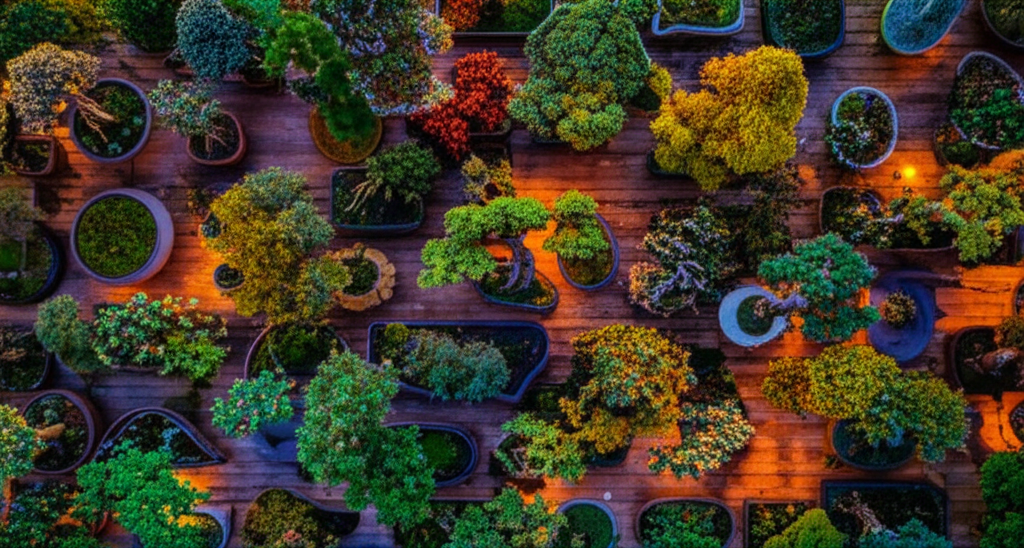
Remember, the needs of your bonsai will change over time, depending on the season, the weather, and the overall health of the tree. A bonsai that is thriving in the spring may require different care in the summer, and a bonsai that is recovering from a pruning may need extra attention. It’s important to be flexible and adaptable, and to adjust your care practices accordingly.
I’ve learned to pay close attention to the changing seasons and to anticipate the needs of my bonsai. In the spring, I focus on promoting new growth and providing adequate moisture. In the summer, I provide shade during the hottest part of the day and monitor for signs of pests and diseases. In the fall, I prepare my trees for winter by reducing watering and fertilizing. And in the winter, I protect them from frost and snow. This proactive approach helps me to keep my bonsai healthy and thriving throughout the year.
Troubleshooting: Common Bonsai Problems and Solutions
Even with the best care, your bonsai may occasionally encounter problems. Here are some common issues and potential solutions:
* Yellowing Leaves: Could indicate overwatering, underwatering, nutrient deficiency, or pest infestation. Check the soil moisture, examine the leaves for pests, and consider a soil test to determine nutrient levels.
* Drooping Leaves: Could indicate underwatering, root rot, or excessive heat. Check the soil moisture, ensure proper drainage, and provide shade during hot weather.
* Brown Spots on Leaves: Could indicate fungal infection or sunburn. Apply a fungicide or provide shade during the hottest part of the day.
* Stunted Growth: Could indicate root-bound conditions, nutrient deficiency, or pest infestation. Repot the tree, fertilize appropriately, and treat for pests.
* Root Rot: Could indicate overwatering or poor drainage. Repot the tree with fresh, well-draining soil and reduce watering frequency.
Remember, early detection and prompt action are crucial for resolving bonsai problems. Don’t hesitate to consult with a bonsai expert if you’re unsure how to proceed.
The Joy of Connection: More Than Just a Plant
For me, bonsai is more than just a hobby; it’s a connection to nature, a form of art, and a source of profound personal satisfaction. It’s a way to slow down, appreciate the beauty of the natural world, and cultivate a sense of patience and mindfulness. And the joy of seeing a bonsai thrive, of knowing that you’ve played a role in its health and well-being, is truly immeasurable.
I’ve found that bonsai has also taught me valuable lessons about life. It’s taught me the importance of patience, perseverance, and attention to detail. It’s taught me that even the smallest things can have a profound impact. And it’s taught me that beauty can be found in the most unexpected places.
Beyond the Basics: Continuing Your Bonsai Journey
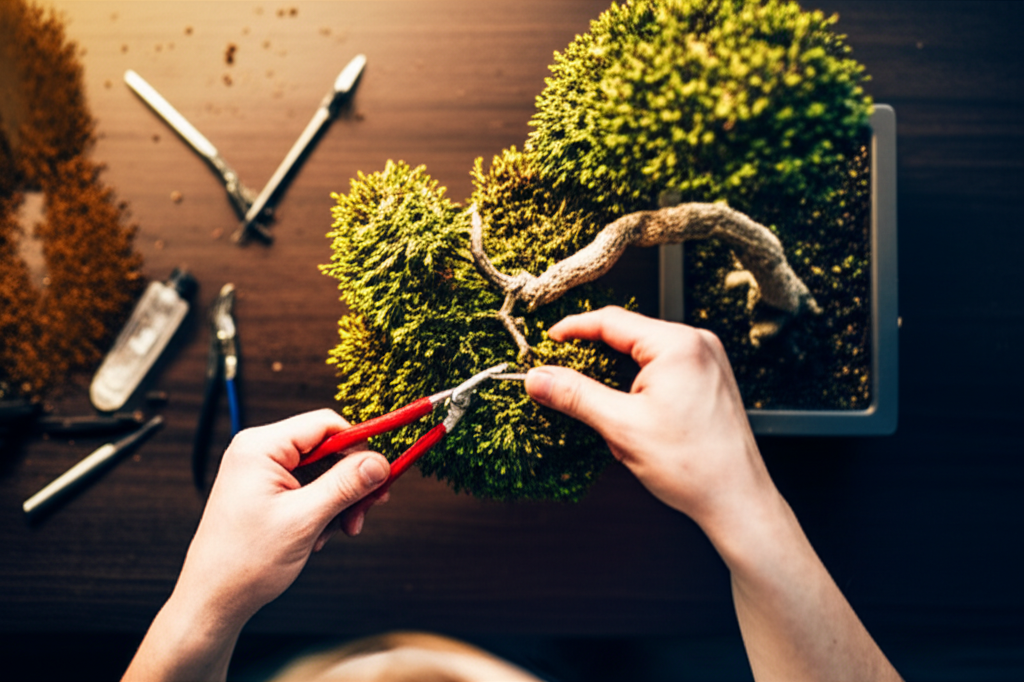
This is just the beginning of your bonsai journey. There’s always more to learn, more to discover, and more to appreciate. Continue to read books, attend workshops, and connect with other bonsai enthusiasts. Experiment with different techniques, try new styles, and don’t be afraid to make mistakes. The more you immerse yourself in the world of bonsai, the more you’ll learn and the more you’ll grow, both as a bonsai artist and as a person.
I encourage you to share your experiences, your successes, and your failures with others. The bonsai community is a supportive and welcoming group, and we’re always eager to learn from each other. Together, we can continue to advance the art of bonsai and share its beauty with the world.
So, the next time you look at your bonsai, take a moment to truly listen. Pay attention to the subtle cues, the silent language that it speaks. You might be surprised at what you discover. And remember, a happy bonsai is a testament to your dedication, your patience, and your love for nature. It’s a living work of art, a miniature reflection of the beauty and complexity of the natural world. Keep learning, keep observing, and keep growing alongside your bonsai. The journey is just beginning!
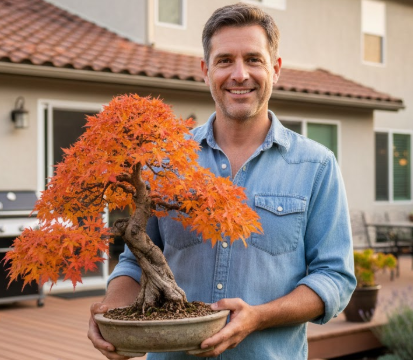
My name is Christopher Brown, I am 38 years old and I live in the United States. I am deeply passionate about the art of bonsai and have been cultivating trees for several years. What started as a simple curiosity turned into a daily practice and an important part of my life.
On this blog, I share my real experiences with bonsai — including what works, what doesn’t, and the lessons I learn along the way. I enjoy experimenting with techniques, observing the growth of each tree, and documenting the process with honesty and patience.
My goal with InfoWeHub is to help beginners feel more confident, avoid common mistakes, and discover the beauty of bonsai cultivation. If you are starting your journey or already love this art, you are welcome here.