
The Silent Killer: Neglecting This One Thing Almost Cost Me My Best Bonsai
For years, I considered myself a pretty seasoned bonsai enthusiast. Decades, in fact, have been dedicated to the art. I’d meticulously studied pruning techniques, obsessed over soil composition, and even dabbled in grafting. I’d nurtured countless little trees, each with its own quirks and personality. I thought I had it all figured out. But there was one glaring omission in my daily routine, a silent killer that almost cost me my prized juniper, a tree I had been shaping and caring for over 20 years. What was this fatal flaw? Overlooking the simple act of consistent, mindful observation.
It sounds almost too basic, doesn’t it? Observation. Something we do passively all the time. But passively glancing at your bonsai as you walk by is vastly different from actively observing it, paying close attention to the subtle signs it’s giving you. I learned this the hard way, and I’m here to share my experience so you don’t make the same mistake.
The Juniper’s Silent Scream
My juniper, affectionately nicknamed “Old Man Winter” because of its windswept appearance and silvery foliage, had been thriving. Or so I thought. I watered it regularly, fertilized it appropriately, and pruned it with what I believed was expert precision. I was so focused on the technical aspects of bonsai care that I failed to truly see my tree.
Then one day, I noticed a subtle browning of the needles on one of the lower branches. I dismissed it initially, attributing it to the natural shedding of older foliage. But the browning spread, and quickly. Within days, entire sections of the tree were turning yellow and brittle. Panic set in. Had I over-fertilized? Was it a fungal infection? I frantically researched online, trying to diagnose the problem. I treated for every possible ailment, but nothing seemed to work. Old Man Winter was fading fast, and I was at a loss.
It was during this desperate scramble that I realized my mistake. I hadn’t been paying attention. The signs had been there all along, subtle cues that I had missed because I was too busy following a routine, too caught up in the mechanics of bonsai care to actually connect with my tree.
The Power of Mindful Observation
What do I mean by “mindful observation”? It’s more than just a quick check to see if the soil is dry. It’s about engaging all your senses and truly connecting with your tree. It’s about noticing the slightest changes in color, texture, and growth patterns. It’s about understanding the language of your bonsai, the way it communicates its needs and struggles.
Beyond the Basics: What to Look For
Here’s a breakdown of what I learned to look for, and what I now incorporate into my daily observation routine:
Foliage: The Tell-Tale Sign
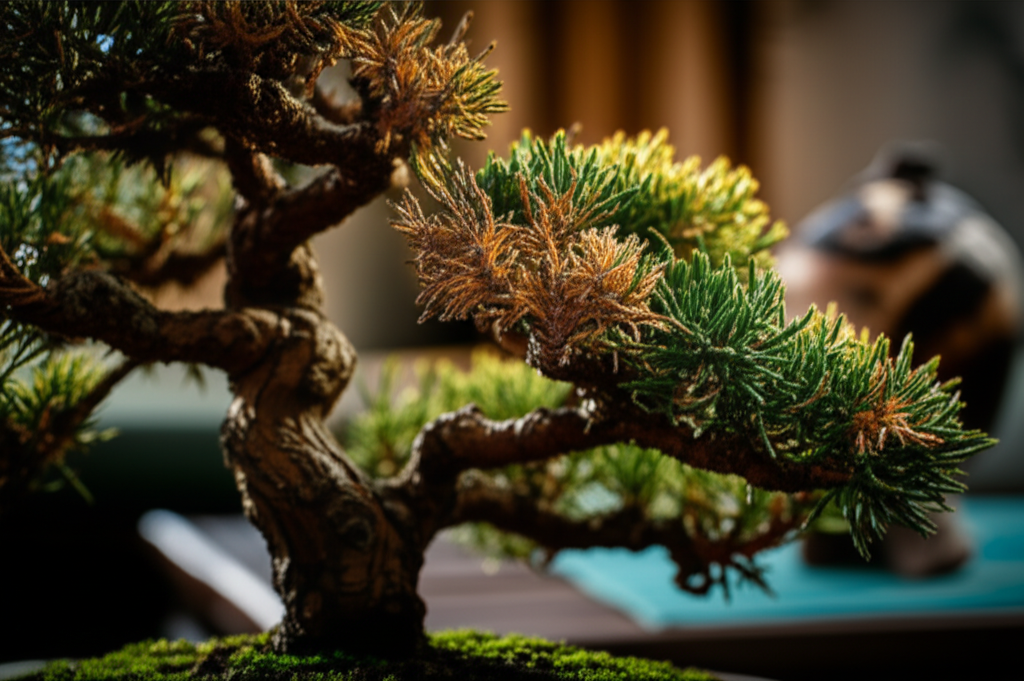
The foliage is often the first indicator of a problem. Look for changes in color (yellowing, browning, spotting), texture (brittle, drooping, wilting), and density (thinning, uneven growth). Are the new shoots vibrant and healthy, or are they stunted and weak? Remember, every species has its own natural variations, so get to know what “healthy” looks like for your specific tree.
In my juniper’s case, the subtle browning started slowly. I missed it because I wasn’t looking closely enough. I was focused on the overall shape and appearance, not the individual needles. If I had caught it earlier, I could have investigated the cause and taken action before it was too late.
Soil: The Root of the Matter
The soil is the lifeblood of your bonsai. Observe its surface. Is it consistently moist, or does it dry out quickly? Are there any signs of algae or mold growth? Is the soil compacted, preventing proper drainage? Pay attention to the color of the soil. A healthy soil should be dark and rich, not pale or sandy.
I also learned to check the drainage holes regularly. If water isn’t draining properly, it can lead to root rot, a common killer of bonsai trees. A simple visual inspection can save you a lot of heartache.
Branches and Trunk: Structure and Strength
Examine the branches and trunk for any signs of damage, such as cracks, wounds, or insect infestations. Look for unusual swelling or discoloration. Are the branches strong and pliable, or are they brittle and weak? Pay attention to the overall structure of the tree. Is it balanced and stable, or is it leaning to one side?
I once had a maple bonsai that developed a small crack in its trunk. I initially dismissed it as a minor imperfection, but it gradually widened and deepened. Eventually, it became a pathway for disease and insects, ultimately weakening the tree. Had I addressed the crack early on, I could have prevented further damage.
Roots: The Hidden Network
While you can’t see the roots directly without repotting, you can still glean valuable information from what you observe above ground. Weak growth, yellowing foliage, and poor drainage can all be signs of root problems. During repotting, carefully examine the roots for signs of rot, disease, or overcrowding. Trim any dead or diseased roots to encourage healthy growth.
Overwatering is a common cause of root rot. Bonsai pots, by their nature, restrict root growth, so it’s essential that they drain well. Standing water suffocates the roots, which leads to decay. I learned to only water when the topsoil felt dry to the touch.
Pests and Diseases: The Silent Invaders
Be vigilant in your search for pests and diseases. Look for signs of insect infestations, such as webbing, honeydew, or chewed leaves. Check for fungal diseases, such as powdery mildew or leaf spot. Early detection is crucial for preventing widespread damage.
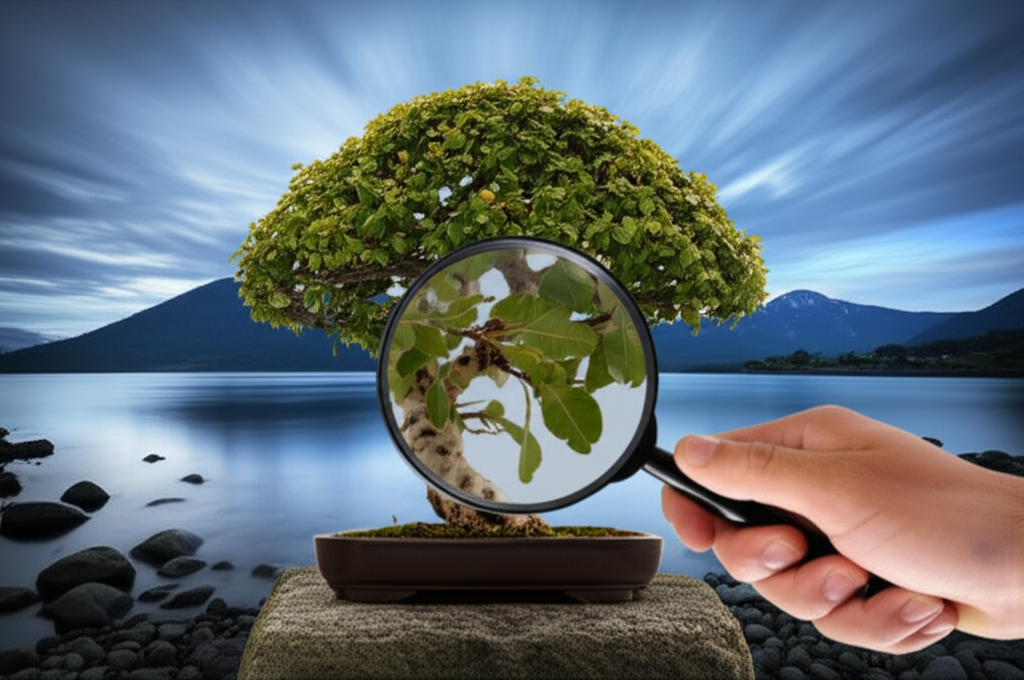
I now use a magnifying glass to inspect my trees for pests. It allows me to see even the smallest insects, such as spider mites, which can be difficult to detect with the naked eye. A regular application of neem oil can help prevent many pest and disease problems.
The Rescue Mission: Saving Old Man Winter
Once I realized the extent of my neglect, I knew I had to act fast to save Old Man Winter. I carefully removed the affected branches, making sure to sterilize my pruning shears between cuts to prevent the spread of any potential disease. I then repotted the tree, carefully examining the roots for signs of rot. Fortunately, the root system was still relatively healthy, but I did trim away a few damaged roots.
I also adjusted my watering schedule, making sure to allow the soil to dry out slightly between waterings. I applied a fungicide to protect the tree from further infection and placed it in a location with better air circulation.
The recovery was slow and gradual, but Old Man Winter slowly began to rebound. New growth emerged, and the remaining foliage regained its vibrant green color. It was a long and arduous process, but it taught me a valuable lesson about the importance of mindful observation.
The Long Road to Recovery
It took nearly a year for Old Man Winter to fully recover. During that time, I meticulously monitored its progress, paying close attention to every detail. I learned to anticipate its needs and respond accordingly. I developed a deeper connection with my tree, a bond that transcended the mere mechanics of bonsai care.
The near-death experience of Old Man Winter transformed my approach to bonsai. I went from being a technically proficient caretaker to a truly observant and empathetic guardian. I realized that bonsai is not just about shaping trees; it’s about nurturing a living being and understanding its unique language.
Incorporating Mindful Observation into Your Daily Routine
So, how can you incorporate mindful observation into your daily bonsai routine? Here are a few tips:
The Morning Ritual
Make it a habit to spend a few minutes each morning observing your bonsai. Take a slow, deliberate walk around your trees, paying attention to every detail. Use all your senses: look, touch, and even smell. Notice the subtle changes that have occurred since the previous day. This simple ritual can help you catch problems early on and prevent them from escalating.
I now start my day with a cup of coffee and a stroll through my bonsai garden. It’s a peaceful and meditative way to begin the day, and it allows me to connect with my trees on a deeper level.
The Weekly Deep Dive
Once a week, dedicate a longer period of time to a more in-depth observation. Use a magnifying glass to examine the foliage for pests and diseases. Check the soil for drainage and compaction. Inspect the branches and trunk for signs of damage. Take notes on your observations and track any changes over time. This weekly deep dive will give you a comprehensive understanding of the health and well-being of your bonsai.
I keep a bonsai journal where I record my observations. This allows me to track the progress of my trees and identify any potential problems early on. It’s also a valuable resource for learning about the specific needs of each species.
The Power of Photography
Take photos of your bonsai regularly. This can be a useful tool for tracking changes over time. Compare photos from different seasons to see how your trees are responding to the environment. Photos can also help you identify problems that you might otherwise miss.
I use my smartphone to take photos of my bonsai. It’s a quick and easy way to document their progress and identify any potential issues. I also share my photos with other bonsai enthusiasts online, which allows me to get feedback and advice from experienced growers.
Listen to Your Trees
This may sound a bit esoteric, but truly listen to your trees. Pay attention to their subtle cues and try to understand what they’re telling you. Are they thriving and vibrant, or are they struggling and stressed? Are they telling you they need more water, more sunlight, or more fertilizer? By learning to listen to your trees, you can become a more attentive and responsive caretaker.
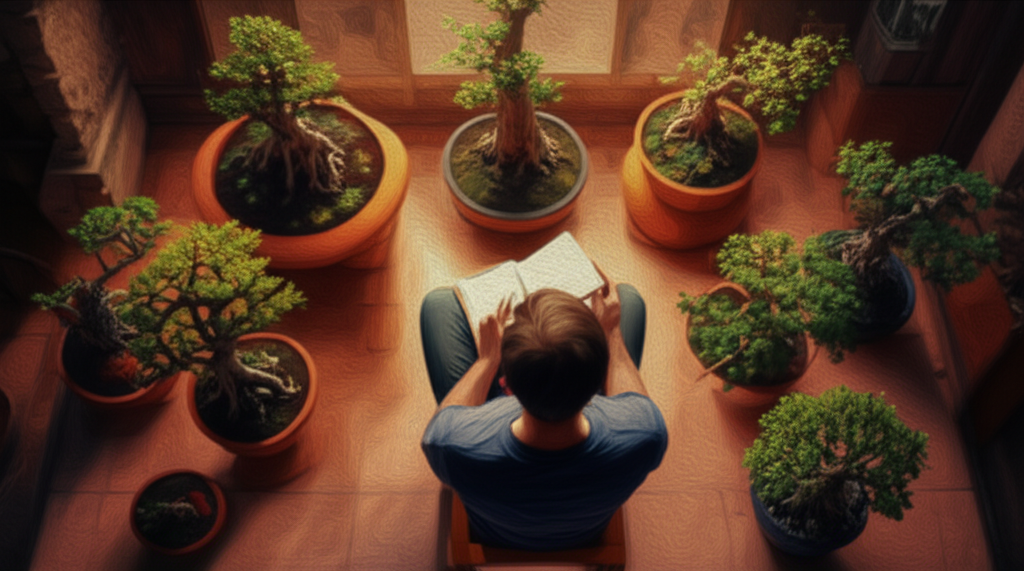
For me, “listening” means really spending time among my trees, feeling the soil, observing the light, and sensing the overall energy of the garden. It’s a form of meditation that allows me to connect with nature on a very personal level.
Beyond Survival: Thriving Through Observation
Mindful observation is not just about preventing problems; it’s also about promoting thriving. By understanding the unique needs of each of your bonsai trees, you can provide them with the optimal conditions for growth and development. You can fine-tune your watering schedule, adjust your fertilization regime, and strategically prune your trees to maximize their health and beauty.
The Art of Pruning: Guided by Observation
Pruning is an essential part of bonsai care, but it should be guided by careful observation. Before you pick up your pruning shears, take a step back and assess the overall shape and structure of your tree. Identify any branches that are crossing, rubbing, or growing in undesirable directions. Observe the growth patterns of the foliage. Are there any areas that are becoming too dense or too sparse? Use your observations to inform your pruning decisions, and always prune with a clear purpose in mind.
I used to prune my bonsai based on what I thought looked good. Now, I prune based on what the tree needs. I observe the growth patterns and prune to encourage healthy growth and maintain the desired shape.
The Science of Fertilizing: A Tailored Approach
Fertilizing is another crucial aspect of bonsai care, but it’s not a one-size-fits-all approach. Different species of bonsai have different nutrient requirements. Some trees prefer a high-nitrogen fertilizer, while others prefer a more balanced formula. Observe the foliage for signs of nutrient deficiencies, such as yellowing leaves or stunted growth. Adjust your fertilization regime accordingly.
I now use different fertilizers for different trees, based on their specific needs. I also monitor the pH of the soil to ensure that the nutrients are being properly absorbed. A little bit of knowledge and observation can go a long way in ensuring the health of your bonsai.
The Dance of Watering: Responding to the Environment
Watering is perhaps the most critical aspect of bonsai care. Overwatering can lead to root rot, while underwatering can cause dehydration and death. Observe the soil moisture levels carefully and adjust your watering schedule based on the weather conditions and the specific needs of your trees. A well-draining soil is essential for preventing overwatering.
I use a moisture meter to check the soil moisture levels of my bonsai. This helps me to avoid overwatering or underwatering. I also pay attention to the weather forecast and adjust my watering schedule accordingly. On hot, sunny days, I water more frequently than on cool, cloudy days.
The Enduring Lesson: Patience and Presence
The experience with Old Man Winter taught me more than just the importance of mindful observation. It also taught me the value of patience and presence. Bonsai is not a quick fix; it’s a long-term commitment. It requires patience, dedication, and a willingness to learn. It also requires presence, the ability to be fully engaged in the moment and to appreciate the beauty and complexity of nature.
The art of bonsai has taught me to slow down, to appreciate the simple things in life, and to be more present in the moment. It’s a reminder that beauty takes time, and that the most rewarding experiences are often the ones that require the most patience and dedication.

So, take a moment today to truly observe your bonsai. Connect with it, listen to it, and learn from it. You might be surprised at what you discover. And remember, the biggest daily mistake you can make with your bonsai is simply not paying attention. It’s a lesson I learned the hard way, but one that has transformed my approach to bonsai and enriched my life in countless ways. Now, more than ever, I understand that caring for a bonsai is not just about technique, but about fostering a deep connection with nature and allowing myself to be present in the delicate dance of life.
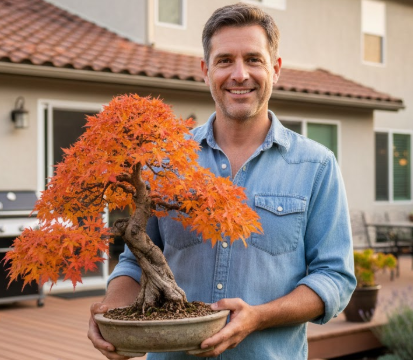
My name is Christopher Brown, I am 38 years old and I live in the United States. I am deeply passionate about the art of bonsai and have been cultivating trees for several years. What started as a simple curiosity turned into a daily practice and an important part of my life.
On this blog, I share my real experiences with bonsai — including what works, what doesn’t, and the lessons I learn along the way. I enjoy experimenting with techniques, observing the growth of each tree, and documenting the process with honesty and patience.
My goal with InfoWeHub is to help beginners feel more confident, avoid common mistakes, and discover the beauty of bonsai cultivation. If you are starting your journey or already love this art, you are welcome here.