
The Silent Killer: Overwatering Disguised as Thirst
For years, I’ve nurtured bonsai, each tiny tree a testament to patience and a living canvas for artistic expression. But the path hasn’t been without its stumbles, and one mistake, in particular, continues to haunt me – the confusion between thirst and overwatering. It’s a silent killer, deceptively masked, and I’ve seen it claim more than a few of my beloved trees. Have you ever looked at your bonsai, seen its leaves drooping, felt the soil surface dry, and immediately reached for the watering can? I know I have, countless times, only to realize later that I was exacerbating the problem, not solving it.
The irony isn’t lost on me. We, as bonsai enthusiasts, dedicate ourselves to understanding the intricate needs of these miniature trees. We study soil composition, nutrient requirements, and the nuances of pruning and shaping. Yet, this seemingly simple act – watering – can become a source of profound misunderstanding. Why is it so easy to misinterpret the signs, and how can we learn to differentiate between true thirst and the symptoms of a waterlogged root system? Let’s delve into the heart of this issue, drawing from my own trials and errors, so you can avoid the heartbreak of losing a tree to this common, yet preventable, mistake.
Decoding the Signals: Are Your Bonsai Really Thirsty?
The first step in avoiding the overwatering trap is learning to accurately interpret the signals your bonsai is sending. Drooping leaves, yellowing foliage, and even a dry soil surface can all be misleading. These symptoms can indicate underwatering, yes, but they are equally indicative of a root system struggling to breathe in overly saturated soil. The key is to look beyond the surface and consider the overall health and environment of your tree.
The Dry Soil Surface Deception
Let’s start with the most common culprit: a dry soil surface. We are conditioned to associate dryness with a need for water, and naturally, we react accordingly. However, the surface layer of soil can dry out relatively quickly, especially in well-draining bonsai soil mixes, while the deeper layers remain saturated. This creates a false impression of thirst. I remember one particularly hot summer where I religiously watered my Japanese maple every evening because the topsoil felt bone dry. Within a few weeks, the leaves started to yellow and drop. I was devastated, convinced I had let it dry out completely. It wasn’t until I carefully examined the roots that I discovered the truth: they were rotting from being constantly waterlogged. The surface was dry, but the depths were drowning.
The Tell-Tale Signs of Overwatering
So, how do you tell the difference? Pay close attention to the leaves. With underwatering, the leaves will typically become dry and brittle, often starting at the tips and edges. They might also feel papery to the touch. Overwatered leaves, on the other hand, tend to be soft, limp, and often discolored. Yellowing is a common symptom, but you might also see brown spots or a general dullness in the foliage. Another crucial indicator is the presence of edema, small blisters or bumps on the underside of the leaves caused by the plant cells bursting from excess water pressure. Edema is a clear sign that your bonsai is struggling to cope with the amount of moisture it’s receiving.
Beyond the leaves, examine the soil itself. Is it constantly damp and compacted, even several days after watering? Does it have a musty, unpleasant odor? These are all signs of poor drainage and a build-up of anaerobic bacteria, which thrive in oxygen-deprived environments. Healthy bonsai soil should drain quickly and freely, allowing air to circulate around the roots. Finally, take a look at the roots themselves. Healthy roots are typically firm and light in color, often white or tan. Overwatered roots will be dark, mushy, and easily break apart. They might also have a foul smell.
The Chopstick Test: A Simple Solution
One simple technique I’ve found incredibly helpful is the “chopstick test.” Insert a wooden chopstick or bamboo skewer deep into the soil, all the way to the bottom of the pot. Leave it there for a few minutes, then pull it out. If the chopstick comes out clean and dry, the soil is dry enough to warrant watering. If it comes out damp or with soil clinging to it, the soil is still moist and doesn’t need more water. I use this method religiously, especially during the cooler months when evaporation rates are lower.
Understanding the Root Cause: Why Overwatering Happens
Identifying the symptoms of overwatering is only half the battle. To truly prevent it, we need to understand the underlying causes. Overwatering isn’t just about pouring too much water into the pot; it’s about creating an environment where the roots are constantly deprived of oxygen.
The Importance of Well-Draining Soil
The foundation of a healthy bonsai is well-draining soil. Bonsai soil isn’t like ordinary garden soil; it’s a carefully formulated mix of aggregates designed to provide excellent drainage and aeration. Typical components include akadama (baked clay granules), pumice, lava rock, and sometimes a small amount of organic matter like peat moss or compost. The exact ratio of these components will vary depending on the species of bonsai and the climate, but the key principle remains the same: the soil must allow water to flow through it quickly, preventing the roots from sitting in standing water.
I once tried to save a few dollars by using regular potting soil for my bonsai. It was a disaster. The soil compacted quickly, retained too much moisture, and within weeks, my trees started showing signs of distress. I learned my lesson the hard way: investing in high-quality bonsai soil is essential for the health and longevity of your trees. Don’t skimp on this crucial element.
The Potting Container Conundrum
The choice of pot also plays a significant role in drainage. Bonsai pots are typically shallow and have drainage holes in the bottom. These features are designed to facilitate rapid water drainage and prevent the soil from becoming waterlogged. Make sure your pot has adequate drainage holes and that they are not blocked by soil or debris. If you’re using a pot without drainage holes (which I strongly advise against), you’re essentially creating a miniature swamp for your bonsai’s roots.
Environmental Factors and Watering Frequency
Watering frequency should be adjusted based on environmental factors such as temperature, humidity, and sunlight exposure. During hot, dry weather, your bonsai will need to be watered more frequently than during cool, cloudy weather. Similarly, trees kept outdoors will generally require more water than those kept indoors. It’s crucial to observe your trees closely and adjust your watering schedule accordingly. Don’t rely on a fixed schedule; let the needs of your trees guide your actions.
I live in a region with distinct seasons, and my watering routine changes dramatically throughout the year. In the summer, I might water my trees daily, or even twice a day during heat waves. In the winter, I might only water them once a week, or even less frequently. The key is to be flexible and responsive to the changing conditions.

The Recovery Process: Rescuing an Overwatered Bonsai
If you suspect that your bonsai is suffering from overwatering, don’t despair. With prompt action and careful attention, you can often save the tree. The first step is to stop watering immediately. Allow the soil to dry out completely before watering again. This might take several days, or even a week or more, depending on the severity of the problem and the environmental conditions.
Repotting: A Critical Intervention
In severe cases of overwatering, repotting may be necessary. This involves removing the tree from its pot, carefully removing the old, waterlogged soil from around the roots, and repotting it in fresh, well-draining soil. When repotting, be sure to inspect the roots for signs of rot. Remove any damaged or diseased roots with a clean, sharp pair of scissors or pruning shears. This will help to prevent the spread of infection and promote new root growth.
Repotting is a stressful process for bonsai, so it’s important to do it carefully and at the right time of year. The best time to repot most bonsai species is in the spring, just before the start of the growing season. This gives the tree ample time to recover and establish new roots before the onset of summer heat.
Improving Drainage and Aeration
While the tree is recovering, take steps to improve drainage and aeration around the root zone. This might involve aerating the soil with a chopstick or skewer, or placing the pot on a raised surface to improve air circulation. You can also consider using a soil amendment like perlite or vermiculite to improve drainage.
Fungicides: A Last Resort
In some cases, overwatering can lead to fungal infections in the roots. If you suspect a fungal infection, you can treat the tree with a fungicide. However, fungicides should be used sparingly and only as a last resort. They can be harsh on the tree and can also harm beneficial microorganisms in the soil. Always follow the instructions on the fungicide label carefully.
I once had a juniper bonsai that developed a severe fungal infection after being overwatered. I tried everything I could to save it, but ultimately, I had to resort to using a fungicide. It was a difficult decision, but it was the only way to prevent the infection from spreading and killing the tree. Thankfully, the fungicide worked, and the tree eventually recovered, but it was a close call.

Long-Term Prevention: Cultivating Healthy Watering Habits
Preventing overwatering is an ongoing process that requires vigilance and a deep understanding of your bonsai’s needs. It’s not about following a rigid set of rules; it’s about developing healthy watering habits that are tailored to your specific trees and environment.
Observe, Observe, Observe
The most important thing you can do is to observe your bonsai closely and learn to recognize the subtle signs of distress. Pay attention to the color and texture of the leaves, the moisture content of the soil, and the overall health of the tree. The more you observe your trees, the better you will become at anticipating their needs and preventing problems before they arise.
Water Deeply, But Infrequently
When you do water, water deeply and thoroughly, ensuring that the entire root ball is saturated. Water until water drains freely from the drainage holes in the bottom of the pot. This will help to flush out any accumulated salts and toxins and promote healthy root growth. However, don’t water again until the soil has had a chance to dry out somewhat. Allow the top inch or two of soil to dry out before watering again.
Embrace the Learning Process
Bonsai is a journey of continuous learning. There will be times when you make mistakes, and that’s okay. The important thing is to learn from your mistakes and keep striving to improve your skills. Don’t be afraid to experiment and try new things. The more you experiment, the more you will learn about your trees and their unique needs.
I’ve lost count of the number of times I’ve made mistakes with my bonsai. I’ve overwatered them, underwatered them, over-fertilized them, and under-fertilized them. But each mistake has been a valuable learning experience. And through those experiences, I’ve developed a deeper understanding of these amazing trees and their resilience.
Trust Your Instincts (But Verify!)
Over time, you’ll develop a sense of intuition about your bonsai’s needs. You’ll be able to look at a tree and instinctively know whether it needs water or not. However, it’s important to verify your instincts with objective measures, such as the chopstick test or by feeling the soil. Don’t rely solely on your intuition; always back it up with evidence.

The Art of Balance: Finding the Perfect Watering Rhythm
Watering bonsai is an art, a delicate dance between providing enough moisture to sustain life and avoiding the suffocating embrace of overwatering. It’s a skill that takes time and practice to master, but it’s a skill that is well worth the effort. By understanding the signals your bonsai is sending, by creating a healthy growing environment, and by cultivating mindful watering habits, you can ensure that your trees thrive for many years to come. Remember, the confusion between thirst and overwatering is a common pitfall, but with knowledge and dedication, you can navigate this challenge and create a beautiful and thriving bonsai collection. It’s a journey of continuous learning, filled with both triumphs and setbacks. But the reward – a living work of art that embodies patience, skill, and a deep connection with nature – is immeasurable. And that, my friends, is what makes the art of bonsai so rewarding.
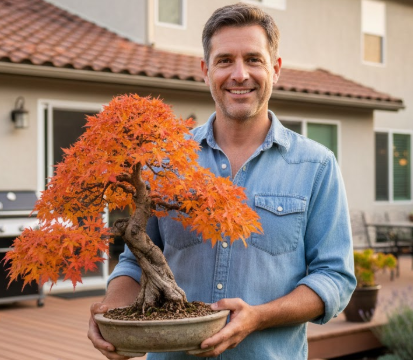
My name is Christopher Brown, I am 38 years old and I live in the United States. I am deeply passionate about the art of bonsai and have been cultivating trees for several years. What started as a simple curiosity turned into a daily practice and an important part of my life.
On this blog, I share my real experiences with bonsai — including what works, what doesn’t, and the lessons I learn along the way. I enjoy experimenting with techniques, observing the growth of each tree, and documenting the process with honesty and patience.
My goal with InfoWeHub is to help beginners feel more confident, avoid common mistakes, and discover the beauty of bonsai cultivation. If you are starting your journey or already love this art, you are welcome here.