
The Fateful Day: A Bonsai Tragedy in the Making
I’ve been cultivating bonsai for over thirty years now. It’s more than a hobby; it’s a meditation, a conversation with nature, a living sculpture that evolves with time and patience. I’ve weathered countless seasons, battled pests, and even nursed a few trees back from the brink of death. But there’s one incident, one glaring mistake etched in my memory, that still makes me cringe: the day I almost killed my prized juniper with kindness – or, rather, with an excess of fertilizer.
It was a spring morning, full of promise and the fresh scent of blooming azaleas. My junipers were just starting to push out new growth, a vibrant green against the older, darker foliage. I felt a surge of excitement, a desire to nurture their vigor and encourage even more growth. Looking back, that’s where my good intentions went terribly wrong. I thought, “A little extra fertilizer will really give them a boost!” Oh, how wrong I was.
I had been using a balanced liquid fertilizer, diluted as per the instructions, for years. But on that day, blinded by my enthusiasm, I decided to double the concentration. “More is better,” I foolishly thought. I carefully watered each of my junipers, paying special attention to my oldest and most beloved specimen, a gnarled and ancient-looking tree I had been training for nearly two decades. It was a masterpiece, or so I thought, until my impulsive decision nearly turned it into compost.
The Silent Warning Signs
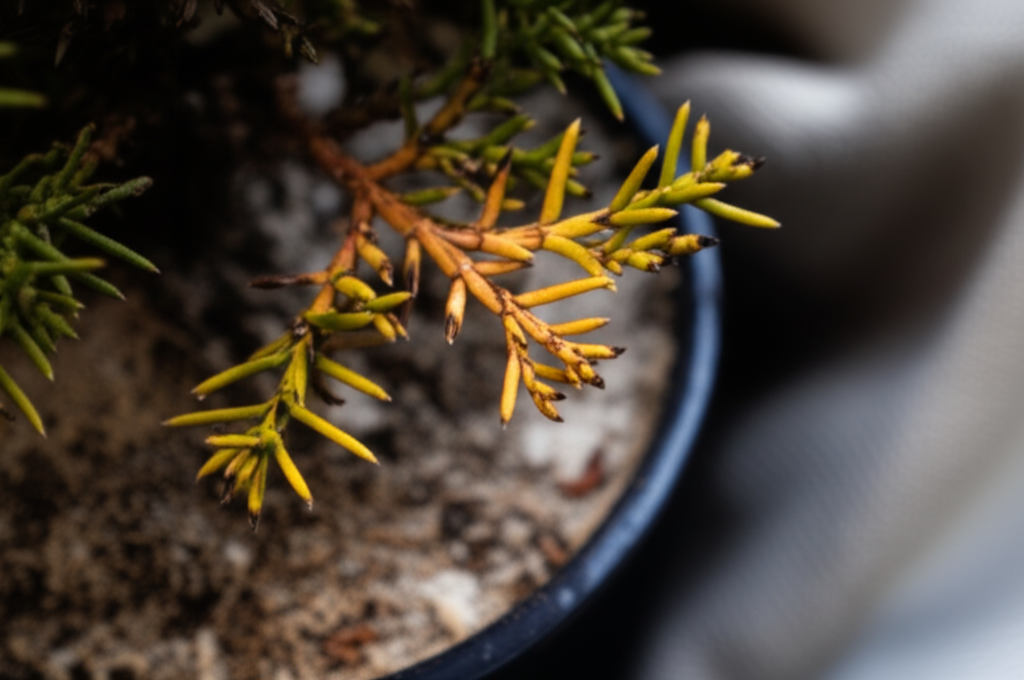
At first, everything seemed fine. The trees drank up the nutrient-rich water, and I felt a sense of satisfaction, convinced I had done something beneficial. But within a few days, subtle yet disturbing changes began to appear. The vibrant green tips of the new growth started to turn a sickly yellow. Then, the needles began to brown and crisp at the edges. The soil, usually a healthy dark brown, developed a white, crusty residue on the surface. It was then, with a sinking feeling in my stomach, that I realized what I had done.
Over-fertilization. Fertilizer burn. Call it what you will, it was a clear sign of distress. I had overloaded the soil with salts, effectively poisoning my precious trees. The high concentration of nutrients had disrupted the delicate balance of the soil, drawing moisture away from the roots instead of allowing them to absorb it. In essence, I was slowly dehydrating my junipers from the inside out.
The most disheartening part was seeing the effect on my prized juniper. The browning was more pronounced, and some of the older branches were starting to droop. It looked weak, tired, and utterly miserable. I felt a wave of guilt wash over me, a deep sense of responsibility for the damage I had inflicted. My desire to help had backfired spectacularly, and I had put years of careful work at risk.
The Emergency Response: Damage Control
Panic threatened to overwhelm me, but I knew I had to act quickly. I couldn’t afford to waste time lamenting my mistake; my trees’ lives depended on it. I immediately started researching solutions, scouring bonsai forums and consulting with other experienced growers. The consensus was clear: I needed to leach the soil to remove the excess fertilizer.
Leaching involves thoroughly flushing the soil with water, allowing it to drain freely. This process helps to dissolve and wash away the accumulated salts and restore the soil’s balance. I carefully placed each of my affected junipers in a large sink and slowly poured water over the soil, allowing it to drain out the bottom. I repeated this process several times for each tree, ensuring that the water ran clear before stopping.
The Importance of Well-Draining Soil
One of the key factors that helped my trees survive the ordeal was the quality of the soil mix I used. Bonsai soil needs to be well-draining to prevent waterlogging and allow for proper aeration. My mix consisted of akadama (a type of baked clay granules), pumice, and lava rock, all of which have excellent drainage properties. This allowed the excess fertilizer to be flushed out more easily, minimizing the damage to the roots.
If I had been using a heavy, poorly draining soil, the fertilizer salts would have remained trapped around the roots for longer, causing even more severe damage. This incident reinforced the importance of using a well-suited soil mix for bonsai cultivation, one that promotes healthy root growth and prevents the buildup of harmful substances.
The Long Road to Recovery
After leaching the soil, I moved the junipers to a shaded area, away from direct sunlight, to reduce stress and prevent further damage. I also withheld fertilizer for several weeks, allowing the trees to recover and rebuild their strength. During this time, I carefully monitored their progress, watching for any signs of improvement or further decline.
It was a slow and agonizing process. The damaged needles remained brown and unsightly, and the trees looked weak and vulnerable. I constantly questioned whether I had done enough, whether they would ever fully recover. But I refused to give up hope. I continued to provide them with the best possible care, watering them regularly and protecting them from extreme temperatures.
Gradually, over the course of several months, I began to see signs of improvement. New green shoots emerged from the damaged branches, a testament to the resilience of nature. The trees slowly regained their vigor, and the browning needles eventually fell off, replaced by healthy new growth. It was a long and arduous journey, but ultimately, it was a success.
Lessons Learned: A Humbling Experience
The over-fertilization incident was a painful but invaluable lesson. It taught me the importance of moderation, the dangers of complacency, and the need to respect the delicate balance of nature. It also reinforced several key principles of bonsai cultivation that I had perhaps taken for granted.
Less is More: The Art of Restraint
One of the most important lessons I learned was that “less is more” when it comes to fertilizing bonsai. These trees are grown in small containers with limited root space, making them particularly susceptible to over-fertilization. A small amount of balanced fertilizer, applied at the right time, is all they need to thrive. Overdoing it can have devastating consequences.
It’s tempting to think that more fertilizer will lead to faster growth and more vigorous foliage. But in reality, it can weaken the tree, making it more vulnerable to pests and diseases. It’s better to err on the side of caution and under-fertilize than to risk overdoing it. You can always add more fertilizer later if needed, but you can’t take it away once it’s been applied.
Observation is Key: Understanding Your Trees
Another crucial lesson I learned was the importance of careful observation. Bonsai trees are living organisms, and they communicate their needs through subtle changes in their appearance. It’s essential to pay attention to these signals and respond accordingly. In my case, I missed the early warning signs of over-fertilization, which allowed the problem to escalate. Had I been more observant, I could have intervened sooner and prevented much of the damage.
Regularly inspect your trees for any signs of stress, such as yellowing or browning leaves, stunted growth, or pest infestations. Check the soil moisture levels and adjust your watering accordingly. Learn to recognize the specific needs of each species and tailor your care accordingly. By paying close attention to your trees, you can anticipate problems before they become serious and ensure their long-term health and vitality.
Patience and Perseverance: The Bonsai Mindset
Bonsai cultivation requires patience, perseverance, and a willingness to learn from your mistakes. There will be setbacks along the way, times when you feel like giving up. But it’s important to remember that bonsai is a long-term endeavor, a journey of continuous learning and growth. Don’t be discouraged by failures; use them as opportunities to improve your skills and deepen your understanding of these remarkable trees.
The over-fertilization incident taught me the value of resilience, both in myself and in my trees. It showed me that even the most devastating mistakes can be overcome with persistence and dedication. And it reinforced my love and respect for the art of bonsai, a practice that challenges us to connect with nature, cultivate patience, and appreciate the beauty of imperfection.
The Juniper Today: A Symbol of Resilience
Years have passed since that fateful day. My prized juniper, the one I almost killed with kindness, is now thriving. It’s stronger and more beautiful than ever before, a testament to its resilience and my renewed commitment to responsible bonsai care. The scars of the over-fertilization incident are still visible, but they serve as a reminder of the lessons I learned and the importance of humility in the face of nature.
Whenever I look at that tree, I’m reminded of the power of patience, the importance of observation, and the delicate balance that exists between human intervention and natural processes. It’s a living symbol of resilience, a reminder that even after enduring hardship, life can flourish and beauty can prevail.
Preventing Future Mistakes: Best Practices
To prevent repeating my past mistakes, I’ve adopted a more disciplined and cautious approach to fertilizing my bonsai. I now use a slow-release granular fertilizer, which provides a steady supply of nutrients over a longer period, reducing the risk of over-fertilization. I also dilute liquid fertilizers to half the recommended strength and apply them less frequently.
I also regularly monitor the pH of my soil and adjust it as needed. The optimal pH range for most bonsai species is between 6.0 and 7.0. Soil that is too acidic or too alkaline can interfere with nutrient uptake and harm the roots. You can test the pH of your soil using a simple soil testing kit, available at most garden centers.
Finally, I’ve learned to trust my intuition and rely on my years of experience. I no longer blindly follow instructions or succumb to the temptation to over-fertilize. Instead, I carefully observe my trees, listen to their needs, and adjust my care accordingly. This individualized approach has proven to be far more effective than any rigid set of rules.
Sharing the Knowledge: Educating Others
One of the reasons I share my bonsai journey is to help others avoid the same mistakes I’ve made. There’s a wealth of information available online and in books, but it can be overwhelming and confusing, especially for beginners. I try to distill my experiences into practical, easy-to-understand advice that can help others succeed in their own bonsai endeavors.
I believe that education is key to responsible bonsai cultivation. By sharing our knowledge and experiences, we can help to promote a more sustainable and ethical approach to this ancient art form. We can also inspire others to connect with nature, cultivate patience, and appreciate the beauty of the natural world.
The Enduring Allure of Bonsai
Bonsai is more than just a horticultural technique; it’s a philosophy, a way of life. It teaches us the importance of patience, perseverance, and respect for nature. It challenges us to connect with the natural world on a deeper level and to appreciate the beauty of imperfection.
The over-fertilization incident was a humbling experience, but it ultimately strengthened my bond with my bonsai trees. It taught me valuable lessons about moderation, observation, and the importance of responsible care. And it reinforced my belief that even after enduring hardship, life can flourish and beauty can prevail. So, the next time you’re tempted to give your bonsai a little “extra” love, remember my story and resist the urge. Your trees will thank you for it.
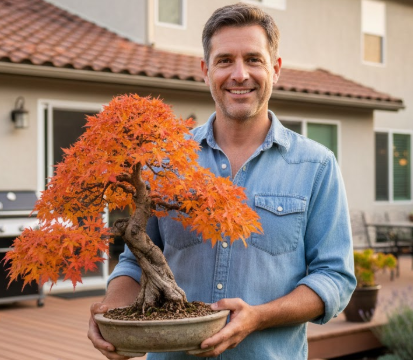
My name is Christopher Brown, I am 38 years old and I live in the United States. I am deeply passionate about the art of bonsai and have been cultivating trees for several years. What started as a simple curiosity turned into a daily practice and an important part of my life.
On this blog, I share my real experiences with bonsai — including what works, what doesn’t, and the lessons I learn along the way. I enjoy experimenting with techniques, observing the growth of each tree, and documenting the process with honesty and patience.
My goal with InfoWeHub is to help beginners feel more confident, avoid common mistakes, and discover the beauty of bonsai cultivation. If you are starting your journey or already love this art, you are welcome here.