
The Silent Killer: Pruning at the Wrong Time
There’s a saying in the bonsai world that resonates deeply with me: “Patience is the gardener’s virtue.” But patience alone isn’t enough. Knowing when to act is just as crucial as knowing how. And that’s where the mistake of pruning at the wrong time of year comes in. It’s a mistake I’ve made more than once, and each time, it’s been a painful lesson etched into the very branches of my beloved trees. I’m Christopher Brown, and for decades, I’ve immersed myself in the art of bonsai, learning from my successes and, perhaps even more importantly, from my failures. I’m here to share those lessons with you, hoping to save you from the heartbreak of seeing your meticulously crafted bonsai suffer.
Pruning, in essence, is surgery for your bonsai. It’s a necessary procedure to maintain its shape, encourage growth, and remove dead or diseased branches. But like any surgery, the timing is critical. Perform it at the wrong time, and instead of healing and thriving, your tree could weaken, become susceptible to disease, or even die. Think of it like this: you wouldn’t schedule a major surgery for yourself right before a marathon, would you? Your body needs time to recover and rebuild. The same principle applies to your bonsai.
Understanding the Tree’s Cycle
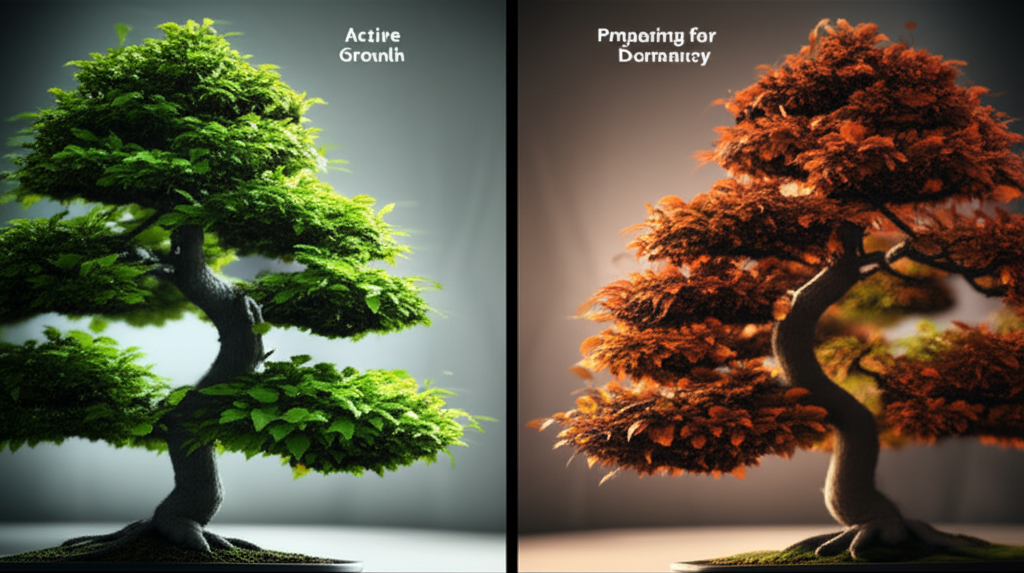
To understand why timing is so crucial, you need to understand the natural cycles of your trees. Bonsai, after all, are not artificial creations. They are living beings that follow the rhythms of the seasons. During the growing season, which typically spans spring and summer, trees are actively producing energy through photosynthesis. They’re pushing out new growth, strengthening their branches, and storing reserves for the leaner months ahead. Pruning during this period, while sometimes necessary for shaping, should be done with careful consideration.
Then comes autumn, a time of transition. The days shorten, the temperatures drop, and the tree begins to prepare for winter dormancy. It slows down its growth, draws nutrients back into its roots and trunk, and hardens off new growth to protect it from the cold. Pruning at this stage can disrupt this vital process, leaving the tree vulnerable to winter damage. Imagine trying to winterize your home while simultaneously dismantling its roof – you’re essentially setting yourself up for disaster.
Finally, there’s winter dormancy, a period of rest and recuperation. The tree’s metabolism slows to a crawl, and it conserves energy to survive the harsh conditions. Pruning during deep dormancy, while generally considered safer than pruning in autumn, still has its risks. Any open wounds are slow to heal, leaving the tree susceptible to fungal infections or pest infestations. It’s like trying to perform surgery on someone who’s already in a weakened state – their ability to recover is significantly compromised.
The Consequences of Mistimed Pruning
I remember one particularly harsh lesson involving a beautiful Japanese maple bonsai I had been cultivating for years. It was late autumn, and I was eager to give it a final shaping before winter set in. I thought I was being meticulous, carefully removing only a few branches to improve its overall form. But I was wrong. The tree had already begun its preparations for dormancy, and my pruning disrupted this crucial process. That winter, the maple suffered dieback on several branches, and it took years for it to fully recover. It was a painful reminder that even the most experienced bonsai enthusiasts can make mistakes, and that timing is everything.
What are the specific consequences of pruning at the wrong time? Let’s break it down:
Weakened Growth
Pruning during active growth (spring/summer), while sometimes necessary for shaping, can temporarily weaken the tree. Every cut you make removes photosynthetic capacity, reducing the tree’s ability to produce energy. While a healthy tree can typically recover quickly, excessive or poorly timed pruning can stunt its growth and leave it more susceptible to pests and diseases.
Increased Susceptibility to Disease
Open wounds from pruning are entry points for pathogens. Fungi, bacteria, and viruses can all invade the tree through these wounds, causing infections that can weaken or even kill it. Pruning during periods of high humidity or rainfall increases the risk of infection, as these conditions favor the growth and spread of pathogens.
Dieback and Branch Loss
Pruning too late in the autumn, as I learned with my Japanese maple, can lead to dieback. The tree is already drawing nutrients back into its core, and removing branches at this stage can disrupt this process, causing the remaining branch tips to die. In severe cases, entire branches can be lost.
Reduced Vigor and Lifespan
Repeatedly pruning at the wrong time can significantly reduce the tree’s overall vigor and lifespan. The constant stress of recovering from mistimed pruning weakens the tree, making it more vulnerable to environmental stresses, pests, and diseases. Over time, this can lead to a gradual decline in health and eventual death.
The Right Time to Prune: A Seasonal Guide
So, when is the right time to prune? The answer depends on several factors, including the species of tree, its overall health, and your local climate. However, here’s a general guideline based on the seasons:
Late Winter/Early Spring (Before Bud Break)
This is generally considered the ideal time for major structural pruning. The tree is dormant, so the risk of disease is low, and the wounds will have plenty of time to heal before the growing season begins. Pruning at this time also allows you to clearly see the tree’s branch structure, making it easier to make informed decisions about which branches to remove. This is the time to remove any dead, damaged, or diseased branches, as well as any branches that are crossing or rubbing against each other.
Think of it as giving the tree a clean slate before it embarks on a new year of growth. You’re setting the stage for healthy and vigorous development.
Spring/Summer (During Active Growth)
During the growing season, pruning should be limited to maintenance and shaping. Pinch back new growth to encourage branching and maintain the desired silhouette. Remove any water sprouts (vigorous, upright shoots that grow from the trunk or branches) as they appear. You can also selectively remove leaves to improve light penetration and air circulation within the canopy.
Be mindful not to remove too much foliage at once, as this can weaken the tree. Focus on small, incremental adjustments rather than drastic transformations. Think of it as fine-tuning rather than major surgery.
Autumn
Avoid major pruning in autumn. The tree is preparing for dormancy, and pruning at this stage can disrupt this process. If necessary, you can remove dead or diseased branches, but do so with caution. Seal any large wounds with pruning sealant to prevent infection.
The general rule of thumb is: if in doubt, don’t prune. It’s better to wait until late winter or early spring to make any significant changes.
Beyond the Seasons: Other Factors to Consider
While the seasonal guide provides a helpful framework, there are other factors to consider when deciding when to prune your bonsai:
The Species of Tree
Different species of trees have different growth habits and dormancy periods. Some species, like junipers, can be pruned year-round, while others, like maples, are more sensitive to pruning at certain times of the year. Research the specific needs of your tree species to determine the optimal pruning schedule.
The Health of the Tree
A healthy tree is better able to tolerate pruning than a stressed or weakened tree. If your tree is suffering from pests, diseases, or nutrient deficiencies, address these issues before pruning. Pruning a stressed tree can further weaken it and make it more susceptible to problems.
Your Local Climate
Your local climate can significantly impact the timing of pruning. In colder climates, the growing season is shorter, and the dormant period is longer. In warmer climates, the growing season is longer, and the dormant period may be less defined. Adjust your pruning schedule accordingly.
Tools of the Trade and Proper Techniques
Having the right tools and using proper techniques are essential for successful pruning. Here are some key considerations:
Sharp and Clean Tools
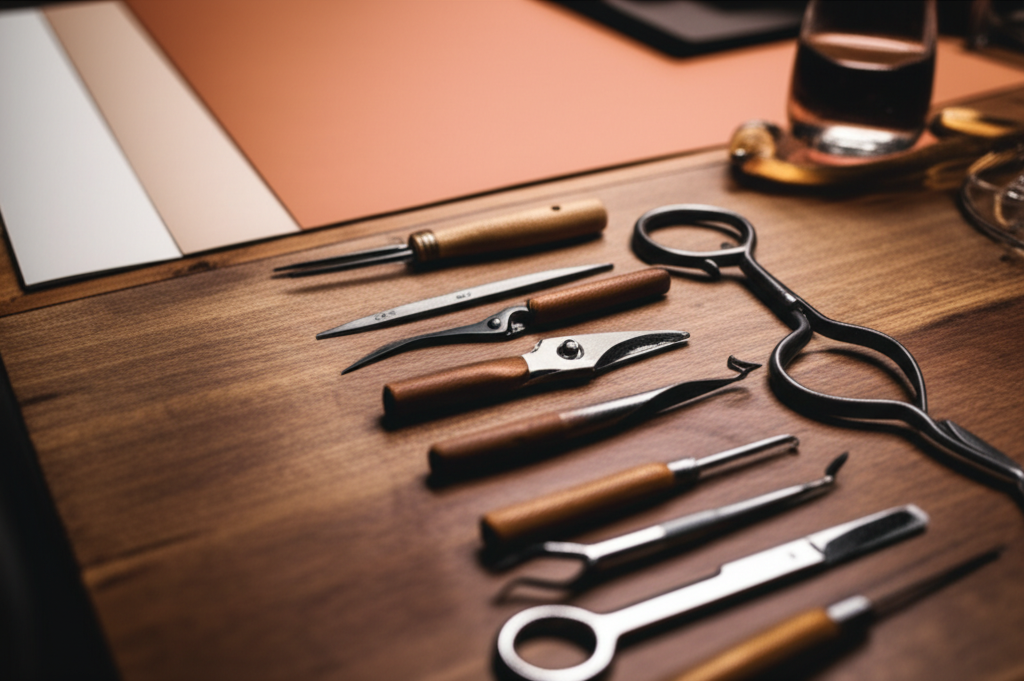
Use sharp, clean pruning shears, scissors, or saws. Dull tools can crush or tear the branches, increasing the risk of infection. Clean your tools regularly with rubbing alcohol or a bleach solution to prevent the spread of diseases.
Proper Cutting Techniques
Make clean, angled cuts just above a bud or branch junction. Avoid leaving stubs, as these can become entry points for pathogens. When removing an entire branch, make a flush cut that is parallel to the trunk or parent branch. Avoid cutting into the branch collar (the swollen area at the base of the branch), as this can hinder the tree’s natural wound-healing process.
Wound Sealant
For larger cuts (typically those larger than a pencil’s diameter), apply a pruning sealant to protect the wound from infection and dehydration. Choose a sealant that is specifically designed for trees and follow the manufacturer’s instructions.
Learning from Mistakes: My Personal Journey
I’ve made my share of mistakes over the years, and each one has taught me valuable lessons. I’ve pruned at the wrong time, used dull tools, and made improper cuts. But I’ve also learned from those mistakes, and I’ve become a better bonsai artist as a result.
One of the most important lessons I’ve learned is to be patient. Bonsai is not a race. It’s a slow, deliberate process that requires time, patience, and a deep understanding of the tree’s needs. Don’t rush the pruning process. Take your time, observe the tree carefully, and make informed decisions.
Another important lesson is to be willing to experiment. Don’t be afraid to try new techniques or styles. But always do your research first, and be prepared to learn from your mistakes. The bonsai world is constantly evolving, and there’s always something new to discover.
Finally, remember that bonsai is more than just a hobby. It’s a connection to nature, a form of art, and a spiritual practice. It’s a way to slow down, appreciate the beauty of the natural world, and cultivate patience, mindfulness, and respect for all living things.
The Long Game: Patience and Observation
Ultimately, mastering the art of bonsai pruning, and avoiding the pitfalls of mistiming, comes down to patience and observation. It’s about developing a deep connection with your trees, understanding their individual needs, and responding accordingly. It’s about recognizing that bonsai is not a static art form, but a dynamic process that requires constant learning and adaptation.
Take the time to observe your trees throughout the year. Notice how they respond to different seasons, weather conditions, and pruning techniques. Keep a journal to track your observations and record your pruning activities. This will help you to identify patterns and make more informed decisions in the future.
Don’t be afraid to ask questions and seek advice from experienced bonsai enthusiasts. Join a local bonsai club, attend workshops and demonstrations, and read books and articles on bonsai techniques. The bonsai community is a rich source of knowledge and support.
And most importantly, don’t give up. Bonsai is a challenging art form, but it’s also incredibly rewarding. The satisfaction of creating a beautiful and healthy bonsai tree is unlike anything else. Embrace the challenges, learn from your mistakes, and enjoy the journey.
🔴IMAGE 5: A man is carefully pruning a bonsai tree in his backyard. He is using precision shears and appears focused on his work. Sunlight filters through the leaves of the trees in the background.
So, the next time you reach for your pruning shears, remember the lessons I’ve shared. Remember the importance of timing, the consequences of mistimed pruning, and the value of patience and observation. By understanding the tree’s natural cycles and respecting its individual needs, you can avoid the mistake of pruning at the wrong time of year and cultivate healthy, thriving bonsai trees that will bring you joy for years to come. The journey of a thousand snips begins with a single, well-timed cut.
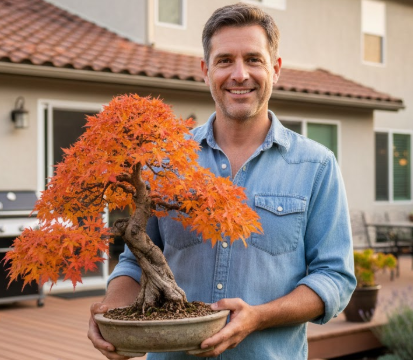
My name is Christopher Brown, I am 38 years old and I live in the United States. I am deeply passionate about the art of bonsai and have been cultivating trees for several years. What started as a simple curiosity turned into a daily practice and an important part of my life.
On this blog, I share my real experiences with bonsai — including what works, what doesn’t, and the lessons I learn along the way. I enjoy experimenting with techniques, observing the growth of each tree, and documenting the process with honesty and patience.
My goal with InfoWeHub is to help beginners feel more confident, avoid common mistakes, and discover the beauty of bonsai cultivation. If you are starting your journey or already love this art, you are welcome here.