
The Silent Plea of My Indoor Bonsai
Let me tell you, friends, bonsai is more than just a hobby; it’s a conversation. It’s a silent dialogue conducted through the language of leaves, branches, and the subtle tilt of the trunk. And like any good conversation, it requires attentive listening. Over the years, I’ve learned (sometimes the hard way) that neglecting to listen to your bonsai can lead to some pretty heartbreaking consequences. One of the biggest lessons I’ve learned revolves around the seemingly simple act of keeping my bonsai indoors for too long.
I’ve been cultivating bonsai for close to three decades now, and I can honestly say that despite the knowledge I’ve accumulated, I’m still learning. The biggest mistake I made was thinking that because my bonsai was thriving indoors, it *should* thrive indoors indefinitely. After all, it was sheltered from the harsh elements, consistently watered, and even occasionally misted. What could possibly go wrong? Well, nature, as it often does, had a few lessons in store for me.
The Allure of the Indoor Oasis
Initially, keeping my bonsai indoors felt like a masterstroke. My prized Japanese Maple, with its fiery autumn foliage, became a captivating centerpiece in my living room. It was perfectly positioned near a large window, bathing in what I perceived to be ample sunlight. Guests would marvel at its beauty, and I, basking in the reflected glory, felt a surge of pride. I thought I had cracked the code to indoor bonsai cultivation. I was wrong. Terribly wrong.
The convenience of an indoor bonsai is undeniable. No need to worry about frost, scorching sun, or ravenous pests (at least, that’s what I thought). I could control the environment, ensuring a constant temperature and humidity level. It was bonsai cultivation on easy mode, or so I believed. This feeling of control, however, blinded me to the subtle signs that my tree was slowly, silently suffering.
The Subtle Signs of Distress
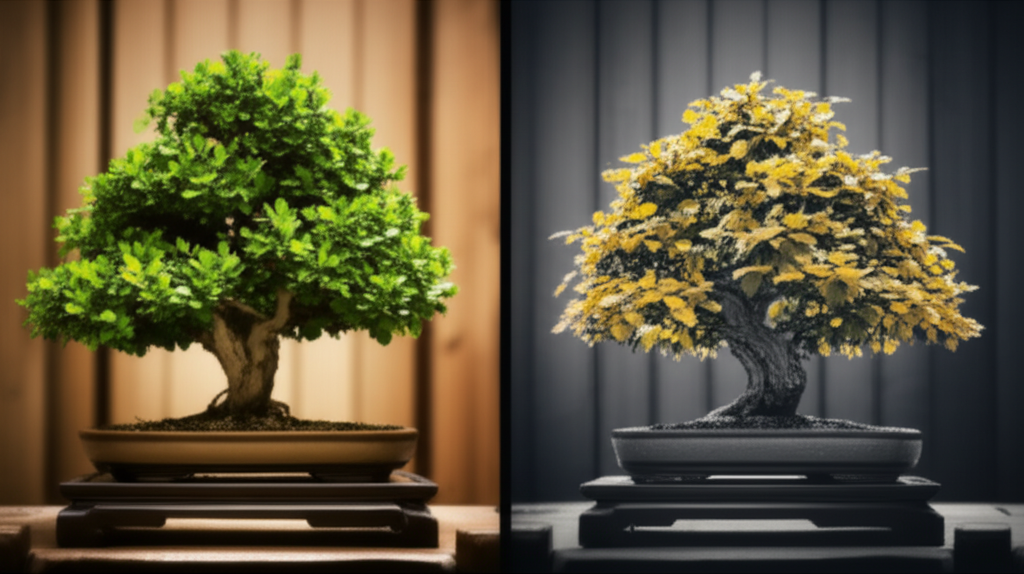
The first indication that something was amiss was a slight yellowing of the leaves. I initially dismissed it as natural aging. After all, leaves do eventually turn yellow and fall off, right? But then more leaves began to yellow, and the vibrant green that once characterized my maple started to fade. The growth rate, which had been vigorous in the spring, slowed to a crawl. I started to notice some leaf drop even though it wasn’t autumn.
Ignoring these signs was my biggest mistake. I was so caught up in the convenience of indoor cultivation that I failed to recognize the subtle cries for help from my tree. It was like a child subtly hinting at a problem, only to be met with an absent-minded nod. The consequences, as I soon discovered, can be devastating.
Why Indoor Confinement Hurts Your Bonsai
The problem with keeping bonsai indoors for extended periods boils down to a few key factors: inadequate sunlight, poor air circulation, and a lack of seasonal changes. While a sunny windowsill might seem like a good source of light, it’s often not enough for a tree accustomed to the full spectrum of sunlight found outdoors. Indoor light is filtered and weaker, and even the sunniest window blocks crucial UV rays that plants need for photosynthesis.
Think of it this way: imagine being confined to a room with artificial light all day. You might survive, but you wouldn’t thrive. You’d miss the warmth of the sun on your skin, the vibrant colors of the outdoors, and the feeling of fresh air on your face. Your bonsai feels the same way. It needs the full spectrum of sunlight to produce the energy it needs to grow and thrive.
Furthermore, indoor air is often stagnant and dry. This can lead to a buildup of pests and diseases, as well as dehydration of the leaves and roots. Outdoors, even a gentle breeze helps to circulate air, preventing the buildup of stagnant humidity and discouraging pests. Indoors, your bonsai is essentially trapped in a microclimate that can quickly become unhealthy.
Finally, the lack of seasonal changes can confuse your bonsai. Trees need the cues of changing temperatures and day lengths to properly regulate their growth cycles. Indoors, the temperature remains relatively constant year-round, which can disrupt the tree’s natural dormancy period. This can lead to weakened growth, increased susceptibility to disease, and even premature death.
The Rescue Mission: Bringing My Bonsai Back to Life
Realizing the error of my ways, I knew I had to act quickly to save my beloved Japanese Maple. The first step was to move it outdoors, gradually acclimating it to the brighter sunlight and fluctuating temperatures. I started by placing it in a shaded area for a few hours each day, gradually increasing the exposure time over a week. This prevented the leaves from being scorched by the sudden increase in sunlight.
Next, I repotted the tree in fresh, well-draining soil. The old soil had become compacted and depleted of nutrients, further stressing the already weakened tree. I also took the opportunity to prune away any dead or dying branches, encouraging new growth.
I also adjusted my watering schedule, allowing the soil to dry out slightly between waterings. Overwatering is a common problem with indoor bonsai, as the lack of air circulation can prevent the soil from drying out properly. Allowing the soil to dry out slightly helps to prevent root rot and encourages healthy root growth.
The recovery process was slow and gradual. It took several months for my Japanese Maple to regain its former vigor. But with patience, care, and a newfound understanding of its needs, I was able to bring it back from the brink. The experience taught me a valuable lesson: bonsai cultivation is not about control, but about understanding and respecting the needs of the tree.

Case Study: The Ficus Debacle
My Japanese Maple wasn’t the only bonsai to suffer from my indoor confinement experiment. I also had a beautiful Ficus bonsai that I kept indoors year-round. Ficus trees are often touted as being well-suited for indoor cultivation, and mine initially seemed to be thriving. However, after a few years, it started to exhibit similar symptoms to my Japanese Maple: yellowing leaves, slow growth, and leaf drop.
In the case of the Ficus, the problem was exacerbated by the dry indoor air. Ficus trees are native to tropical regions and prefer high humidity. The dry air in my house was causing the leaves to dry out and drop. To combat this, I started misting the tree regularly and placing it on a humidity tray filled with pebbles and water. This helped to increase the humidity around the tree and prevent further leaf drop.
I also moved the Ficus outdoors during the warmer months, providing it with the full spectrum of sunlight and the benefits of fresh air circulation. The difference was remarkable. The tree quickly perked up, producing new leaves and vibrant green foliage. It was a clear demonstration of the importance of providing bonsai with the right environmental conditions.
The Importance of Seasonal Movement
One of the most crucial aspects of bonsai care, and something I overlooked for far too long, is the importance of seasonal movement. Bonsai are, after all, miniature trees, and like their larger counterparts, they need to experience the changing seasons to thrive. This means bringing them outdoors during the growing season and providing them with a period of dormancy during the winter.
During the growing season, bonsai need plenty of sunlight, fresh air, and water. The outdoor environment provides these essential elements in abundance. The sunlight fuels photosynthesis, the fresh air helps to prevent pests and diseases, and the rain provides a natural source of water. Bringing your bonsai outdoors during the growing season allows it to build up its energy reserves and prepare for the dormant period.
During the winter, most bonsai need a period of dormancy. This is a time of rest and rejuvenation, allowing the tree to conserve energy and prepare for the next growing season. The length and intensity of the dormancy period will vary depending on the species of bonsai, but generally, temperatures should be kept cool (but above freezing) and watering should be reduced. For many species, this means an unheated garage or shed is ideal.
Providing your bonsai with a proper dormancy period is essential for its long-term health and survival. It allows the tree to regulate its growth cycles, preventing it from becoming exhausted and susceptible to disease. Think of it like a good night’s sleep; without it, you’ll quickly become tired, irritable, and more prone to illness. The same is true for your bonsai.

Exceptions to the Rule: Tropical Bonsai
While most bonsai benefit from seasonal movement, there are some exceptions to the rule. Tropical bonsai, such as Ficus and Bougainvillea, are native to warm climates and do not require a dormant period. These trees can be kept indoors year-round, provided they are given adequate sunlight, humidity, and air circulation. However, even tropical bonsai will benefit from spending some time outdoors during the warmer months, as the increased sunlight and fresh air will promote healthy growth.
Even with tropical varieties, it’s important to monitor their condition closely. While they might tolerate indoor conditions better, they are still susceptible to problems like pest infestations and nutrient deficiencies. Regular inspection and preventative care are crucial for keeping your tropical bonsai healthy and thriving indoors.
Practical Tips for Indoor Bonsai Care (When Necessary)
While I strongly advocate for keeping bonsai outdoors whenever possible, I understand that there are times when indoor cultivation is necessary. Perhaps you live in an apartment with limited outdoor space, or maybe you want to display your prized bonsai indoors for aesthetic reasons. If you must keep your bonsai indoors, here are some practical tips to minimize the negative effects:
- Provide adequate sunlight: Place your bonsai near a south-facing window where it will receive at least six hours of direct sunlight per day. If this is not possible, supplement with artificial grow lights.
- Ensure good air circulation: Use a fan to circulate air around the tree, preventing the buildup of stagnant humidity and discouraging pests.
- Increase humidity: Mist the tree regularly and place it on a humidity tray filled with pebbles and water. You can also use a humidifier to increase the overall humidity in the room.
- Water properly: Allow the soil to dry out slightly between waterings. Overwatering is a common problem with indoor bonsai, so be sure to monitor the moisture level carefully.
- Fertilize regularly: Use a balanced fertilizer to provide your bonsai with the nutrients it needs to grow. Fertilize more frequently during the growing season and less frequently during the dormant period.
- Inspect for pests and diseases: Regularly inspect your bonsai for signs of pests and diseases. Treat any problems promptly to prevent them from spreading.
- Rotate the tree: Rotate the tree regularly to ensure that all sides receive equal sunlight. This will prevent the tree from leaning towards the light source.
By following these tips, you can help to create a more favorable environment for your indoor bonsai and minimize the negative effects of indoor cultivation. Remember, however, that even with the best care, indoor bonsai will never thrive as well as those grown outdoors.
Learning from My Mistakes: A New Approach
My experiences with indoor bonsai cultivation have taught me valuable lessons about the importance of understanding and respecting the needs of my trees. I’ve learned that bonsai are not simply decorative objects, but living organisms that require specific environmental conditions to thrive. I’ve also learned that convenience should never come at the expense of the tree’s health and well-being.
Today, I approach bonsai cultivation with a newfound sense of humility and respect. I no longer view my bonsai as objects to be controlled, but as partners in a shared journey. I listen carefully to their silent pleas, observing their subtle cues and responding accordingly. I prioritize their needs above my own desires, ensuring that they receive the sunlight, air, water, and dormancy they require to thrive.
The result has been a dramatic improvement in the health and vitality of my bonsai collection. My trees are now stronger, more resilient, and more beautiful than ever before. And I, in turn, have become a more knowledgeable, compassionate, and successful bonsai enthusiast.
The Long-Term View: Patience and Observation
Ultimately, the key to successful bonsai cultivation is patience and observation. Bonsai is not a quick and easy hobby; it requires years of dedication, learning, and experimentation. You will make mistakes along the way, but it’s important to learn from those mistakes and keep moving forward. Observe your trees closely, paying attention to their subtle cues and responding accordingly. With patience, care, and a deep respect for nature, you can cultivate beautiful and thriving bonsai that will bring you joy for many years to come.
The journey with bonsai is a lifelong pursuit, a continuous cycle of learning, adapting, and growing – much like the trees themselves. It’s a process that teaches you patience, resilience, and the importance of connecting with the natural world. And who knows, maybe along the way, you’ll also learn a little something about yourself.
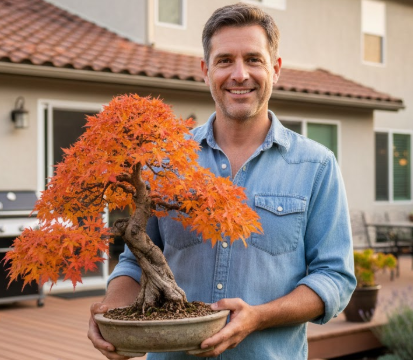
My name is Christopher Brown, I am 38 years old and I live in the United States. I am deeply passionate about the art of bonsai and have been cultivating trees for several years. What started as a simple curiosity turned into a daily practice and an important part of my life.
On this blog, I share my real experiences with bonsai — including what works, what doesn’t, and the lessons I learn along the way. I enjoy experimenting with techniques, observing the growth of each tree, and documenting the process with honesty and patience.
My goal with InfoWeHub is to help beginners feel more confident, avoid common mistakes, and discover the beauty of bonsai cultivation. If you are starting your journey or already love this art, you are welcome here.