
The Day I Realized My Bonsai Needed More
I’ve been tending to bonsai trees for over twenty years now, and you’d think I’d have it all figured out. But the truth is, every tree is a new lesson, a new challenge. There was a time, a few years back, when I noticed my prized Japanese Maple, a tree I’d nurtured from a sapling, was starting to look…tired. The leaves weren’t as vibrant, the growth was sluggish, and there was a general air of malaise about it. It was like watching a dear friend slowly lose their spark.
I racked my brain, re-evaluating my watering schedule, my fertilization routine, even the amount of sunlight it was getting. I was doing everything “right,” according to all the books and articles I’d read. But the tree wasn’t responding. That’s when I realized that sometimes, the “right” thing isn’t enough. Sometimes, you need to go deeper, to connect with your bonsai on a more fundamental level.
That was the day I started experimenting with a new routine, a routine built not just on the technical aspects of bonsai care, but on observation, intuition, and a genuine desire to understand what my tree needed, not just what I thought it needed.
My “Less is More” Bonsai Routine
The routine I developed is surprisingly simple, but it’s made all the difference in the health and vitality of my bonsai. It’s based on the principle of “less is more,” focusing on creating an environment where the tree can thrive naturally, rather than forcing it to grow according to some preconceived notion of what it should be.
Daily Observation: The Morning Ritual
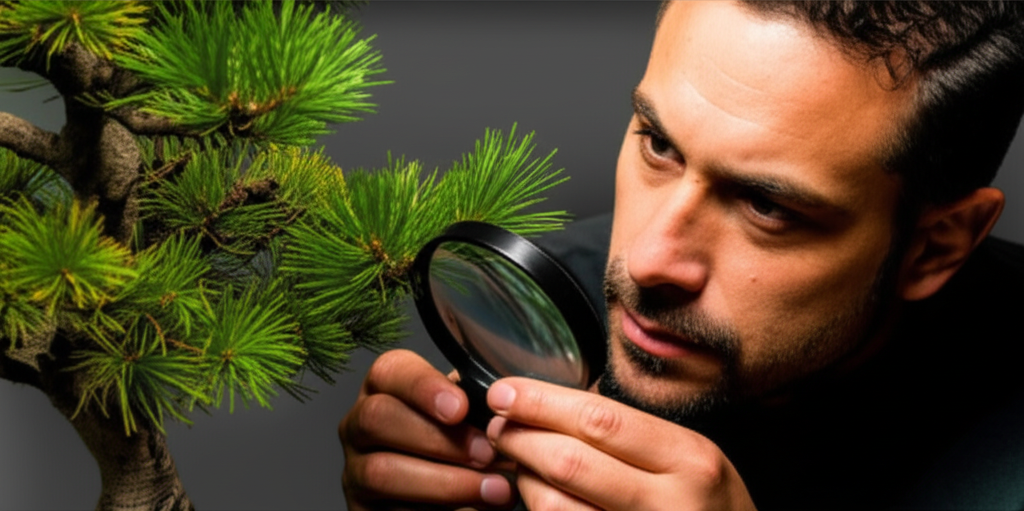
Every morning, the first thing I do, even before my coffee, is to spend a few minutes observing each of my bonsai. I don’t just glance at them; I really look. I check the moisture level of the soil, examine the leaves for any signs of pests or disease, and observe the overall growth pattern. This daily check-in allows me to catch problems early, before they become serious. It’s like a doctor taking a patient’s pulse – a quick, non-invasive way to assess the overall health of the tree.
For example, one morning I noticed tiny webs on one of my Juniper bonsai. A quick inspection revealed spider mites, which I was able to treat immediately with a gentle insecticidal soap. Had I waited even a few days, the infestation could have spread to my other trees, causing significant damage. This daily observation is crucial. It’s not just about seeing; it’s about *understanding* what you’re seeing.
Watering with Intention: Beyond the Schedule
Watering is probably the most critical aspect of bonsai care, and it’s also the one that’s most often oversimplified. Many guides will tell you to water your bonsai “every day” or “every other day.” But that’s just a guideline. The actual frequency of watering depends on a variety of factors, including the species of the tree, the size of the pot, the type of soil, and the weather conditions. My approach is to water only when the soil feels dry to the touch. I stick my finger about an inch into the soil to check. If it feels even slightly moist, I wait. Overwatering is far more damaging to bonsai than underwatering.
Another thing I’ve learned is the importance of using the right kind of water. Tap water often contains chlorine and other chemicals that can be harmful to bonsai. I collect rainwater whenever possible, and when I can’t, I let tap water sit out for 24 hours to allow the chlorine to evaporate. It’s a small extra step, but it makes a big difference.
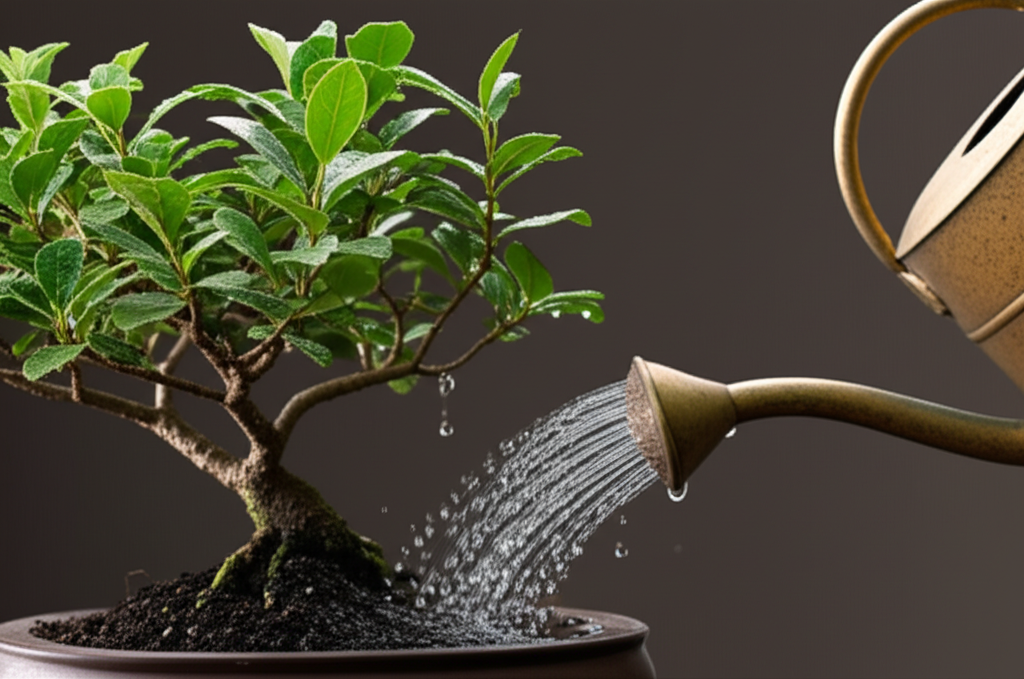
I also pay attention to how I water. I use a watering can with a fine rose spout, which allows me to gently saturate the soil without disturbing the roots. I water slowly and thoroughly, until water drains from the bottom of the pot. This ensures that the entire root ball is moistened.
Fertilizing Sparingly: Nourishing, Not Overfeeding
Fertilizing is another area where “less is more” applies. Bonsai trees don’t need a lot of fertilizer, especially if they’re healthy and growing well. Over-fertilizing can lead to excessive growth, which can ruin the shape of the tree, and it can also damage the roots. I use a slow-release organic fertilizer, applying it only during the growing season (spring and summer). I use about half the recommended dose, and I never fertilize a tree that’s stressed or unhealthy.
I also supplement my fertilizer with occasional applications of seaweed extract. Seaweed extract is a natural source of micronutrients and growth hormones, which can help to improve the overall health and vigor of the tree. I dilute the extract according to the instructions on the label, and I apply it as a foliar spray, coating the leaves and branches. I’ve found that this helps to improve the color and texture of the leaves, and it also seems to make the trees more resistant to pests and diseases.
Pruning for Health: Shaping the Future
Pruning is essential for maintaining the shape and health of a bonsai tree. It’s not just about aesthetics; it’s about directing the tree’s energy to the parts that need it most. I prune regularly, removing dead, diseased, or crossing branches. I also prune to maintain the desired shape of the tree, and to encourage new growth.
The type of pruning I do depends on the species of the tree and the time of year. For deciduous trees, I do most of my pruning in the late winter or early spring, before the new growth begins. For evergreen trees, I prune throughout the growing season, removing new growth as needed to maintain the shape of the tree.
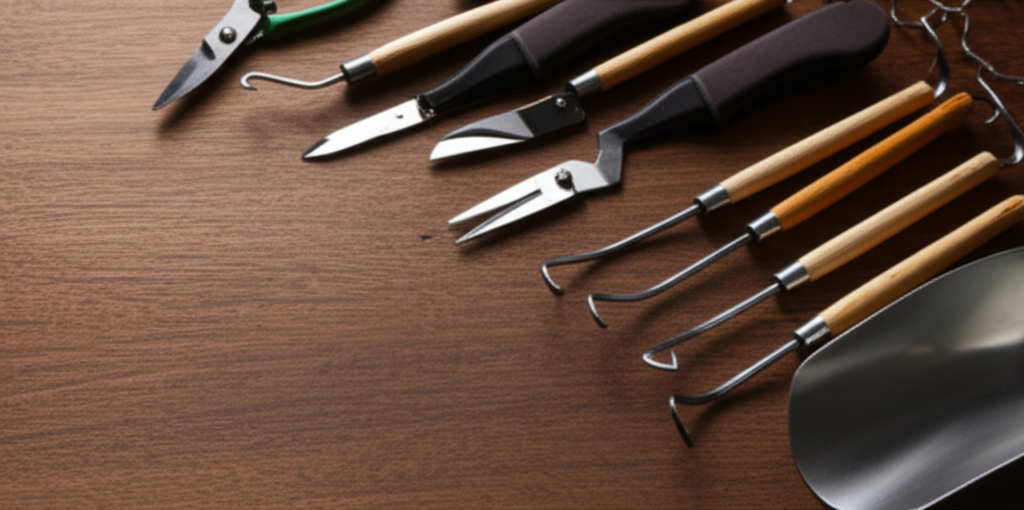
I always use sharp, clean tools when pruning. Dull or dirty tools can damage the tree and make it more susceptible to disease. I sterilize my tools with rubbing alcohol before and after each use.
Repotting with Care: A Fresh Start
Repotting is a necessary part of bonsai care, as it allows you to refresh the soil and trim the roots. Over time, the soil in a bonsai pot becomes compacted and depleted of nutrients. Repotting provides the tree with a fresh start, allowing it to grow and thrive.
I repot my bonsai trees every one to three years, depending on the species of the tree and the size of the pot. I repot in the early spring, before the new growth begins. When repotting, I carefully remove the tree from the pot, taking care not to damage the roots. I then trim the roots, removing any dead or diseased roots, and shortening the remaining roots by about one-third. I also remove as much of the old soil as possible, being careful not to damage the fine feeder roots.
I repot the tree in a well-draining bonsai soil mix. I use a mix of akadama, kanuma, and kiryu, which provides good drainage and aeration. I gently firm the soil around the roots, making sure that there are no air pockets. After repotting, I water the tree thoroughly and place it in a sheltered location for a few weeks to allow it to recover.
The Importance of Patience and Observation
This routine isn’t a magic bullet. It’s not a set of rules to be followed blindly. It’s a framework for understanding your bonsai and responding to its needs. The most important ingredients are patience and observation. You need to be patient enough to wait for the tree to respond to your care, and you need to be observant enough to notice the subtle changes that indicate its health and well-being.
For instance, one of my pines started to show signs of needle cast. Instead of immediately reaching for a fungicide, I took a closer look. I realized that the tree wasn’t getting enough sunlight due to a newly grown bush nearby. I moved the bonsai to a sunnier location, and within a few weeks, the needle cast cleared up on its own. It was a simple solution, but it required careful observation and a willingness to address the underlying cause of the problem, rather than just treating the symptoms.
Connecting with Your Tree: More Than Just a Hobby
Caring for bonsai is more than just a hobby; it’s a connection with nature, a way to slow down and appreciate the beauty of the natural world. It’s a reminder that even the smallest things can be beautiful and resilient. When you truly connect with your tree, you’ll find that it rewards you with its beauty and its longevity.
I often find myself just sitting and observing my bonsai, not doing anything, just being present. I watch the leaves rustle in the wind, the sunlight glint off the branches, and the moss grow on the pot. In those moments, I feel a sense of peace and connection that’s hard to describe. It’s a reminder that life is about more than just achieving goals and accumulating possessions; it’s about appreciating the simple things and finding joy in the everyday moments.
Common Mistakes and How to Avoid Them
Even with the best routine, mistakes can happen. Here are some of the most common mistakes I’ve seen (and made myself!) and how to avoid them.
Overwatering: The Silent Killer
As I mentioned earlier, overwatering is one of the most common killers of bonsai. It leads to root rot, which can quickly kill a tree. The key is to let the soil dry out slightly between waterings. Always check the moisture level of the soil before watering, and err on the side of underwatering rather than overwatering.
If you suspect that your bonsai is suffering from root rot, you need to act quickly. Remove the tree from the pot and carefully inspect the roots. If you find any black or mushy roots, prune them away. Repot the tree in fresh, well-draining soil, and water sparingly until it recovers.
Incorrect Soil: Foundation for Failure
Using the wrong type of soil is another common mistake. Bonsai trees need well-draining soil that allows air to circulate around the roots. Ordinary potting soil is too heavy and dense, and it will quickly lead to root rot. Use a bonsai-specific soil mix, or create your own mix using akadama, kanuma, and kiryu.
The specific ratio of these components will vary depending on the species of the tree and your local climate. Experiment to find the mix that works best for you. For example, in a humid climate, you might want to use a soil mix that drains more quickly to prevent overwatering.
Insufficient Light: Starving for Energy
Bonsai trees need plenty of light to thrive. Most species need at least six hours of direct sunlight per day. If your bonsai isn’t getting enough light, it will become weak and leggy, and it will be more susceptible to pests and diseases. Place your bonsai in a sunny location, or supplement with artificial light if necessary.
Be careful not to expose your bonsai to sudden changes in light levels. If you’re moving a tree from a shady location to a sunny location, do it gradually over a period of a few days to allow the tree to acclimate.
Neglecting Pest Control: Prevention is Key
Pests and diseases can quickly decimate a bonsai collection. Regular inspection and preventative measures are essential. Check your trees regularly for signs of pests or diseases, and treat them promptly if you find anything. Use organic pesticides and fungicides whenever possible, and avoid using harsh chemicals that can damage the tree.
One of the best ways to prevent pests and diseases is to keep your trees healthy and strong. A healthy tree is more resistant to problems than a weak tree. Make sure that your trees are getting enough light, water, and nutrients, and prune them regularly to maintain their shape and health.
Adapting the Routine to Different Species
While the core principles of my routine apply to all bonsai, the specific details will need to be adapted to the individual species of tree. Here are some considerations for different types of bonsai:
Deciduous Trees: Seasonal Changes
Deciduous trees, such as maples and elms, go through a distinct dormant period in the winter. During this time, they need less water and fertilizer. Allow the soil to dry out more between waterings, and withhold fertilizer altogether. Also, protect them from extreme cold. While they need the cold to properly go dormant, extreme freezing temperatures can still damage the roots.
In the spring, as the new growth begins, gradually increase the amount of water and fertilizer. Prune deciduous trees in the late winter or early spring, before the new growth begins.
Evergreen Trees: Consistent Care
Evergreen trees, such as pines and junipers, don’t go through a distinct dormant period. They continue to grow, albeit slowly, throughout the year. Water and fertilize them consistently, but reduce the amount slightly in the winter. Prune evergreen trees throughout the growing season, removing new growth as needed to maintain the shape of the tree.
Evergreen trees are generally more tolerant of dry conditions than deciduous trees, but they still need regular watering. Be careful not to let the soil dry out completely.
Tropical and Subtropical Trees: Warmth and Humidity
Tropical and subtropical trees, such as ficus and bougainvillea, need warm temperatures and high humidity to thrive. Protect them from cold drafts and dry air. Mist them regularly to increase humidity, or place them on a humidity tray. Water and fertilize them regularly throughout the year.
Tropical and subtropical trees are generally more susceptible to pests and diseases than other types of bonsai. Inspect them regularly and treat them promptly if you find anything.
The Ongoing Journey: Always Learning
Even after all these years, I’m still learning about bonsai. Every tree is different, and every year brings new challenges. But that’s what makes it so rewarding. It’s a journey of constant discovery, a process of learning and growing alongside my trees.
I encourage you to embrace the journey, to be patient, observant, and willing to experiment. Don’t be afraid to make mistakes; they’re part of the learning process. And most importantly, remember to enjoy the process, to connect with your trees, and to appreciate the beauty of the natural world.
The simple routine I’ve shared has undoubtedly made my bonsai healthier, but it’s also enriched my life in countless ways. It’s taught me patience, observation, and the importance of connecting with nature. It’s a practice that brings me peace and joy, and I hope it does the same for you.
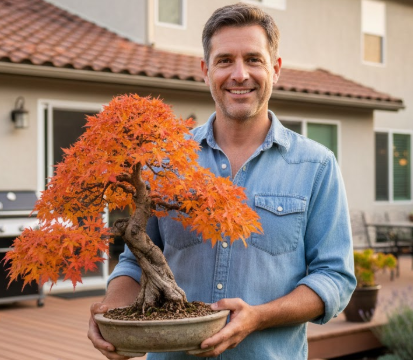
My name is Christopher Brown, I am 38 years old and I live in the United States. I am deeply passionate about the art of bonsai and have been cultivating trees for several years. What started as a simple curiosity turned into a daily practice and an important part of my life.
On this blog, I share my real experiences with bonsai — including what works, what doesn’t, and the lessons I learn along the way. I enjoy experimenting with techniques, observing the growth of each tree, and documenting the process with honesty and patience.
My goal with InfoWeHub is to help beginners feel more confident, avoid common mistakes, and discover the beauty of bonsai cultivation. If you are starting your journey or already love this art, you are welcome here.