
The Shift: From Hobby to Dedication
For years, my bonsai journey was a casual affair. I admired the miniature trees, enjoyed the occasional pruning session, and felt a vague sense of accomplishment when they survived. But I wasn’t truly serious. I skipped watering days, neglected fertilizing schedules, and attributed any issues to the fickle nature of plants. Sound familiar? Then one day, something clicked. I saw a truly stunning bonsai at a local exhibition, a gnarled old juniper sculpted into a windswept masterpiece. It wasn’t just the aesthetic beauty that struck me; it was the obvious dedication, the years of meticulous care poured into every branch and root. It was a testament to the patience and understanding of the artist. That was my turning point.
I realized that bonsai wasn’t just about owning a pretty plant; it was about a relationship, a commitment to nurturing and shaping a living piece of art. It was about learning to understand the plant’s needs, anticipating its growth patterns, and responding with mindful care. It was about slowing down, observing, and appreciating the subtle beauty of nature. So, I decided to dive in headfirst. I started reading voraciously, joined a local bonsai club, and began to meticulously document my care routines. I treated my bonsai not as decorations, but as living beings deserving of my full attention.
The Initial Struggles: A Learning Curve
Of course, the path to bonsai enlightenment wasn’t paved with perfectly manicured moss. There were setbacks, mistakes, and moments of sheer frustration. Overwatering, underwatering, incorrect fertilizing – I committed almost every beginner’s sin. I remember one particularly disheartening incident involving my prized ficus bonsai. I’d been so eager to promote growth that I’d over-fertilized, resulting in leaf burn and a significant setback. It felt like I’d betrayed its trust. These early missteps, however, were invaluable lessons. They forced me to pay closer attention, to research more thoroughly, and to develop a deeper understanding of each species’ specific needs.
I also had to wrestle with the concept of “styling.” The artistic aspect of bonsai was initially intimidating. I felt like I lacked the vision and skill to truly shape my trees. My early attempts at pruning often resulted in lopsided, awkward silhouettes. But I persevered, attending workshops, studying the work of renowned bonsai artists, and experimenting with different techniques. Slowly, tentatively, I began to develop my own sense of style.
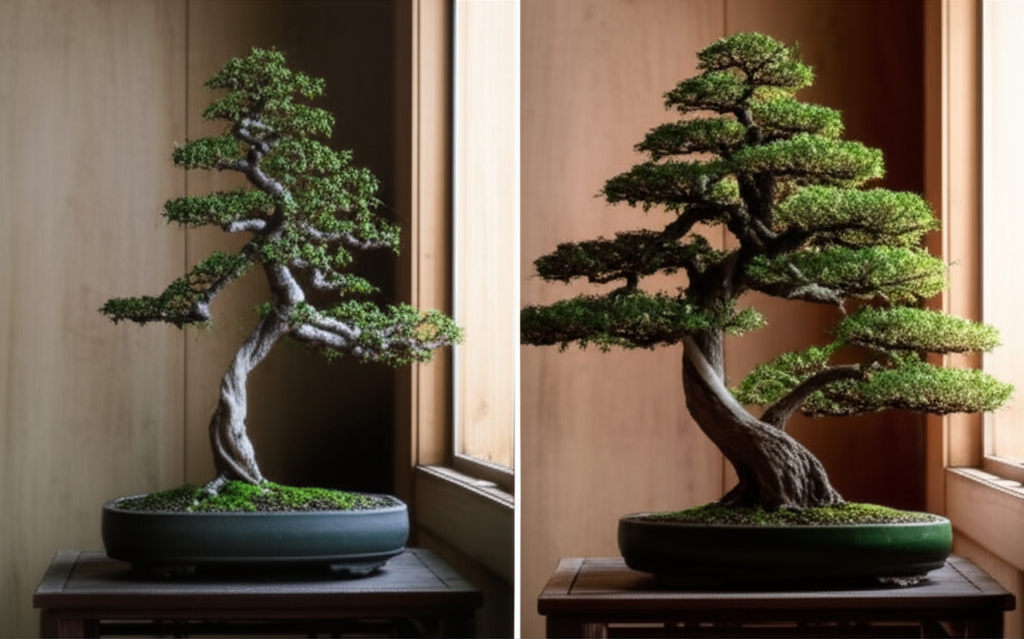
The Rewards: More Than Just Pretty Plants
The benefits of taking my bonsai care seriously extended far beyond the improved health and aesthetics of my trees. I discovered a profound sense of calm and focus in the meditative act of tending to them. The gentle snipping of pruning shears, the careful watering, the mindful observation – these became rituals that grounded me in the present moment. In a world of constant distractions and anxieties, my bonsai garden became a sanctuary, a place to reconnect with nature and find inner peace.
Furthermore, I experienced a surge in creativity and problem-solving skills. Bonsai is, at its core, a constant exercise in adaptation and improvisation. Every tree is unique, with its own challenges and opportunities. Learning to read the signals a tree sends, to diagnose problems, and to devise creative solutions became a deeply rewarding process. It sharpened my analytical skills and taught me the importance of patience and persistence.
Deeper Connections: Nature and Community
Perhaps the most unexpected reward was the connection I forged with the broader bonsai community. Joining a local club opened doors to a wealth of knowledge and support. I learned from experienced practitioners, shared my own struggles and successes, and formed lasting friendships. The bonsai community is remarkably generous and welcoming, united by a shared passion for this ancient art form. These connections have enriched my life immeasurably, providing not only practical guidance but also a sense of belonging.
My relationship with nature also deepened. Bonsai forced me to pay closer attention to the changing seasons, the nuances of weather patterns, and the delicate balance of the ecosystem. I became more aware of the interconnectedness of all living things and developed a greater appreciation for the fragility and resilience of the natural world. This awareness, in turn, has inspired me to live more sustainably and to advocate for environmental conservation.
Specific Changes in My Daily Routine
The shift from casual hobbyist to dedicated bonsai enthusiast necessitated significant changes in my daily routine. It wasn’t just about adding a few extra chores to my schedule; it was about fundamentally altering my mindset and priorities. Let me walk you through some of the key changes I implemented:
Watering: From Guesswork to Precision
Gone were the days of haphazardly spraying water whenever I remembered. I now meticulously check the soil moisture levels of each bonsai before watering, using my finger to assess the dryness of the topsoil. I learned that different species have different watering needs, and that factors like pot size, soil composition, and weather conditions all play a role. I invested in a high-quality watering can with a gentle rose head, ensuring even and delicate distribution of water. I also started collecting rainwater, which is naturally soft and free of chemicals, ideal for bonsai watering.
I also adjusted my watering schedule based on the seasons. During the hot summer months, I often water twice a day, while in the cooler winter months, I reduce watering frequency significantly. I pay close attention to the weather forecast, anticipating periods of heavy rain or extreme heat and adjusting my watering accordingly. This level of precision has dramatically improved the health and vitality of my bonsai.
Fertilizing: Understanding Nutrient Needs
Before, fertilizing was a vague concept – I’d sprinkle some generic fertilizer every now and then, hoping for the best. Now, I have a deep understanding of the essential nutrients that bonsai need to thrive. I use a balanced fertilizer specifically formulated for bonsai, and I adjust the nutrient ratios based on the stage of growth. During the spring, when the trees are actively growing, I use a fertilizer with a higher nitrogen content to promote leaf development. In the fall, I switch to a fertilizer with a higher phosphorus and potassium content to encourage root growth and winter hardiness.
I also learned about the importance of micronutrients, such as iron, magnesium, and zinc. Deficiencies in these nutrients can lead to various problems, such as yellowing leaves and stunted growth. I supplement my regular fertilizing with occasional applications of micronutrient solutions. I also carefully monitor the pH of my soil, as acidic or alkaline conditions can affect nutrient availability. I test my soil regularly and adjust the pH as needed using appropriate amendments.

Pruning and Shaping: A Constant Evolution
Pruning is no longer a chore; it’s an art form. I spend hours carefully examining each bonsai, considering its overall shape and identifying branches that need to be removed or redirected. I use a variety of specialized tools, including concave cutters, branch benders, and wire pliers, to achieve precise and aesthetically pleasing results. I learned the importance of understanding the growth habits of each species before pruning, as some species respond better to certain techniques than others.
I also began to experiment with wiring, a technique used to bend and shape branches into desired positions. Wiring requires patience and a delicate touch, as excessive force can damage the bark and cambium layer. I use anodized aluminum wire, which is flexible and easy to work with, and I carefully monitor the wire to ensure that it doesn’t cut into the bark as the tree grows. Wiring has allowed me to create more dynamic and expressive bonsai designs.
Pest and Disease Control: Proactive Prevention
Instead of reacting to pest infestations and diseases, I now focus on proactive prevention. I regularly inspect my bonsai for signs of trouble, such as discolored leaves, unusual spots, or webbing. I use organic pest control methods whenever possible, such as insecticidal soap and neem oil. I also promote good air circulation and drainage to prevent fungal diseases. I learned that early detection is key to successful pest and disease control. The moment I notice a problem, I take immediate action to prevent it from spreading to other trees.
I also quarantine any new bonsai that I acquire to prevent the introduction of pests and diseases into my collection. I keep the new bonsai isolated for several weeks, carefully monitoring it for any signs of trouble before introducing it to my other trees. This has saved me from countless headaches and prevented widespread infestations.
The Unexpected Downsides (and How to Overcome Them)
While taking bonsai care seriously has brought immense joy and satisfaction, it’s not without its challenges. There are unexpected downsides that I had to learn to navigate. Time commitment is a major factor. Properly caring for a collection of bonsai requires a significant investment of time and effort. Between watering, fertilizing, pruning, wiring, and pest control, it can easily consume several hours each week.
Financial investment is another consideration. High-quality bonsai pots, tools, soil, and fertilizers can be expensive. Building a decent collection can require a substantial upfront investment. And, of course, there’s the emotional toll of losing a tree. Despite our best efforts, bonsai can sometimes succumb to disease, pests, or environmental factors. Losing a tree that you’ve invested years in nurturing can be heartbreaking.
Balancing Act: Time, Money, and Emotion
To mitigate these downsides, I’ve implemented several strategies. I’ve learned to prioritize tasks and schedule my bonsai care activities efficiently. I also set a budget for bonsai-related expenses and stick to it as closely as possible. I’ve also developed a more detached attitude towards my bonsai. While I still care deeply about each tree, I recognize that loss is an inevitable part of the process. I try to learn from my mistakes and focus on the positive aspects of bonsai cultivation. I also remind myself that the journey is more important than the destination.
I found that accepting that some trees will inevitably die, despite my best efforts, was crucial. It’s a natural part of life, and bonsai, being living things, are subject to the same rules. Instead of dwelling on the loss, I focus on what I can learn from it. What could I have done differently? What were the warning signs that I missed? This allows me to improve my practices and prevent similar losses in the future.

The Ongoing Journey: Lessons Learned and Future Aspirations
My bonsai journey is far from over. I’m constantly learning, experimenting, and refining my techniques. I’m currently focusing on developing my skills in grafting and air layering, advanced techniques that allow me to propagate new trees and improve the genetic traits of existing ones. I’m also exploring different bonsai styles, such as literati and cascade, to broaden my artistic horizons. I aspire to one day exhibit my bonsai at a national or international level. While that may seem like a lofty goal, I believe that with dedication and perseverance, anything is possible.
The single most important lesson I’ve learned is that bonsai is not just about creating aesthetically pleasing miniature trees; it’s about cultivating patience, mindfulness, and a deep connection with nature. It’s about slowing down, observing, and appreciating the beauty of the present moment. It’s about learning to accept imperfection and to embrace the ever-changing nature of life. These are lessons that have enriched my life in countless ways, extending far beyond the confines of my bonsai garden.
Beyond the Trees: A Philosophy of Life
Taking bonsai care seriously has transformed more than just my garden; it’s transformed me. The patience and dedication required to nurture these miniature trees have seeped into other areas of my life. I’ve become more patient in my relationships, more mindful in my daily activities, and more appreciative of the simple things. The lessons I’ve learned from bonsai have become a philosophy of life, guiding me towards a more balanced, fulfilling, and meaningful existence. It’s shown me the value of slow, deliberate action, of consistent effort, and of finding beauty in the unexpected.
And so, I continue to prune, wire, water, and nurture. I continue to learn from my mistakes, to experiment with new techniques, and to share my passion with others. My bonsai journey is a lifelong pursuit, a constant evolution of both skill and spirit. It’s a journey that I wouldn’t trade for anything in the world.

If you’re considering taking your own bonsai care to the next level, I encourage you to do so. It’s a challenging but incredibly rewarding experience. Be prepared to make mistakes, to learn from them, and to embrace the journey. And remember, it’s not just about the trees; it’s about the person you become along the way. You might just surprise yourself with what you discover.
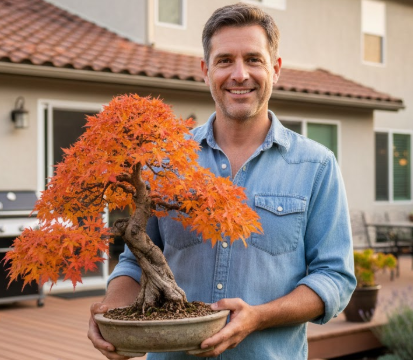
My name is Christopher Brown, I am 38 years old and I live in the United States. I am deeply passionate about the art of bonsai and have been cultivating trees for several years. What started as a simple curiosity turned into a daily practice and an important part of my life.
On this blog, I share my real experiences with bonsai — including what works, what doesn’t, and the lessons I learn along the way. I enjoy experimenting with techniques, observing the growth of each tree, and documenting the process with honesty and patience.
My goal with InfoWeHub is to help beginners feel more confident, avoid common mistakes, and discover the beauty of bonsai cultivation. If you are starting your journey or already love this art, you are welcome here.