
My Bonsai Awakening: A Journey Through Dedicated Care
For decades, the art of bonsai has been more than just a hobby for me; it’s a way of life. It’s a conversation with nature, a dance of patience, and a constant learning experience. I’ve always considered myself a reasonably diligent bonsai caretaker, but it wasn’t until recently that I truly grasped the profound impact of *daily* improvements in my approach. The transformation I witnessed in my trees, particularly my prized Japanese Maple, has been nothing short of remarkable. It wasn’t about grand gestures or radical changes; it was the accumulation of small, consistent acts of care that unlocked a new level of vitality and beauty.
I remember when I first started. Like many beginners, I was captivated by the aesthetic appeal, the miniature landscapes that seemed to hold entire worlds within them. I read books, watched videos, and even attended a few workshops. I learned about pruning techniques, soil composition, and the importance of sunlight. I thought I was doing everything right. My trees were alive, they were growing, but they lacked a certain… vibrancy. They were merely surviving, not thriving.
The Subtle Shift: From Routine to Ritual
The turning point came when I started to view bonsai care not as a chore, but as a ritual. Instead of simply watering when the soil *looked* dry, I began checking the moisture levels daily with a bamboo skewer. I started paying closer attention to the specific needs of each tree, recognizing that a Japanese Maple has different requirements than a Juniper. This deeper level of engagement transformed my entire approach.
One of the most significant changes I implemented was in my watering technique. I had been using a standard watering can, which often resulted in uneven saturation and potential damage to the delicate soil structure. I switched to a fine-mist sprayer, allowing me to gently and evenly moisten the soil without disturbing it. This simple change alone made a noticeable difference in the health and vigor of my trees. The foliage became lusher, the colors more vibrant, and the overall growth more balanced.
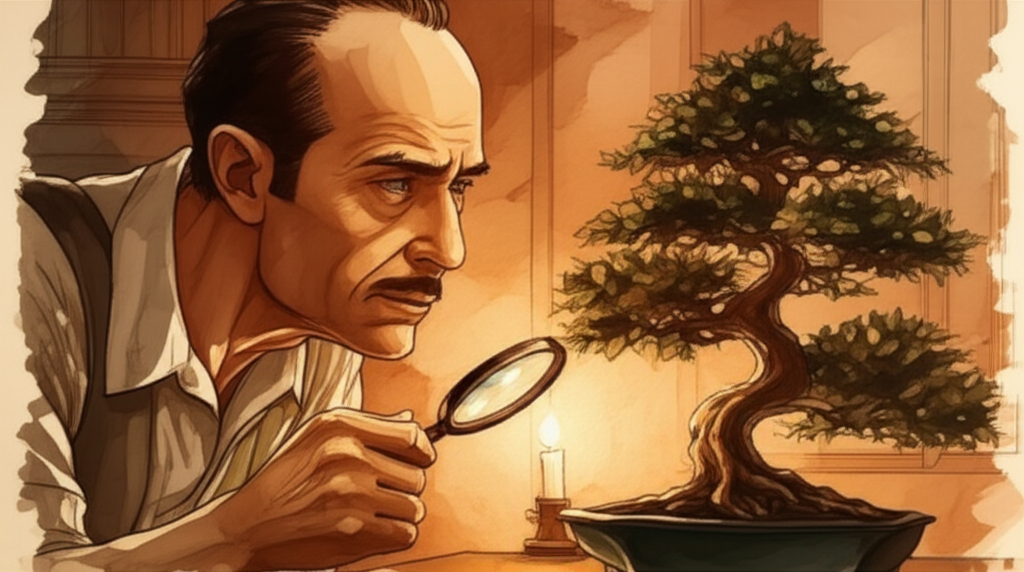
Another crucial aspect of my improved daily care was meticulous observation. I started spending more time simply *looking* at my trees, examining each leaf, each branch, each tiny detail. I noticed subtle changes in color, texture, and growth patterns that I had previously overlooked. This allowed me to identify potential problems early on, before they had a chance to escalate.

Unlocking the Secrets of Soil and Nutrients
Beyond watering, I delved deeper into the science of soil and nutrients. I had always used a commercially prepared bonsai soil mix, but I never fully understood its composition or its impact on the health of my trees. I began researching the different components of bonsai soil – akadama, kanuma, pumice, lava rock – and their respective benefits. I learned about the importance of drainage, aeration, and water retention.
Crafting My Own Soil Mix
Armed with this new knowledge, I decided to experiment with creating my own soil mix. I started with a basic blend of akadama, pumice, and lava rock, adjusting the proportions based on the specific needs of each tree. For my Japanese Maple, I added a slightly higher percentage of akadama to promote moisture retention, as it tends to dry out quickly. For my Juniper, I increased the amount of pumice and lava rock to ensure excellent drainage, preventing root rot. This hands-on approach gave me a much greater understanding of the relationship between soil and tree health.
Nutrient management was another area where I made significant improvements. I had been using a generic fertilizer, applying it sporadically and without much thought. I learned that bonsai trees, like all plants, require a balanced supply of essential nutrients – nitrogen, phosphorus, and potassium – as well as micronutrients like iron, manganese, and zinc. I switched to a slow-release organic fertilizer, which provided a steady stream of nutrients over a longer period of time. I also started supplementing with liquid seaweed extract, which is rich in micronutrients and growth hormones.
The results were remarkable. My trees responded with increased vigor, producing more vibrant foliage, stronger branches, and more abundant flowers and fruit. I noticed a significant improvement in their overall health and resilience, making them less susceptible to pests and diseases. It was as if they were finally getting the nourishment they needed to thrive.
The Importance of Gentle Feeding
One crucial lesson I learned about fertilizing bonsai is the importance of gentleness. Over-fertilizing can be just as harmful as under-fertilizing, leading to leaf burn, root damage, and even death. I learned to dilute my fertilizer solutions to half strength, applying them more frequently but in smaller doses. This ensured that my trees received a steady supply of nutrients without being overwhelmed.
Pruning with Precision: Shaping the Future
Pruning is arguably the most essential aspect of bonsai care. It’s not just about trimming branches; it’s about shaping the tree, controlling its growth, and creating a miniature masterpiece. I had always been somewhat hesitant to prune my trees aggressively, fearing that I might damage them. But I realized that proper pruning is essential for maintaining the health and beauty of a bonsai.
I began studying the different pruning techniques, learning the difference between structural pruning, maintenance pruning, and aesthetic pruning. Structural pruning involves removing large branches to create the basic shape of the tree. Maintenance pruning focuses on removing dead, diseased, or crossing branches. Aesthetic pruning is used to refine the shape and create a more pleasing composition.

The Art of Defoliation
One technique I found particularly effective was defoliation, which involves removing some or all of the leaves from a tree during the growing season. This encourages the tree to produce a new flush of smaller, denser foliage, creating a more refined and compact appearance. I started experimenting with defoliation on my Japanese Maple, removing about half of the leaves in mid-summer. The results were astounding. The tree responded with a burst of new growth, producing a canopy of vibrant, miniature leaves.
Another important aspect of pruning is understanding the tree’s natural growth habits. Some trees, like Junipers, tend to grow upwards, while others, like Weeping Willows, tend to droop downwards. By understanding these natural tendencies, I was able to prune my trees in a way that accentuated their natural beauty and created a more harmonious composition. I stopped fighting the tree’s natural tendencies and started working *with* them.
Wiring and Shaping
Wiring is another essential technique for shaping bonsai trees. It involves wrapping wire around branches to bend them into desired positions. I had always been intimidated by wiring, fearing that I might damage the branches. But I learned that with the right technique and the right type of wire, wiring can be a safe and effective way to shape a bonsai.
I started using anodized aluminum wire, which is flexible and easy to work with. I learned to wrap the wire loosely around the branches, avoiding any tight spots that could damage the bark. I also learned to monitor the wire closely, removing it as soon as the branch began to hold its new shape. Over time, I became more confident in my wiring skills, using it to create dramatic curves and flowing lines in my trees.
The Battle Against Pests and Diseases
Even with the best care, bonsai trees are still susceptible to pests and diseases. Aphids, spider mites, scale insects, and fungal infections can all wreak havoc on a bonsai, weakening its health and diminishing its beauty. I learned to be vigilant in my inspections, looking for early signs of infestation or infection.
Early Detection is Key
One of the most effective strategies for preventing pests and diseases is to maintain a healthy growing environment. This includes providing adequate sunlight, proper ventilation, and well-draining soil. I also started using a preventative spray of neem oil, a natural insecticide and fungicide that is safe for use on bonsai trees. I applied the neem oil every two weeks during the growing season, which helped to keep pests and diseases at bay.
When I did encounter a pest infestation or disease outbreak, I acted quickly to control it. I used insecticidal soap to kill aphids and spider mites, horticultural oil to smother scale insects, and copper fungicide to treat fungal infections. I also isolated the affected tree from my other trees to prevent the spread of the problem. I learned that early detection and prompt treatment are essential for minimizing the damage caused by pests and diseases.
I also started attracting beneficial insects to my garden, such as ladybugs and lacewings, which prey on aphids and other pests. I planted flowering plants that attract these beneficial insects, creating a natural ecosystem that helped to keep my bonsai trees healthy.
The Emotional Connection: More Than Just a Hobby
Beyond the technical aspects of bonsai care, there is also a deep emotional connection that I have developed with my trees. They are not just plants to me; they are living works of art, each with its own unique personality and story. I find a great deal of satisfaction in nurturing them, watching them grow, and shaping them into beautiful forms.
The Patience of a Gardener
Bonsai teaches patience. It takes years, even decades, to develop a truly mature bonsai. There are no shortcuts, no quick fixes. It requires a long-term commitment, a willingness to wait, and an acceptance of the natural rhythms of growth. This patience has spilled over into other areas of my life, making me more calm, more understanding, and more appreciative of the slow, steady progress of things.
Caring for bonsai is also a form of meditation for me. When I am pruning, wiring, or watering my trees, I am fully present in the moment. I am not thinking about the past or worrying about the future. I am simply focused on the task at hand, connecting with the tree and with nature. This mindful activity helps to reduce stress, clear my mind, and promote a sense of inner peace.
Sharing the Passion
Over the years, I have also enjoyed sharing my passion for bonsai with others. I have given workshops, written articles, and mentored aspiring bonsai artists. It is rewarding to see the joy and satisfaction that others experience when they discover the art of bonsai. It is a gift to be able to share this beautiful and ancient tradition with the world.
My journey with bonsai has been a long and winding one, filled with challenges, setbacks, and triumphs. But through it all, I have learned valuable lessons about patience, perseverance, and the importance of connecting with nature. And I am grateful for the opportunity to continue learning and growing alongside my beloved trees. The daily care, the consistent effort, it all adds up to something truly special. It’s a testament to the power of dedication and the beauty that can be cultivated with patience and love.

The improvements I’ve made in my daily bonsai care have not only transformed the health and appearance of my trees, but also deepened my connection with them. It’s a continuous journey of learning and refinement, and I’m excited to see what the future holds for me and my miniature companions. The beauty, the serenity, the sheer artistry of bonsai… it’s a legacy I hope to continue for many years to come, always striving to improve, always learning, and always respecting the incredible power and resilience of nature.
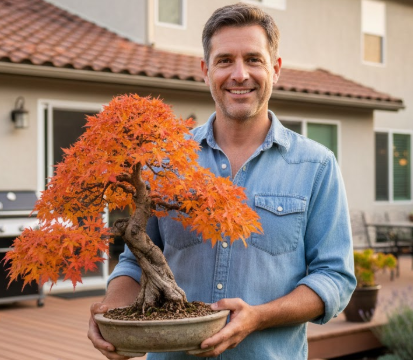
My name is Christopher Brown, I am 38 years old and I live in the United States. I am deeply passionate about the art of bonsai and have been cultivating trees for several years. What started as a simple curiosity turned into a daily practice and an important part of my life.
On this blog, I share my real experiences with bonsai — including what works, what doesn’t, and the lessons I learn along the way. I enjoy experimenting with techniques, observing the growth of each tree, and documenting the process with honesty and patience.
My goal with InfoWeHub is to help beginners feel more confident, avoid common mistakes, and discover the beauty of bonsai cultivation. If you are starting your journey or already love this art, you are welcome here.