
The Brink of Abandonment
I remember it like it was yesterday, although it was, in fact, a little over a year ago. The frustration had been building for months, a slow simmer that finally reached a boiling point. My first bonsai, a feisty little juniper I’d affectionately named “Sparky” (a terrible name, I admit, but it felt fitting at the time), was looking decidedly… un-Sparky. Brown needles were becoming more prevalent than green, the carefully wired branches seemed to be stubbornly resisting my artistic vision, and I was spending more time fighting off scale insects than actually enjoying the process. I genuinely considered giving up, packing away my tools, and relegating the whole bonsai adventure to the realm of “interesting hobbies that didn’t quite work out.”
The truth is, I went into bonsai with a romanticized view. I’d seen the stunning images online, the meticulously crafted miniature landscapes, and envisioned myself effortlessly creating similar masterpieces. I envisioned tranquil mornings spent shaping and nurturing my tiny trees, a peaceful escape from the stresses of daily life. The reality, however, was far more challenging. It was messy, time-consuming, and often heartbreaking.
I felt like I was failing Sparky, and by extension, failing at bonsai itself. The learning curve felt impossibly steep. Every time I thought I was making progress, some new problem would arise – root rot, nutrient deficiencies, improper watering. It seemed like a never-ending cycle of setbacks and frustration. My wife, bless her heart, tried to be supportive, but even she started giving me concerned looks whenever I spent hours hunched over Sparky, muttering to myself. Was I losing my mind, as well as my tree?
Have you ever been there? On the verge of giving up on something you were initially so passionate about? That feeling of defeat, the nagging voice in your head telling you it’s just not worth the effort? It’s a universal experience, I think, and one that’s particularly acute in hobbies like bonsai that demand patience, precision, and a healthy dose of resilience. But something stopped me from throwing in the towel. Something kept me coming back to Sparky, even when he looked like he was on his last legs.
The Unexpected Teacher: Sparky’s Struggle
I realized that Sparky’s struggles weren’t just about the tree; they were a reflection of my own. My impatience, my unrealistic expectations, my tendency to overthink things – all of these were contributing to the problem. Bonsai, I discovered, wasn’t just about shaping trees; it was about shaping myself. It was a lesson in humility, in acceptance, and in the slow, deliberate rhythms of nature. Sparky, in his own silent way, was teaching me far more than any book or online tutorial ever could.
I started to approach bonsai differently. I stopped trying to force Sparky to conform to my preconceived notions of what he should look like. Instead, I began to observe him more closely, to understand his natural growth patterns, to appreciate his unique character. I researched proper watering techniques, learned about different soil compositions, and finally understood the importance of proper drainage. I stopped focusing on the end result and started enjoying the process itself. The simple act of tending to Sparky became a form of meditation, a way to connect with the natural world and find peace in the present moment.
It wasn’t an overnight transformation, of course. There were still setbacks, still moments of frustration. But something had shifted. I no longer viewed Sparky’s problems as failures, but as opportunities for learning. Each brown needle, each pest infestation, each awkward branch became a challenge to overcome, a puzzle to solve. I started to see the beauty in imperfection, the resilience in the face of adversity. And slowly, gradually, Sparky began to respond.
The Repotting Revelation
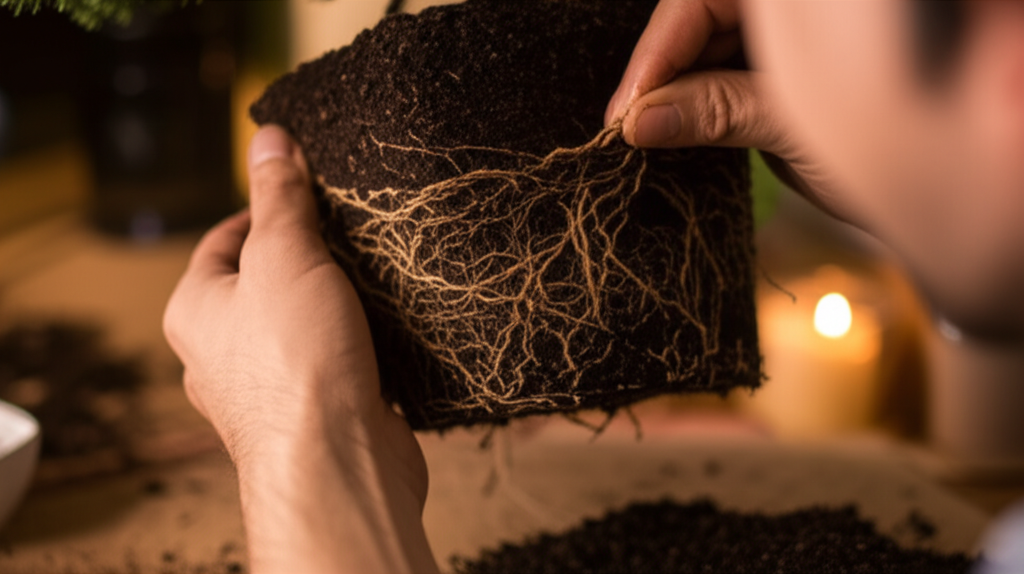
One of the most significant turning points came during Sparky’s first repotting. I was terrified. I’d read countless articles about the importance of proper repotting, but the thought of disturbing Sparky’s roots filled me with anxiety. What if I damaged them? What if I used the wrong soil mix? What if I killed him outright?
But I knew it had to be done. Sparky was root-bound, and his growth was clearly stunted. So, I took a deep breath, gathered my tools, and cautiously removed him from his pot. What I found beneath the surface was both shocking and enlightening. The root system was a tangled mess, circling around and around the pot, choking itself in the process. It was clear that Sparky had been struggling for quite some time, and I had been oblivious to his suffering.
Gently, I began to untangle the roots, carefully pruning away the dead and diseased portions. I used a specialized bonsai soil mix, ensuring proper drainage and aeration. As I worked, I felt a sense of connection to Sparky that I hadn’t experienced before. I was literally getting to the root of his problems, providing him with the space and nutrients he needed to thrive. It was a powerful metaphor for my own life, I realized. Sometimes, we need to dig deep, to confront our own tangled roots, in order to grow and flourish.
The repotting was a success. Sparky responded almost immediately, sending out new shoots and vibrant green needles. It was a tangible sign that my efforts were paying off, that I was finally understanding his needs. It was also a powerful reminder that even the most difficult challenges can be overcome with patience, persistence, and a willingness to learn.
Beyond Sparky: Expanding My Bonsai Horizon
Sparky’s near-death experience (and subsequent revival) instilled in me a newfound confidence. I began to experiment with other species of bonsai, each with its own unique challenges and rewards. I acquired a Japanese maple, a Chinese elm, and even a tiny little ficus. Each tree taught me something different about bonsai, about myself, and about the interconnectedness of all living things.
The Japanese Maple: A Study in Elegance
The Japanese maple, with its delicate leaves and vibrant autumn colors, presented a completely different set of challenges than Sparky. Maples are notoriously sensitive to overwatering, and their delicate branches are prone to breakage. I learned the importance of proper drainage, of careful pruning, and of providing adequate protection from the harsh afternoon sun. The maple taught me about the importance of subtlety, of allowing the tree’s natural beauty to shine through without excessive manipulation. It was a lesson in restraint, in letting go of control, and in appreciating the inherent elegance of nature.
The Chinese Elm: Resilience and Adaptability
The Chinese elm, on the other hand, proved to be remarkably resilient and adaptable. It tolerated a wider range of conditions than the maple, and it responded well to pruning and shaping. The elm taught me about the importance of adaptability, of being able to adjust to changing circumstances, and of finding strength in adversity. It was a reminder that even in the face of challenges, we can still thrive if we are willing to adapt and persevere.
The Ficus: Tropical Delight
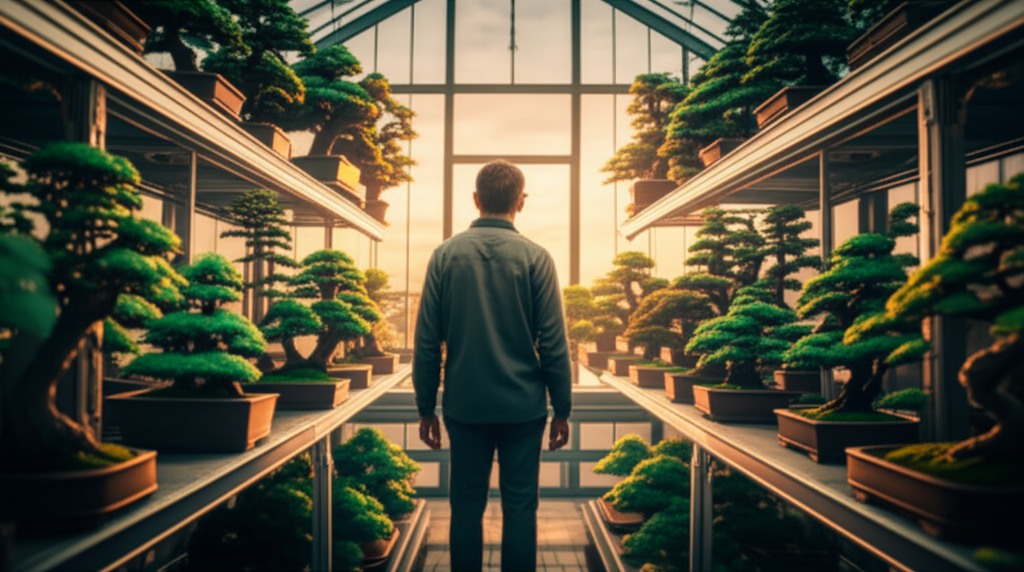
The ficus, with its lush green foliage and aerial roots, brought a touch of the tropics to my bonsai collection. It required consistently warm temperatures and high humidity, which meant creating a special microclimate for it in my greenhouse. The ficus taught me about the importance of creating the right environment for growth, of providing the necessary resources for success, and of nurturing the unique needs of each individual plant. It was a reminder that we all thrive in different environments, and that it is important to find the conditions that allow us to flourish.
The Community Connection: Learning from Others
While I learned a great deal from my own experiences, I also realized the importance of connecting with other bonsai enthusiasts. I joined a local bonsai club, attended workshops and demonstrations, and started sharing my own experiences online. The bonsai community is incredibly supportive and generous, always willing to offer advice and share their knowledge.
I discovered that I wasn’t alone in my struggles. Many other beginners had experienced similar frustrations and setbacks. But they had also found ways to overcome them, to learn from their mistakes, and to continue growing as bonsai artists. The community provided me with a sense of belonging, a source of inspiration, and a wealth of knowledge that I couldn’t have found anywhere else.
I learned about different styles of bonsai, about advanced techniques for pruning and wiring, and about the importance of proper fertilization. I also learned about the history and philosophy of bonsai, its roots in ancient Chinese and Japanese culture, and its connection to Zen Buddhism. Bonsai, I discovered, was more than just a hobby; it was a way of life, a path to self-discovery, and a celebration of the beauty and harmony of nature.
The Tools of the Trade: Beyond the Basics
As my passion for bonsai grew, so did my collection of tools. I started with the basics – a pair of concave cutters, a root hook, and some bonsai wire. But over time, I acquired more specialized tools, each designed for a specific purpose. I learned about the importance of using the right tool for the job, of maintaining my tools properly, and of investing in quality equipment that would last for years to come.
Concave Cutters: Precision Pruning
Concave cutters are essential for removing branches and creating clean, recessed cuts that promote healing. They allow you to remove branches flush with the trunk or branch from which they originate, creating a natural-looking appearance and preventing unsightly stubs. I learned to use concave cutters with precision and care, ensuring that each cut was clean and precise.
Root Hooks: Gentle Root Manipulation
Root hooks are used to gently loosen and untangle roots during repotting. They allow you to work around the roots without damaging them, separating them carefully and removing any dead or diseased portions. I learned to use root hooks with patience and dexterity, ensuring that the root system was healthy and well-prepared for repotting.
Bonsai Wire: Shaping the Future
Bonsai wire is used to shape and train branches, guiding them into the desired position. It comes in a variety of sizes and materials, including aluminum and copper. I learned to use bonsai wire effectively, wrapping it carefully around the branches and bending them gently into the desired shape. I also learned the importance of removing the wire before it began to damage the bark, allowing the branches to retain their new position.

The Art of Patience: A Never-Ending Lesson
Perhaps the most important lesson I learned during my first year of bonsai was the art of patience. Bonsai is not a quick fix; it is a long-term commitment that requires dedication, perseverance, and a willingness to wait. It takes years, even decades, to create a truly stunning bonsai. And even then, the process is never truly finished. A bonsai is a living work of art, constantly evolving and changing with the seasons.
I learned to embrace the slow, deliberate rhythms of nature, to appreciate the beauty in imperfection, and to find joy in the process of creation. Bonsai taught me to be present in the moment, to let go of my expectations, and to trust in the natural wisdom of the tree. It was a lesson in humility, in acceptance, and in the power of patience. And it’s a lesson that I continue to learn every day, as I tend to my bonsai and watch them grow.
Do you consider yourself a patient person? I didn’t, not before bonsai. Now, I find myself approaching many things in life with a more measured and thoughtful approach. I’ve learned that rushing things rarely yields the best results, and that sometimes, the greatest rewards come from simply waiting and observing.
The Ongoing Journey: Beyond the First Year
It’s been over a year since I almost gave up on bonsai. Sparky, my feisty little juniper, is thriving. My collection has grown, and I’m constantly learning new things. But more importantly, bonsai has changed me. It has taught me patience, resilience, and a deep appreciation for the beauty and complexity of nature. It has also connected me to a community of like-minded individuals who share my passion. I know that the journey is far from over. There will be more challenges, more setbacks, and more opportunities for growth. But I’m ready for them. I’ve learned that bonsai is not just about shaping trees; it’s about shaping myself. And I’m excited to see where this journey takes me.
And what about you? What challenges have you faced in your own bonsai journey? What lessons have you learned? I’d love to hear your stories. Share your experiences in the comments below. Let’s learn from each other and continue to grow together as a community of bonsai enthusiasts.

The most important thing I’ve learned is that bonsai is a journey, not a destination. There will always be something new to learn, a new technique to master, a new challenge to overcome. And that’s what makes it so rewarding. So, embrace the challenges, celebrate the successes, and never stop learning. And most importantly, never give up on your trees – or on yourself.
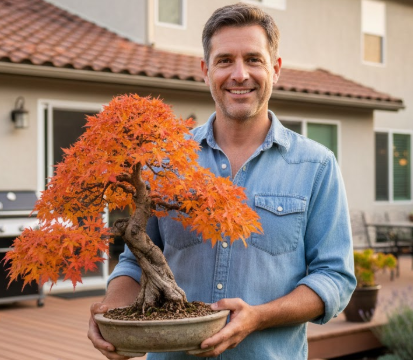
My name is Christopher Brown, I am 38 years old and I live in the United States. I am deeply passionate about the art of bonsai and have been cultivating trees for several years. What started as a simple curiosity turned into a daily practice and an important part of my life.
On this blog, I share my real experiences with bonsai — including what works, what doesn’t, and the lessons I learn along the way. I enjoy experimenting with techniques, observing the growth of each tree, and documenting the process with honesty and patience.
My goal with InfoWeHub is to help beginners feel more confident, avoid common mistakes, and discover the beauty of bonsai cultivation. If you are starting your journey or already love this art, you are welcome here.