
The Day I Feared the Worst for My Maple
I’ll never forget the knot of anxiety that tightened in my stomach that morning. It was a late spring day, the kind where the sun usually bathes everything in a warm, golden light, coaxing life and vibrant color from every corner of the garden. But as I approached my prized Japanese Maple bonsai, something was terribly wrong. The usually radiant foliage, a symphony of greens and reds that I’d meticulously cultivated, was starting to betray me.
Brown edges, curled leaves, and a general air of listlessness hung over the tree like a shroud. My heart sank. Was this it? Was my beloved bonsai, the centerpiece of my collection, succumbing to some unseen ailment, some fatal flaw in my care? Years of dedication, careful pruning, and unwavering attention seemed to be crumbling before my eyes. The thought was devastating. I’ve poured countless hours into nurturing this tree, watching it bud, leaf, and transform with the seasons. It’s more than just a plant to me; it’s a living testament to patience, perseverance, and the beauty of imperfection.
Now, I know what you might be thinking: “It’s just a tree, Christopher.” But bonsai is more than just gardening. It’s an art form, a meditative practice, a way to connect with nature on a profound level. Each tree is a unique expression of the grower’s vision and skill. And this particular maple, well, it held a special place in my heart. I had acquired it as a relatively young sapling and had spent years shaping it into its current form, carefully guiding its growth and meticulously maintaining its health. Its slow, deliberate progress mirrored my own journey of learning and growth as a bonsai enthusiast.
Ruling Out the Usual Suspects
My initial reaction was, of course, panic. But years of experience had taught me that a calm, methodical approach is crucial in these situations. Before leaping to the worst conclusions, I needed to systematically rule out the common culprits behind bonsai distress.
Overwatering and Underwatering: The Eternal Balancing Act
Watering is perhaps the most critical aspect of bonsai care, and it’s a constant tightrope walk. Overwatering can lead to root rot, a silent killer that slowly suffocates the tree from the ground up. Underwatering, on the other hand, deprives the tree of essential nutrients and moisture, causing dehydration and leaf damage. I carefully examined the soil. It felt adequately moist but not waterlogged. I hadn’t altered my watering schedule recently, and the drainage seemed to be functioning properly. So, I cautiously eliminated watering issues as the primary cause, but kept an eye on it.
Pests and Diseases: Unseen Enemies
Next, I turned my attention to the possibility of pests or diseases. These tiny invaders can wreak havoc on a bonsai, sucking the sap from leaves, weakening the tree’s defenses, and spreading infections. I meticulously inspected the leaves, branches, and trunk, searching for any signs of aphids, spider mites, scale insects, or fungal growth. Using a magnifying glass, I scrutinized every nook and cranny, determined to unearth any hidden threats. Thankfully, I found no evidence of pests or diseases. The leaves were clean, the bark was healthy, and there were no telltale signs of infestation. This was a relief, but it also deepened the mystery. If it wasn’t a watering issue or a pest problem, what was causing my maple to suffer?
Nutrient Deficiencies: The Importance of a Balanced Diet
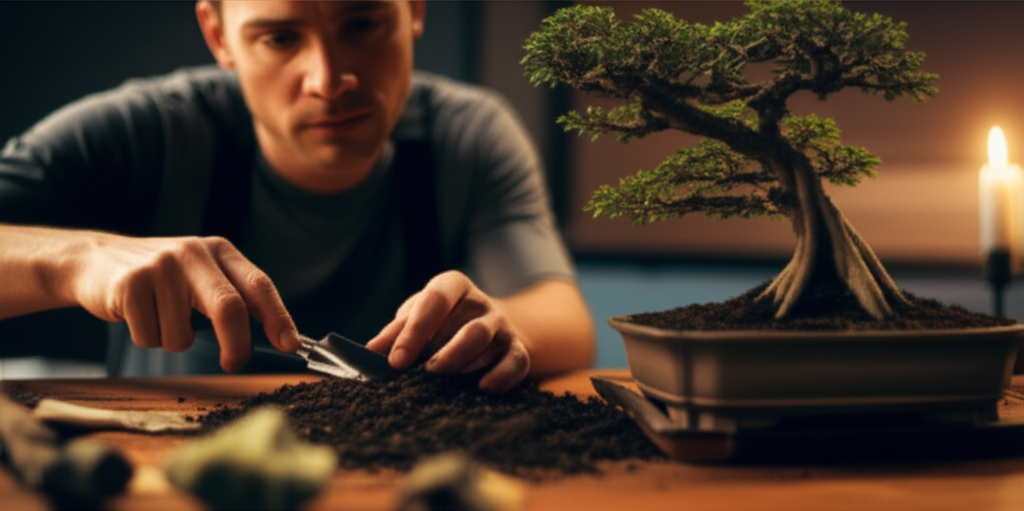
Like any living organism, bonsai trees require a balanced diet of essential nutrients to thrive. Deficiencies in key elements like nitrogen, phosphorus, and potassium can manifest in various ways, including stunted growth, yellowing leaves, and overall weakness. I had fertilized the tree regularly throughout the growing season with a balanced bonsai fertilizer. I carefully checked the fertilizer’s composition and application rate, ensuring that I hadn’t over- or under-fertilized. The soil pH was also within the acceptable range for Japanese Maples. Nutrient deficiencies seemed unlikely, but I made a mental note to monitor the tree’s response to the next feeding.
The Aha! Moment: Recognizing the Signs of Stress
After diligently ruling out the usual suspects, I was left scratching my head, feeling a growing sense of frustration. What was I missing? Why was my maple showing these distressing symptoms? I decided to take a step back, literally and figuratively, and try to see the bigger picture. I sat down on a nearby bench, took a deep breath, and simply observed the tree. I looked at its overall form, its placement in the garden, and the environmental conditions surrounding it. And then it hit me: stress.
Like any living organism, bonsai trees are susceptible to stress. Major changes in their environment, such as sudden temperature fluctuations, excessive sunlight, or even transplanting, can trigger a stress response. The symptoms of stress can mimic those of other problems, making it difficult to diagnose. But in this case, the pieces started to fall into place. We had experienced a particularly erratic spring, with periods of warm, sunny weather followed by sudden cold snaps and heavy rain. The maple, which had already begun to leaf out, was likely thrown off balance by these abrupt changes. The tender new leaves were particularly vulnerable to the cold, resulting in the browning and curling that I had observed.
The Subtle Signs of Environmental Change
I had also recently moved the tree to a slightly more exposed location in the garden, hoping to give it more sunlight. While Japanese Maples do need sunlight, they can also be susceptible to sunburn, especially when they’re not acclimated to the increased intensity. The combination of cold snaps and increased sunlight likely created a perfect storm of stress for my maple.
It’s funny how sometimes the most obvious answer is the one we overlook. I was so focused on identifying a specific disease or deficiency that I failed to recognize the more general signs of stress. It was a valuable reminder that bonsai care is not just about following a set of rules; it’s about understanding the tree’s needs and responding to its subtle cues.
The Road to Recovery: Gentle Care and Patience
Once I had identified stress as the likely culprit, I knew that the best course of action was to provide gentle care and patience. There was no quick fix, no magic potion that would instantly restore the tree to its former glory. It would take time and consistent effort to help it recover.
Adjusting the Environment: Providing Shelter and Shade
The first thing I did was move the maple back to its original location, where it was sheltered from the harshest sunlight and protected from strong winds. I also provided some additional shade during the hottest part of the day, using a simple shade cloth. My goal was to create a more stable and comfortable environment for the tree, allowing it to focus its energy on recovery.
Watering Wisely: Maintaining a Consistent Moisture Level
I carefully monitored the soil moisture, watering only when the top inch or two felt dry to the touch. I made sure to water thoroughly, allowing the excess water to drain freely from the bottom of the pot. Overwatering could exacerbate the stress, while underwatering would further weaken the tree.
Avoiding Stressors: No Pruning or Repotting
I refrained from any pruning or repotting during this recovery period. These activities, while beneficial in the long run, can be stressful for a weakened tree. I wanted to give the maple a chance to recover its strength before subjecting it to any additional stress.
Patience, above all else, was paramount. I knew that it would take weeks, perhaps even months, for the maple to fully recover. But I was committed to providing the best possible care and allowing nature to take its course.
Lessons Learned: A Deeper Understanding of Bonsai
The experience with my stressed Japanese Maple was a valuable learning opportunity. It reinforced the importance of careful observation, critical thinking, and a deep understanding of the tree’s needs. It also taught me a few specific lessons that I’ll carry with me in my future bonsai endeavors.
The Importance of Acclimation: Gradual Transitions
When making changes to a bonsai’s environment, it’s crucial to do so gradually. Sudden transitions can be stressful and detrimental to the tree’s health. Whether it’s moving the tree to a new location, increasing its sunlight exposure, or introducing a new fertilizer, it’s always best to proceed with caution and allow the tree time to adjust.
Recognizing Subtle Cues: Paying Attention to Detail
Bonsai trees are masters of subtle communication. They often display early warning signs of distress that can be easily overlooked if you’re not paying close attention. By carefully observing the leaves, branches, and overall appearance of the tree, you can detect problems early on and take corrective action before they become severe. It’s like learning a new language, the language of the tree.
The Power of Patience: Allowing Nature to Take Its Course
Bonsai is a practice that demands patience. There are no shortcuts, no instant gratification. It takes time, dedication, and a willingness to learn from your mistakes. The experience with my stressed maple reminded me that recovery is often a slow and gradual process. It’s important to resist the urge to intervene too aggressively and instead, allow nature to take its course.
The Resilience of Nature: A Symbol of Hope
Weeks turned into months, and slowly but surely, my Japanese Maple began to recover. New leaves emerged, vibrant and healthy, replacing the damaged ones. The tree regained its vigor and its characteristic beauty. It was a testament to the resilience of nature, the ability of living things to overcome adversity and thrive even in the face of challenges.
Seeing my maple recover was incredibly rewarding. It was a reminder that even when things seem bleak, there is always hope. And it reinforced my commitment to the art of bonsai, a practice that has taught me so much about patience, perseverance, and the beauty of the natural world.
The experience also gave me a renewed appreciation for the interconnectedness of all living things. Just like humans, bonsai trees are susceptible to stress, and they require a nurturing environment to thrive. By understanding their needs and providing them with the care they deserve, we can help them reach their full potential and enjoy their beauty for years to come. It is a real responsibility, one that I don’t take lightly.
Beyond the Maple: Applying the Lessons to My Entire Collection
The lessons I learned from nursing my Japanese Maple back to health weren’t confined to that single tree. They permeated my entire approach to bonsai cultivation. I became more attuned to the subtle needs of each tree in my collection, more proactive in preventing stress, and more patient in allowing them to recover when challenges arose. I realized that bonsai wasn’t just about aesthetics; it was about understanding and respecting the unique physiology of each plant.
Creating a Stress-Resistant Environment
I made several changes to my garden to minimize environmental stress for all my bonsai. I installed shade cloth in areas that received excessive sunlight, providing protection during the hottest hours of the day. I also improved drainage in certain areas to prevent waterlogging, which can lead to root rot. Furthermore, I started using a soil moisture meter to ensure consistent watering across my entire collection.
Regular Monitoring and Preventative Care
I established a regular schedule for inspecting my bonsai for pests, diseases, and signs of stress. I used a magnifying glass to scrutinize leaves and branches, and I kept a close eye on soil moisture and pH levels. When I detected potential problems, I addressed them promptly with appropriate treatments. This proactive approach helped prevent minor issues from escalating into major crises.
The Joy of Sharing Knowledge: Helping Others
The experience with my stressed maple also inspired me to share my knowledge with other bonsai enthusiasts. I started writing articles for online forums, offering advice and answering questions. I also joined a local bonsai club, where I could connect with other growers and exchange ideas. Sharing my experiences and helping others overcome challenges has been incredibly rewarding. It reinforces my own learning and helps to build a stronger bonsai community.
The Ongoing Journey: Bonsai as a Lifelong Pursuit
Bonsai is not a destination; it’s a journey. There’s always something new to learn, some new technique to master, some new challenge to overcome. And that’s precisely what makes it so engaging and rewarding. It’s a lifelong pursuit that connects you to nature, challenges your creativity, and teaches you patience, perseverance, and the importance of mindful observation.
My Japanese Maple, now fully recovered, stands as a symbol of that journey. It’s a reminder that even when things seem difficult, there is always hope. And it’s a testament to the power of gentle care, patience, and a deep understanding of the natural world. The scars from its stress are still faintly visible on some of the older branches, a subtle reminder of the challenges it has overcome. And in a way, those scars add to its beauty, making it a more compelling and meaningful work of art.
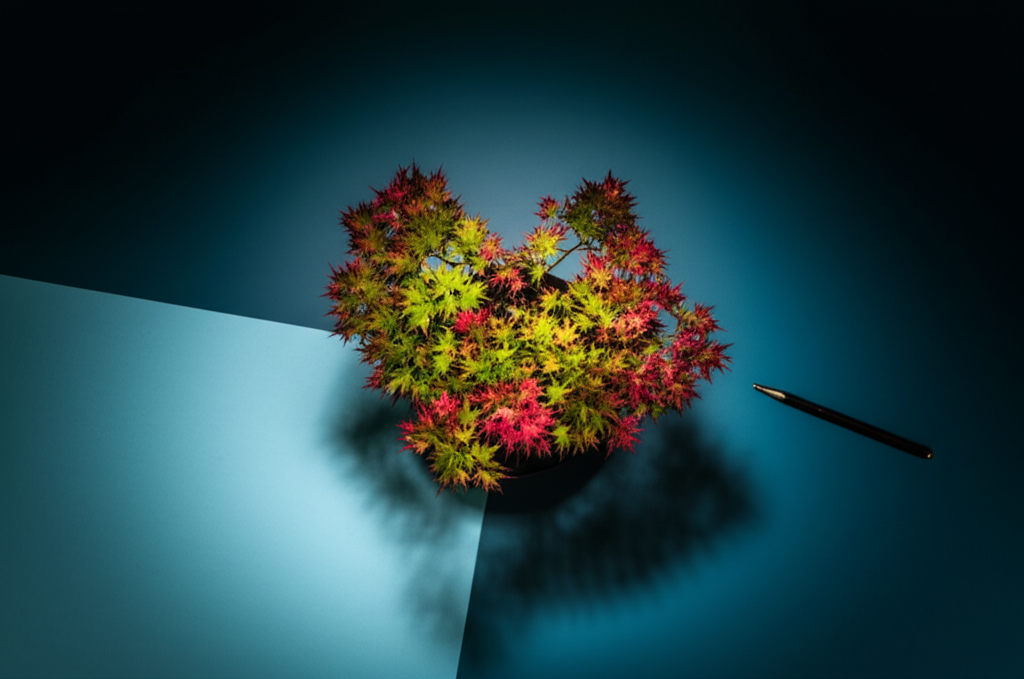
Looking back, I realize that the day I thought my bonsai was dying was actually a turning point in my bonsai journey. It forced me to deepen my understanding of the art form, to become more attuned to the needs of my trees, and to appreciate the resilience of nature. And for that, I am grateful. It’s a reminder that even in moments of fear and uncertainty, there is always an opportunity for growth and learning. The leaves have turned a vibrant crimson this fall, and I am excited for many more years to come with this beautiful tree.
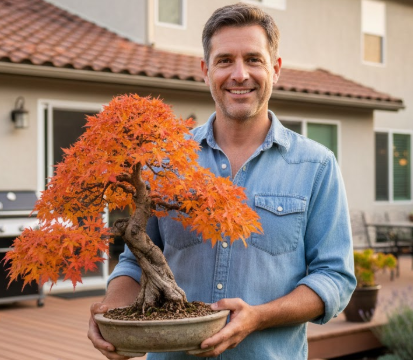
My name is Christopher Brown, I am 38 years old and I live in the United States. I am deeply passionate about the art of bonsai and have been cultivating trees for several years. What started as a simple curiosity turned into a daily practice and an important part of my life.
On this blog, I share my real experiences with bonsai — including what works, what doesn’t, and the lessons I learn along the way. I enjoy experimenting with techniques, observing the growth of each tree, and documenting the process with honesty and patience.
My goal with InfoWeHub is to help beginners feel more confident, avoid common mistakes, and discover the beauty of bonsai cultivation. If you are starting your journey or already love this art, you are welcome here.