
The Silent Language of a Bonsai: A Beginner’s Guide to Watering
For years, I struggled with the seemingly simple task of watering my bonsai. I overwatered, underwatered, and generally fussed over them like a nervous parent. It felt like I was constantly guessing, and my poor trees paid the price. Some developed root rot, others wilted pathetically, and a few, sadly, didn’t make it at all. It was frustrating, disheartening, and made me question whether I was cut out for this delicate art form.
Then, after countless hours of research, conversations with seasoned bonsai artists, and a healthy dose of trial and error, I stumbled upon a simple rule that changed everything. It wasn’t about schedules or specific amounts of water; it was about understanding the silent language of the tree itself. It was about learning to “listen” to what my bonsai was telling me.
This isn’t just a guide; it’s a chronicle of my own journey, filled with missteps, breakthroughs, and the quiet satisfaction of nurturing these miniature wonders. I’ll share the hard-earned lessons that transformed me from a hesitant novice into a confident bonsai enthusiast. So, put down your watering can for a moment, and let’s delve into the art of understanding when to water a bonsai.
Decoding the “When”: Beyond the Schedule
The biggest mistake I made early on was relying on a rigid watering schedule. “Water every other day,” I’d read in a book. “Water once a week,” another expert advised. I diligently followed these instructions, only to watch my trees suffer. What I failed to realize was that a bonsai’s watering needs are dynamic, influenced by a myriad of factors that a simple schedule can’t possibly account for.
The Finger Test: A Hands-On Approach
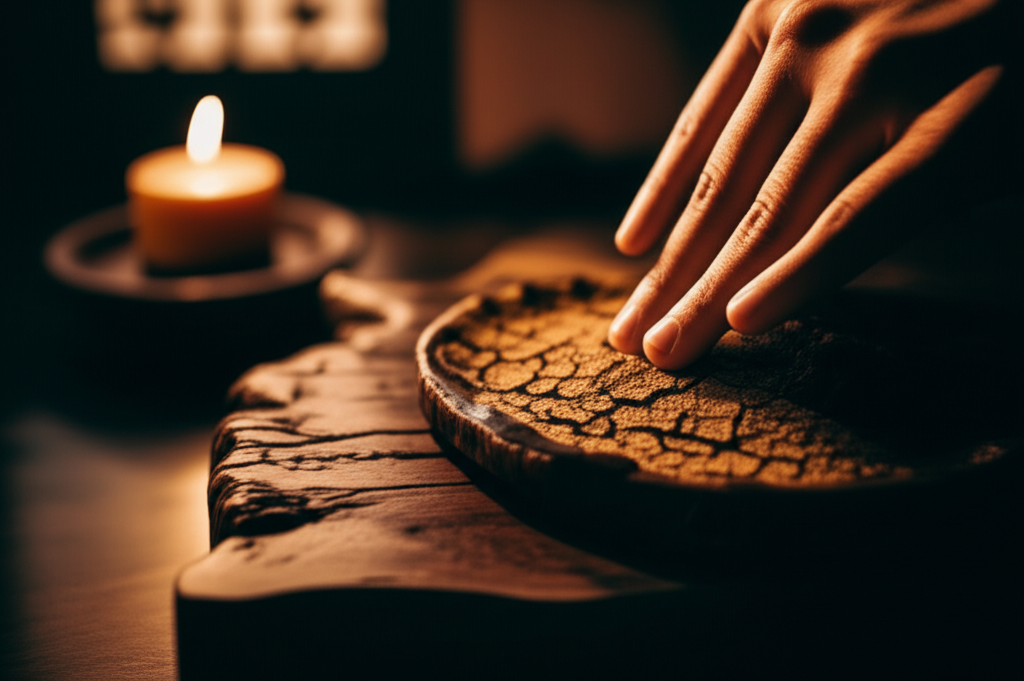
The most reliable method I’ve found is the “finger test.” It’s exactly what it sounds like: gently inserting your finger about an inch into the soil. If the soil feels dry to the touch, it’s time to water. If it feels moist or even slightly damp, hold off. This simple test takes into account the specific conditions surrounding your tree and provides a much more accurate assessment than any schedule ever could.
I remember one scorching summer, my schedule told me to water every other day, but the finger test revealed that the soil was drying out much faster. The tree was clearly thirsty, its leaves slightly drooping. Ignoring my schedule and trusting my instincts (and my finger!), I gave it a good soaking, and it perked right up. That was the moment I truly understood the importance of observation over rote memorization.
Observing the Soil: A Visual Clue
Beyond the finger test, pay close attention to the appearance of the soil surface. Dry soil often looks lighter in color and may even start to pull away from the sides of the pot. Moist soil, on the other hand, will be darker and more compact. This visual cue can be especially helpful for bonsai with dense foliage that obscures the soil surface.
Another telltale sign is the rate at which the soil dries out after watering. If the soil is consistently drying out within a day or two, it might indicate that the tree is root-bound and needs repotting. Conversely, if the soil remains consistently wet, it could be a sign of poor drainage or overwatering.
The Environmental Orchestra: Factors Influencing Water Needs
A bonsai’s water needs are not static; they fluctuate depending on the surrounding environment. Understanding these factors is crucial for providing the right amount of hydration at the right time.
Temperature and Humidity: The Dynamic Duo
Temperature and humidity play a significant role in determining how quickly a bonsai loses moisture. In hot, dry weather, trees transpire more rapidly, requiring more frequent watering. Conversely, in cooler, humid conditions, water evaporates more slowly, and the tree needs less frequent watering.
I learned this lesson the hard way one winter. I kept my bonsai inside, assuming the indoor environment was stable. However, the dry air from the heating system was wreaking havoc, causing the trees to dry out much faster than I anticipated. I had to adjust my watering schedule accordingly and even invested in a humidifier to increase the ambient humidity.
Sunlight and Wind: The Evaporation Accelerators
Direct sunlight and wind can also accelerate water loss. A bonsai exposed to intense sunlight will transpire more rapidly than one in a shaded location. Similarly, a breezy environment will wick away moisture from the soil and foliage, increasing the need for watering.
I once placed a newly acquired juniper bonsai on a sunny patio, thinking it would thrive in the bright light. However, the combination of intense sun and constant wind proved too much, and the tree quickly showed signs of stress. I moved it to a more sheltered location, and it recovered within a few days. This experience taught me the importance of carefully considering the microclimate around each bonsai.
Pot Size and Material: The Moisture Retainers
The size and material of the pot also influence watering frequency. Smaller pots tend to dry out faster than larger ones, as they contain less soil. Similarly, porous pots, such as unglazed terracotta, allow for greater evaporation than non-porous pots, such as glazed ceramic.
I have a collection of bonsai in both terracotta and ceramic pots. I’ve noticed that the trees in terracotta pots generally require more frequent watering, especially during the summer months. The porous material allows moisture to escape more readily, keeping the soil cooler but also requiring more attention.
The Art of Watering: Techniques and Best Practices
Knowing when to water is only half the battle. How you water is equally important. Proper watering techniques can ensure that the tree receives adequate hydration without suffering from waterlogging or nutrient runoff.
The Gentle Soak: Avoiding Runoff
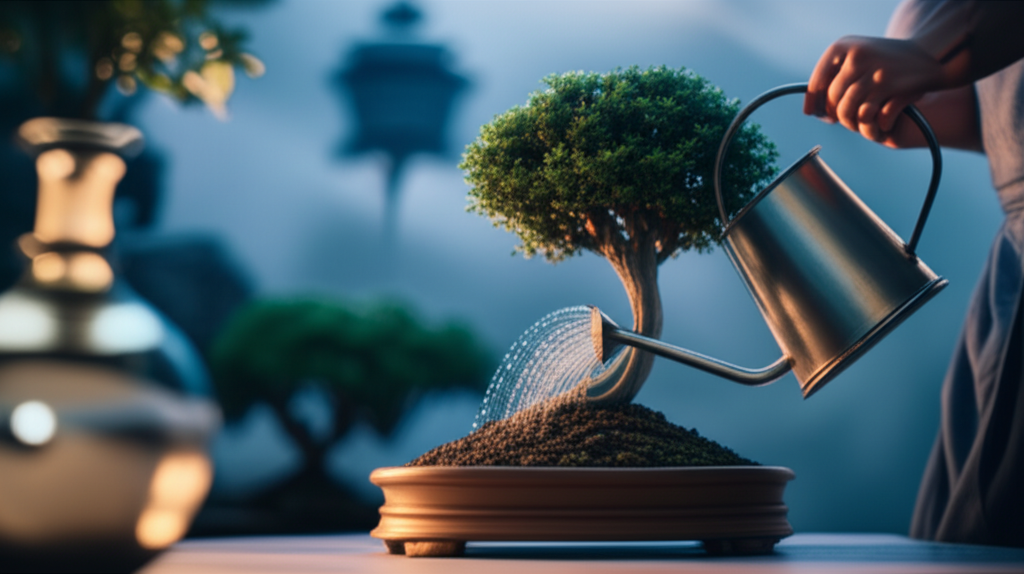
The ideal watering technique is to gently soak the entire soil surface until water drains freely from the bottom of the pot. This ensures that all the roots receive adequate moisture. Avoid using a strong stream of water, as this can compact the soil and wash away valuable nutrients.
I use a watering can with a fine rose spout to deliver a gentle, even shower of water. I start at the top of the pot and slowly work my way around, ensuring that every part of the soil is thoroughly wetted. I continue watering until I see water flowing out of the drainage holes, indicating that the soil is saturated.
Water Quality: Purity Matters
The quality of the water you use can also impact the health of your bonsai. Tap water often contains chlorine and other chemicals that can be harmful to sensitive trees. Ideally, use rainwater, distilled water, or filtered water.
I collect rainwater whenever possible and store it in a large container. I’ve found that rainwater is naturally soft and slightly acidic, which is beneficial for many bonsai species. If rainwater isn’t available, I use filtered tap water that has been allowed to sit for 24 hours to allow the chlorine to dissipate.
Morning vs. Evening: Timing is Key
The timing of watering can also make a difference. Watering in the morning allows the foliage to dry out during the day, reducing the risk of fungal diseases. Avoid watering in the evening, especially in humid climates, as this can create a damp environment that encourages fungal growth.
I prefer to water my bonsai in the early morning, before the sun gets too intense. This gives the leaves plenty of time to dry out and minimizes the risk of fungal problems. If I have to water in the evening, I make sure to provide good ventilation to help the foliage dry quickly.
Recognizing the Signs: Overwatering vs. Underwatering
Even with the best techniques, it’s still possible to make mistakes. Learning to recognize the signs of overwatering and underwatering is crucial for correcting problems before they become fatal.
The Perils of Overwatering: Root Rot and Yellowing Leaves
Overwatering is one of the most common mistakes made by bonsai beginners. When the soil remains consistently wet, the roots are deprived of oxygen, leading to root rot. Symptoms of overwatering include yellowing leaves, a musty odor from the soil, and soft, mushy roots.
I once nearly lost a prized maple bonsai to overwatering. I had been diligently watering it every day, even though the soil was still damp. The leaves started to turn yellow and droop, and the soil developed a foul odor. I immediately stopped watering and repotted the tree in fresh, well-draining soil. It took several weeks, but the tree eventually recovered.
The Dangers of Underwatering: Wilting and Crispy Leaves
Underwatering, on the other hand, occurs when the soil becomes too dry, causing the tree to dehydrate. Symptoms of underwatering include wilting leaves, crispy leaf edges, and dry, hard soil.
During a particularly hot summer, I neglected to water a ficus bonsai for a few days while I was away. When I returned, the leaves were wilted and brittle, and the soil was bone dry. I immediately soaked the tree in water and misted the foliage. The tree revived somewhat, but it lost a significant number of leaves. This experience reinforced the importance of consistent monitoring and timely watering.
The Leaf Test: Deciphering the Visual Clues
Observing the leaves is a great way to tell if a Bonsai has been incorrectly watered. Usually yellowing leaves are the first sign of overwatering, but underwatering can be spotted by dry, crispy leaves. Monitoring your bonsai’s leaves should be a part of your daily routine.
I keep a watchful eye on my bonsai’s leaves, often I’ll do a quick check when walking through the garden. This regular observation helps me to catch any potential problems early on, before they become too serious.
Adapting to the Seasons: A Year-Round Approach
A bonsai’s watering needs change throughout the year, depending on the season. Adjusting your watering practices to match the seasonal changes is essential for maintaining the tree’s health and vigor.
Spring Growth: Increased Water Demand
In the spring, as the tree emerges from dormancy and begins to grow, its water demand increases. New leaves and shoots require a steady supply of moisture. Water more frequently during this period, but always check the soil moisture before watering.
I find that my bonsai require the most frequent watering in the spring, especially during periods of rapid growth. I keep a close eye on the new foliage and make sure to provide adequate hydration to support its development.
Summer Heat: Frequent Monitoring and Hydration
Summer is the most challenging season for bonsai, as the combination of high temperatures and intense sunlight can quickly dry out the soil. Water frequently, and consider providing shade during the hottest part of the day. Misting the foliage can also help to increase humidity and cool the tree.
During the summer, I water my bonsai every day, sometimes even twice a day, depending on the weather. I also mist the foliage regularly to help keep the leaves hydrated and prevent them from drying out. I also try to provide some shade during the hottest part of the day to prevent the tree from overheating.
Autumn Transition: Reduced Water Needs
As autumn approaches, the tree begins to slow down its growth and prepare for dormancy. Water less frequently during this period, allowing the soil to dry out slightly between waterings. Avoid overwatering, as this can lead to root rot.
I gradually reduce my watering frequency in the autumn, as the tree’s water demand decreases. I also make sure to remove any fallen leaves from the soil surface to prevent them from decomposing and creating a breeding ground for fungal diseases.
Winter Dormancy: Minimal Watering
In the winter, when the tree is dormant, its water needs are minimal. Water only when the soil is completely dry, and avoid overwatering at all costs. Protect the tree from freezing temperatures, and provide adequate ventilation to prevent fungal growth.
During the winter, I water my bonsai only sparingly, usually once every few weeks. I also make sure to protect them from freezing temperatures by placing them in a sheltered location or bringing them indoors. I also provide good ventilation to prevent fungal growth, which can be a problem in damp, enclosed environments.
Choosing the Right Soil: The Foundation of Healthy Hydration
The type of soil you use plays a crucial role in determining how well your bonsai retains and drains water. Choosing the right soil mix is essential for providing the ideal growing environment for your tree.
Well-Draining Mix: Preventing Waterlogging
Bonsai soil should be well-draining, allowing excess water to flow freely through the pot. This prevents waterlogging, which can lead to root rot. A good bonsai soil mix typically consists of a combination of akadama, pumice, and lava rock.
I use a custom soil mix that I’ve developed over the years, based on my experience with different bonsai species and growing conditions. My mix typically includes akadama, pumice, lava rock, and a small amount of organic matter, such as composted bark. I adjust the proportions of each ingredient depending on the specific needs of the tree.
Adjusting for Species: Tailoring to Specific Needs
Different bonsai species have different soil preferences. Some species, such as azaleas and maples, prefer slightly acidic soil, while others, such as junipers and pines, prefer slightly alkaline soil. Research the specific soil requirements of your bonsai species and adjust your soil mix accordingly.
I have a collection of bonsai from various species, each with its own unique soil requirements. I’ve learned to tailor my soil mixes to meet the specific needs of each tree, ensuring that they receive the optimal growing conditions.
The Simple Rule: Listen to Your Tree
So, what’s the simple rule that changed everything? It’s not about following a rigid schedule or memorizing a list of instructions. It’s about learning to listen to your tree. It’s about observing its leaves, feeling its soil, and understanding its individual needs.
Watering a bonsai is not a science; it’s an art. It requires patience, observation, and a willingness to learn from your mistakes. Don’t be afraid to experiment and try different techniques until you find what works best for you and your trees.
Remember, every bonsai is unique, and its watering needs will vary depending on a multitude of factors. The key is to pay attention, be responsive, and develop a deep understanding of your tree’s individual requirements. With practice and patience, you’ll learn to “listen” to your bonsai and provide it with the hydration it needs to thrive.
The journey of bonsai cultivation is a continuous learning process. There are always new techniques to discover, new species to explore, and new challenges to overcome. But the reward of nurturing these miniature trees and witnessing their growth and beauty is well worth the effort. So, embrace the art of listening to your trees, and enjoy the journey!
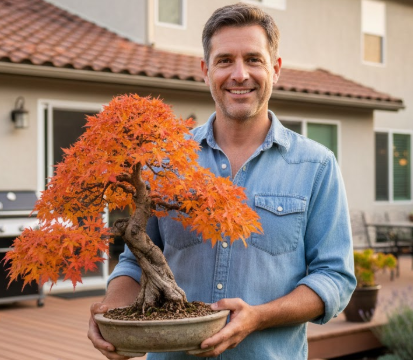
My name is Christopher Brown, I am 38 years old and I live in the United States. I am deeply passionate about the art of bonsai and have been cultivating trees for several years. What started as a simple curiosity turned into a daily practice and an important part of my life.
On this blog, I share my real experiences with bonsai — including what works, what doesn’t, and the lessons I learn along the way. I enjoy experimenting with techniques, observing the growth of each tree, and documenting the process with honesty and patience.
My goal with InfoWeHub is to help beginners feel more confident, avoid common mistakes, and discover the beauty of bonsai cultivation. If you are starting your journey or already love this art, you are welcome here.