
The Unspoken Truth About Bonsai Growth (Or Lack Thereof)
Let’s be honest. You’re here because your bonsai isn’t thriving, is it? You meticulously water it, you’ve even bought special bonsai soil. You’ve watched countless YouTube videos, scrolled through endless forums, and yet, your little tree sits there, stubbornly refusing to flourish. I get it. I’ve been there. For years, in fact. I spent countless hours scratching my head, wondering why my bonsai looked more like a sad, neglected houseplant than a miniature masterpiece. The problem, as I eventually discovered, wasn’t necessarily what I *was* doing, but what I *wasn’t* doing, or rather, what I was subconsciously avoiding.
There’s a silent mistake that lurks in the shadows of bonsai cultivation, a hidden culprit that often goes unacknowledged, even among experienced enthusiasts. It’s not about fertilizer ratios, or the perfect potting mix (though those are important!). It’s about something far more fundamental: the courage to prune aggressively.
Why Pruning is More Than Just Shaping
We see those stunning, perfectly sculpted bonsai trees in magazines and online, and we naturally want to emulate that. But the truth is, those trees didn’t get that way by accident. They are the product of years of careful, and often quite drastic, pruning. Many beginners shy away from pruning, especially aggressive pruning, because it feels…wrong. It feels like you’re harming the tree. I certainly felt that way in my early years. I remember one particular juniper bonsai I was incredibly proud of. It had a beautiful, flowing cascade style, and I was so careful not to “ruin” it with excessive pruning. I’d just trim the very tips of the new growth, thinking I was being gentle and nurturing. What I was actually doing was stunting its growth and preventing it from developing the strong, defined branching structure that characterizes a truly exceptional bonsai.
Pruning isn’t just about aesthetics; it’s about directing the tree’s energy. A tree’s natural inclination is to grow outwards and upwards, to reach for the sun. In a bonsai pot, this natural urge is restricted. The roots are confined, and the nutrient supply is limited. If you allow the tree to grow unchecked, it will expend all its energy on extending existing branches and producing new growth at the tips, neglecting the inner branches and the root system. This leads to a leggy, unbalanced tree with weak, spindly growth and a poor root structure, rendering it vulnerable to disease and pests, and ultimately hindering overall growth.
Think of it like this: imagine you’re trying to build a strong, sturdy house. You wouldn’t just keep adding rooms onto the sides without reinforcing the foundation and the supporting walls, would you? That’s essentially what you’re doing when you neglect aggressive pruning. You’re adding more “rooms” (branches) without strengthening the “foundation” (root system and inner branching).
The Fear Factor: Overcoming Pruning Paralysis
The reluctance to prune aggressively often stems from a fear of making mistakes. What if I cut off too much? What if I kill the tree? These are valid concerns, and it’s important to approach pruning with knowledge and care. However, it’s equally important to overcome the fear and recognize that pruning is an essential part of the bonsai process.
One thing that helped me immensely was understanding the difference between structural pruning and maintenance pruning. Maintenance pruning is the light trimming we do to maintain the shape and size of the bonsai. Structural pruning, on the other hand, is more aggressive and involves removing larger branches to create the desired trunk line, branching structure, and overall aesthetic. It’s structural pruning that truly stimulates growth and helps to develop a strong, healthy bonsai.
Understanding Structural Pruning
Structural pruning should ideally be done during the dormant season (late winter or early spring) before new growth emerges. This is when the tree has stored the most energy and is best equipped to recover from the pruning. The goal of structural pruning is to:
- Define the trunk line: Remove any branches that detract from the desired trunk line or create an undesirable silhouette.
- Establish the primary branches: Select the main branches that will form the framework of the tree and remove any competing branches.
- Create open spaces: Remove branches that cross or rub against each other, or that grow inwards towards the trunk. This allows for better air circulation and light penetration, which is crucial for healthy growth.
- Encourage back budding: Pruning back to a node or bud encourages new growth to emerge from that point, creating denser foliage and a more compact form.
When I first started structural pruning, I was terrified of making mistakes. I would spend hours agonizing over each cut, second-guessing my decisions. I remember one particularly old ficus that I had acquired. It had a magnificent trunk but the branches were a tangled mess. I knew it needed a major structural pruning, but I kept putting it off, afraid of ruining it. Finally, after months of procrastination, I took a deep breath and went for it. I removed several large, overgrown branches, exposing the beautiful trunk beneath. To my surprise, the tree responded incredibly well. Within weeks, new growth started to emerge from all over the trunk and branches, filling in the empty spaces and creating a much more balanced and aesthetically pleasing form.
That experience taught me a valuable lesson: sometimes, you have to be brave and trust the process. It also taught me that even if you do make a mistake, trees are incredibly resilient and can often recover from even the most drastic pruning.
The Root of the Problem: Addressing the Root System
Pruning above the soil is only half the battle. Equally important is addressing the root system. In a bonsai pot, the roots become pot-bound over time, circling the inside of the pot and restricting the flow of water and nutrients. This can lead to stunted growth and a decline in the tree’s overall health. Root pruning is the process of removing a portion of the root mass to encourage new, healthy root growth.
Why Root Pruning is Essential
Root pruning serves several important functions:
- Prevents root-bound conditions: By removing circling roots, you create space for new roots to grow, improving the tree’s ability to absorb water and nutrients.
- Stimulates new root growth: Cutting back the roots encourages the tree to produce new, finer roots, which are more efficient at absorbing water and nutrients.
- Maintains a manageable root mass: In a bonsai pot, the root system can quickly outgrow the available space. Root pruning helps to keep the root mass in balance with the size of the pot and the foliage.
Root pruning is typically done in conjunction with repotting, which should be done every one to five years, depending on the species and the age of the tree. When repotting, carefully remove the tree from the pot and inspect the root system. Using a root rake or your fingers, gently tease out the circling roots and remove any dead or diseased roots. Then, using sharp scissors or root pruning shears, cut back the remaining roots by about one-third to one-half, depending on the extent of the root-bound condition. Be sure to also remove some of the old soil and replace it with fresh bonsai soil.
I remember one particularly stubborn Japanese maple that I had been struggling with for years. It looked healthy enough, but it just wouldn’t grow as vigorously as I wanted it to. I had repotted it several times, but I had been too gentle with the root pruning, afraid of damaging the tree. Finally, one year, I decided to be more aggressive. I removed almost half of the root mass, and to my surprise, the tree responded with a burst of new growth. It was like I had finally unlocked its potential. From that day on, I made sure to be more thorough with my root pruning, and I saw a significant improvement in the health and vigor of all my bonsai trees.
Beyond Pruning: The Holistic Approach
While aggressive pruning is often the missing ingredient in bonsai cultivation, it’s important to remember that it’s just one piece of the puzzle. A holistic approach to bonsai care involves considering all aspects of the tree’s needs, including:
Watering
Proper watering is essential for healthy bonsai growth. Overwatering can lead to root rot, while underwatering can cause the tree to dry out and die. The key is to water thoroughly when the soil is dry to the touch, allowing the water to drain freely from the bottom of the pot. The frequency of watering will depend on the species, the size of the pot, the climate, and the time of year.
Fertilizing
Bonsai trees need regular fertilization to provide them with the nutrients they need to grow and thrive. Use a balanced fertilizer specifically formulated for bonsai trees, and follow the instructions on the label. Fertilize regularly during the growing season (spring and summer), and reduce or stop fertilizing during the dormant season (fall and winter).
Sunlight
Most bonsai trees need at least six hours of sunlight per day. However, some species are more tolerant of shade than others. Be sure to research the specific needs of your bonsai tree and provide it with the appropriate amount of sunlight.
Soil
The right soil is crucial for healthy bonsai growth. Bonsai soil should be well-draining, yet retain enough moisture to keep the roots hydrated. A good bonsai soil mix typically consists of akadama, pumice, and lava rock, in varying proportions depending on the species.
Pest and Disease Control
Bonsai trees are susceptible to a variety of pests and diseases. Inspect your trees regularly for signs of infestation or infection, and take action promptly to prevent the problem from spreading. Use organic pesticides and fungicides whenever possible, and avoid using harsh chemicals that can harm the tree.

The Patience Factor: Bonsai is a Marathon, Not a Sprint
Perhaps the most important, and often overlooked, aspect of bonsai cultivation is patience. Bonsai is not a quick fix; it’s a long-term commitment that requires time, dedication, and a willingness to learn from your mistakes. Don’t expect to see dramatic results overnight. It takes years, even decades, to develop a truly exceptional bonsai tree. I’ve had trees that I’ve worked on for over 30 years, and they are still evolving and changing.
There will be times when you feel frustrated and discouraged, when your bonsai seems to be stubbornly refusing to cooperate. Don’t give up. Remember that every mistake is a learning opportunity. The key is to stay patient, keep learning, and continue to refine your skills. Over the years, I’ve killed my fair share of bonsai trees. Each loss was painful, but each one taught me something valuable. I learned about different species, about different pruning techniques, about the importance of proper watering and fertilization. And slowly, but surely, I started to see my bonsai trees thrive.
Embrace the Journey
Bonsai is more than just a hobby; it’s a journey of self-discovery. It’s a way to connect with nature, to exercise your creativity, and to develop a sense of patience and perseverance. It’s about learning to appreciate the beauty of imperfection and the power of resilience. So, embrace the journey, and don’t be afraid to make mistakes. And remember, the secret to a thriving bonsai isn’t just about what you do, it’s about what you’re willing to learn and how much you’re willing to grow along with your tree.
Case Studies: Real-World Examples of Pruning Success
To further illustrate the importance of aggressive pruning, let’s look at a few case studies of real-world bonsai examples. These are based on my personal experience and observations, though names and specific details have been altered to protect privacy.
Case Study 1: The Neglected Trident Maple
I acquired a trident maple from a local nursery. It was a decent-sized tree with a promising trunk, but the branching was a tangled mess. The tree had been neglected for years, and the branches were overcrowded and crossed each other in every direction. I knew that it needed a major structural pruning to create a more open and balanced form.
During the dormant season, I spent several hours carefully pruning the tree. I removed about half of the branches, including several large, overgrown limbs. I focused on creating a clear trunk line and establishing the primary branches. I also removed any branches that crossed or rubbed against each other, or that grew inwards towards the trunk.
The result was a dramatically different tree. The trunk was now clearly visible, and the branching was much more open and balanced. The tree looked almost bare, but I knew that it would respond with a burst of new growth in the spring. And it did. The tree produced an abundance of new shoots, filling in the empty spaces and creating a much more refined and aesthetically pleasing form. Over the next few years, I continued to refine the branching through regular maintenance pruning, and the tree eventually developed into a stunning bonsai specimen.
Case Study 2: The Underdeveloped Juniper
I had a juniper bonsai that I had been working on for several years. It was a healthy tree, but it just wasn’t developing the dense, compact foliage that I wanted. The branches were long and leggy, and the foliage was sparse and uneven. I realized that I had been too timid with my pruning.
During the growing season, I decided to be more aggressive with my pruning. I cut back the branches much harder than I had in the past, removing almost all of the new growth. I also thinned out the foliage, removing any unnecessary needles. The tree looked quite bare after the pruning, but I knew that it was necessary to stimulate new growth.
Within a few weeks, the tree started to respond with a flush of new growth. The new foliage was much denser and more compact than the old foliage. Over the next few months, I continued to prune and pinch the new growth, encouraging it to branch and fill in. Eventually, the tree developed the dense, compact foliage that I had been striving for.

The Ethical Considerations: Respecting the Tree
While I advocate for aggressive pruning, it’s important to remember that bonsai cultivation should always be done with respect for the tree. We are not simply manipulating a plant to suit our aesthetic desires; we are entering into a partnership with a living being. We should strive to understand the tree’s needs and to work with it in a way that promotes its health and well-being.
Avoid pruning too drastically at once, as this can shock the tree and weaken it. Instead, prune gradually over time, allowing the tree to recover between pruning sessions. Also, be sure to use sharp, clean tools to avoid spreading disease. And most importantly, be mindful of the tree’s overall health and vigor. If the tree is weak or stressed, it may not be able to tolerate aggressive pruning. In such cases, it’s best to wait until the tree is healthier before pruning.
Finding the Balance
The key to successful bonsai cultivation is finding the balance between aesthetics and ethics, between shaping the tree to suit our desires and respecting its natural growth habits. It’s a delicate dance, but it’s a dance that can be incredibly rewarding. When we approach bonsai with patience, knowledge, and respect, we can create miniature masterpieces that are both beautiful and healthy. And in the process, we can learn a great deal about ourselves and about the natural world.
Beyond the Basics: Advanced Pruning Techniques
Once you’ve mastered the basic principles of pruning, you can start to explore more advanced techniques. These techniques can help you to refine your bonsai and to create even more stunning and unique designs.
Wiring
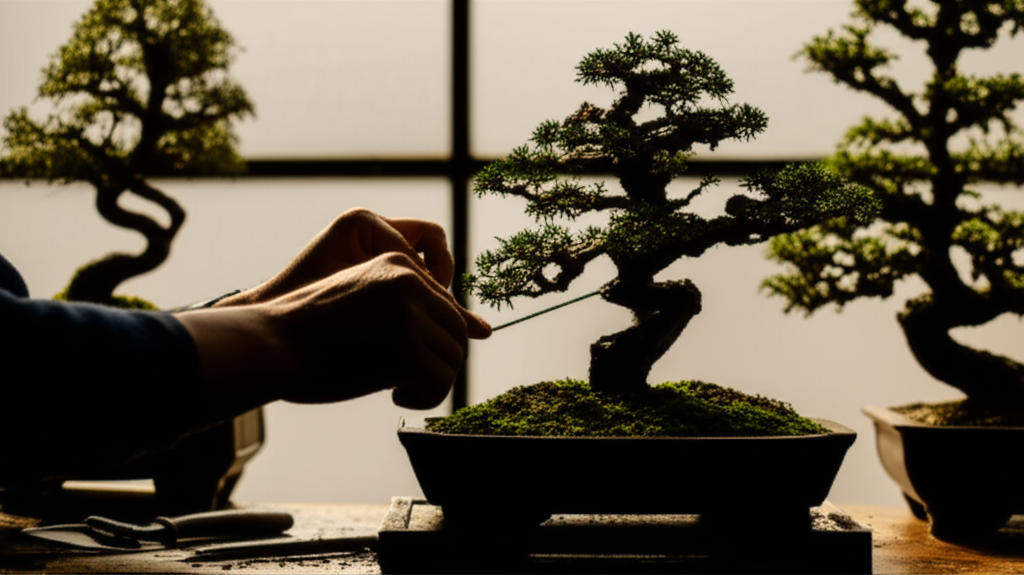
Wiring is a technique used to bend and shape the branches of a bonsai tree. By wrapping wire around a branch, you can gently bend it into the desired position. Wiring is particularly useful for creating movement and interest in the branches, and for filling in gaps in the foliage.
Defoliation
Defoliation is the process of removing all or part of the leaves from a bonsai tree. This technique is typically used to reduce the size of the leaves, to encourage back budding, and to improve the overall appearance of the tree.
Grafting
Grafting is a technique used to join two different plants together. In bonsai, grafting is often used to add desirable traits to a tree, such as a particular branch structure or leaf color.
Bonsai is a lifelong learning process, and there’s always something new to discover. Don’t be afraid to experiment with different techniques and to find what works best for you and your trees. The journey is just as important as the destination, and the rewards are well worth the effort. So, embrace the challenge, be patient, and enjoy the process of creating your own miniature masterpieces.
And remember, the courage to prune aggressively, coupled with a holistic approach to care and a healthy dose of patience, is the key to unlocking the full potential of your bonsai and watching it finally thrive. Now, go forth and prune with confidence!
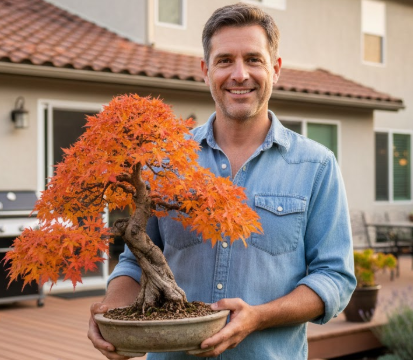
My name is Christopher Brown, I am 38 years old and I live in the United States. I am deeply passionate about the art of bonsai and have been cultivating trees for several years. What started as a simple curiosity turned into a daily practice and an important part of my life.
On this blog, I share my real experiences with bonsai — including what works, what doesn’t, and the lessons I learn along the way. I enjoy experimenting with techniques, observing the growth of each tree, and documenting the process with honesty and patience.
My goal with InfoWeHub is to help beginners feel more confident, avoid common mistakes, and discover the beauty of bonsai cultivation. If you are starting your journey or already love this art, you are welcome here.